Arequipa & Colca Canyon Tour
- 3 Days
- 2 Nights
- Easy
- Cultural
- Arequipa and the Colca Canyon
Explore Arequipa’s white-stone center, cross the high Andes past volcanoes and vicuñas, spend a night in the Colca Valley and watch condors at Cruz del Cóndor.
Trip facts
- Duration 3 Days / 2 Nights
- Difficulty Easy
- Max altitude 4,900 m / 16,076 ft
- Best season April to December
- Accommodation Hotels in Arequipa and the Colca Valley (confirmed with your quote)
- Transportation By road
- Guide Local guide
Overview
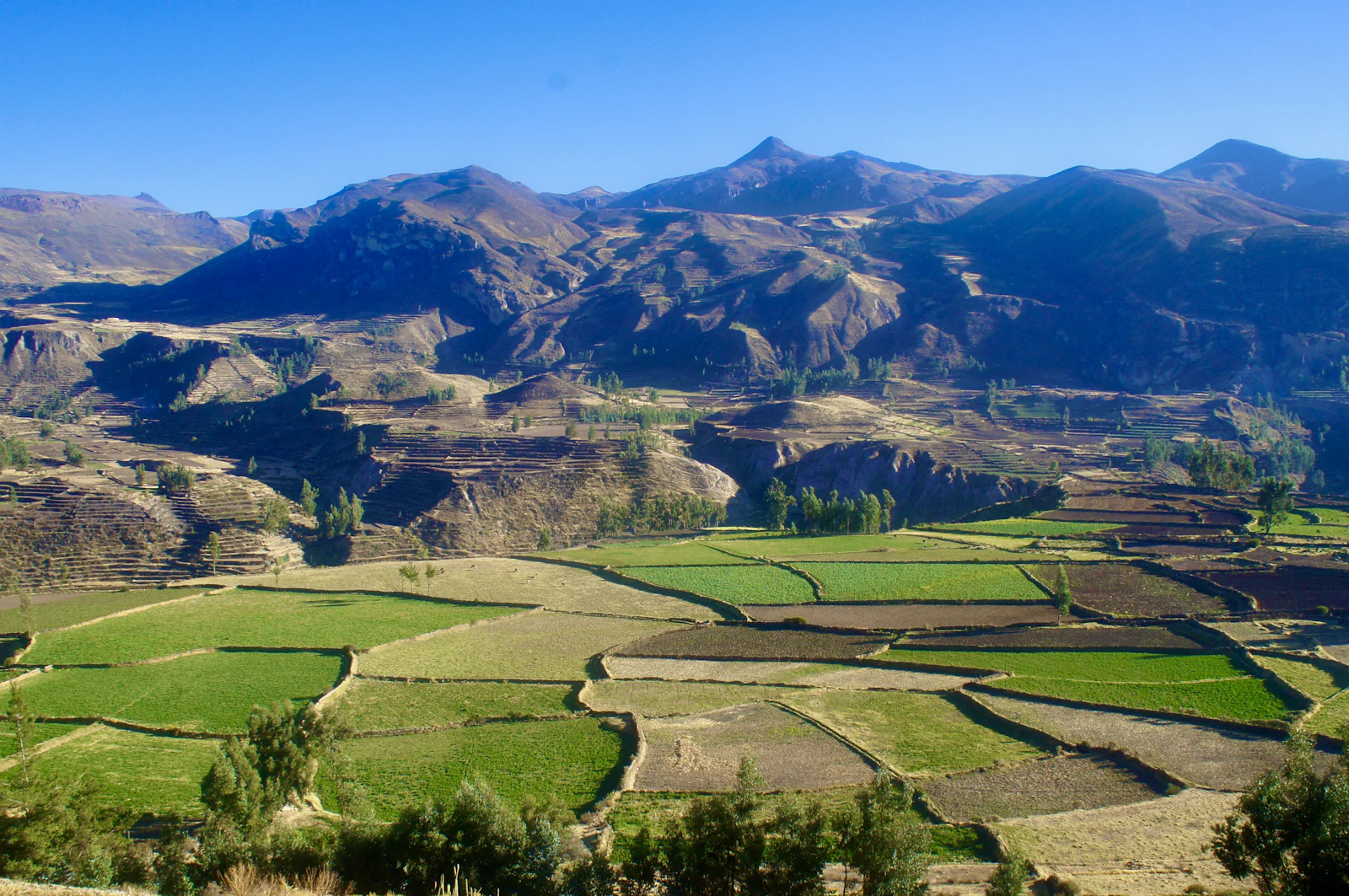
Southern Peru has a character of its own, and this trip shows two sides of it. Arequipa, the country’s second city, is built largely of sillar, a pale volcanic stone, below the near-perfect cone of El Misti volcano, and its historic center is a UNESCO World Heritage Site. A few hours north, the Colca Canyon cuts deep into the Andes, lined with pre-Inca terraces still farmed by the valley’s communities and patrolled by Andean condors, the largest flying birds in the Americas.
We usually plan it as three days. The first is in Arequipa: the Plaza de Armas and cathedral, the colonial mansions and the Santa Catalina Monastery, a small walled city of colored streets inside the city. On the second day you drive north on a high road across the Salinas and Aguada Blanca reserve, where wild vicuñas graze, over a pass of about 4,900 m (16,100 ft) with views of a line of volcanoes, and down into the Colca Valley for the night, often with time at hot springs. Early on the third morning you go to Cruz del Cóndor, the best-known viewpoint over the canyon, to watch the condors ride the morning air, before visiting valley villages and returning to Arequipa.
Shorter two-day versions are also possible, starting directly with the Colca, and many travelers continue from the Colca to Puno and Lake Titicaca instead of returning to Arequipa. The format that works best depends on the rest of your trip, so we confirm the number of days, the hotels and the route with you.
DSL Adventures is based in Cusco, and we plan this southern extension as part of your wider itinerary, confirming the local services with you in writing. Arequipa connects easily with Cusco by air, and the trip combines well with the coast: see our Lima City & Food Experience or the Paracas and Huacachina tour. All the regions we plan are on our destinations page.
Highlights
- Explore Arequipa’s historic center, built of pale volcanic stone below El Misti
- Walk the colored streets of the Santa Catalina Monastery
- Cross the high Andes past wild vicuñas and a line of volcanoes
- See the terraces of the Colca Valley, still farmed by local communities
- Watch Andean condors from Cruz del Cóndor, above one of the world’s deepest canyons
Itinerary
Day 1:
Arequipa, the white city
A guided day in Arequipa’s historic center, including the Santa Catalina Monastery.With your guide you explore Arequipa’s historic center, built of pale volcanic stone: the Plaza de Armas with its arcades and cathedral, colonial mansions with carved stone doorways, and the Santa Catalina Monastery, a walled complex of streets, courtyards and cells painted in deep reds and blues, still home to a small community of nuns. On a clear afternoon, a viewpoint in the Yanahuara district frames El Misti volcano behind the city.
- Starts
- Arequipa
- Ends
- Arequipa
- Accommodation
- Hotel in Arequipa
Day 2:
Across the high Andes to the Colca Valley
The high road past vicuñas and volcanoes, over a pass of about 4,900 m and down to the Colca Valley.You leave Arequipa in the morning and drive north across the Salinas and Aguada Blanca National Reserve, where herds of wild vicuñas graze beside the road. The road climbs to the Patapampa pass, about 4,900 m, where a viewpoint looks out over a chain of volcanoes. From there you descend into the Colca Valley and its terraced slopes.
After arriving in the valley, there’s usually time to relax in hot springs and walk around one of the villages, where many women still wear the embroidered clothing typical of the Colca.
- Starts
- Arequipa
- Ends
- Colca Valley
- Accommodation
- Hotel in the Colca Valley
The pass is very high. Move slowly at the viewpoint and drink water.
Day 3:
Cruz del Cóndor and return
An early visit to Cruz del Cóndor to watch the condors, valley villages and the drive back to Arequipa.You leave early for Cruz del Cóndor, a viewpoint on the edge of the canyon. In the morning, as the air warms, Andean condors often rise on the thermals from the canyon below, sometimes gliding just overhead. On the way back along the valley you stop at viewpoints over the terraces and at a traditional village with a colonial church.
In the afternoon you return to Arequipa, arriving in the evening, or continue toward Puno and Lake Titicaca if that’s part of your trip.
- Starts
- Colca Valley
- Ends
- Arequipa
Condors are wild and sightings aren’t guaranteed. Mornings give you the best chance.
What’s Included
Included
- Local guide in Arequipa and the Colca Valley
- Road transportation for the Colca trip
- Hotel nights shown in your confirmed itinerary
- Visits shown in your confirmed itinerary
Not included
- Colca Tourist Ticket and entrance fees (such as Santa Catalina Monastery), unless shown in your quote
- Hot springs entry
- Meals not shown in your itinerary
- Flights to and from Arequipa
- Tips for your guide and driver
Number of days, hotels, route, tickets and every inclusion are confirmed in writing with your quote.
What to Bring
Documents
- Passport, and cash in soles: the Colca ticket is paid in cash and there are few ATMs in the valley
Clothing
- Warm layers, hat and gloves for the high pass and the early morning at Cruz del Cóndor
- Light clothes for sunny afternoons in Arequipa
- Swimsuit and towel for the hot springs
- Comfortable walking shoes
Gear
- Binoculars or a zoom lens for the condors
Health & personal
- Strong sunscreen, sunglasses and lip balm: the sun is intense at altitude
- Water and any altitude medication your doctor recommends
Food, Lodging & Transport
Food & meals
Arequipa is known for its hearty regional cooking, served in traditional restaurants called picanterías: rocoto relleno, a stuffed spicy pepper, and chupe de camarones, a river shrimp chowder, are local classics. In the Colca Valley, lunches are often buffets with alpaca and quinoa dishes. The meals included are confirmed with your quote.
Accommodation
You spend one night in Arequipa and one in the Colca Valley, usually in or near Chivay or another valley village. Hotels in the valley range from simple lodges to comfortable country hotels with views of the terraces. We book options that fit your budget and confirm them with your quote.
Transportation
The drive from Arequipa to the Colca Valley covers about 160 km (100 mi) and takes around three to four hours with stops, climbing over the high plateau before descending to Chivay. Cruz del Cóndor is about an hour and a half beyond Chivay, along the canyon. Arequipa is connected to Cusco and Lima by frequent flights, and by road to Puno.
Difficulty & Altitude
- Difficulty
- Easy
- Highest point
- 4,900 m / 16,076 ftPatapampa pass, crossed by road (Arequipa is at about 2,335 m)
Fitness
This is an easy trip in terms of walking: short walks in Arequipa, at viewpoints and in the valley villages. The challenge is altitude: the road crosses a pass of about 4,900 m, and you sleep in the valley at around 3,600 m. Hiking into the canyon is possible, but it’s a separate, much more demanding trip that we can plan on request.
Altitude
Arequipa sits at about 2,335 m (7,660 ft). On the way to the Colca, the road climbs to the Patapampa pass at about 4,900 m (16,100 ft), where you stop briefly at a viewpoint of volcanoes, then descends to Chivay at about 3,600 m (11,800 ft). Cruz del Cóndor is at around 3,700 m.
- Start in Arequipa. A day in the city before the Colca helps your body adjust.
- Take the pass slowly. Walk gently, drink water and avoid heavy meals on the road.
- Coming from Cusco? If you’ve already spent time in Cusco, you’ll likely be well adapted.
Permits, Tickets & Rules
- Colca Tourist Ticket. Visitors to the Colca Valley need the Boleto Turístico del Colca, managed by the local authority AUTOCOLCA and checked on the road before Cruz del Cóndor. It’s paid in cash in soles.
- Arequipa sites. The Santa Catalina Monastery and some museums charge their own entrance fees.
- Wildlife. Condor sightings are common, especially in the morning, but never guaranteed: they’re wild birds.
We confirm current fees and whether they’re included in your quote.
Traveling with Family
Families enjoy this trip: the Santa Catalina Monastery feels like a maze to explore, vicuñas and llamas are easy to spot on the road, and watching condors is exciting at any age. The high pass is the main thing to plan for with children, so a day in Arequipa first is important. Talk with our team about fitting this into your family’s itinerary.
Frequently Asked Questions
How many days do I need for Arequipa and the Colca Canyon?
We usually recommend three: one day in Arequipa and two for the Colca, with a night in the valley. Two-day Colca trips are possible if you’re short on time. We’ll suggest the best format for your itinerary.
How high does the road go?
The road to the Colca crosses the Patapampa pass at about 4,900 m (16,100 ft). You only stop briefly, but it’s worth spending a day in Arequipa first to adjust.
When are condors most active?
In the morning, when the air starts to warm and the birds ride the thermals out of the canyon. The drier months are usually better. Sightings are common but never guaranteed.
Can I continue to Puno or Cusco afterward?
Yes. Many travelers continue from the Colca to Puno and Lake Titicaca by road, and Arequipa has direct flights to Cusco. We’ll plan the connection with you.
Do we hike into the canyon?
Not on this trip, which focuses on viewpoints, villages and the city. Hiking into the canyon is a separate, demanding trek we can plan on request.
Is DSL Adventures based in Arequipa?
No. Our team is based in Cusco. We plan this extension as part of your wider Peru itinerary and confirm the local services with you in writing.
Route
Route map coming soon
Route at a glance
- Arequipa, about 2,335 m (7,660 ft)
- Salinas and Aguada Blanca reserve (vicuñas)
- Patapampa pass, about 4,900 m (16,100 ft)
- Chivay and the Colca Valley, about 3,600 m (11,800 ft)
- Cruz del Cóndor, about 3,700 m (12,100 ft)
- Back to Arequipa (or on to Puno)
The Colca Canyon is about 160 km north of Arequipa by road, across the high plateau. A route map is being prepared.
Tour Video
Our video for this tour is coming soon. Until then, we’re happy to answer your questions on WhatsApp or by email.
Travel Tips for This Trip
Why DSL Adventures
Planned by a Local Team in Cusco
-
Based in Cusco
Your trip is planned by people who live here and know the region’s seasons, roads and trails.
-
Local Guides
Guides from the region who know the trails, the history and the communities along the way.
-
Direct Communication
One conversation with the team organizing your trip, from your first question to your last day.
-
Personalized Planning
Dates, pace and details shaped around your group.
-
Visual Storytelling
Photos and stories from our routes help you picture each day before you go.
Keep exploring
Related Tours
 Half or Full Day Peru Beyond Cusco
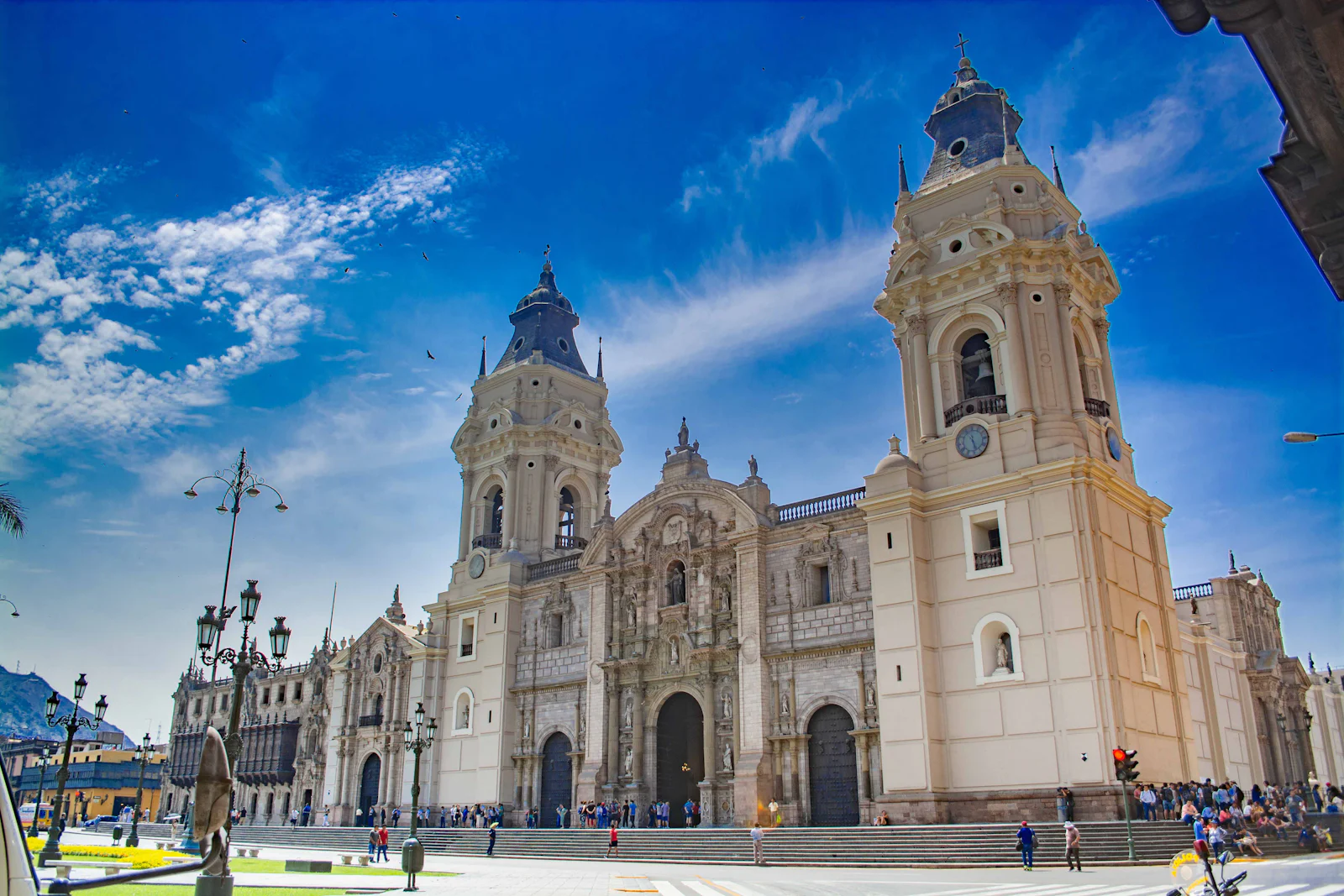
Historic Lima, Miraflores and Barranco
Lima City & Food Experience
Colonial Lima, the clifftop districts of Miraflores and Barranco, and time to taste Peruvian food. A useful first or last day of a Peru trip.
Price On request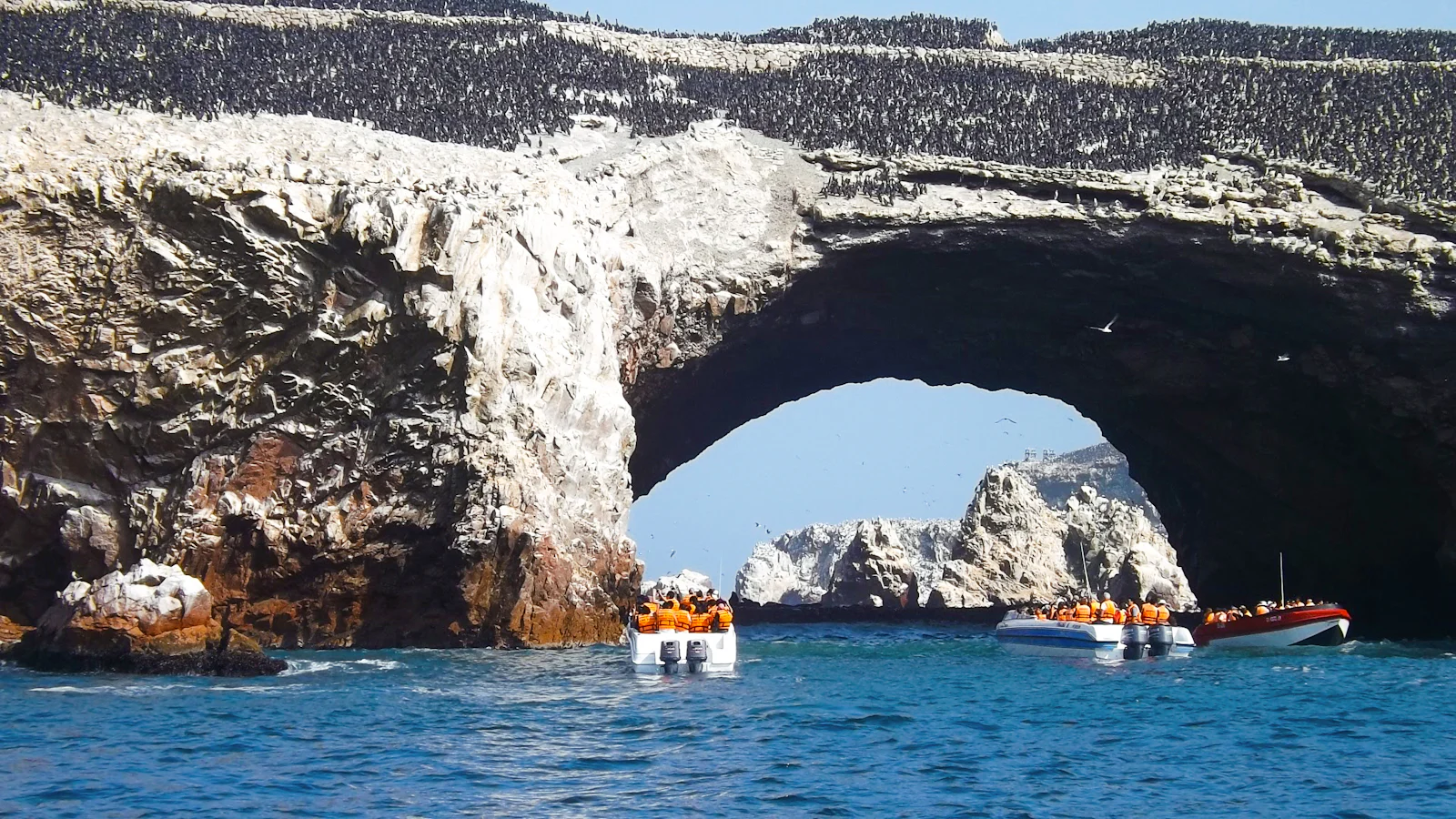 Full Day Peru Beyond Cusco
Paracas, Ballestas Islands and Huacachina
Paracas & Huacachina Full Day
A boat trip to the Ballestas Islands for sea lions and seabirds, then the dunes around the Huacachina oasis. A long coastal day, usually planned from Lima.
Price On request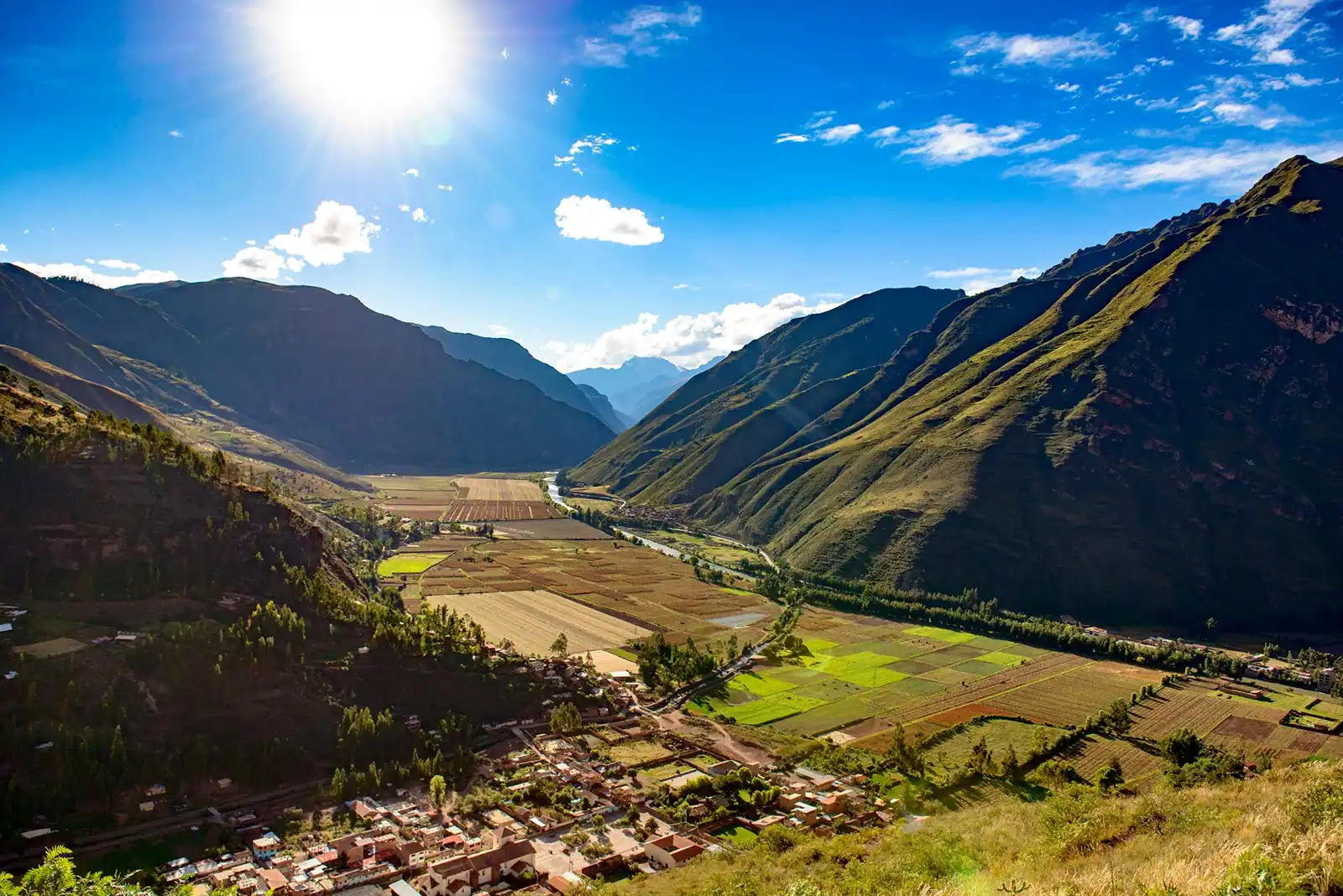 Full Day Day Tour
Cusco and the Sacred Valley
Sacred Valley Tour
A full day in the valley below Cusco: Inca terraces, market towns and the stone streets of Ollantaytambo, with a local guide.
Price On request
Plan your trip
Let’s Plan Your Trip Together
Tell us your dates, who’s traveling and what you’d like to see. Our team in Cusco will reply with availability, ideas and clear next steps.