Skip to content
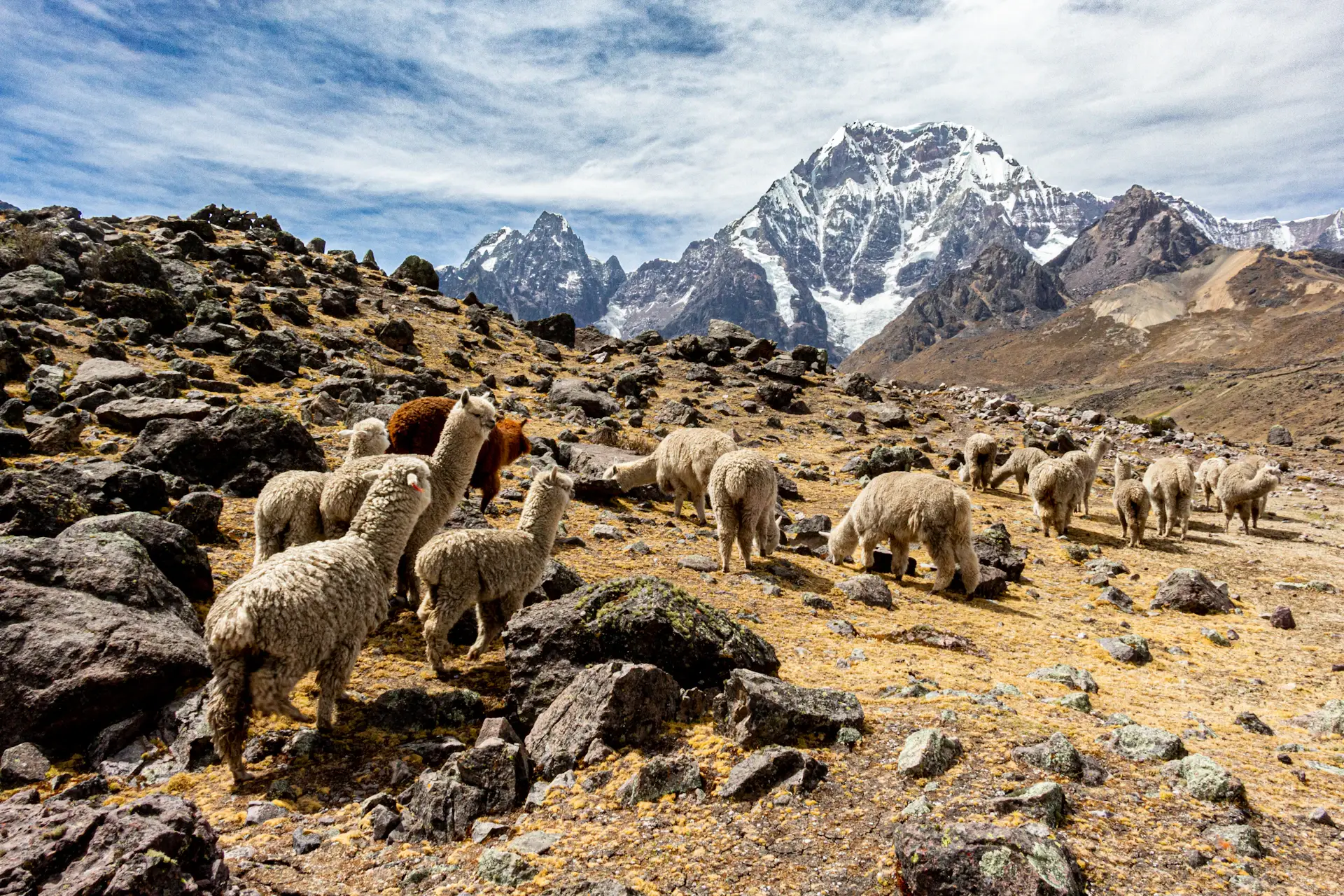
Alpacas grazing on a rocky slope below the snowy Ausangate range
Treks from Cusco

Cusco Treks: Multi-Day Hikes in the Andes

Five multi-day routes from Cusco, from the glaciers of Salkantay and Ausangate to the weaving villages of Lares and the canyon trail to Choquequirao. Compare altitude, difficulty and character to find the trek that fits you.

Trekking around Cusco

Three Mountain Ranges, Five Very Different Treks

Cusco sits among some of the highest ranges in the Andes, and each has its own kind of trek. West of the city, the glaciers of Salkantay rise above the Vilcabamba range. To the southeast, Ausangate crowns the Vilcanota range. To the north, behind the Sacred Valley, the valleys of Lares climb toward the Urubamba range. And farther west, high above the Apurímac Canyon, lies Choquequirao, an Inca site reached only on foot.

The routes we plan have little in common beyond the walking. Some end with a guided visit of Machu Picchu, others are pure mountain journeys; some pass through farming and herding communities, others spend days far from any village. This page compares them so you can match a trek to your experience, your dates and the kind of days you want on the trail.

The Inca Trail has its own page, since it works with permits and its own rules: see our Inca Trail tours.

Treks
Five routes4 or 5 days each
Highest points
About 3,050–5,000 m10,000–16,400 ft, depending on the route
End at Machu Picchu
Three of fiveSalkantay (4 or 5 days) and Lares
Best season
April to OctoberAusangate: May to September

Our treks

Five Treks From Cusco

Four or five days each, guided and planned by our team in Cusco. Two of them follow the Salkantay route at different paces.

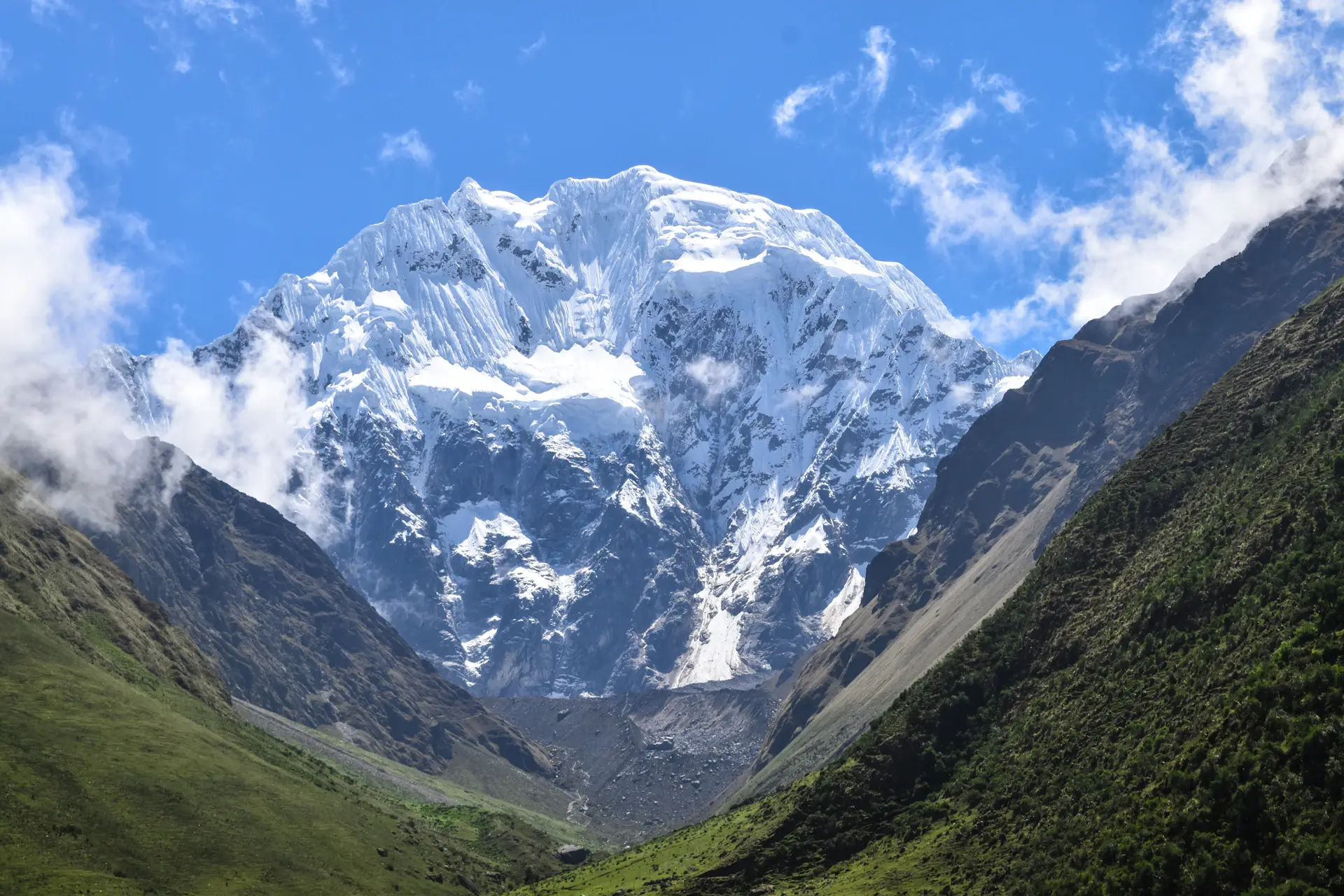
  • Snow-covered Salkantay mountain above a green Andean valley
    4 Days Trek

    Salkantay to Machu Picchu

    Salkantay Trek 4 Days

    The classic alternative to the Inca Trail: over the Salkantay Pass at about 4,600 m, down into cloud forest and on to Machu Picchu in four days.

    • Challenging
    • Camping and hotel
    Price On request
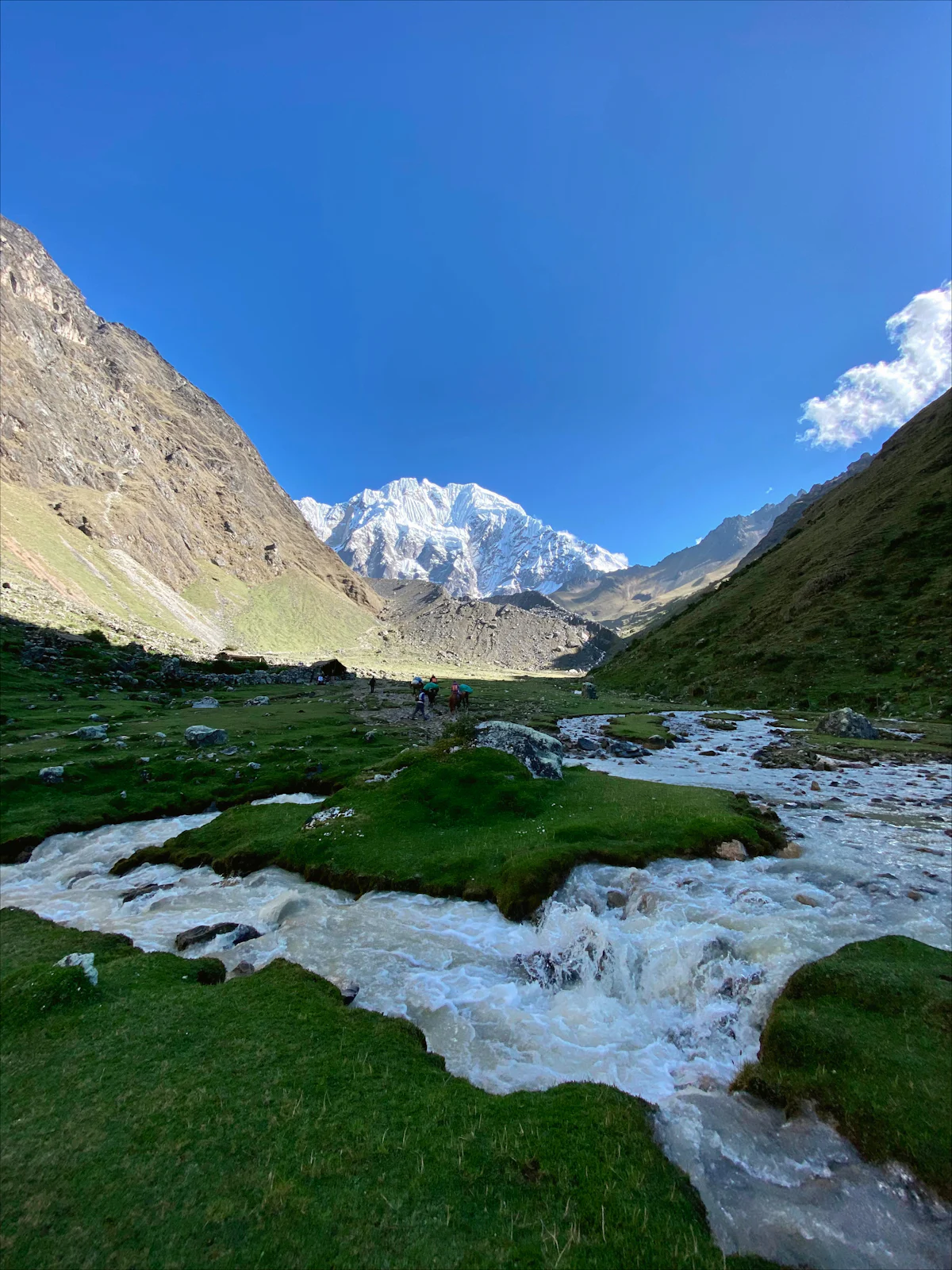
  • Snowcapped Salkantay above a high valley and glacial stream on the Salkantay route
    5 Days Trek

    Salkantay and Llactapata to Machu Picchu

    Salkantay Trek 5 Days

    The full-paced Salkantay route: the same high pass, then two shorter days through coffee country and over Llactapata, with a first view of Machu Picchu.

    • Challenging
    • Llactapata and coffee valleys
    Price On request
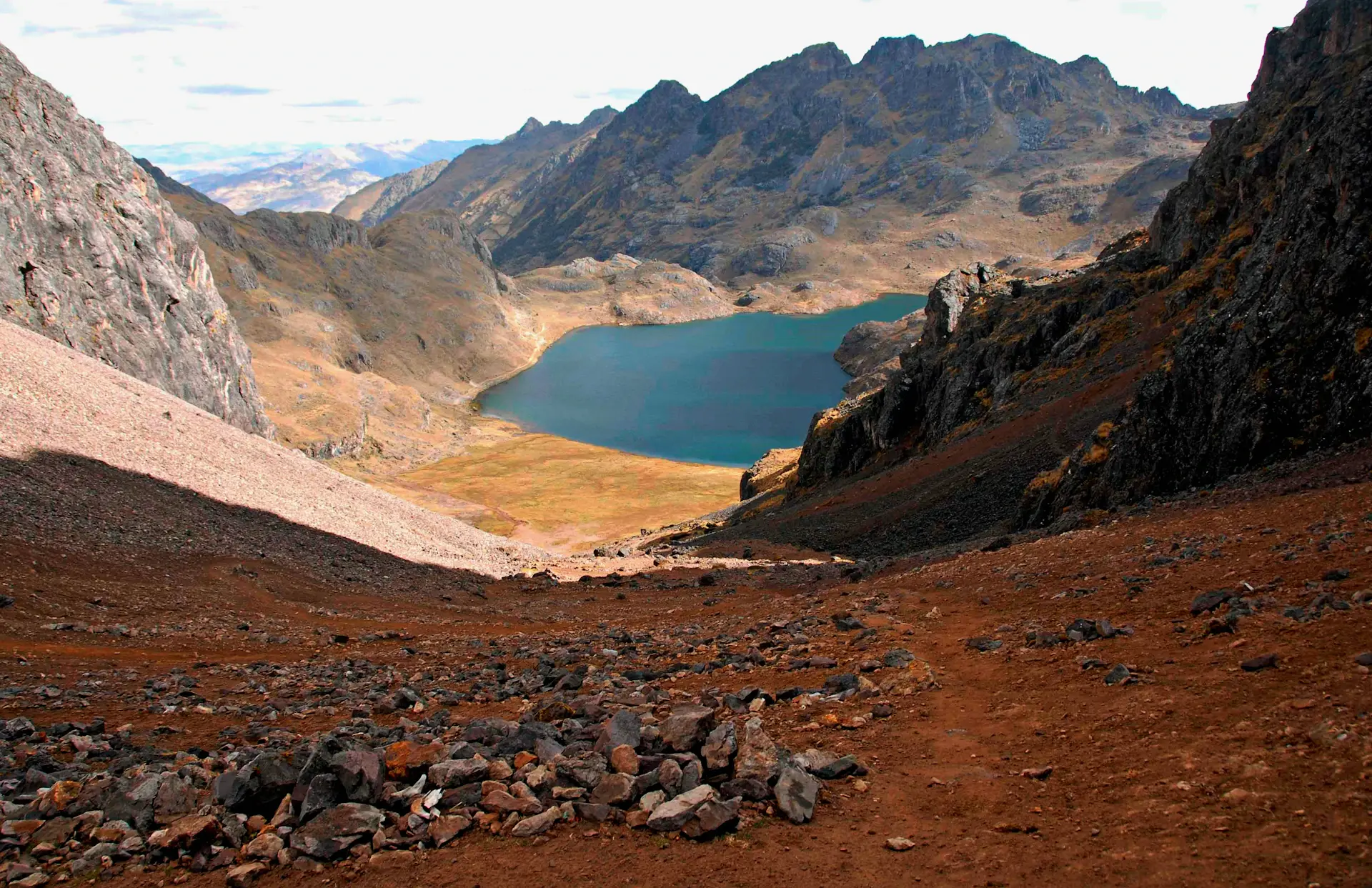
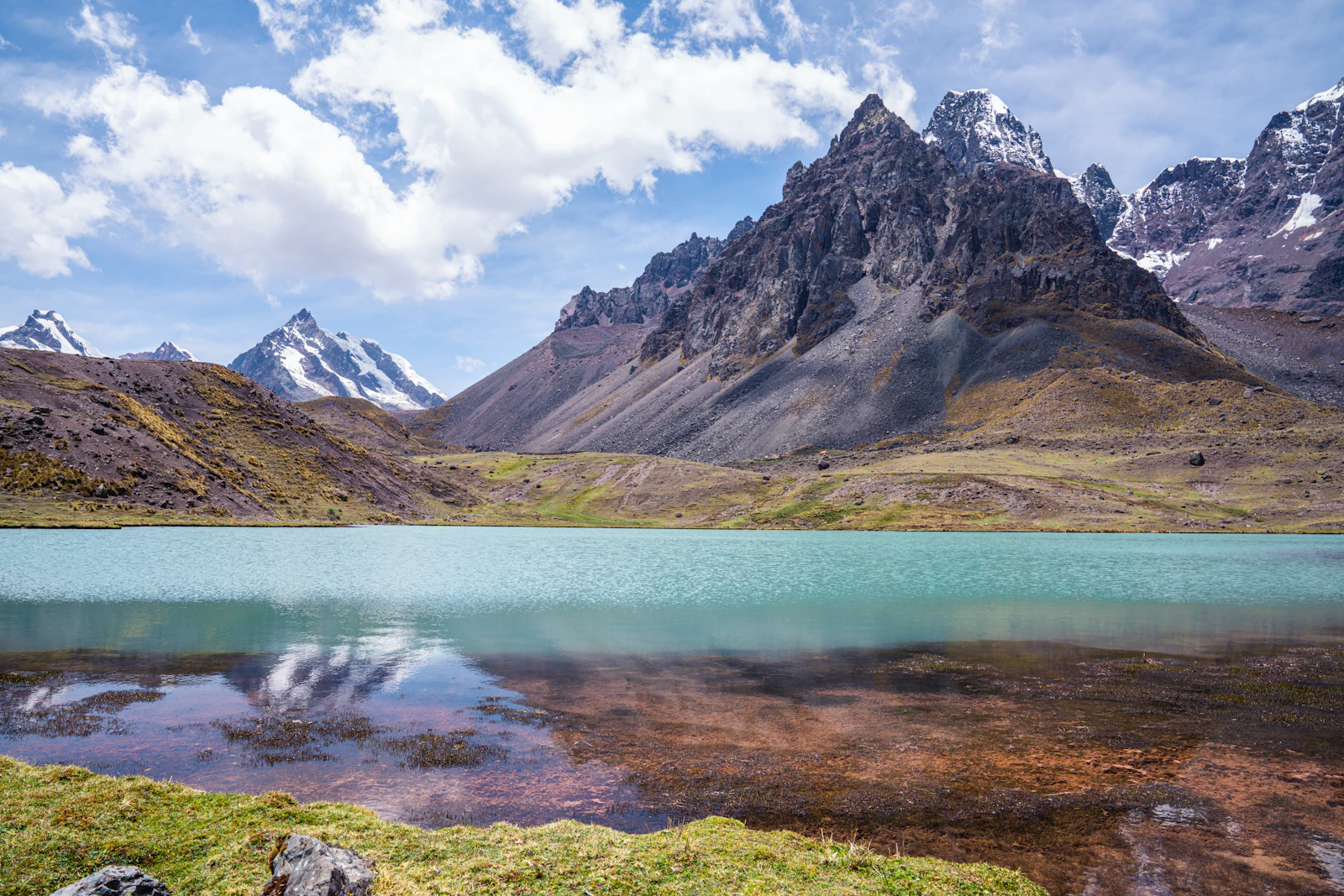
  • High Andean lake in a rocky valley on the Lares trek
    4 Days Trek

    Lares valleys to Machu Picchu

    Lares Trek 4 Days

    High valleys, glacial lakes and the farming and herding communities of Lares, then the train from Ollantaytambo and a guided visit to Machu Picchu.

    • Moderate
    • Andean communities
    Price On request
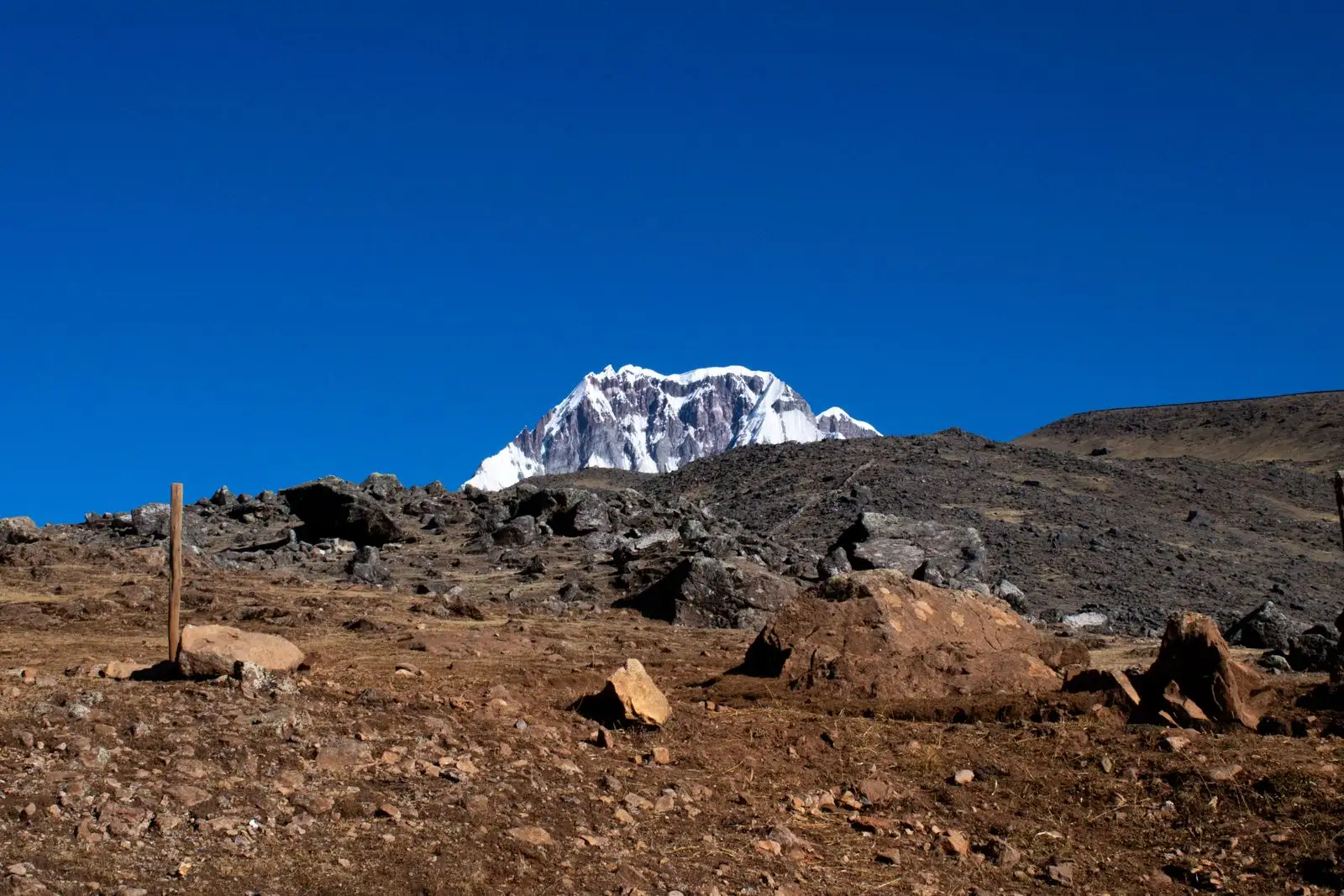
  • The snow-covered summit of Ausangate rising above rocky high-altitude grassland
    4 Days Trek

    Around Ausangate, Cusco

    Ausangate Trek 4 Days

    Four days on foot in the high Andes below Ausangate: glacial lakes, herding communities and passes close to 5,000 m. For fit, well-acclimatized hikers.

    • Demanding
    • High-altitude camping
    Price On request
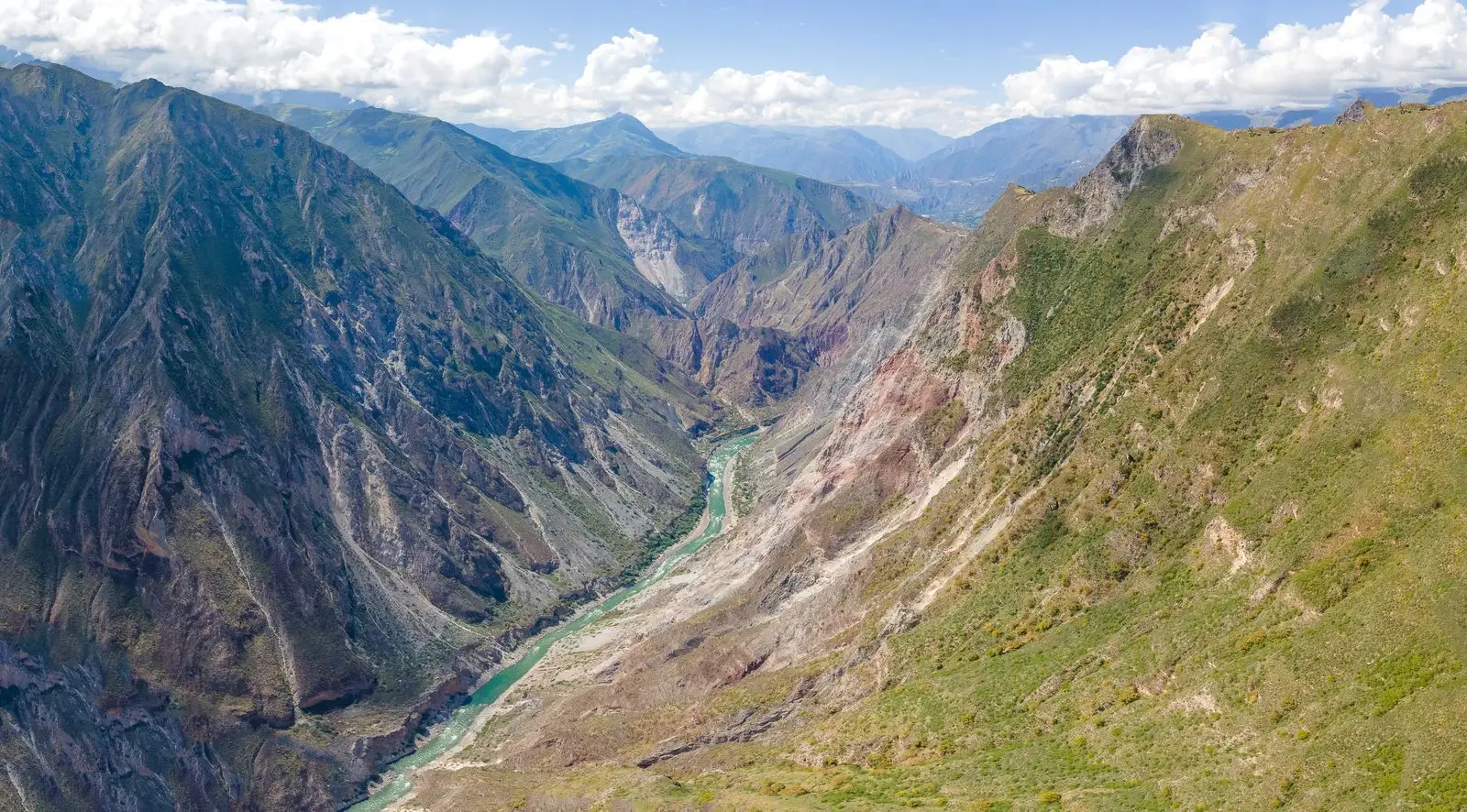
  • The Apurímac River winding through a deep green canyon near Curahuasi
    4 Days Trek

    Cachora to Choquequirao

    Choquequirao Trek 4 Days

    Down into the Apurímac Canyon and up to Choquequirao, a vast Inca site reached only on foot. A tough, rewarding trek with very few other visitors.

    • Demanding
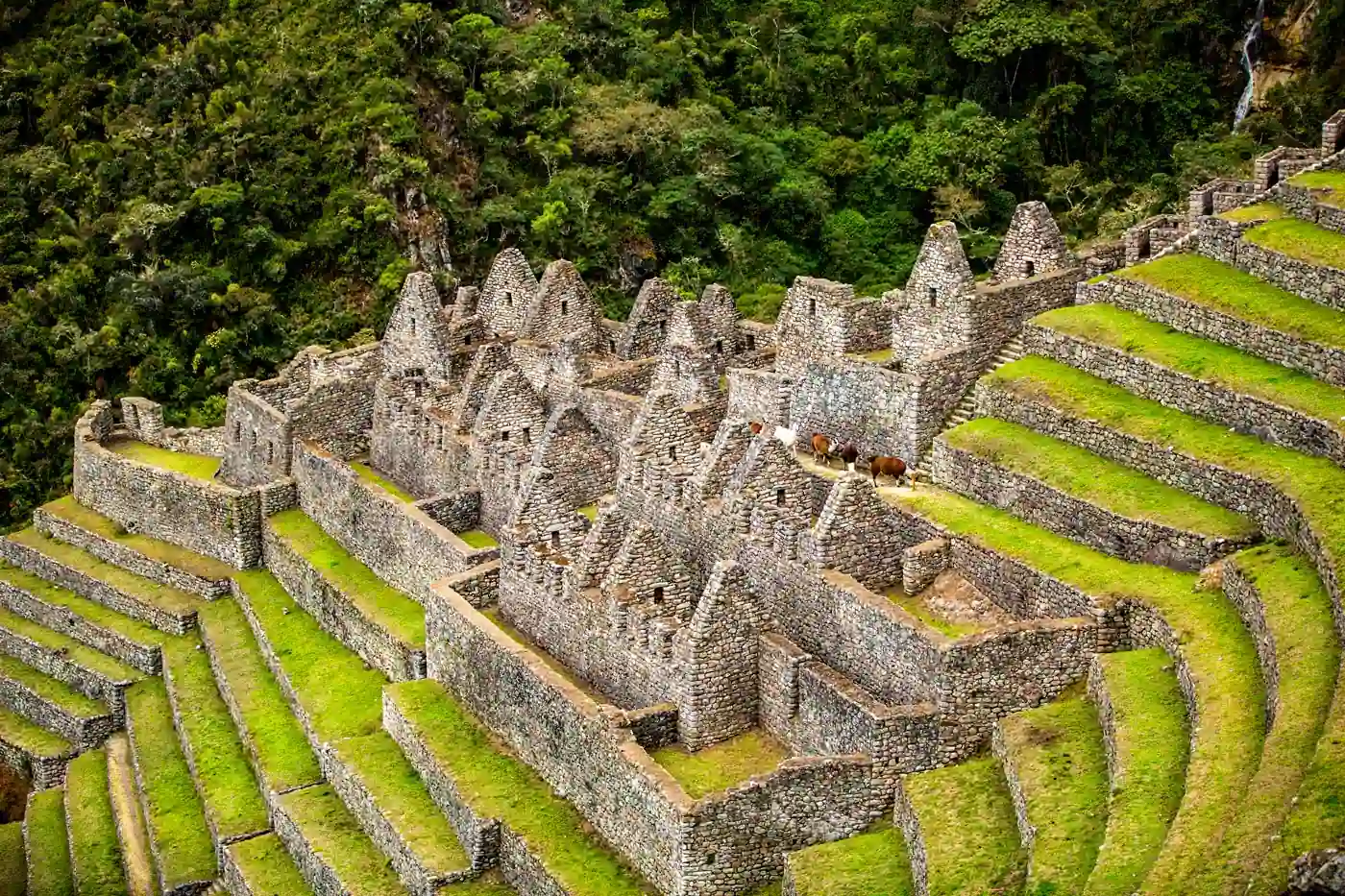
    • Remote Inca site
    Price On request

Deciding between four and five days on Salkantay? Our Salkantay Trek page compares the two routes in detail.

Side by side

Cusco Treks Compared

Our treks at a glance
TourDurationDifficultyHighest pointLandscape and characterMachu PicchuMay suit
Salkantay Trek 4 Days4 Days / 3 NightsChallenging4,600 m / 15,092 ftA glacier pass below a 6,000 m peak, then cloud forest and warm valleysEnds with a guided visitFit hikers who want big mountain scenery in four days
Salkantay Trek 5 Days5 Days / 4 NightsChallenging4,600 m / 15,092 ftThe same high pass, then coffee country and the Inca path over LlactapataEnds with a guided visit, after a distant first view from LlactapataHikers who prefer a gentler second half and more time in the valleys
Lares Trek 4 Days4 Days / 3 NightsModerate4,600 m / 15,092 ftHigh valleys, glacial lakes and Quechua farming and weaving communitiesTrain from Ollantaytambo, then a guided visitTravelers who want a quieter, cultural trek with one high pass
Ausangate Trek 4 Days4 Days / 3 NightsDemanding5,000 m / 16,404 ftRemote high country: glaciers, colored lakes, alpaca herds and passes near 5,000 mNot includedExperienced, acclimatized hikers comfortable with cold, basic camps
Choquequirao Trek 4 Days4 Days / 3 NightsDemanding3,050 m / 10,007 ftA deep canyon descent and climb to a vast Inca site reached only on footNot includedExperienced hikers ready for big elevation changes and heat

About the numbers: altitudes are approximate and vary between sources. Routes on the Lares and Ausangate treks differ from one operator to another, so we confirm your exact route, campsites and highest point with your quote.

Not sure which trek fits you?

Tell us about your hiking experience, your dates and how you handle altitude. We’ll suggest the routes that make sense for you.

How to choose

Matching a Trek to You

Altitude

Every trek here except Choquequirao spends serious time above 4,000 m (13,100 ft). Ausangate is the highest and the most sustained: the whole route stays around or above that height, with passes close to 5,000 m. Salkantay reaches about 4,600 m (15,100 ft) at its pass on the second day and then drops quickly into the forest. Lares spends most of its time between about 3,700 and 4,400 m, with a pass that’s usually a little higher. Choquequirao is the exception: the altitude is moderate, but the canyon floor is hot and the climbs are long.

Whichever you choose, plan on at least two or three nights in Cusco or the Sacred Valley before you start. A day hike a day or two before the trek is a useful test of how you handle the height, as long as it isn’t your first day in the mountains.

Fitness and pacing

The hardest single day is usually Salkantay’s pass day: eight to ten hours or more, with a long descent at the end. Choquequirao is hard in a different way, with a drop of about 1,400 m into the canyon and a climb of around 1,500 m out the other side, then the same again on the way back. Ausangate’s days are shorter, typically five to eight hours, but every hour is spent at altitude. Lares is the most moderate, with four to seven hours of walking on the main days. If long descents are hard on your knees, the 5-day Salkantay spreads the drop over more time.

Camping and comfort

All five treks include nights in tents, and the high camps are cold in the dry season, well below freezing on Ausangate. On Salkantay and Lares, the last night is in Aguas Calientes before your Machu Picchu visit. Ausangate and Choquequirao are camping from start to finish, with basic facilities. We confirm campsites and what’s provided with your quote.

Remoteness and crowds

Salkantay is the busiest of these routes, especially from May to September, although it still feels far wilder than the city. Lares is quieter, and Ausangate and Choquequirao see few other hikers on most days. If solitude is high on your list, those two are where to look.

Culture along the way

Lares may suit travelers who want to walk through places where people live and work: Quechua-speaking families farm, herd and weave along the route. On Ausangate you pass herding settlements and stone corrals in a landscape that’s sacred to the communities who live there. The 5-day Salkantay spends time in coffee-growing valleys, and Choquequirao’s reward is the Inca site itself, one of the largest in the region.

Trail style

Expect rocky, steep ground near Salkantay’s pass and soft forest paths below it; earth and stone paths through farmland on Lares; faint, rocky and sometimes boggy tracks on Ausangate; and long, loose switchbacks in the Apurímac Canyon. Boots with good ankle support and trekking poles help on all of them.
Machu Picchu

Treks That End at Machu Picchu

Both Salkantay routes and the Lares Trek finish with a night in Aguas Calientes and a guided visit of Machu Picchu. None of them uses Inca Trail permits, and they stay open in February, when the Inca Trail closes, although that’s the heart of the rainy season.

Ausangate and Choquequirao don’t include Machu Picchu. If you’d like both, we can add a visit by train before or after the trek; see our Machu Picchu tours.

Seasons

When to Trek

The dry season, roughly April or May to September or October, is the best time for every route here: clearer skies, firmer trails and the coldest nights. Ausangate is at its best from May to September, when the high passes are most reliable. From November to March, the rains bring mud, cloud and harder going, especially on the high passes.

Choquequirao access: the trail has been closed at times for maintenance, most recently in early 2026, when access was suspended from February and the Capuliyoc–Cachora route reopened in mid-April. We confirm the trail status before any booking.

Adventure routes

Inca Jungle: Bike, Hike and Rail Trail to Machu Picchu

Not a pure trek, but a popular active route: a long downhill ride from a high pass, hiking in warm valleys and a walk beside the railway to Aguas Calientes.

The Inca Jungle starts at Abra Málaga, a pass at about 4,316 m (14,160 ft), and descends quickly into subtropical valleys, so altitude matters less than on the treks above. It doesn’t use Inca Trail permits. Optional activities depend on the season and are only included when we confirm them for your dates. Four days give a more balanced pace; three work if your time is short.

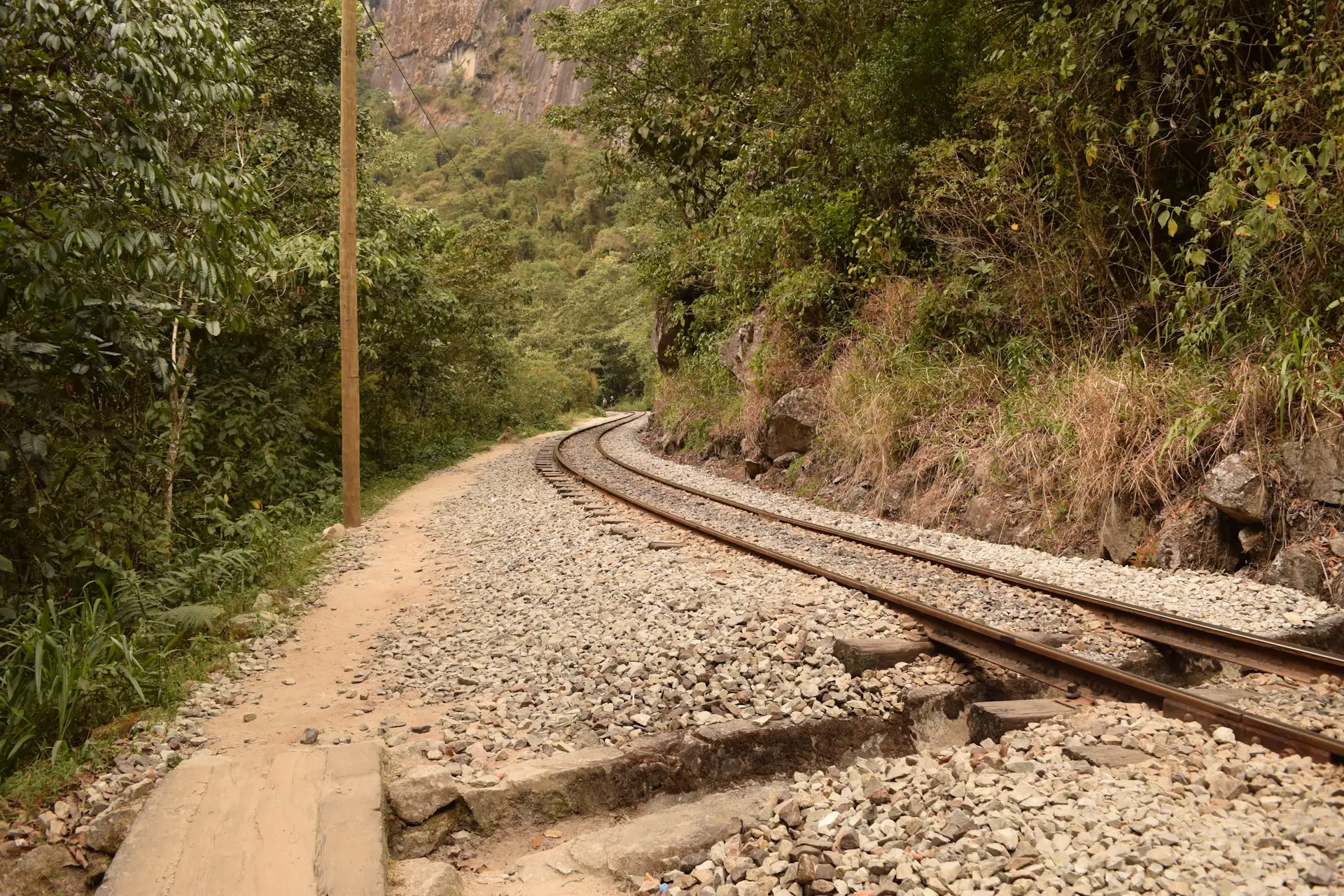
  • Walking path beside the railway through cloud forest near Aguas Calientes
    4 Days Adventure

    Cusco to Machu Picchu

    Inca Jungle 4 Days

    Mountain biking, valley hiking and natural hot springs on an active four-day route to Machu Picchu.

    • Moderate
    • Biking & hiking
    Price On request
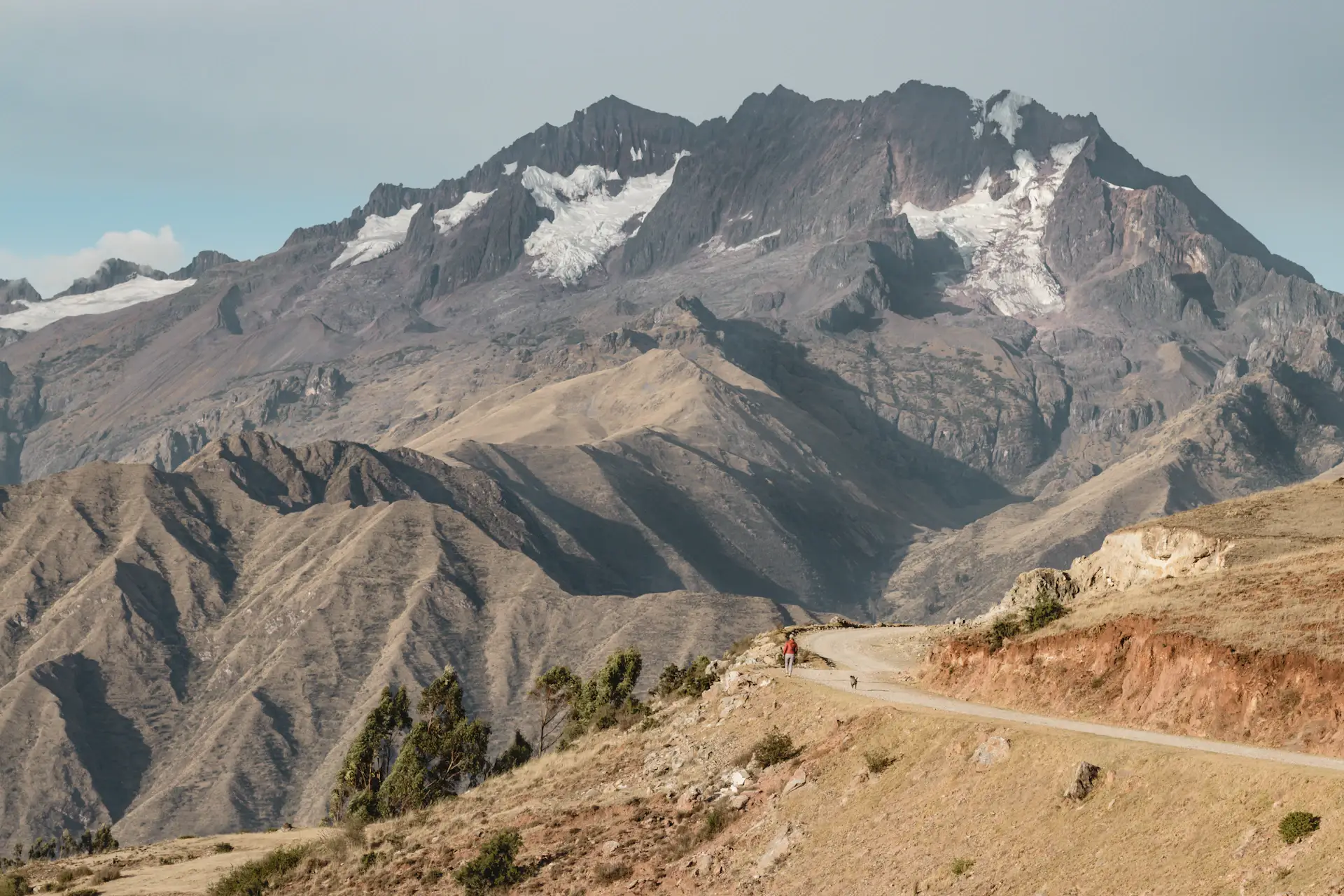
  • A mountain road below the glaciers of Chicón peak in the Sacred Valley
    3 Days Adventure

    Cusco to Machu Picchu

    Inca Jungle 3 Days

    The compact version of the Inca Jungle route: a downhill bike ride from the Andes, a day on the move toward Aguas Calientes and Machu Picchu on day three.

    • Moderate
    • Biking and hiking
    Price On request

Questions

Trekking Questions We Hear Often

Which Cusco trek is the least crowded?

Ausangate and Choquequirao see the fewest hikers; on many days you’ll share the trail with only a handful of people. Lares is quieter than Salkantay, which is the most popular alternative to the Inca Trail.

Do I need a permit for these treks?

They don’t use Inca Trail permits. Some routes have entrance tickets or community fees, and treks that end at Machu Picchu need a timed Machu Picchu ticket. Your quote explains exactly what’s included.

Which trek suits a first multi-day hike?

Lares may suit a first trek best: shorter days and a cultural focus, with one high pass. The 5-day Salkantay is another good option if you already hike regularly. Tell us about your experience and we’ll help you choose.

How long should I acclimatize before a trek?

At least two or three nights in Cusco or the Sacred Valley, taken easy, before any of these routes, and more for Ausangate. A shorter day hike a day or two before your trek is a good way to see how you feel at altitude.

Can I trek in the rainy season?

Salkantay and Lares stay open all year, including February. From November to March, expect mud, cloud and some wet days, and be ready for views that come and go. Ausangate and Choquequirao are best in the dry season.

Can I combine a trek with Machu Picchu or the Inca Trail?

Yes. Salkantay and Lares already end at Machu Picchu. After Ausangate or Choquequirao, many travelers add a visit by train, and if permits allow, some use a shorter trek as preparation for the Inca Trail. We’ll help you plan the order.

Travel Guide

Trekking Guides

All trekking guides
Plan your trip

Not Sure Which Trek to Choose?

Tell us about your hiking experience, your dates and how you handle altitude. We’ll suggest the routes that fit you best.