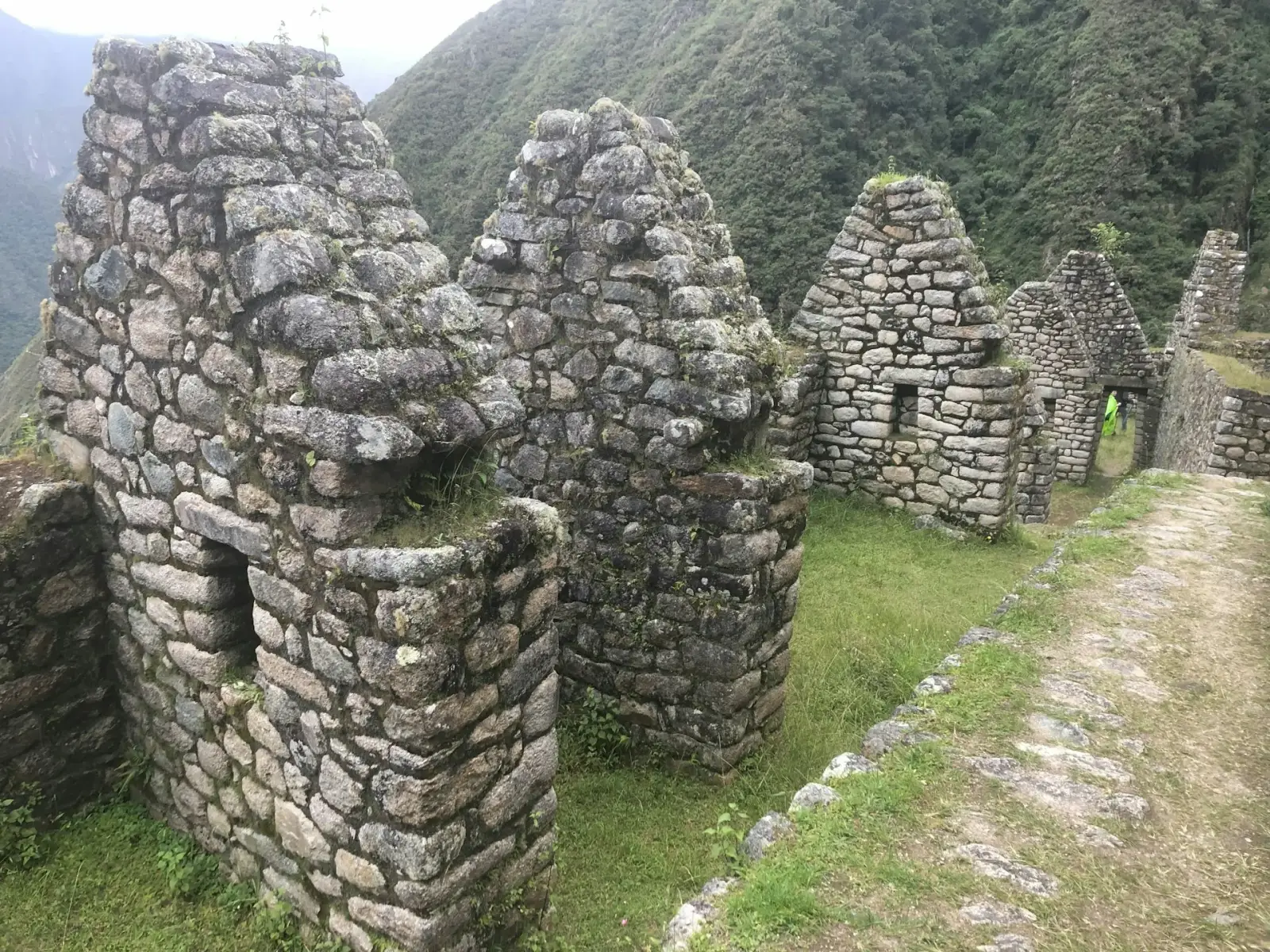
Classic Inca Trail 4 Days to Machu Picchu
- 4 Days
- 3 Nights
- Challenging
- Inca Trail
- Trekking
- Cusco to Machu Picchu
Four days on foot along the original Inca road, over high Andean passes and through cloud forest, arriving at Machu Picchu through the Sun Gate.
Trip facts
- Duration 4 Days / 3 Nights
- Difficulty Challenging
- Max altitude 4,215 m / 13,829 ft
- Best season April to October
- Distance 42 km / 26 mi on foot
- Meals Included on the trek
- Accommodation Camping (3 nights)
- Transportation Road, train and bus
- Guide Professional local guide
Overview
The Classic Inca Trail is the route most people picture when they think of hiking to Machu Picchu: four days on a stone road the Incas built more than five centuries ago, climbing out of the Urubamba Valley, crossing high passes and dropping through cloud forest to the Sun Gate. It covers roughly 42 km (26 miles) on foot, and almost every stretch passes something worth stopping for, from terraces and ruins to orchids and long views back down the valley.
What sets this route apart is that you arrive the way the Incas intended. Machu Picchu isn’t the start of the story here; it’s the end of a journey through a whole network of sites that most visitors never see, from Llactapata near the trailhead to Sayacmarca, Phuyupatamarca and the terraces of Wiñay Wayna on the final afternoon.
It’s a real trek. The second day climbs to Dead Woman’s Pass at 4,215 m (13,829 ft), there are long stone staircases in both directions, and nights at the higher camps are cold. You don’t need to be an athlete, but you should be comfortable walking six to eight hours a day at altitude, and you’ll enjoy it far more if you train beforehand and spend a few days acclimatizing in Cusco first. Still deciding? Our Inca Trail page compares this route with the two-day version.
Permits are the other thing to plan around. Peru’s Ministry of Culture caps the number of people allowed on the trail each day, permits are issued in each hiker’s name through licensed operators, and popular dates from May to August can sell out months ahead. The trail also closes every February for maintenance. Tell us your dates early, and our team in Cusco will check permit availability and build the rest of your trip around it.
This page describes the trek as it usually runs. Campsites, timings and the exact order of visits can shift with permit assignments, trail conditions and the size of your group, and we confirm every detail with you in writing before you book.
Highlights
- Walk the original Inca road for four days, much of it on stone paving and stairways built in the 1400s
- Cross Dead Woman’s Pass, the highest point of the trek at 4,215 m (13,829 ft)
- Explore Inca sites along the way, including Runkurakay, Sayacmarca and Phuyupatamarca
- Watch the landscape change from dry valley to high grassland and cloud forest
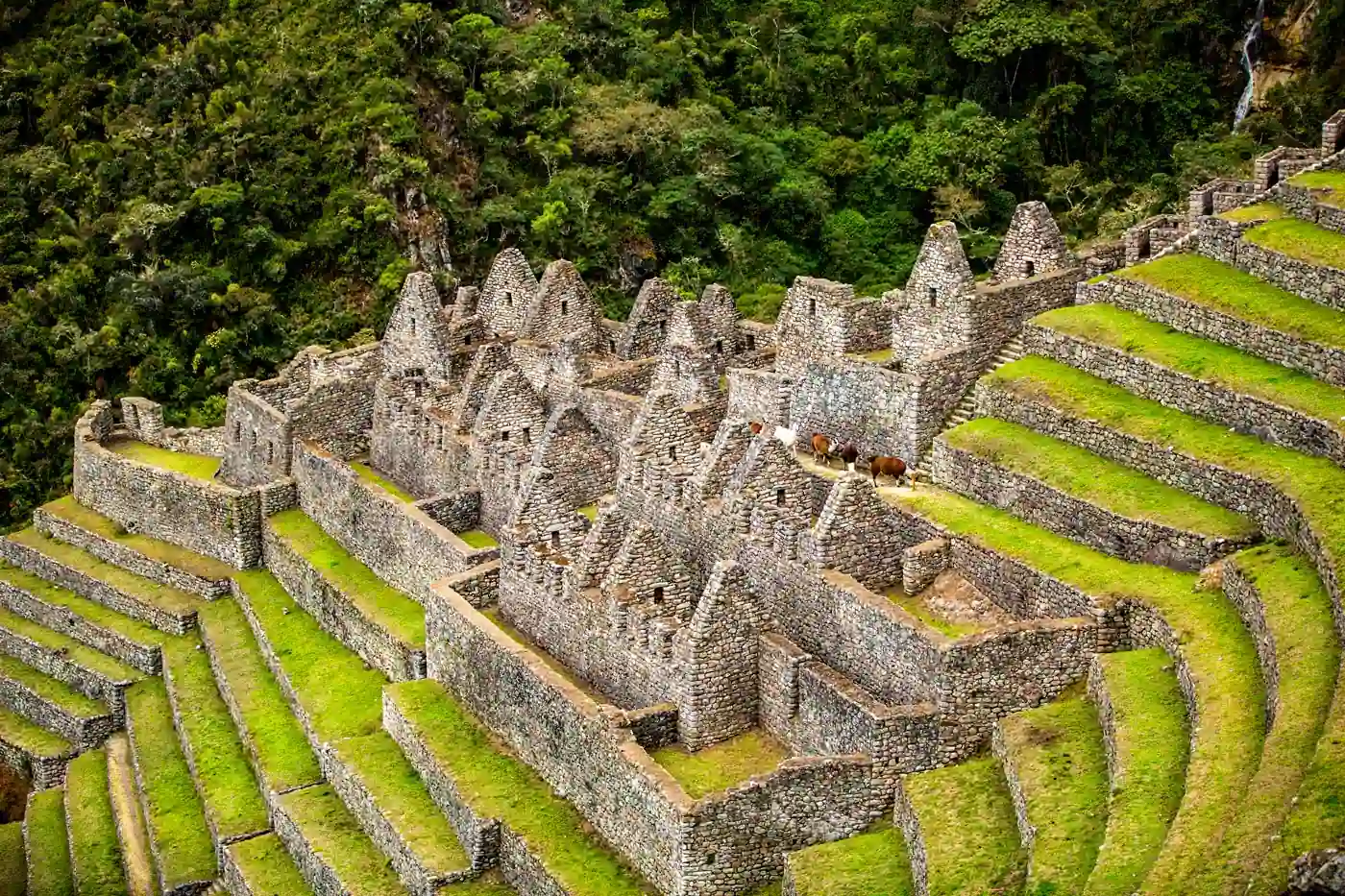
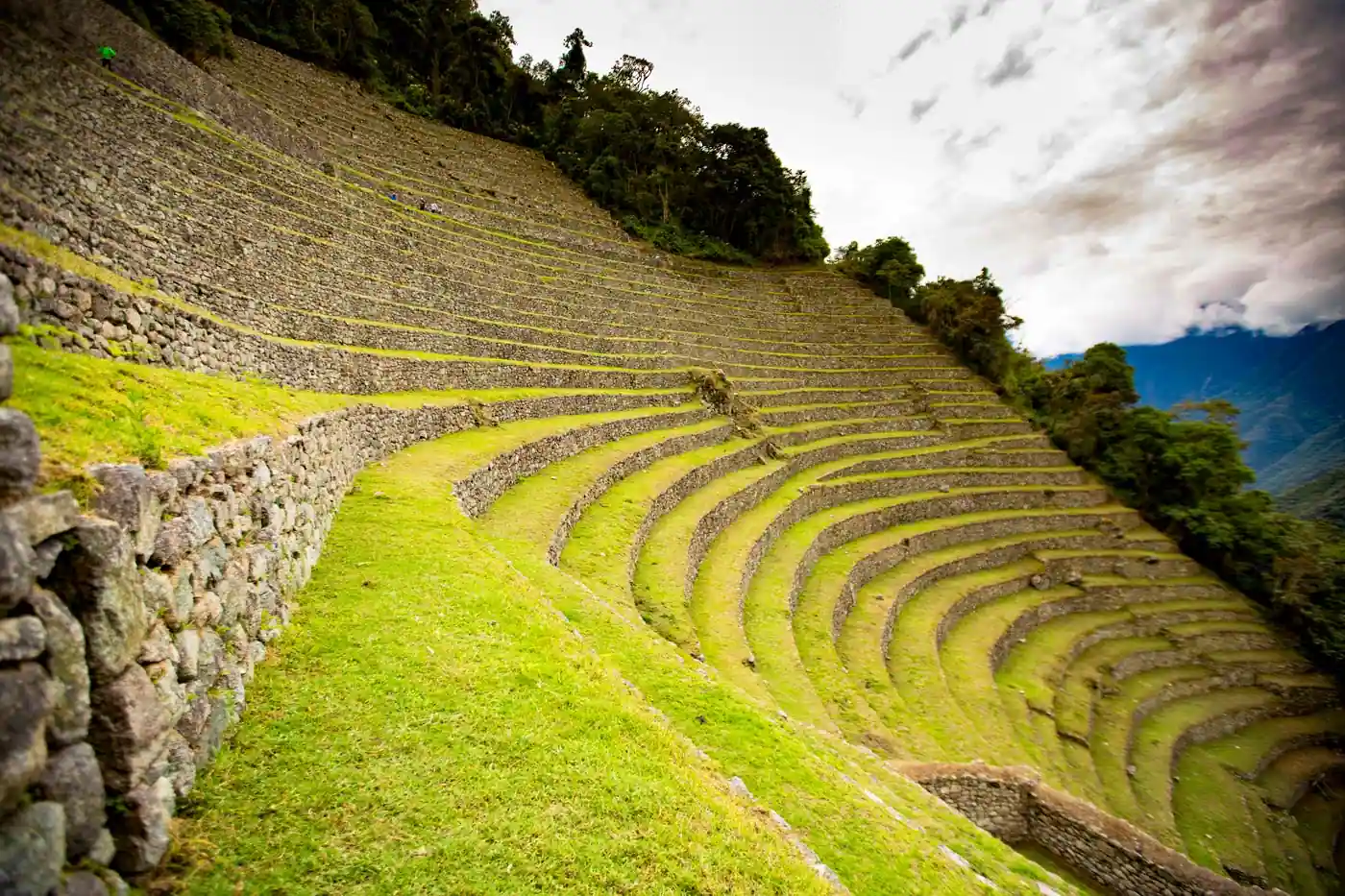
- See the curved terraces of Wiñay Wayna, one of the most striking sites on the trail
- Reach Machu Picchu on foot through Inti Punku, the Sun Gate
- Finish with a guided visit of Machu Picchu before the journey back to Cusco
Itinerary
Day 1:
Cusco to Km 82 and the first camp
An early drive to the trailhead at Km 82, then a gentle first day along the Urubamba Valley past the Inca site of Llactapata.Most departures leave Cusco before dawn for the drive through the Sacred Valley to Km 82 (Piskacucho), where the trail begins at about 2,700 m (8,860 ft). After the permit and passport check, you cross the Urubamba River and start walking.
The first day is a warm-up: mostly gentle, with a few short climbs, on a dusty trail that follows the river through dry valley scenery. The highlight is Llactapata, also called Patallacta, a large Inca settlement of terraces and buildings above the river that your guide explains from a viewpoint on the trail. The afternoon continues up the Kusichaca valley toward Wayllabamba, where local families still farm along the route.
Camp is set near Wayllabamba or a little higher at Ayapata, depending on the campsites assigned for your permit date.
- Starts
- Km 82 (Piskacucho)
- Ends
- Wayllabamba or Ayapata
- Meals
- Lunch, dinner
- Accommodation
- Campsite
Day 2:
Over Dead Woman’s Pass
The toughest day: a long, steady climb to Warmiwañusca at 4,215 m (13,829 ft), then a steep descent on stone steps to camp.Start early. The trail climbs through Polylepis woodland and then open grassland toward Warmiwañusca, or Dead Woman’s Pass, named for the shape of the ridgeline. The climb is long rather than technical, steady uphill on uneven stone for several hours, and the thinner air makes every step count. Your guide sets a pace that works for the group, with regular stops to breathe, drink and look back at how far you’ve come.
At the top, at 4,215 m (13,829 ft), you’re on the highest point of the whole trek, with views over both valleys. From there a long stone staircase drops into the Pacaymayo valley. Many hikers find the descent harder on the knees than the climb was on the lungs, so this is where trekking poles earn their place.
Depending on your permit, camp is either in the Pacaymayo valley or further on, after the second pass near Runkurakay. Expect a cold night: temperatures at the higher camps can drop close to freezing, especially from June to August.
- Starts
- Wayllabamba or Ayapata
- Ends
- Pacaymayo or Chaquicocha
- Meals
- Breakfast, lunch, dinner
- Accommodation
- Campsite
The pass is exposed and the weather can change quickly. Keep a warm layer and a rain jacket in your daypack.
Day 3:
Cloud forest and Inca sites
The most varied day of the trek, past Runkurakay, Sayacmarca and Phuyupatamarca, ending near the terraces of Wiñay Wayna.Day three is when many hikers fall for the trail. If you camped in Pacaymayo, the morning starts with the climb to the second pass, at about 3,950 m (12,960 ft), stopping at Runkurakay, a round Inca structure overlooking the valley. From there the path is some of the best preserved on the route: original paving, stone stairways and even a short tunnel cut through the rock.
Sayacmarca, perched on a spur of rock, and Phuyupatamarca, the “town above the clouds,” are the major sites of the day, and on a clear afternoon you can see the snowcapped peaks of the Vilcabamba range. After Phuyupatamarca the trail drops through thick cloud forest, with moss, ferns, bromeliads and orchids in season, down a long flight of steps toward Wiñay Wayna.
Camp tonight is close to Wiñay Wayna, and if time allows, your guide will take you to see its curved terraces in the late light. It’s an early night: the last morning starts before dawn.
- Starts
- Pacaymayo or Chaquicocha
- Ends
- Wiñay Wayna
- Meals
- Breakfast, lunch, dinner
- Accommodation
- Campsite
Day 4:
Sun Gate and Machu Picchu
A pre-dawn start to the Sun Gate for your first view of Machu Picchu, a guided visit of the citadel and the journey back to Cusco.The final checkpoint near Wiñay Wayna opens early, so the day begins in the dark with a quick breakfast. From the checkpoint it’s about an hour and a half along a narrow, mostly level path, with one short and very steep set of steps near the end, to Inti Punku, the Sun Gate. On a clear morning this is where Machu Picchu appears below you for the first time, with Huayna Picchu rising behind it.
From the Sun Gate you walk down into Machu Picchu for your guided visit. Entry routes inside the site are set by Peru’s Ministry of Culture, and your guide leads the visit along the circuit assigned to Inca Trail hikers for your date. Afterward, you take the bus down to Aguas Calientes for lunch and free time before the train back through the Urubamba Valley and the road transfer to your hotel in Cusco, usually arriving in the evening.
- Starts
- Wiñay Wayna
- Ends
- Cusco
- Meals
- Breakfast
Large backpacks, trekking poles and food aren’t allowed inside Machu Picchu. Your guide will explain how to handle your bags before you enter.
What’s Included
Included
- Inca Trail permit and Machu Picchu entry ticket
- Professional local guide for the trek and the Machu Picchu visit
- Early-morning transfer from your hotel in Cusco to the trailhead at Km 82
- Camping equipment: tents, sleeping mats, dining and kitchen tents
- Meals on the trek, prepared by the trail cook
- Porters to carry the group’s camping and cooking equipment
- Drinking water refills on the trail (boiled and cooled)
- Bus from Machu Picchu down to Aguas Calientes
- Train through the Urubamba Valley and road transfer back to Cusco
- First-aid kit carried by the guide
Not included
- Flights, and hotels in Cusco before and after the trek
- Sleeping bag (bring your own or ask us about rentals)
- Lunch on the final day in Aguas Calientes
- Extra porter for your personal gear (ask us about this option)
- Travel insurance (strongly recommended)
- Tips for guides, cooks and porters
We confirm every inclusion in writing with your quote, so you know exactly what’s covered before you book.
What to Bring
Documents
- Original passport, the same one used to book your permit
- Travel insurance details and emergency contacts
- Student card, if your permit was booked at a student rate
Clothing
- Broken-in hiking boots with good ankle support
- Warm layers for cold nights: fleece or light down jacket, hat and gloves
- Rain jacket and rain pants, or a poncho
- Quick-dry hiking pants and shirts
- Comfortable clothes and sandals for camp
Gear
- Daypack (20–30 liters) with a rain cover
- Sleeping bag rated for near-freezing nights, if you’re not renting one
- Headlamp with spare batteries, plus a power bank
- Trekking poles with rubber tips (they can’t go inside Machu Picchu, so plan to store them)
- Water bottles or a hydration bladder (about 2 liters)
Health & personal
- Sunscreen, sunglasses and a sun hat
- Insect repellent for the cloud forest
- Personal medication, blister care and any altitude medication your doctor recommends
- Toilet paper, hand sanitizer and a small bag to carry out your trash
- Some cash in Peruvian soles for tips and snacks
Food, Lodging & Transport
Food & meals
Meals on the trail are cooked fresh by the trek’s cook and served in a dining tent: a hot breakfast, lunch and dinner each day, with snacks for the trail and hot drinks at camp. Expect meals built around Peruvian staples like quinoa, potatoes, rice, vegetables and chicken, alongside familiar comfort food.
Vegetarian, vegan and most other dietary needs can be accommodated with notice. Tell us when you book so the cook can plan and shop before the trek.
Accommodation
You spend three nights camping at official Inca Trail campsites. Campsites are assigned together with your permit, which is why the exact camp for each night can vary. Tents are set up before you arrive, with a dining tent for meals.
Facilities are basic: shared toilet blocks, no electricity and, at most sites, no showers. Bring a headlamp and a power bank, and pack a warm sleeping bag. At the higher camps, temperatures often fall close to 0 °C (32 °F) in the dry season.
Transportation
The trek begins with a road transfer from Cusco through the Sacred Valley to Km 82, usually leaving before dawn. At the end, you take the shuttle bus from Machu Picchu down to Aguas Calientes, then the train through the Urubamba Valley, followed by a road transfer back to your hotel in Cusco. Train times and the connection point are confirmed with your booking.
Difficulty & Altitude
- Difficulty
- Challenging
- Highest point
- 4,215 m / 13,829 ftDead Woman’s Pass (Warmiwañusca)
Fitness
We rate the Classic Inca Trail as challenging. The distance itself is manageable, around 42 km (26 miles) over four days, but the terrain is steep and uneven and most of it is above 2,500 m (8,200 ft). Day two is the hardest by far, with a climb of up to about 1,200 m (3,900 ft) to the pass, depending on where you camp, followed by a long descent on stone steps.
You’ll be fine if you’re comfortable hiking for several hours on consecutive days. In the months before your trip, regular hikes with some elevation gain, stair climbing and leg-strength training make a real difference, especially for the descents. If you have knee trouble, bring trekking poles.
Not sure it’s the right fit? Tell us about your group’s hiking experience and we’ll help you compare it with the Short Inca Trail or a train journey to Machu Picchu.
Altitude
Cusco sits at about 3,400 m (11,150 ft), and the trail tops out at 4,215 m (13,829 ft) on Dead Woman’s Pass. Altitude affects everyone differently, regardless of fitness, so the most useful thing you can do is give your body time.
We recommend arriving in Cusco at least two full days before the trek, and three is better. Take the first day easy, drink plenty of water, eat light meals and go easy on alcohol. Spending a night or two in the Sacred Valley, which is lower than Cusco, is a comfortable way to adjust. Talk to your doctor about altitude medication before you travel, especially if you have a heart or lung condition.
On the trail, your guide watches for signs of altitude sickness and sets the pace accordingly. Mild headaches and shortness of breath on the climbs are common. Symptoms that get worse are a reason to slow down or descend, never to push on.
Permits, Tickets & Rules
The Inca Trail runs through the Machu Picchu Historic Sanctuary, and access is controlled by Peru’s Ministry of Culture. A few things are worth knowing before you choose your dates:
- Permits are limited. Only a set number of people can start the trail each day, and that number includes guides, cooks and porters as well as hikers.
- Permits are personal. They’re issued through licensed operators in each hiker’s name and passport number and can’t be transferred to someone else. Bring the same passport on the trek; it’s checked at control points.
- Everyone hikes with a guide. Independent hiking isn’t allowed on the Inca Trail.
- Popular dates sell out. Permits are released months ahead, and May to August is the busiest period. For those months, plan well in advance.
- The trail closes in February. The Inca Trail network closes each February for maintenance and conservation work and reopens in March.
- Your Machu Picchu route is set. Visitors arriving on the Inca Trail enter Machu Picchu on the circuit designated for them by the Ministry of Culture. Your guide will explain what you’ll see on that route.
Rules and ticket systems in the sanctuary change from time to time. We follow the current regulations and will tell you about anything that affects your trip.
Traveling with Family
The Classic Inca Trail can be a wonderful family trip for active teenagers and adults who already enjoy multi-day hiking. The long days, the altitude, the cold nights and the early starts make it demanding for younger children.
If you’re traveling with kids, think about how they handle long walks, sleeping in a tent and going three nights without a warm shower. Many families find the Short Inca Trail, which reaches the Sun Gate in a single hiking day and ends at a hotel, a better fit.
There’s no single right answer, so ask our team about suitability for your family. We’ll talk through ages, experience and pace, and suggest the option that suits everyone.
Frequently Asked Questions
How difficult is the Classic Inca Trail?
It’s a challenging trek, mostly because of the altitude and the stone steps rather than the distance. Day two, over Dead Woman’s Pass, is the hardest. If you hike regularly and train for a couple of months beforehand, you can do it at a comfortable pace.
How far in advance should I book?
As early as you can. Permits are limited and issued by name, and dates from May to August often sell out months ahead. Tell us your preferred dates and we’ll check what’s still open before you commit.
Can I hike the Inca Trail without a tour operator?
No. Every hiker needs a permit booked through a licensed operator and must walk with an authorized guide. Independent hiking isn’t allowed on the Inca Trail.
Is the Inca Trail open all year?
It’s open every month except February, when it closes for maintenance. The drier months, from about April to October, are the most popular; from November to March you can expect rain, especially in the afternoons.
What is the weather like on the trail?
Days are often sunny in the dry season, but nights at the higher camps can drop close to freezing. In the rainy season, trails get wet and the stone steps slippery. The cloud forest is humid year-round, and weather in the mountains can change within an hour, so pack layers and rain gear whatever the month.
Do I have to carry all my own gear?
No. Porters carry the group’s tents, kitchen and food. You carry a daypack with water, snacks, layers and your camera. If you’d like help with your personal gear, ask us about adding an extra porter; the weight allowance is confirmed with your booking.
What happens if I feel the altitude on the trail?
Your guide keeps an eye on everyone, carries a first-aid kit and adjusts the pace. Mild symptoms usually settle with rest and water. If symptoms become serious, the only real treatment is to descend, and your guide will organize that.
Are there toilets and showers?
There are basic toilet facilities at the campsites and some rest areas, but most campsites have no showers. Bring toilet paper, hand sanitizer and a small bag for your trash.
Where do I leave my main luggage?
Most hotels in Cusco will store luggage while you trek. Bring only what you need for four days, since everything beyond your daypack travels with the porters.
Do I need travel insurance?
We strongly recommend it. Choose a policy that covers trekking up to about 4,300 m (14,100 ft), medical treatment and emergency evacuation.
Route
Route map coming soon
Route at a glance
- Cusco
- Km 82 (Piskacucho), about 2,700 m (8,860 ft)
- Llactapata
- Wayllabamba, about 3,000 m (9,840 ft)
- Dead Woman’s Pass, 4,215 m (13,829 ft)
- Pacaymayo valley
- Runkurakay
- Sayacmarca
- Phuyupatamarca
- Wiñay Wayna
- Inti Punku (Sun Gate)
- Machu Picchu, about 2,430 m (7,970 ft)
- Aguas Calientes, then back to Cusco
The trail runs roughly 42 km (26 miles) from Km 82 to Machu Picchu and crosses three passes along the way. A detailed route map with an elevation profile is being prepared.
Tour Video
Our video for this tour is coming soon. Until then, we’re happy to answer your questions on WhatsApp or by email.
Travel Tips for This Trip
Why DSL Adventures
Planned by a Local Team in Cusco
-
Based in Cusco
Your trip is planned by people who live here and know the region’s seasons, roads and trails.
-
Local Guides
Guides from the region who know the trails, the history and the communities along the way.
-
Direct Communication
One conversation with the team organizing your trip, from your first question to your last day.
-
Personalized Planning
Dates, pace and details shaped around your group.
-
Visual Storytelling
Photos and stories from our routes help you picture each day before you go.
 2 Days Inca Trail
Cusco to Machu Picchu
Short Inca Trail 2 Days
The final stretch of the Inca Trail in a single hiking day, past Wiñay Wayna to the Sun Gate.
Price On request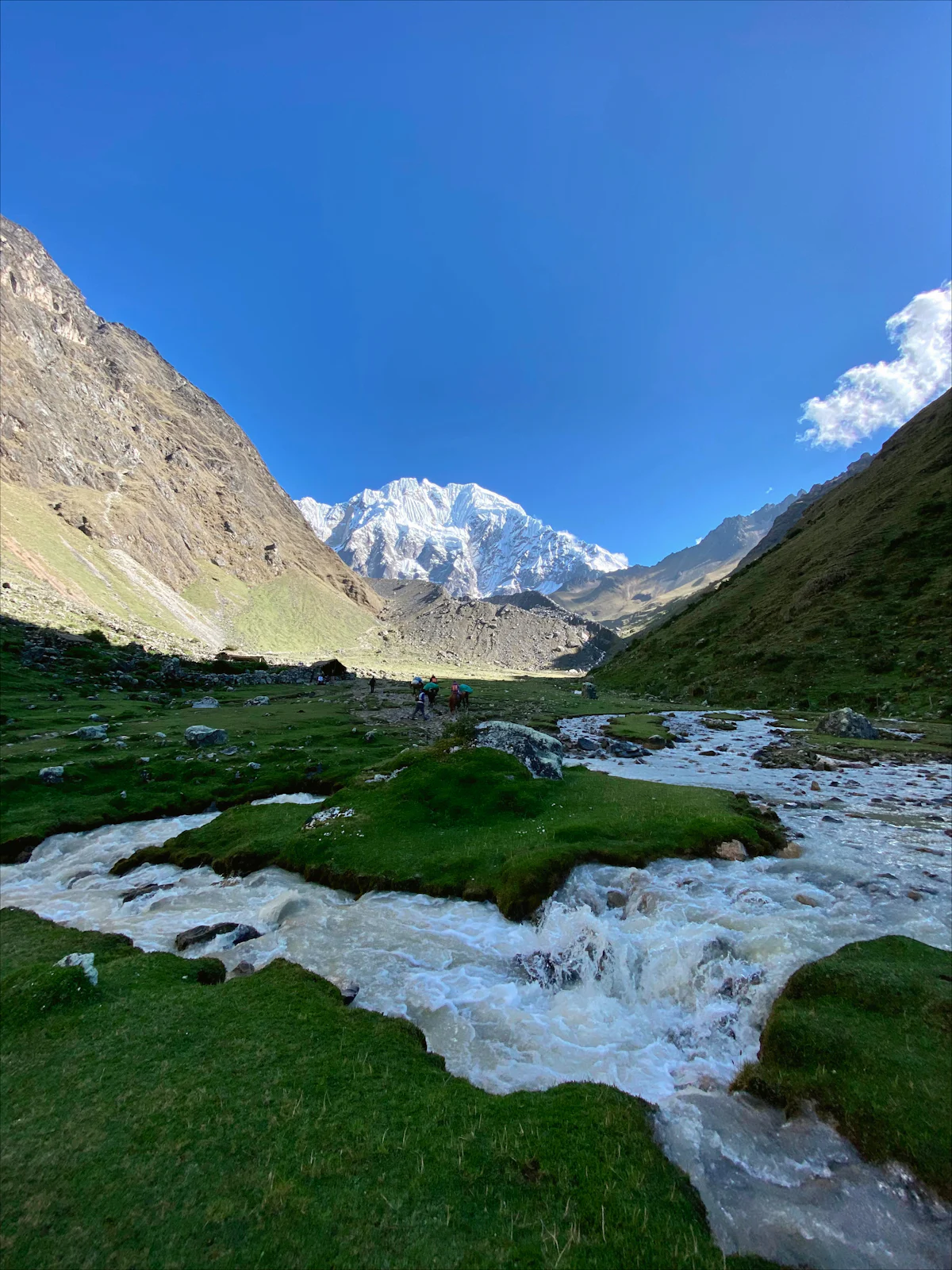 5 Days Trek
Salkantay and Llactapata to Machu Picchu
Salkantay Trek 5 Days
The full-paced Salkantay route: the same high pass, then two shorter days through coffee country and over Llactapata, with a first view of Machu Picchu.
Price On request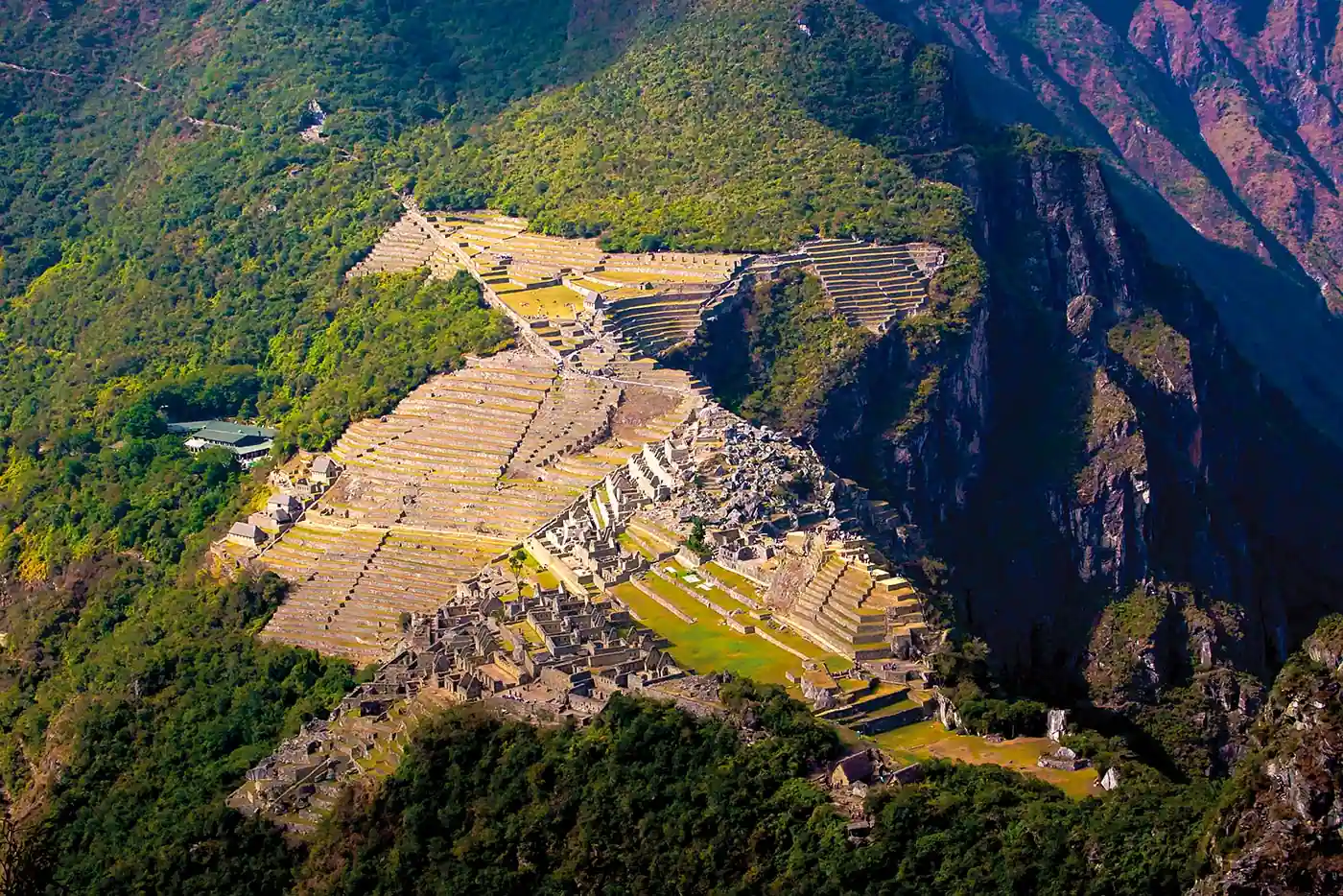 2 Days Machu Picchu
Cusco to Machu Picchu
Machu Picchu 2 Days
Two days instead of one: the train to Aguas Calientes, a night at the foot of the mountain and an early, unhurried visit to Machu Picchu.
Price On request
Plan your trip
Let’s Plan Your Trip Together
Tell us your dates, who’s traveling and what you’d like to see. Our team in Cusco will reply with availability, ideas and clear next steps.