Machu Picchu Circuits Explained: Which Route Should You Choose?
Three circuits, ten routes and no switching once you’re inside. What each Machu Picchu route covers, how hard it is, and which one fits your visit.
In this guide9 sections
The short answer
Since June 2024, every Machu Picchu ticket is for one of three circuits, divided into ten routes, and you can’t switch once inside. Circuit 2 (the classic circuit) is the most complete walk through the citadel and the usual first choice. Circuit 1 is for the high, panoramic views; Circuit 3 is the flatter royal sector, and it’s also the circuit for Huayna Picchu.
Machu Picchu used to be a place where you could wander freely. To protect the site and spread visitors through the day, Peru’s Ministry of Culture now manages it as a set of one-way routes, each with its own entry times and daily limits. Choosing the right one is the most important decision you make when you book, so it’s worth understanding before you buy.
This guide explains the system as the Ministry of Culture describes it. If you’re still deciding how to get there and how long to stay, start with our overview of Machu Picchu tours.
How the Circuit System Works
The Ministry of Culture introduced three circuits with ten routes on June 1, 2024, replacing the earlier five circuits. A few rules apply to all of them:
- One ticket, one route. Your ticket is for a specific date, entry time, circuit and route, in your name. Inside, you follow the signs for your route.
- One way. Routes run in one direction, and you can’t go back or cross into another circuit.
- Timed entry and a time limit. You enter within the time slot on your ticket and have a set amount of time for your route.
- Some routes are seasonal. Four routes only open in the high season, on the dates the Ministry sets.
- Daily limits. Each route has its own capacity, and the mountain routes have far fewer spaces than the rest.
Rules can change
The Ministry of Culture adjusts the circuits, capacities and ticket rules from time to time; the regulations were modified again in September 2026. We check them before every booking and list the official sources at the end of this guide.
The Three Circuits and Ten Routes
| Route | Circuit | What it covers | Effort |
|---|---|---|---|
| 1-A: Machu Picchu Mountain | 1, Panoramic | The long climb up the mountain above the citadel, plus the upper terraces | Hard |
| 1-B: Upper Terrace | 1, Panoramic | The high viewpoints over the citadel, without the town below | Moderate |
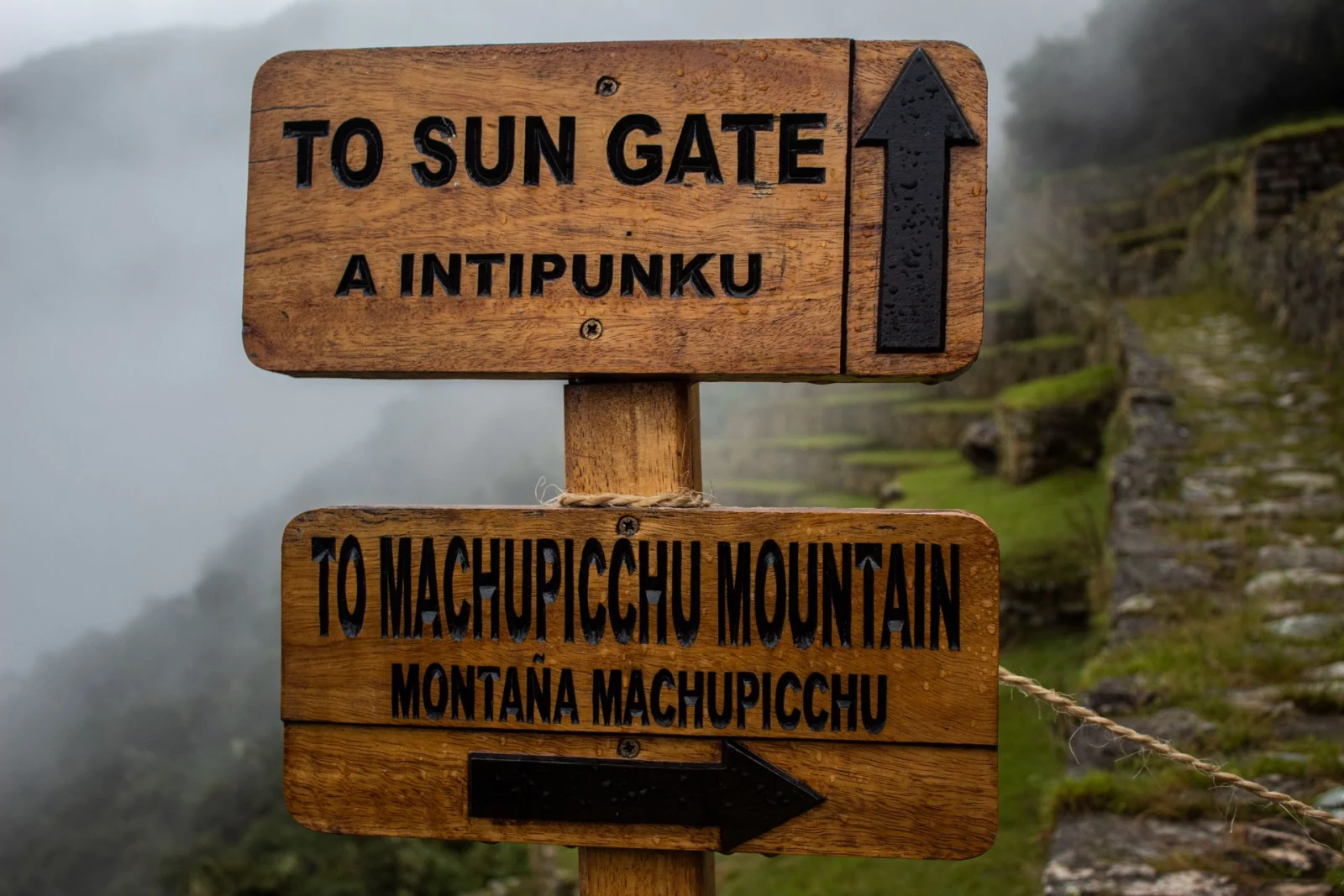
| 1-C: Sun Gate (Intipunku) | 1, Panoramic | The walk up to the Sun Gate on the Inca Trail; high season only | Moderate to hard |
| 1-D: Inca Bridge | 1, Panoramic | A cliffside path to the Inca drawbridge; high season only | Moderate |
| 2-A: Classic designed route | 2, Classic | Terraces and the whole urban sector, with views over the site | Moderate |
| 2-B: Lower Terrace | 2, Classic | A shorter walk from the lower terraces through the urban sector | Moderate |
| 3-A: Huayna Picchu | 3, Royalty | The steep peak behind the citadel, then the royal sector | Very hard |
| 3-B: Royalty designed route | 3, Royalty | The Temple of the Sun, the House of the Inca and the Temple of the Condor | Easy |
| 3-C: Great Cavern | 3, Royalty | A long trail to the Great Cavern on the far side of Huayna Picchu; high season only | Hard |
| 3-D: Huchuy Picchu | 3, Royalty | The small peak next to Huayna Picchu; high season only | Moderate |
Circuit 1: Panoramic
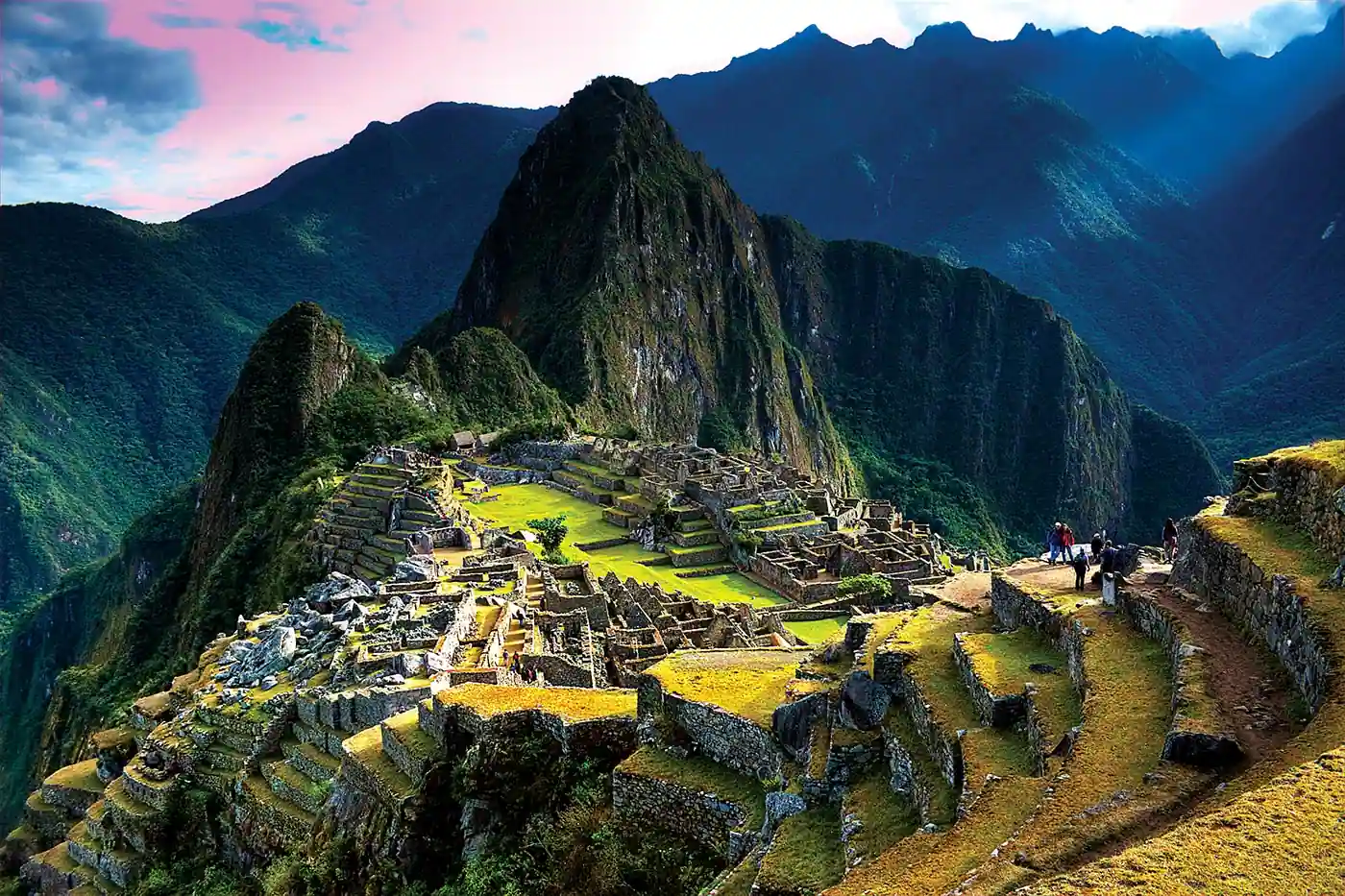
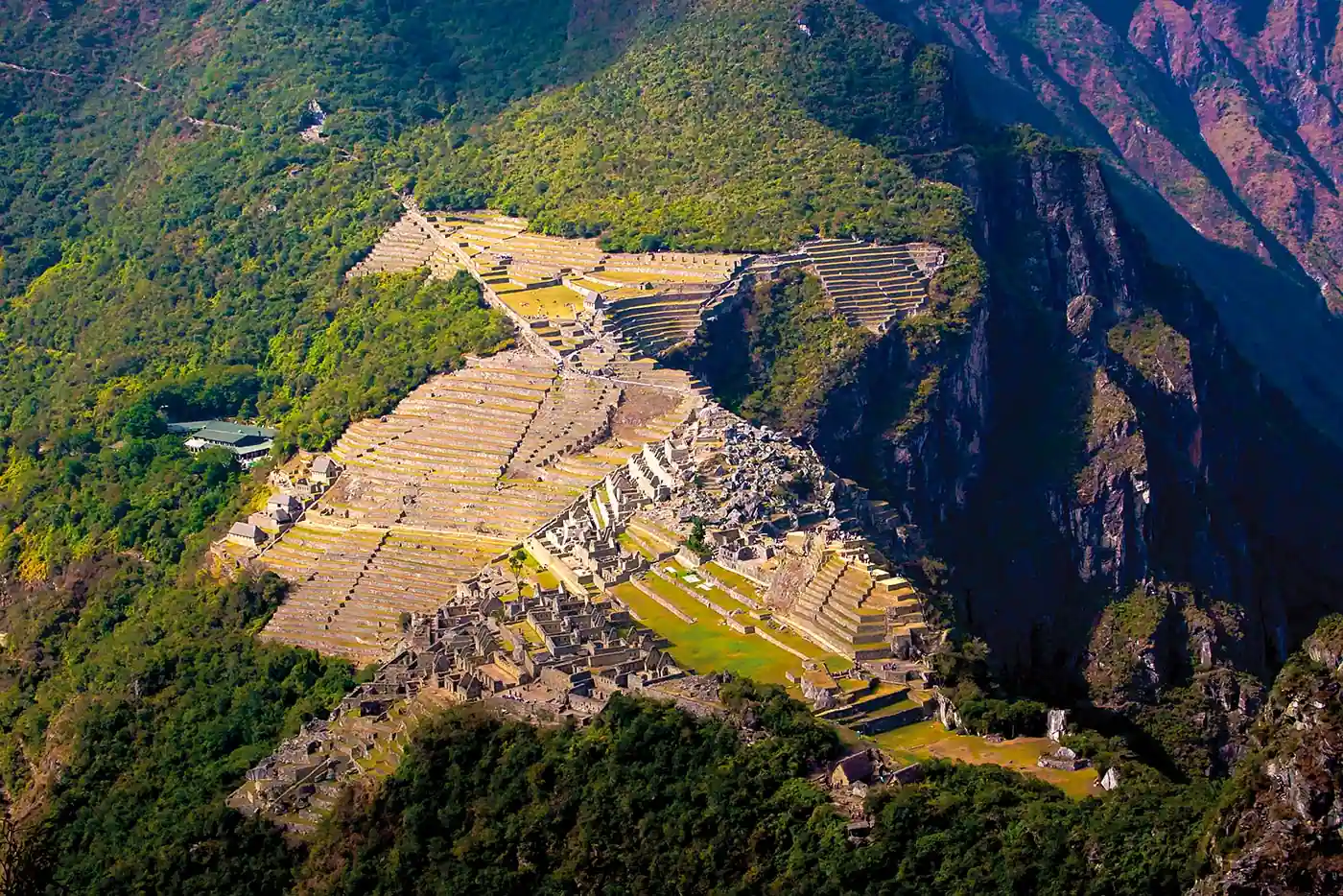
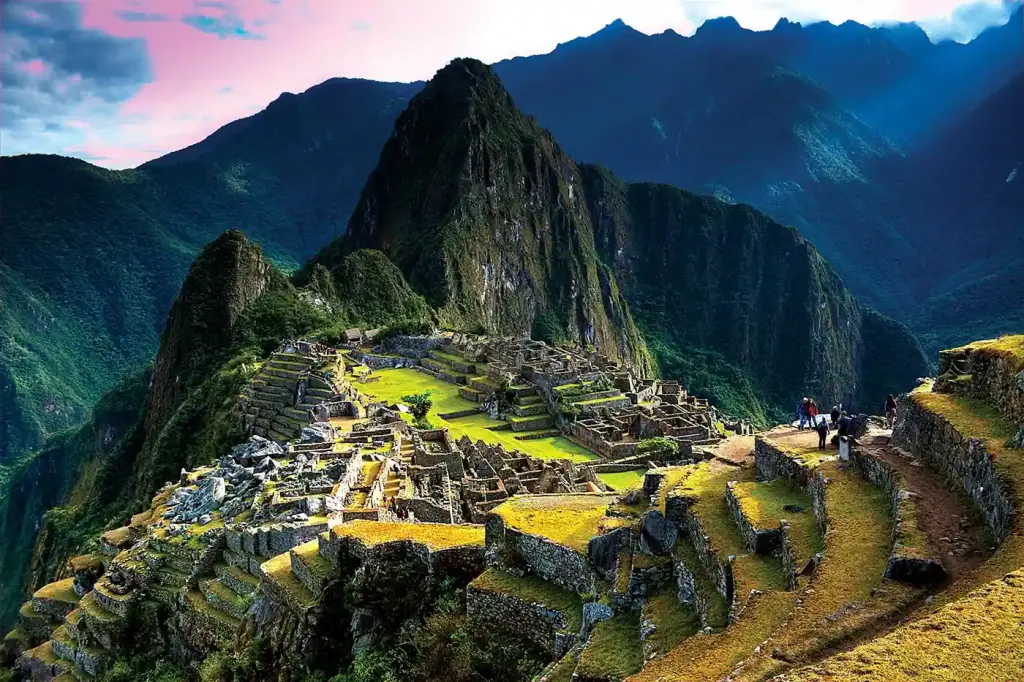
Circuit 1 takes you to the highest parts of Machu Picchu for wide views of the citadel and the mountains around it. Its routes follow narrow paths above the town rather than through it. It’s the circuit for the classic high view, and for travelers who want to add Machu Picchu Mountain.
Circuit 2: Classic
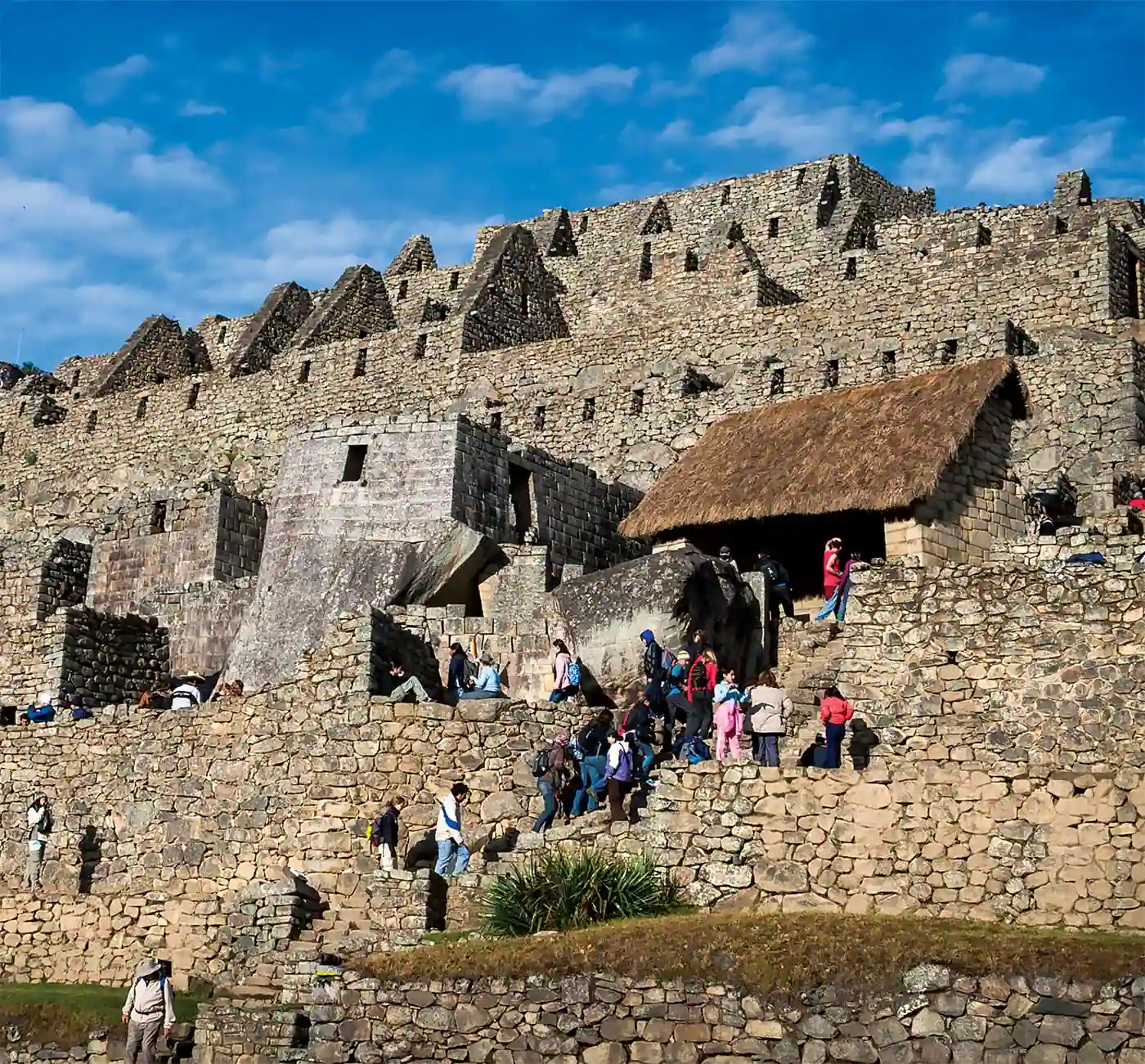
Circuit 2 combines the middle terraces with the whole urban sector: the houses, the plazas and the spaces used to observe the sky. It’s the most complete visit of the town itself and the one most first-time visitors choose. The effort is moderate: plenty of stone steps, but no mountain climbs.
Circuit 3: Royalty
Circuit 3 focuses on the most sacred and important buildings of the Inca elite, including the Temple of the Sun, the House of the Inca and the Temple of the Condor, in the lower part of the site. The designed route asks for little physical effort. The same circuit also holds the routes to Huayna Picchu, Huchuy Picchu and the Great Cavern, which demand much more time and energy.
Which Circuit for Photos, History or Families?
There’s no single best circuit, only the best one for what you want from the day.
- First visit, one ticket: Circuit 2, usually Route 2-A. It gives you the fullest walk through the town, and your guide can explain how the city worked.
- The famous high view: Circuit 1, Route 1-B, if the panorama matters more to you than walking through the streets.
- Temples and stonework, with less effort: Circuit 3, Route 3-B. It’s a flatter route, a good choice for older travelers, families with small children or anyone with limited mobility.
- A real hike: Route 1-A for Machu Picchu Mountain, or Route 3-A for Huayna Picchu. In the high season, Routes 3-D (Huchuy Picchu) and 1-C (Sun Gate) are shorter alternatives.
Some travelers buy two tickets on different circuits, often on two days, to see the site from above and from within. That works well on a two-day Machu Picchu tour with a night in Aguas Calientes.
Adding Huayna Picchu, Machu Picchu Mountain or Huchuy Picchu
The peaks are separate routes with their own tickets and much smaller daily limits, so they sell out first. Each is a different kind of hike.
Huayna Picchu (Route 3-A) is the pointed peak behind the citadel, about 2,700 m (8,900 ft) high. The climb is short but very steep, on narrow Inca stairways with exposed sections and drop-offs. It isn’t comfortable for anyone with a fear of heights, and it’s the ticket that disappears fastest.
Machu Picchu Mountain (Route 1-A) rises on the opposite side, to just over 3,000 m (about 10,000 ft). The climb is longer and steadier, on wide stone steps with less exposure, and the view looks back over the citadel, the river and Huayna Picchu.
Huchuy Picchu (Route 3-D), open only in the high season, is a small peak beside Huayna Picchu: a shorter, easier climb with a close view of the citadel.
All three add hours to your visit and a lot of stairs. If you’re arriving on a trek, you may be happy without them.
How Long a Visit Takes
A guided visit on the classic or royal routes usually takes two to three hours at an unhurried pace, with stops to explain the buildings. Each ticket has a maximum time for its route, printed with your ticket, and the mountain routes allow more time because the climbs take hours.
If you add Huayna Picchu or Machu Picchu Mountain, plan for most of a morning, and remember that the climb comes on top of the stairs inside the citadel. On a day trip from Cusco, the train schedule limits how much you can fit in; with a night in Aguas Calientes you can take your time.
Choosing an Entry Time
You choose an entry time when you buy the ticket, and it matters as much as the route:
- Early entries have the most atmosphere, with mist often lifting off the ruins, and they suit travelers staying overnight in Aguas Calientes.
- Late morning and midday entries usually bring the clearest views and fit the trains from Cusco and Ollantaytambo on a day trip.
- Afternoon entries often feel calmer, with softer light, but leave less margin for the return train.
For the peaks, entry times are fixed and limited, so book them first and plan the rest around them. Our guide to the best time to visit Machu Picchu looks at seasons and light in more detail.
If You Arrive on the Inca Trail
Hikers don’t buy a separate circuit ticket. Their visit to the citadel is part of the Inca Trail permit, with its own daily allocation. Under the current regulation, visitors who arrive on the Inca Trail network enter on Route 3-B, the designed route through the royal sector, and the operator books it together with the permit. Our guide to Inca Trail permits explains how that works.
Time Limits and Rules on the Day
- Arrive on time. Your entry time matters, and arriving late can cost you the visit.
- Bring your passport. The name and document number on your ticket are checked at the entrance.
- Follow your route. The paths are signed and one-way, and guards ask visitors to stay on their route.
- Pack small. Bags larger than 40 x 35 x 20 cm (about 16 x 14 x 8 inches), food, walking sticks, umbrellas, tripods and drones aren’t allowed inside.
- Go with a guide. The site is far richer with someone who can read the stones for you. All our visits include a licensed local guide.
Our guide to Machu Picchu tickets covers where to buy them, and the guide to the best time to visit helps you choose an entry time.
Frequently Asked Questions
Which Machu Picchu circuit is best for a first visit?
For most people, Circuit 2, usually Route 2-A. It covers the terraces and the whole urban sector, which is the most complete visit of the citadel itself.
Can I change circuits once I’m inside?
No. Routes are one-way, and you can only follow the route on your ticket. To see another part of the site, you need a second ticket.
Which circuit includes the classic photo?
The high views are on Circuit 1, especially Route 1-B. Circuit 2 also includes views over the site from the terraces, together with a walk through the town.
Which route is best for older travelers or small children?
Route 3-B, the designed route of Circuit 3. It’s the flattest option and still includes the Temple of the Sun and the royal buildings.
Do I need a separate ticket for Huayna Picchu?
Yes. Huayna Picchu is Route 3-A, with its own ticket and a small daily limit. Book it as early as you can.
Official Sources & Updates
Rules, tickets and closures are set by Peruvian authorities and can change. We last checked this guide against these sources on .