Inca Jungle Trek: 3 Days or 4 Days?
6 min read
A faster take on the Inca Jungle route: a bike descent from the high Andes, a day on the move through the valleys toward Aguas Calientes and a guided visit to Machu Picchu on the third day.
The Inca Jungle route reaches Machu Picchu the adventurous way: by bike, on foot and along the railway, dropping from a high Andean pass into the warm valleys on the jungle side of the mountains. This three-day version keeps the essentials of the route and fits them into a shorter schedule, for active travelers who have limited days in Cusco but still want to arrive at Machu Picchu under their own steam.
The first day is the same as on the longer route: a drive through the Sacred Valley to Abra Málaga, a pass at about 4,316 m (14,160 ft), and a long downhill bike ride on a paved mountain road into subtropical valleys. The difference is in the middle. With one day fewer, the program compresses the section between the valleys and Aguas Calientes: depending on the itinerary, the hiking through the valleys around Santa Teresa is shortened or partly replaced by a road transfer, and the day ends with a walk along the railway to Aguas Calientes. On day three you visit Machu Picchu with your guide and return to Cusco.
What you gain is time. What you give up is the unhurried day of walking through farms and forest that makes the 4-day route so varied, and some of the rest between activities. The pace is faster and the days are fuller, so this version suits people who are comfortable moving quickly and don’t mind long days.
Like the 4-day route, it doesn’t need an Inca Trail permit. Some programs offer optional activities, such as rafting or ziplining, depending on the season and conditions, but they’re not part of the standard route unless we confirm them for your dates. If you have the extra day, we usually recommend our Inca Jungle 4 Days for a more balanced trip.
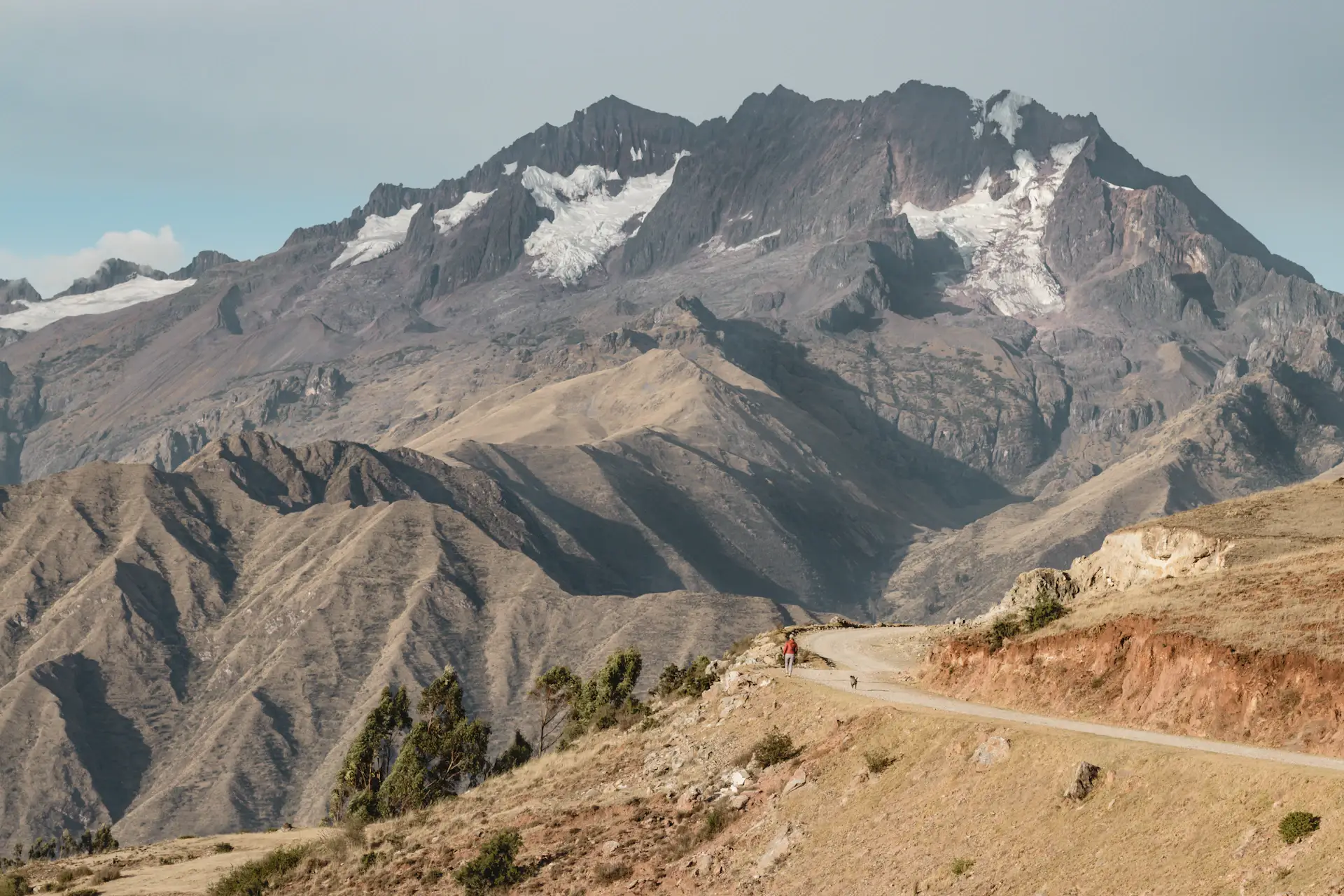
We pick you up early in Cusco and drive through the Sacred Valley, past Ollantaytambo, and up a winding road to Abra Málaga, a pass at about 4,316 m between glaciated peaks. After a safety briefing and a check of the bikes and gear, you start the descent: a long ride downhill on a paved road, dropping from cold grassland into cloud forest and then into warm valleys with fruit trees and small farms. A support vehicle follows the group.
You spend the night in local lodging in the valleys. If your program includes an optional activity, this is when it usually happens.
The road is shared with other vehicles. Follow your guide’s instructions and ride at a safe speed.
This is the day that makes the three-day version work. Depending on your program, you spend part of the morning walking on rural paths above the river, or transfer by road through Santa Teresa toward Hidroeléctrica station. Some programs include a stop at hot springs near Santa Teresa when time allows.
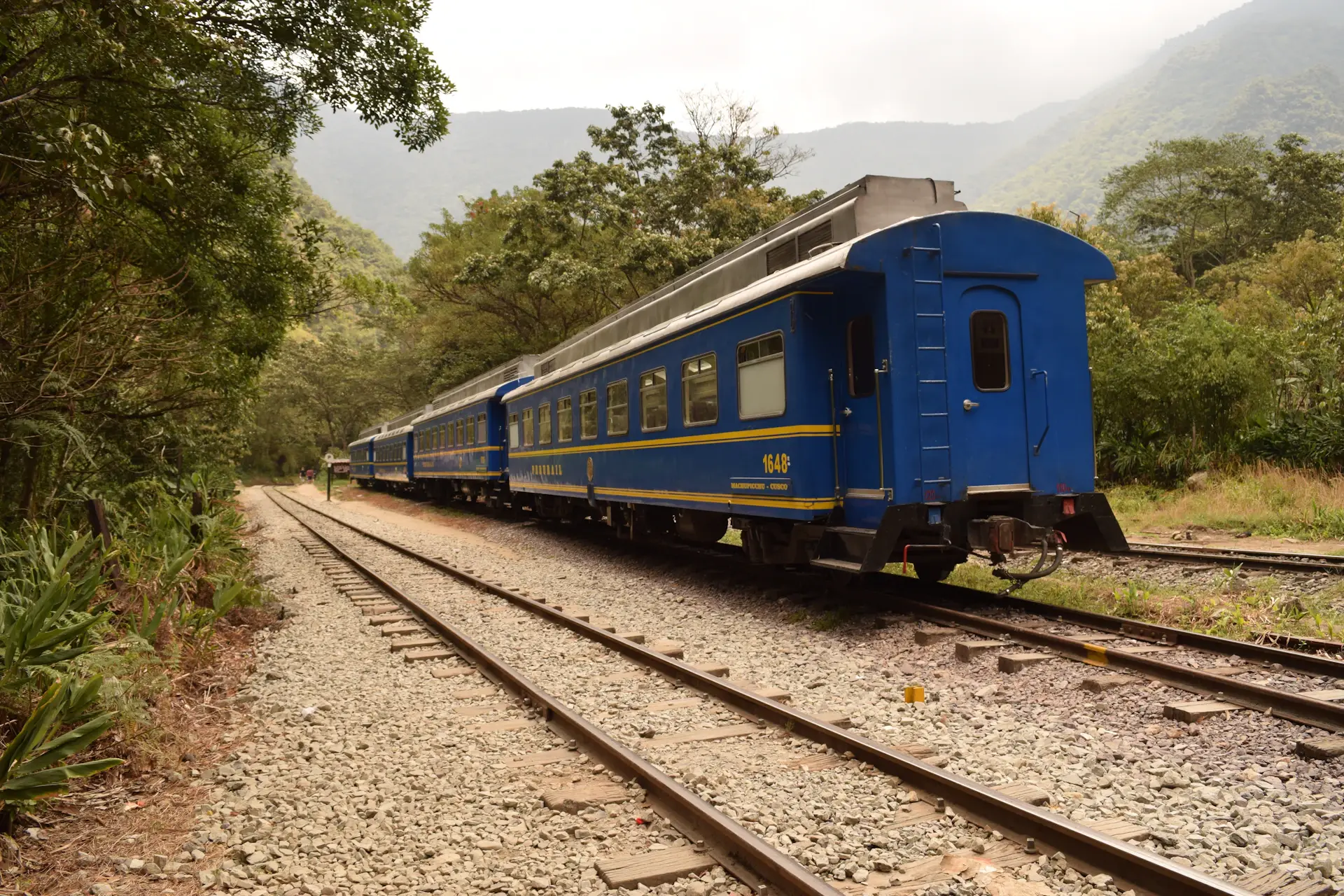
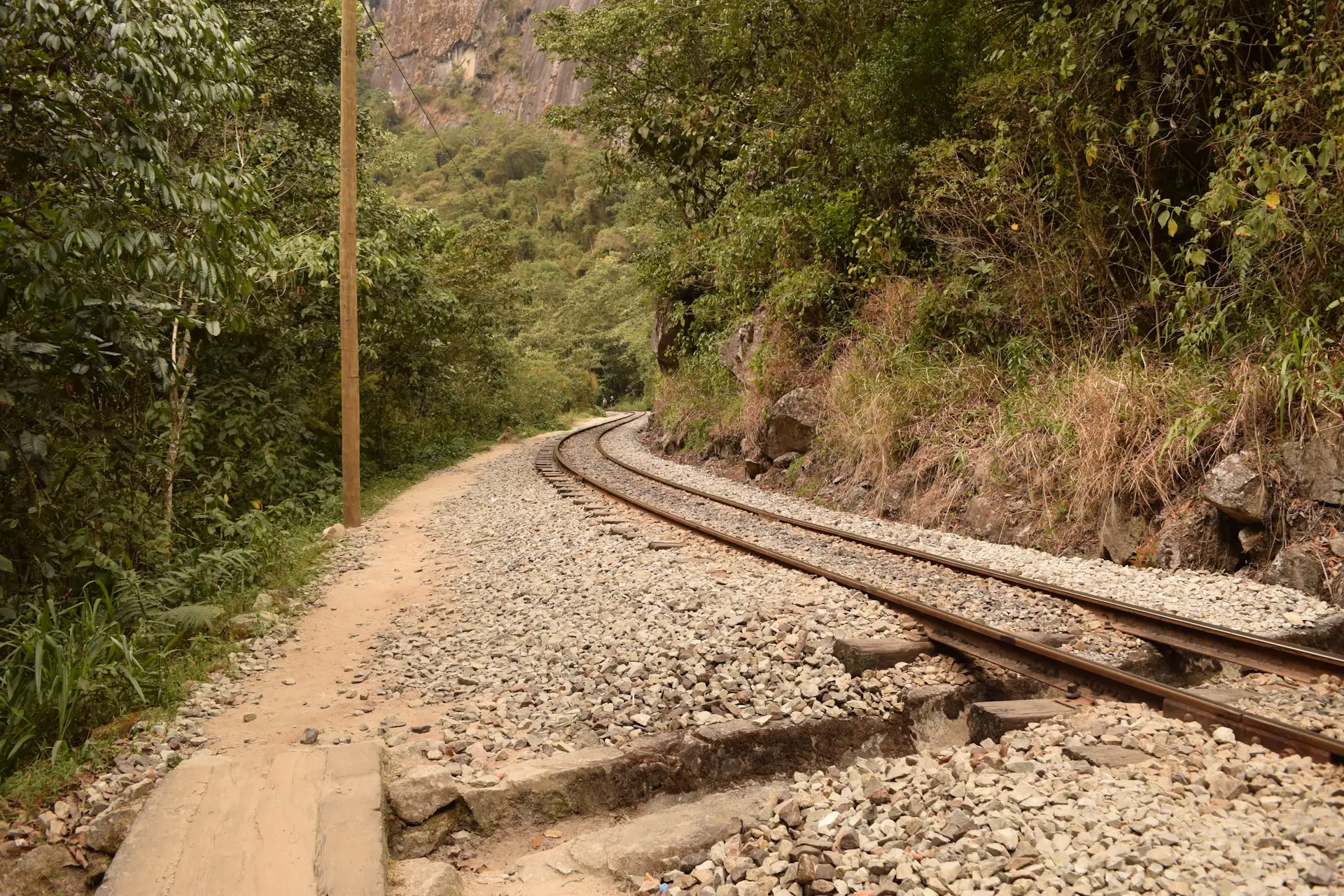
From the Hidroeléctrica area, you walk beside the railway for about three hours through cloud forest to Aguas Calientes, with the Urubamba River beside you and glimpses of the mountains around Machu Picchu above. You arrive in the evening and check in at your lodging.
Carry a headlamp: the last part of the railway walk can end near dusk.
You take an early bus up to Machu Picchu and explore it with your guide on the circuit and entry time on your ticket. After the visit you ride the bus back to Aguas Calientes, then take the train and a road transfer to Cusco, arriving in the evening.
Large bags and food aren’t allowed inside Machu Picchu.
Activities, lodging, meals, the route between the valleys and Aguas Calientes and every inclusion are confirmed in writing with your quote.
Meals depend on the program. Some include lunches on the route and dinners at the lodging, others leave some meals to you in the towns along the way. We confirm exactly which meals are included with your quote. In the valleys you’ll find plenty of fresh fruit, and Aguas Calientes has restaurants for every budget.
You spend the first night in local lodging in the valleys, usually a simple guesthouse or small hotel, and the second night in Aguas Calientes before your Machu Picchu visit. We confirm the lodging and its category with your quote.
The trip combines several ways of traveling: a vehicle from Cusco to Abra Málaga, the bike descent on a paved road with support, road transfers in the valleys, a walk along the railway to Aguas Calientes, and finally the bus to Machu Picchu and the train back toward Cusco. Your main luggage stays at your hotel in Cusco.
We rate this route as moderate, with a faster pace than the 4-day version. The bike descent is mostly downhill on a paved road and needs basic cycling skills rather than fitness. The walk along the railway to Aguas Calientes takes about three hours on mostly flat ground, and it comes at the end of a long day.
You should be comfortable riding a bike and spending long, active days on the move. If you prefer more rest and a fuller day of hiking in the valleys, the 4-day route is the better fit.
The only high point is the start of the bike descent at Abra Málaga, about 4,316 m (14,160 ft), which you reach by road and leave quickly. From there you descend into valleys below 2,000 m, and Aguas Calientes and Machu Picchu are at about 2,040 m and 2,430 m. Altitude is much less of an issue than on the high treks, but spend at least one or two nights in Cusco first.
The Inca Jungle can suit active teenagers who are confident on a bike, but the three-day version packs a lot into each day. For families, the 4-day route or a relaxed Machu Picchu trip by train is usually a better choice. Talk with our local team about whether this route fits your family.
Mainly the full day of hiking through the valleys around Santa Teresa and some rest between activities. The 3-day version keeps the bike descent, the railway walk and Machu Picchu, but moves faster.
Active travelers with limited days in Cusco who are happy with long, full days. If you have one more day, the 4-day route is more balanced.
You should be comfortable riding a bike and braking on a long descent. The road is paved and mostly downhill, and a support vehicle follows the group.
Not as a standard part of the route. Some programs offer them as options, depending on the season and conditions. We only include them when we can confirm them for your dates.
One night in local lodging in the valleys and one night in Aguas Calientes. We confirm the lodging and its category with your quote.
Yes. Our Machu Picchu 2-day tour goes by train with a night in Aguas Calientes, with no biking or long walks.
The route crosses the mountains northwest of the Sacred Valley at Abra Málaga and descends into the valleys around Santa María and Santa Teresa before reaching Aguas Calientes. A route map is being prepared.
Our video for this tour is coming soon. Until then, we’re happy to answer your questions on WhatsApp or by email.
6 min read
Your trip is planned by people who live here and know the region’s seasons, roads and trails.
Guides from the region who know the trails, the history and the communities along the way.
One conversation with the team organizing your trip, from your first question to your last day.
Dates, pace and details shaped around your group.
Photos and stories from our routes help you picture each day before you go.
Cusco to Machu Picchu
Mountain biking, valley hiking and natural hot springs on an active four-day route to Machu Picchu.
Cusco to Machu Picchu
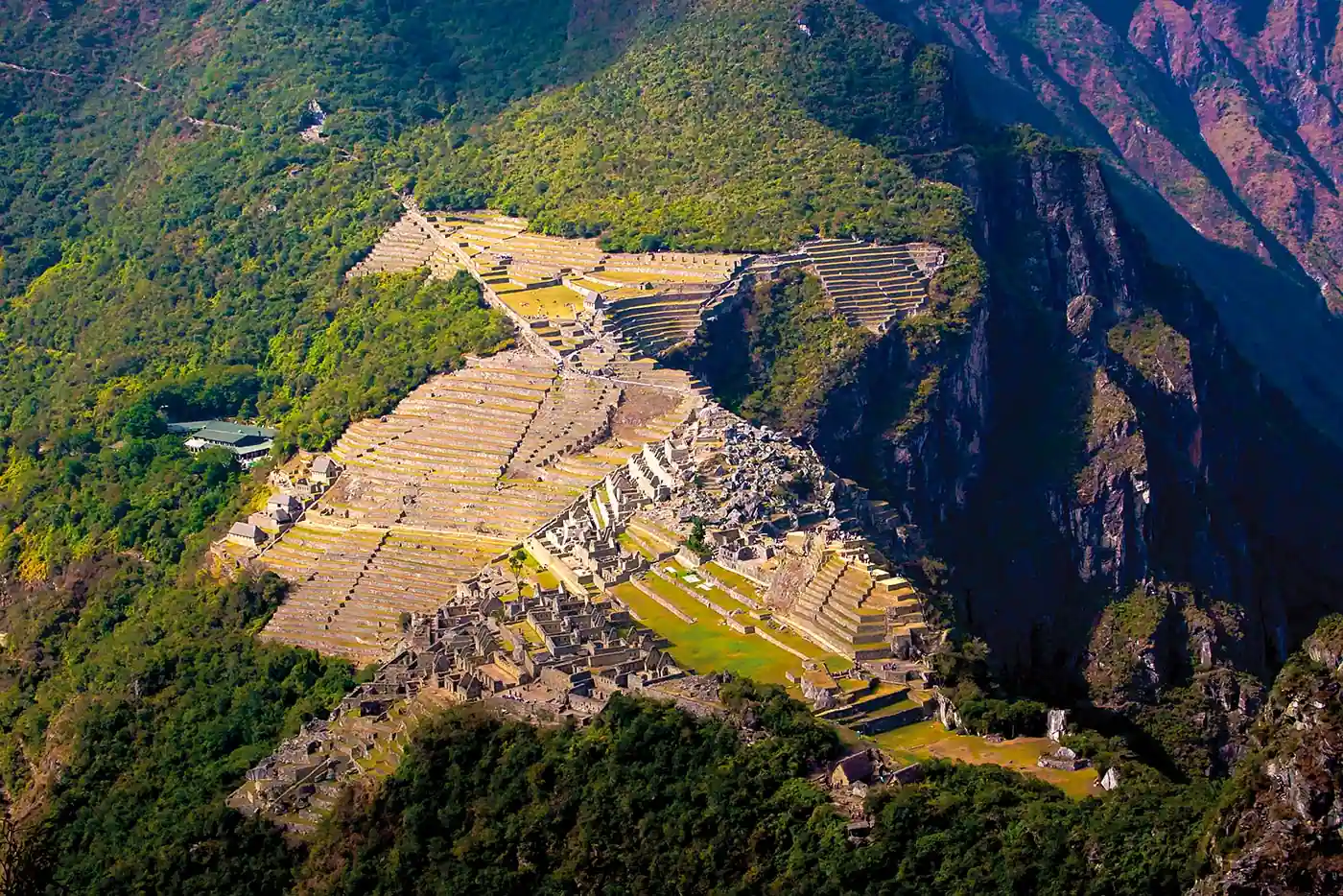
Two days instead of one: the train to Aguas Calientes, a night at the foot of the mountain and an early, unhurried visit to Machu Picchu.
Salkantay to Machu Picchu
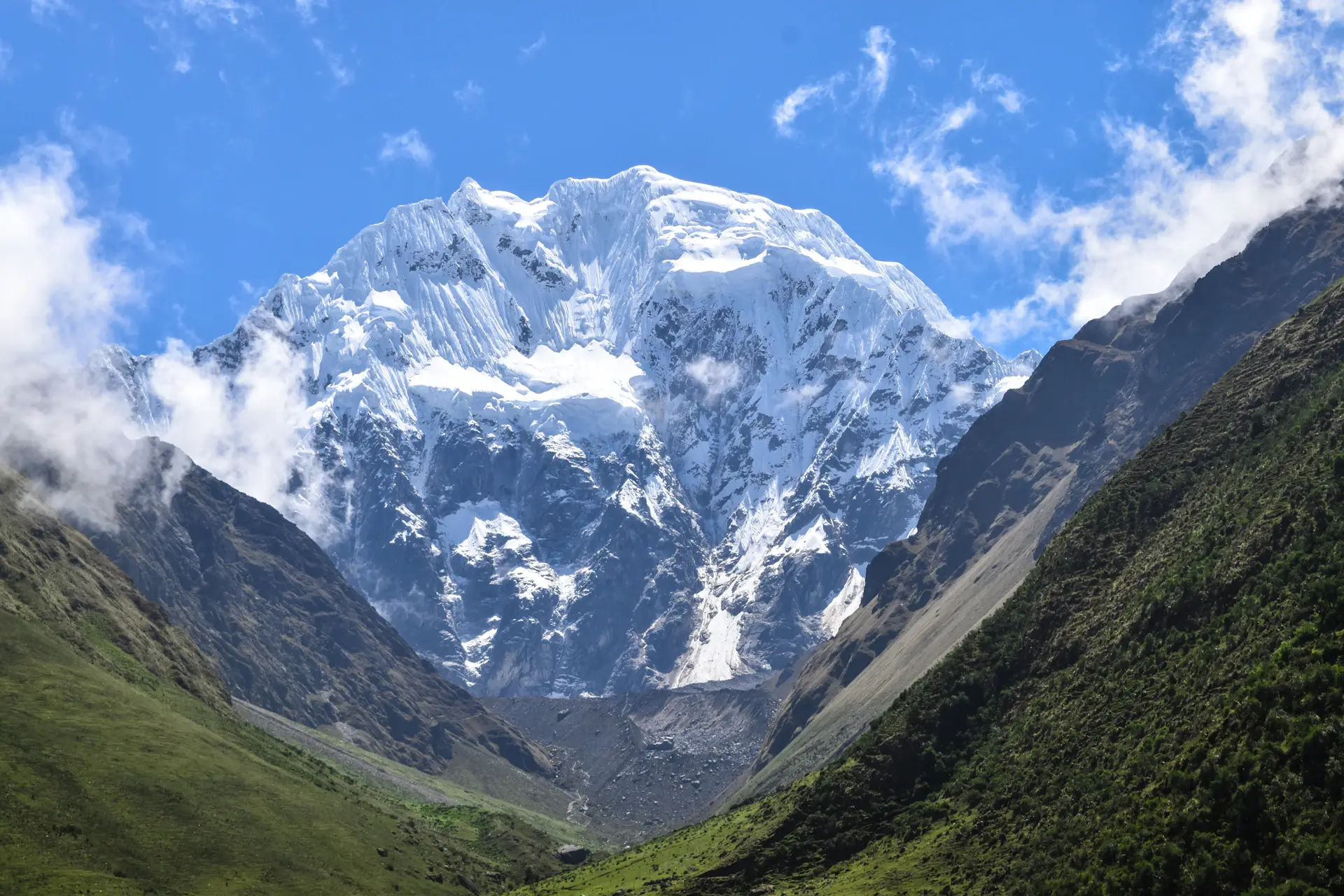
The classic alternative to the Inca Trail: over the Salkantay Pass at about 4,600 m, down into cloud forest and on to Machu Picchu in four days.
Tell us your dates, who’s traveling and what you’d like to see. Our team in Cusco will reply with availability, ideas and clear next steps.