Things to Do in Cusco: A Local’s List
9 min read
Visit the circular Inca terraces of Moray and the salt pans of Maras, still harvested by hand, on a short guided trip across the plateau above the Sacred Valley.
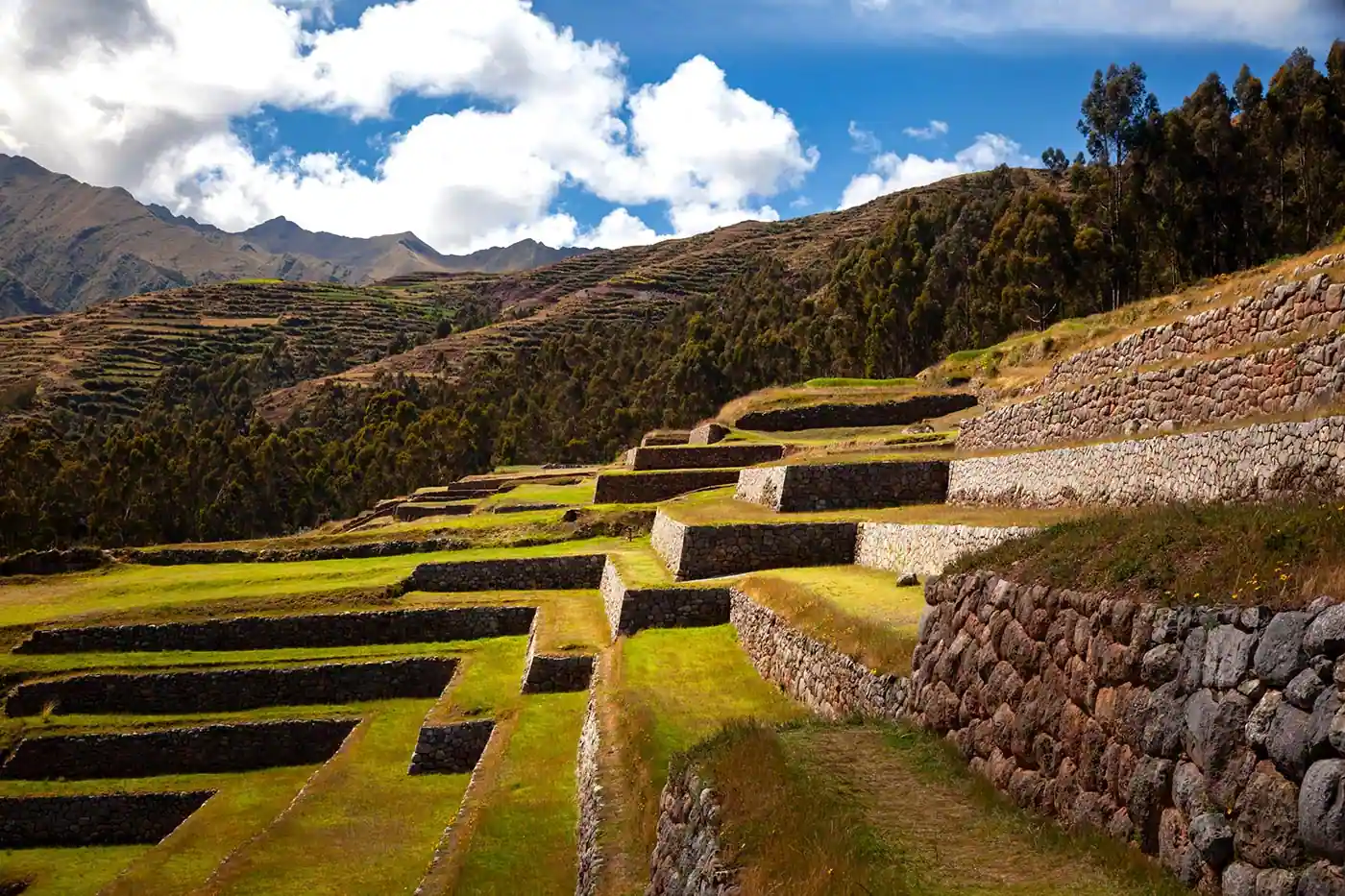
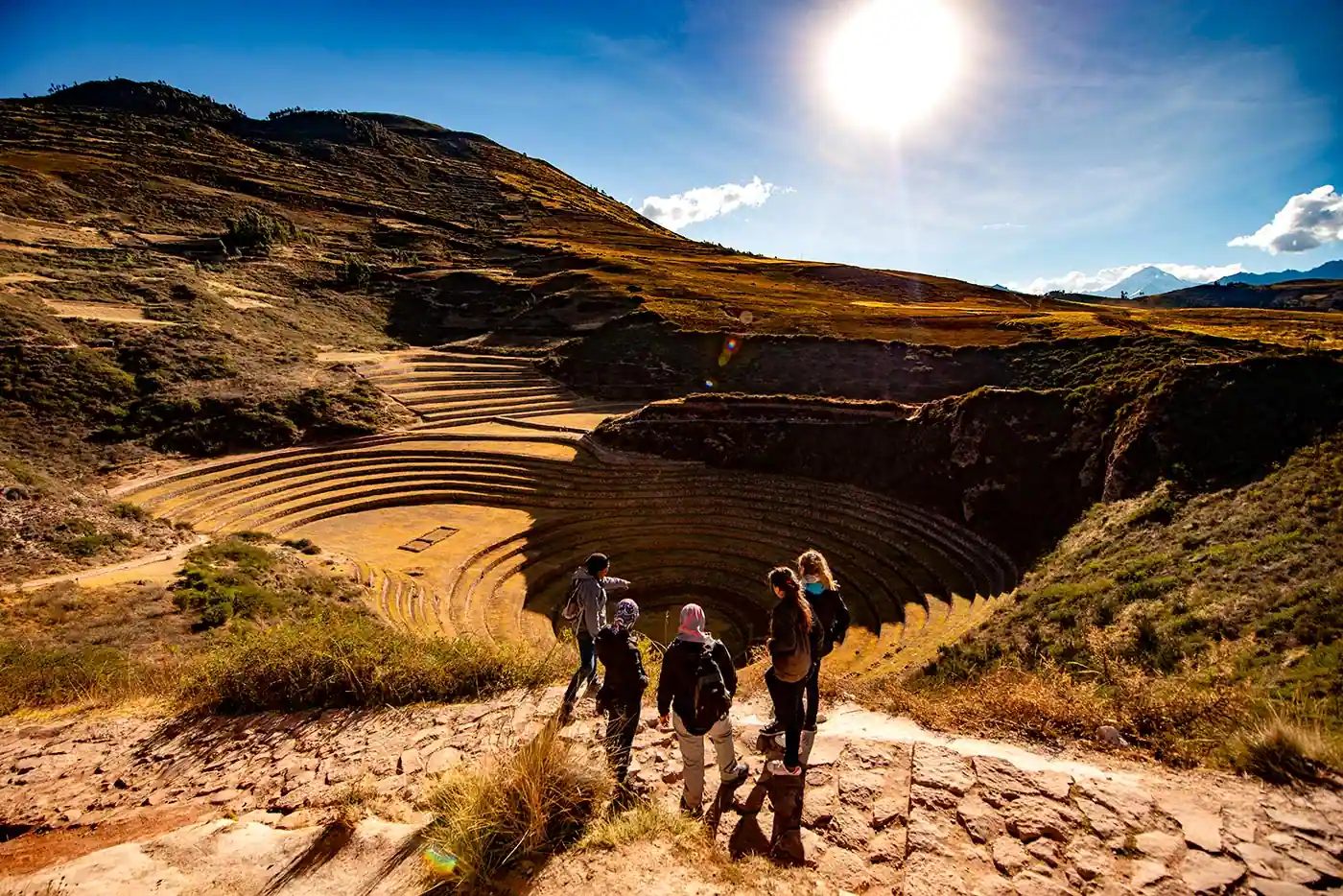
High on the plateau between Cusco and the Sacred Valley, two places show a very different side of the Inca world from the temples and citadels. At Moray, concentric rings of terraces step down into natural hollows in the ground, like a giant amphitheater built for farming. A short drive away, the salt pans of Maras spill down a narrow gorge in thousands of small, white and ochre pools, fed by a salty spring and still worked by local families.
This shorter tour from Cusco visits both with a local guide. The route crosses the Chinchero plateau, with wide views of the snowcapped Urubamba range, and many programs include a stop in Chinchero or a drive through the colonial town of Maras on the way. It’s sold as a half-day trip, but plan on most of the morning and part of the afternoon, since the sites are spread out across the plateau.
What makes these places interesting is how they worked. At Moray, your guide explains the leading theory about the terraces and why the site still puzzles researchers. At the salt pans, you see a production system that has run for centuries, with families harvesting salt by hand in the dry months and selling it in small shops at the entrance.
It’s an easy day with short walks, ideal for a free morning in Cusco or as a gentle outing early in your trip. If you’d like to see Pisac and Ollantaytambo too, our full-day Sacred Valley tour covers the valley floor, and we can combine the two on request. How the plateau and the valley below it fit together is explained on our Sacred Valley page.
After pickup at your hotel, the road leaves Cusco and climbs onto the open plateau around Chinchero, a patchwork of potato and barley fields with the glaciers of the Urubamba range on the horizon. Many programs stop in Chinchero, known for its colonial church on Inca foundations and its weaving tradition, or at a viewpoint over the plateau.
Moray is a group of natural hollows that the Incas lined with stone terraces in concentric rings, the largest dropping about 30 m (100 ft) from rim to center. The most widely accepted explanation is that the site was used to study crops: each level receives different sun, wind and temperature, creating a range of small microclimates. Other researchers stress a ceremonial role, and the two ideas aren’t mutually exclusive. Your guide walks you around the rim and explains the irrigation channels and the way the terraces were built.
The road passes through Maras, a quiet town of adobe houses and a colonial church, before descending into the gorge where the salt pans sit. Here a spring of very salty water flows out of the mountain and is channeled into several thousand small, shallow pools cut into the slope. As the sun evaporates the water, salt crystals form, and families scrape and bag the salt by hand, mostly during the dry season. The pools have been worked for centuries, and each one belongs to a family in the local community. You walk along the viewing path and can buy salt at the small shops by the entrance.
The path along the pools is narrow in places. Wear shoes with good grip.
From the salt pans you drive back up to the plateau and on to Cusco, arriving at your hotel in the afternoon with time to rest or explore the city. If you’re heading into the Sacred Valley instead, we can arrange a drop-off there.
Stops, timing and every inclusion are confirmed in writing with your quote.
This is an easy tour. At Moray you walk along the rim and the paths around the terraces, with a few steps; going down to the lowest ring isn’t necessary to enjoy the site. At the salt pans you follow a path along the edge of the pools, which can be narrow and dusty. Expect around an hour and a half of walking in total, at a gentle pace.
The plateau around Chinchero sits at about 3,760 m (12,340 ft), slightly higher than Cusco. Moray lies at about 3,500 m (11,500 ft), and the salt pans are lower again, in a gorge that drops toward the Sacred Valley.
Because the walking is light and the time at altitude short, most visitors are comfortable on this tour even early in their trip. Take the paths slowly and drink water.
We’ll tell you which tickets are included in your quote and which to pay on the day.
This is a good short outing with children. The distances are small, Moray’s rings are fun to explore from the rim, and kids usually love tasting the salt and seeing how it’s made. Keep a close eye on younger children along the edges of the salt pan path, which has drops in places. Talk with our team about fitting this trip into your family’s first days in Cusco.
Although it’s called a half-day tour, most programs take around seven hours door to door, returning to Cusco in the afternoon. We confirm the exact times with your booking.
Moray (and Chinchero, if you stop there) is covered by the Cusco Tourist Ticket. The salt pans charge a separate community entrance fee. We’ll tell you what’s included in your quote.
The most widely accepted idea is that the terraces were used to study how crops behaved in different microclimates, since temperature and sun change from ring to ring. Some researchers also see a ceremonial purpose. Your guide will explain the evidence.
Yes. Small shops at the entrance sell salt from the pans, including pink salt and flavored varieties. Bring cash in soles.
Not anymore. To protect the pools and the families’ work, visitors follow a path along the edge and view the pans from there.
Yes. It’s short and varied, with easy walking. Keep a hand on younger children along the edges of the salt pan path.
Yes. We can extend the day to Ollantaytambo, or plan it alongside our full-day Sacred Valley tour. Covering everything in one day is possible but makes for a long day.
A loop across the plateau northwest of Cusco, above the Sacred Valley. Stops depend on your confirmed program. A route map is being prepared.
Our video for this tour is coming soon. Until then, we’re happy to answer your questions on WhatsApp or by email.
9 min read
Your trip is planned by people who live here and know the region’s seasons, roads and trails.
Guides from the region who know the trails, the history and the communities along the way.
One conversation with the team organizing your trip, from your first question to your last day.
Dates, pace and details shaped around your group.
Photos and stories from our routes help you picture each day before you go.
Cusco and the Sacred Valley
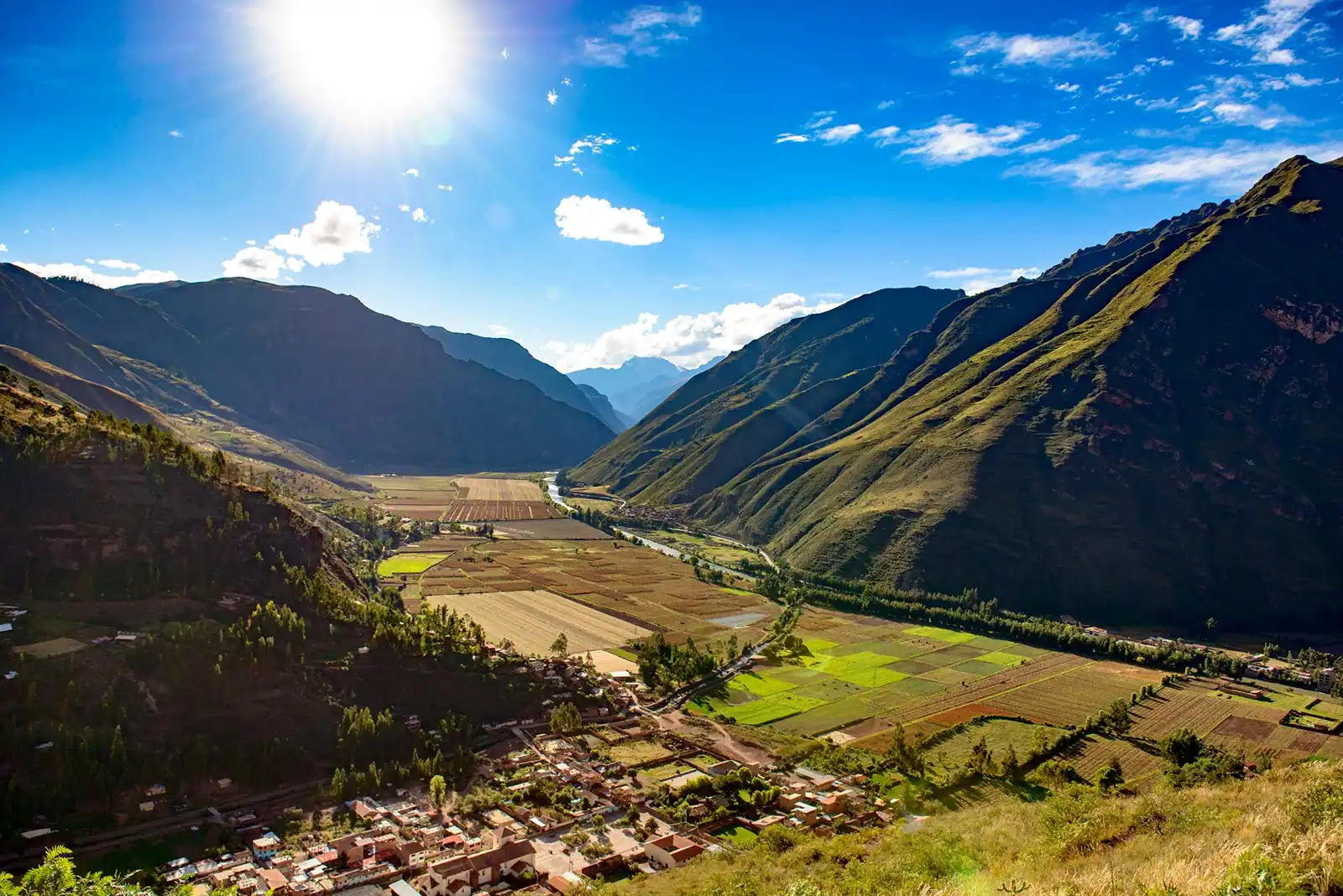
A full day in the valley below Cusco: Inca terraces, market towns and the stone streets of Ollantaytambo, with a local guide.
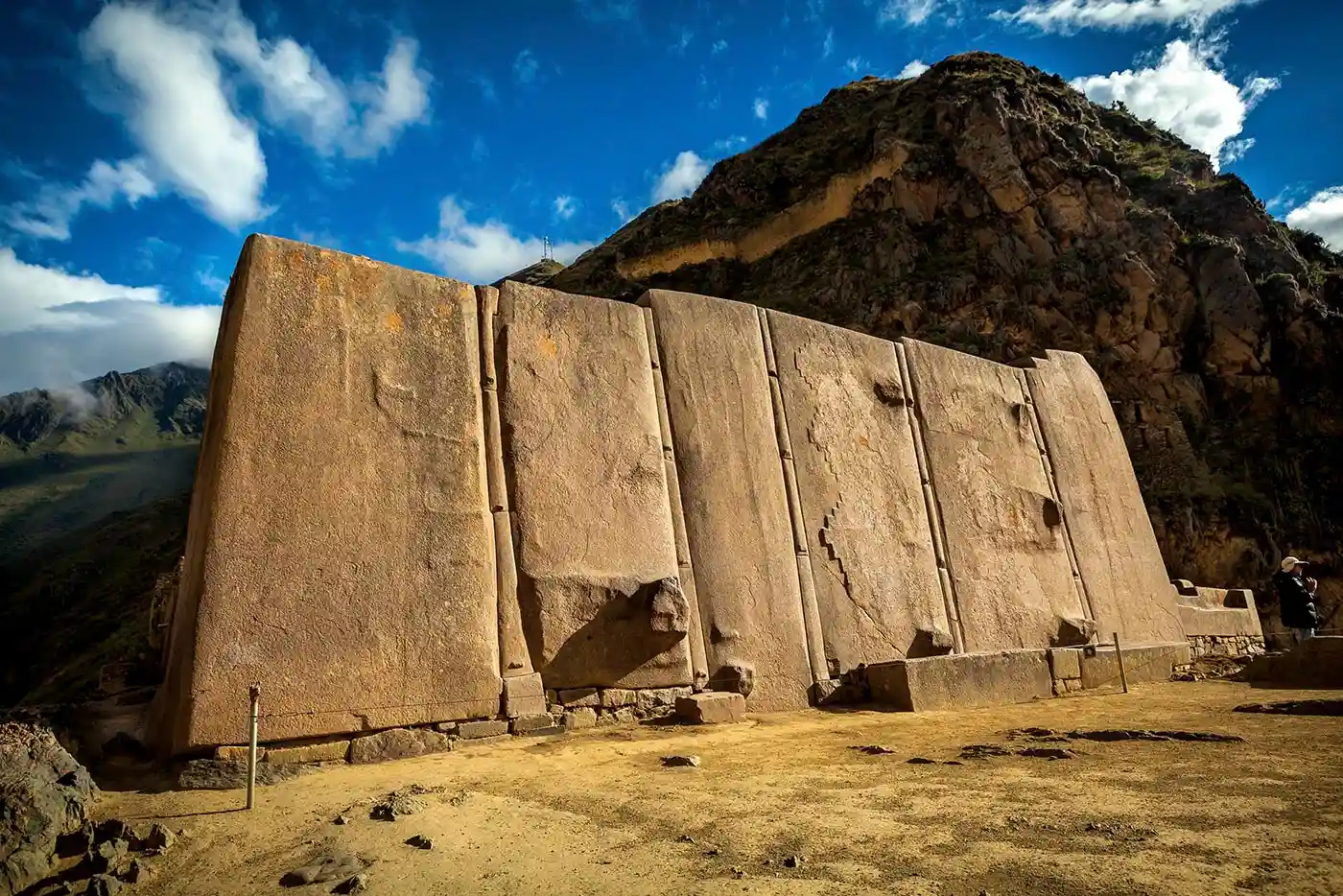
Sacred Valley to Machu Picchu
A day among the villages and Inca sites of the Sacred Valley, the evening train from Ollantaytambo and Machu Picchu the next morning.
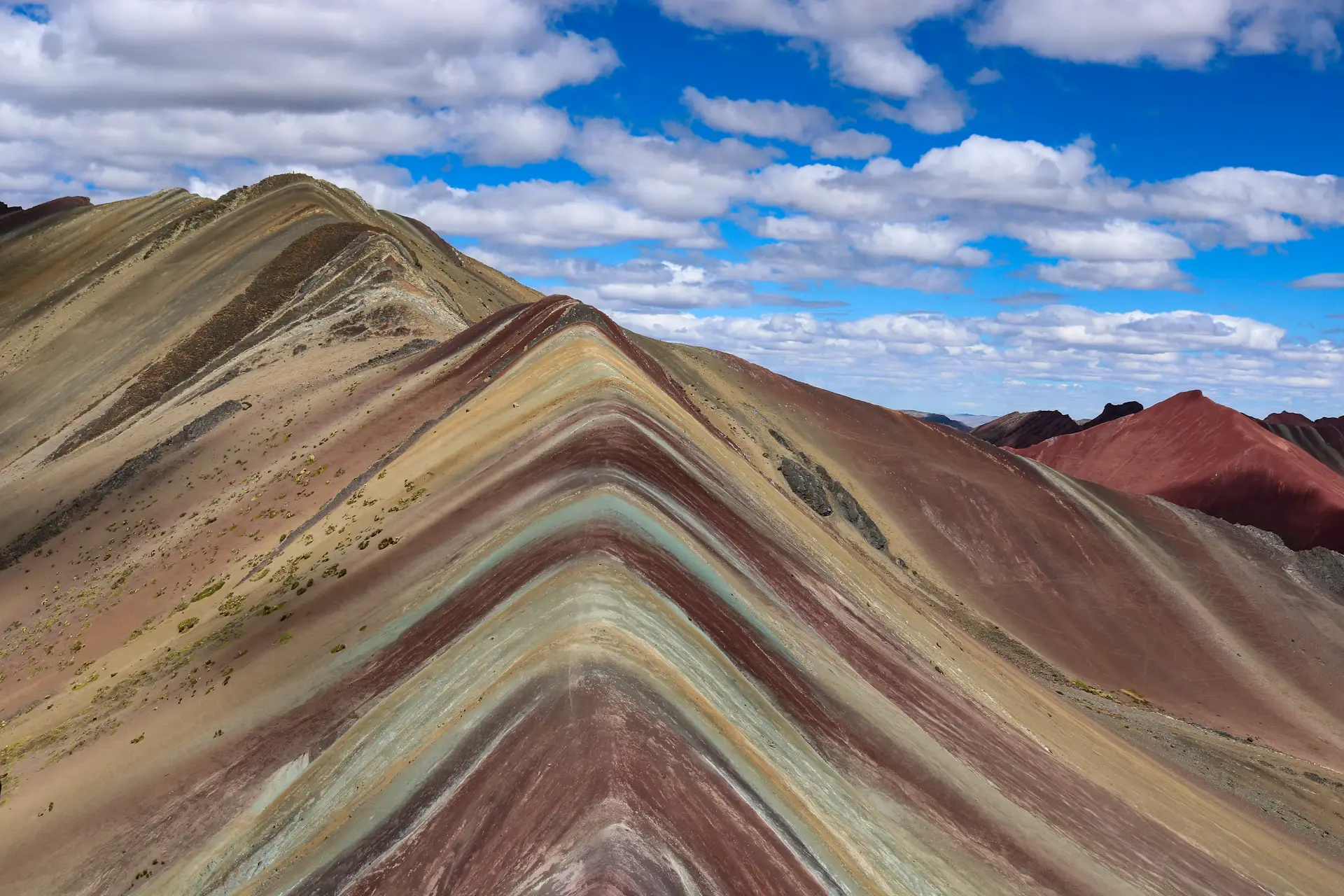
Cusco to Vinicunca
A short but very high hike to the striped slopes of Vinicunca, at about 5,000 m. An early start, a slow climb and big views of the Vilcanota range.
Tell us your dates, who’s traveling and what you’d like to see. Our team in Cusco will reply with availability, ideas and clear next steps.