Things to Do in Cusco: A Local’s List
What to see and do in Cusco, from the Qorikancha and the Inca walls to San Blas, the San Pedro market and the Inca sites above the city, with tips from our team.
In this guide13 sections
The short answer
Start with the historic center: the Plaza de Armas, the cathedral and the Qorikancha, where Inca walls rise under a Spanish convent. Walk up to San Blas, eat at the San Pedro market, and visit Sacsayhuamán and the Inca sites above the city. Save the high day trips for later in your stay, once you’ve adjusted to the altitude.
Cusco is where most trips to Machu Picchu begin, and too many travelers treat it as a place to sleep between tours. That’s a shame. The city was the capital of the Inca world, and it still shows: Spanish churches stand on Inca foundations, neighborhoods climb the hillsides on stone stairways, and the markets are full of produce from three different climates. This is our list of what’s worth your time, from a team that lives here.
If you’re looking for tours that start in Cusco, our Cusco destination guide brings them together. This guide is about the city itself.
In the Historic Center
The Plaza de Armas and the cathedral
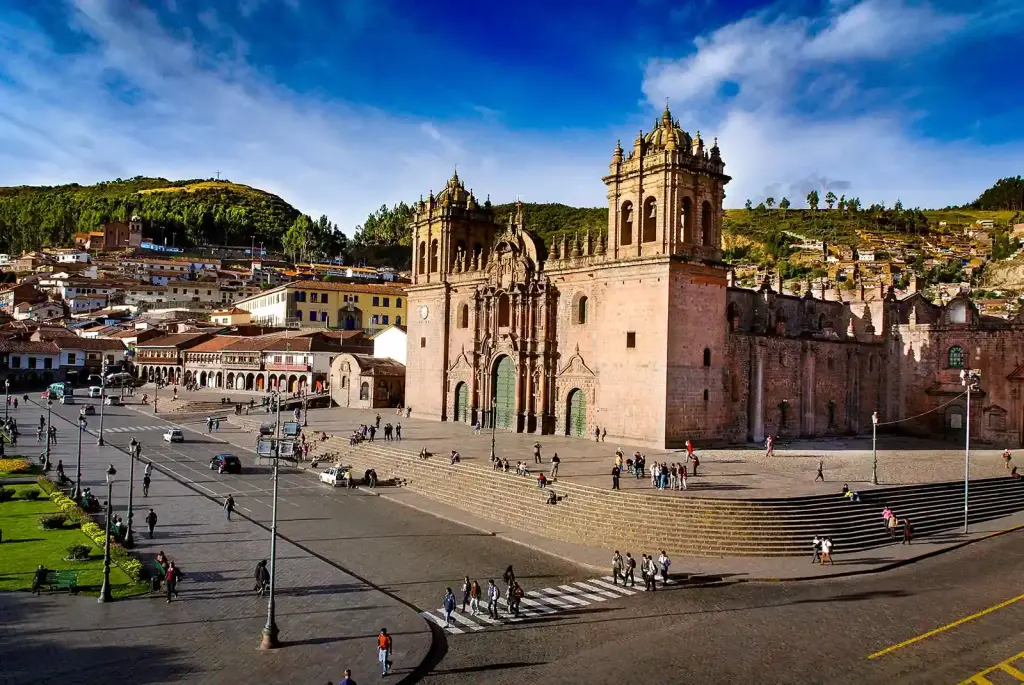
The Plaza de Armas was the heart of Inca Cusco and remains the heart of the city today, framed by arcades, balconies and two great churches. The cathedral holds one of the richest collections of colonial art in the Americas, including paintings of the Cusco School, where Andean painters worked local details into European scenes. It has its own entrance ticket, separate from the Boleto Turístico. Across the square, the Jesuit church of La Compañía has one of the finest façades in the city.
The Qorikancha
The Qorikancha was the most important temple of the Inca empire, dedicated to the sun, and its walls were once covered in gold. The Spanish built the church and convent of Santo Domingo on top, and today you can walk through both: colonial cloisters wrapped around some of the most precise Inca stonework anywhere. The temple has its own entrance fee; the small site museum below the gardens is part of the Boleto Turístico.
Inca walls and the Twelve-Angled Stone
Walk the narrow streets behind the cathedral, especially Hatun Rumiyoc, and you’ll be walking beside original Inca walls. The most famous block, the Twelve-Angled Stone, fits its neighbors so tightly that you couldn’t slide a sheet of paper between them.
Museums worth an hour
- Museo Inka, a university museum a short walk above the plaza, with ceramics, textiles and mummies that give context to everything you’ll see outside.
- Museo de Arte Precolombino, a small, beautifully displayed collection of art from cultures across ancient Peru.
- The Centro Qosqo de Arte Nativo, which stages evening performances of traditional Andean dances, included in the Boleto Turístico.
Inca Sites Above the City
Four Inca sites sit on the hills just above Cusco, all covered by the Boleto Turístico:
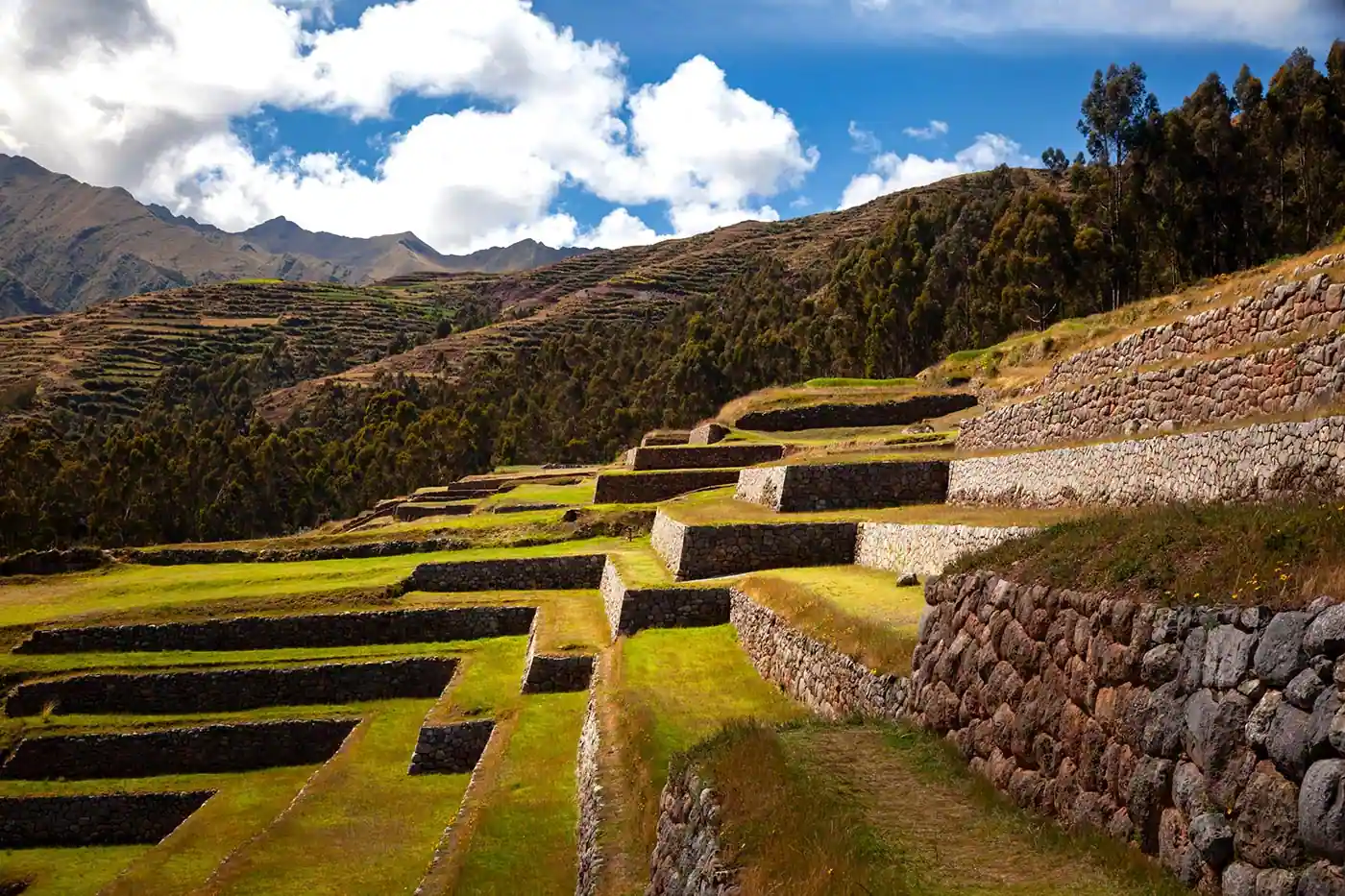
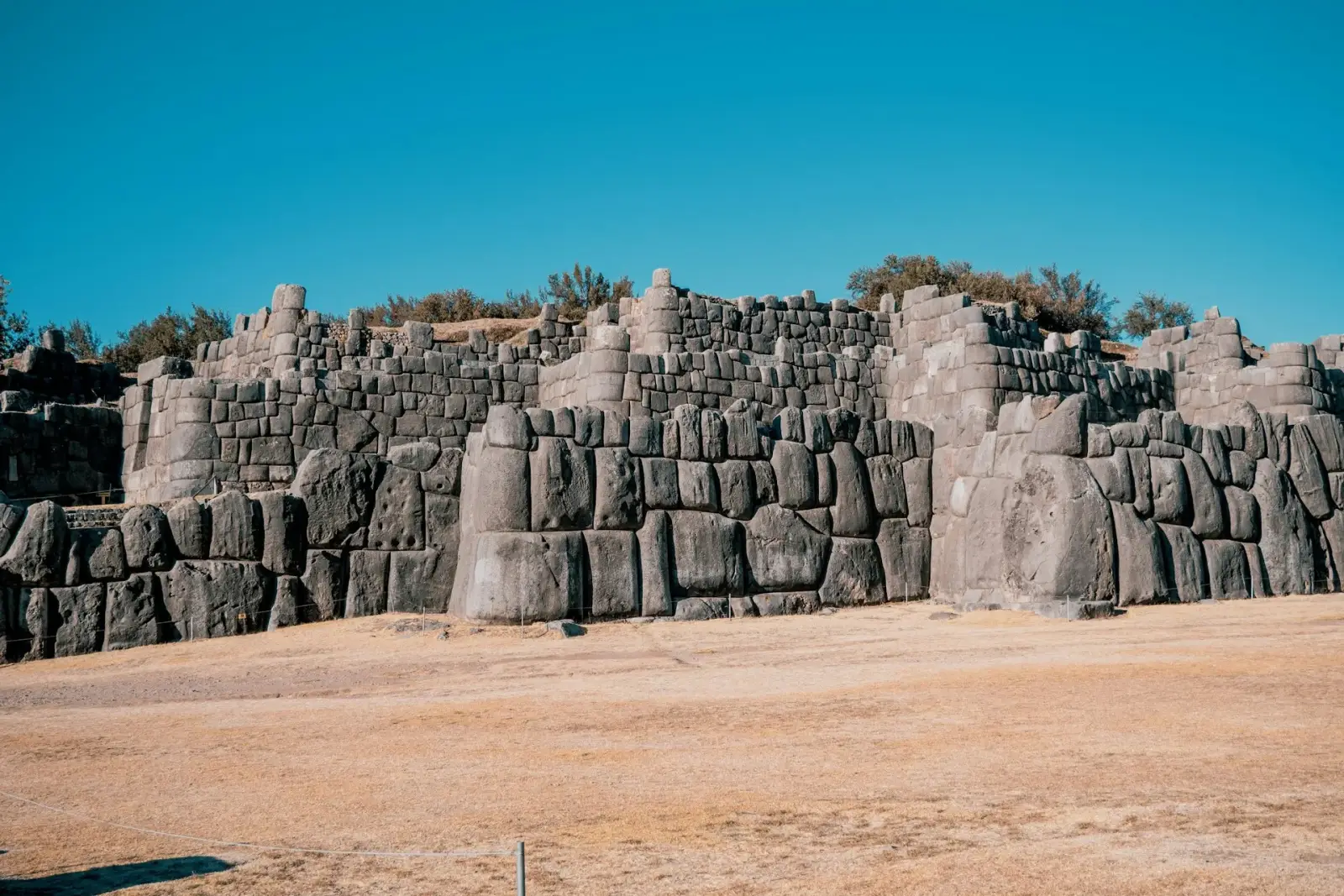
- Sacsayhuamán, with its enormous zigzag walls of fitted stone, some blocks taller than a person. It’s also the stage for the Inti Raymi reenactment every June 24.
- Q’enqo, a limestone outcrop carved with channels, steps and a cave altar.
- Puka Pukara, a small site that likely served travelers and officials on the road.
- Tambomachay, known for its carved water channels and fountains, still running.
You can walk up to Sacsayhuamán from the center in about half an hour on steep streets and stairs, or take a taxi to the highest site, Tambomachay, and walk back down past the others. On the way, the white Christ statue on the hill above town, the Cristo Blanco, has one of the best views over Cusco.
The Boleto Turístico
The Boleto Turístico del Cusco is run by COSITUC, the regional tourism committee, and covers 16 sites and museums in Cusco and the Sacred Valley, including Sacsayhuamán, Q’enqo, Puka Pukara, Tambomachay, Pisac, Ollantaytambo, Chinchero, Moray, Tipón and Pikillaqta. Partial tickets cover smaller groups of sites. It doesn’t include the cathedral, the Qorikancha temple, the Maras salt pans or Machu Picchu, which each have their own tickets. It’s sold in person, and prices change, so check before you go.
Neighborhoods: San Blas and San Pedro
San Blas climbs the hillside just above the plaza. It’s the artisans’ quarter: steep, narrow streets, whitewashed walls with blue doors, workshops, small galleries and cafes. The little church of San Blas has a remarkable carved wooden pulpit. Go in the late afternoon, when the light is warm and the view over the rooftops opens up from the upper streets.
San Pedro, a few blocks the other way, is everyday Cusco. Its central market sells fruit from the jungle and potatoes from the highlands, fresh juices, bread, cheese, flowers and herbs, and simple lunches at the food counters. It’s busy and lively, so keep an eye on your belongings.
Food and Markets
Cusco is a good place to try Andean food as well as the Peruvian classics you’ll find everywhere:
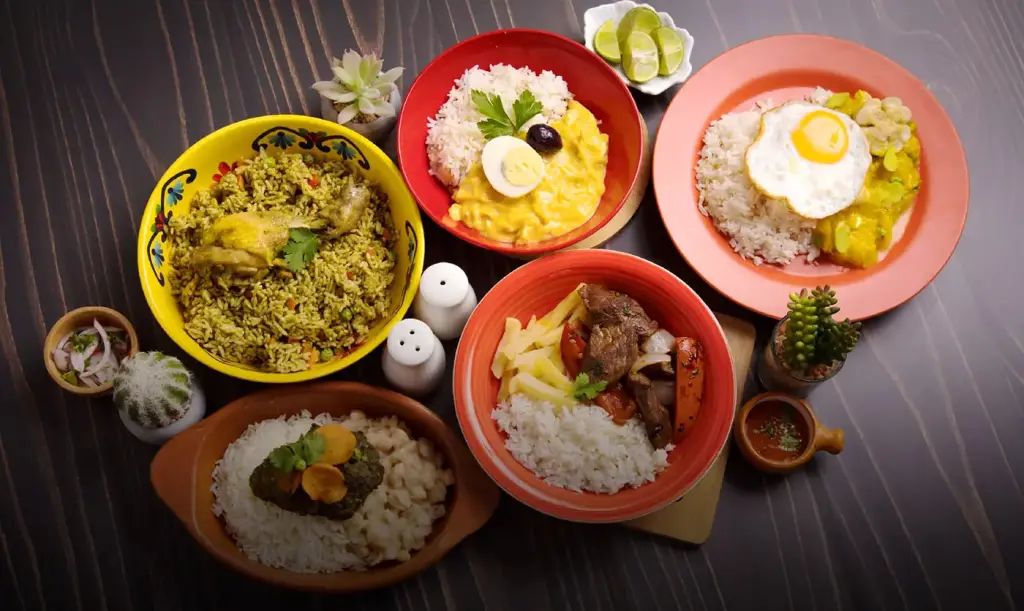
- Lomo saltado, stir-fried beef with tomatoes, onions and fries, and ají de gallina, shredded chicken in a creamy yellow pepper sauce.
- Quinoa soup and other hearty soups, perfect on a cold evening.
- Alpaca, often served grilled, and cuy, roasted guinea pig, a traditional dish for celebrations.
- Chicha morada, a sweet drink made from purple corn, and coffee grown in the warm valleys of the Cusco region.
In your first days, eat lightly and don’t overdo the alcohol; the altitude makes both hit harder. Our guide to Cusco’s altitude explains why.
Day Trips from Cusco
Once you’ve adjusted to the altitude, the region around Cusco opens up:
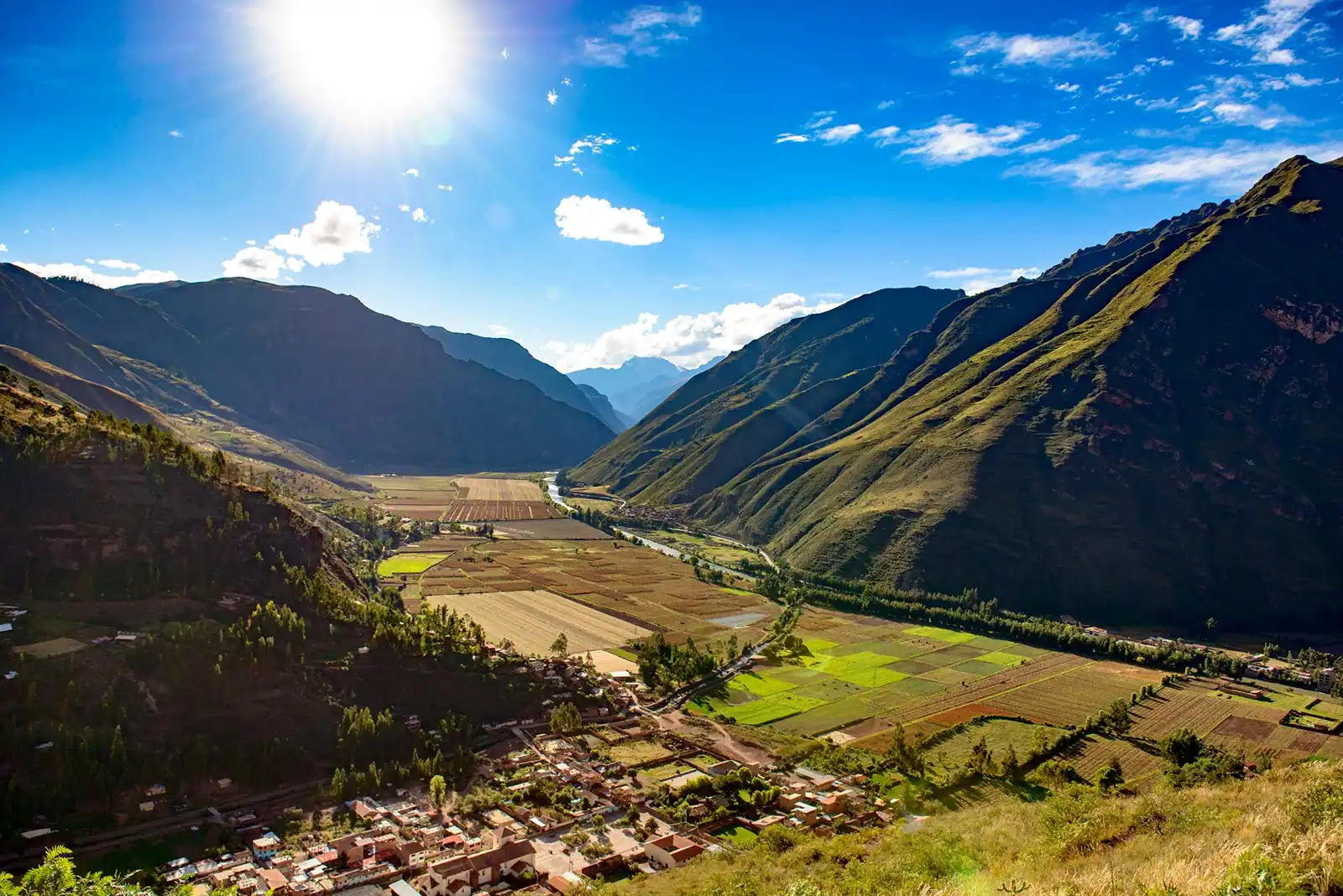
- The Sacred Valley, with the markets and terraces of Pisac and the Inca town of Ollantaytambo.
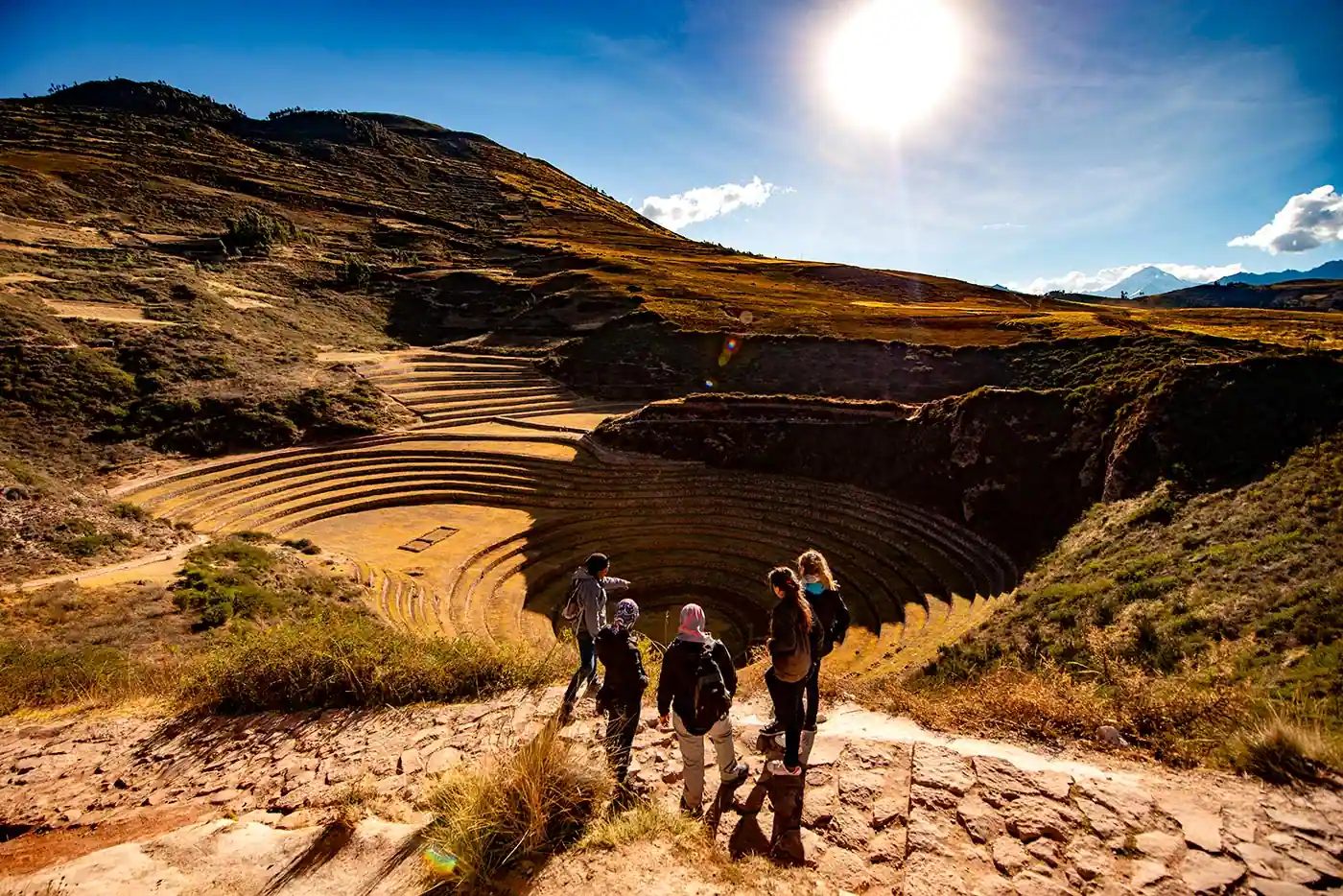
- Maras and Moray, the salt pans and the circular terraces, an easy half day.
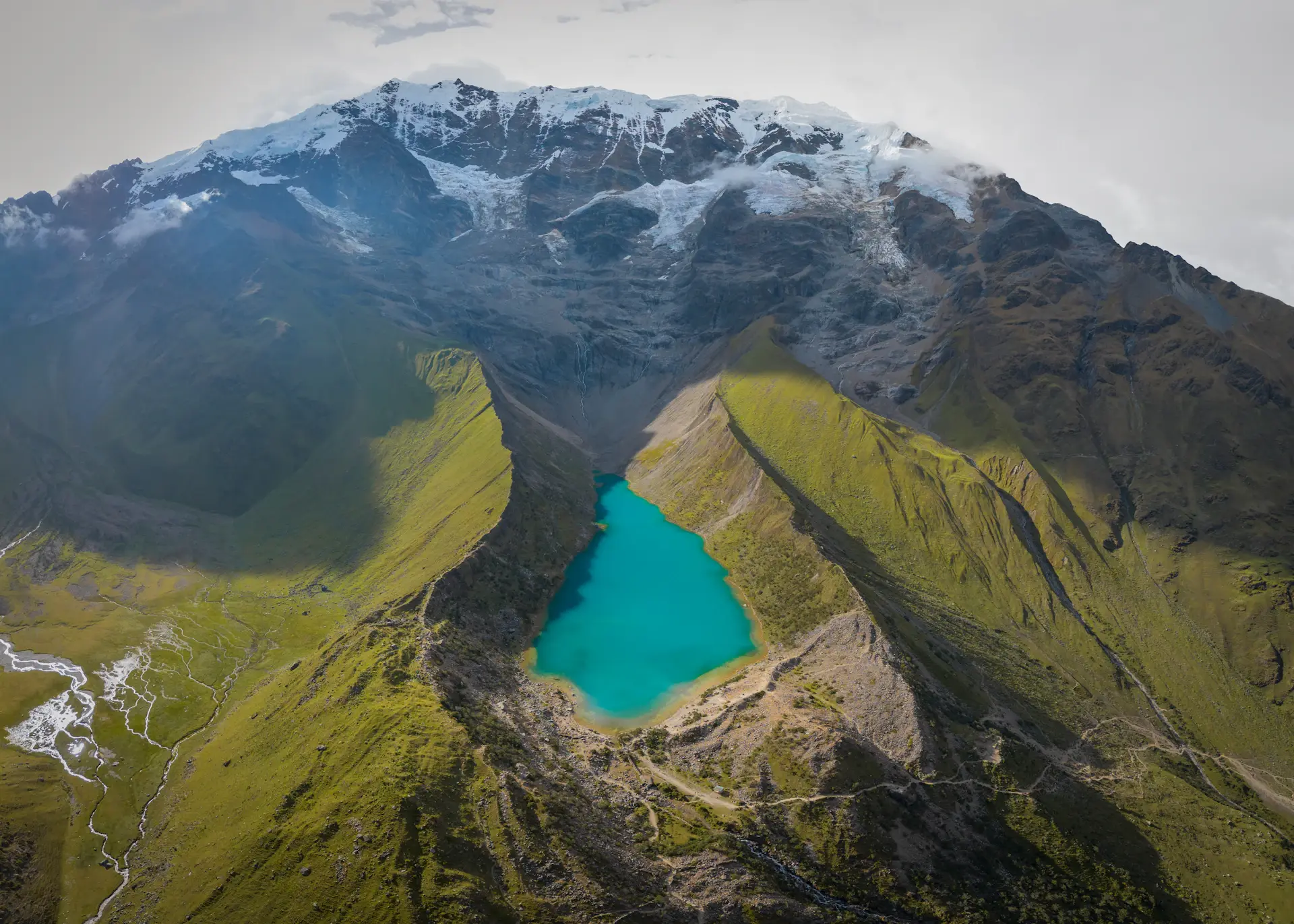
- Humantay Lake and the 7 Lakes of Ausangate, for glacial lakes and a real hike at high altitude.
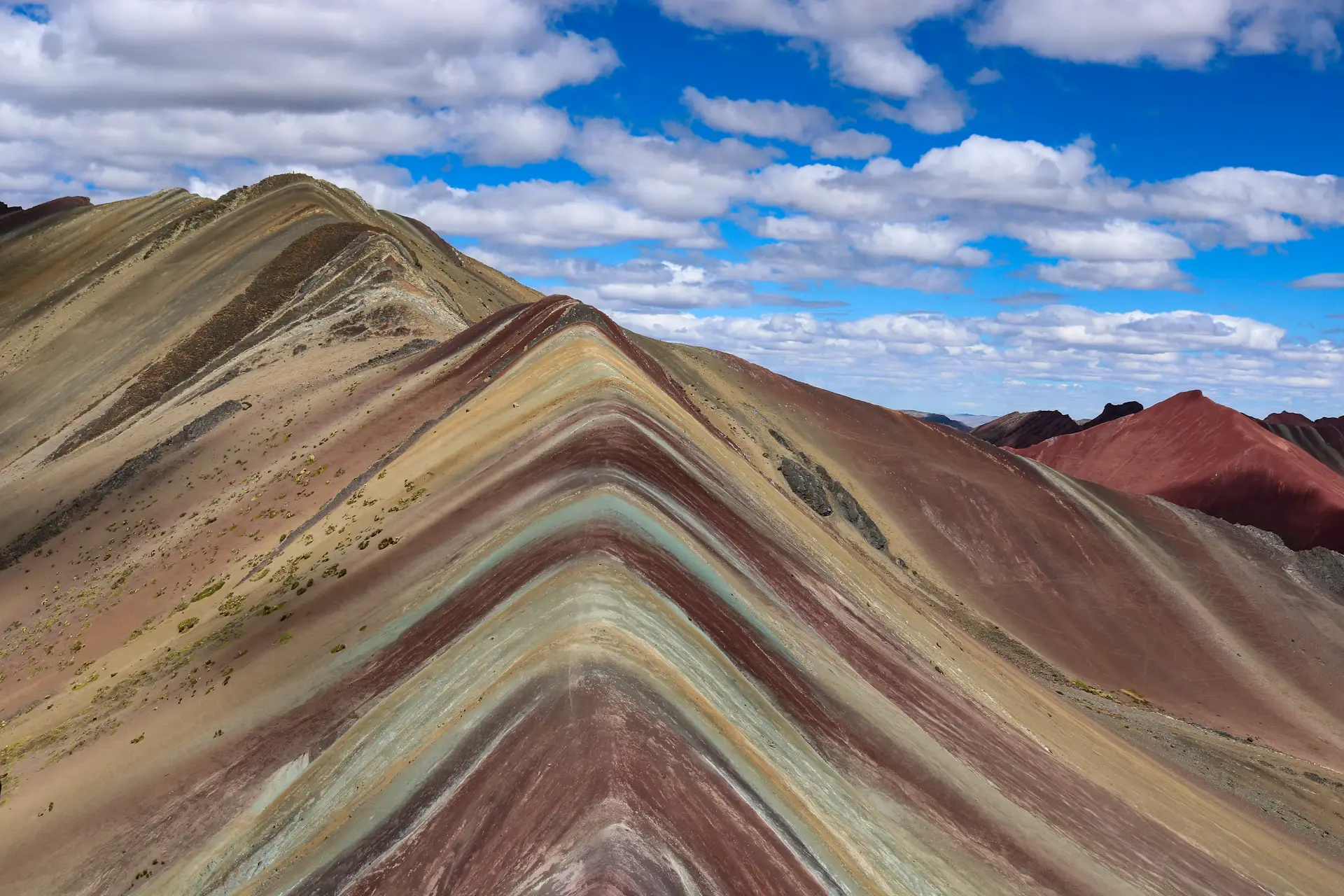
- Rainbow Mountain, a short but very high walk to the striped slopes of Vinicunca.
- Machu Picchu, as a long day trip by train or, better, with a night in Aguas Calientes.
- The South Valley, with the Inca water gardens of Tipón and the pre-Inca city of Pikillaqta, both on the Boleto Turístico.
Our day tours from Cusco compare the options by effort and altitude, and our guide to Rainbow Mountain or Humantay Lake helps you choose between the two most popular hikes.
Rainy-Day Ideas
From December to March, afternoon rain is common. Good plans for a wet day:
- An unhurried visit to the Qorikancha and the cathedral.
- The Museo Inka or the Museo de Arte Precolombino.
- A cooking class that starts with a walk through the San Pedro market.
- A visit to a textile center to see how Andean weaving is done.
- An evening dance performance at the Centro Qosqo de Arte Nativo.
A Relaxed Two Days in the City
Day one: the center. Start at the Plaza de Armas and the cathedral, walk the Inca streets behind it to the Twelve-Angled Stone, and spend the late morning at the Qorikancha. Have lunch at the San Pedro market, rest in the afternoon, and walk up to San Blas for the evening light.
Day two: above the city. Take a taxi to Tambomachay and walk back down past Puka Pukara, Q’enqo and Sacsayhuamán, with a stop at the Cristo Blanco viewpoint. Return to the center for a museum in the afternoon and a dance performance in the evening.
If you’ve just arrived, swap the order: the flat center is easier on your first day than the hills.
Evenings in Cusco
Cusco is lively after dark, and nights are cold, especially from May to September, so bring a warm layer. The plaza and its streets glow when the churches are lit up. It’s a good city for a long dinner: from simple Andean food to some of Peru’s best contemporary restaurants. Many travelers are ready for bed early in their first days; that’s the altitude, and it’s fine to follow it.
Shopping for Textiles and Crafts
Cusco is full of weavings, ceramics and knitwear. A few tips:
- Buy directly from makers when you can, in San Blas workshops, textile centers and community markets in the Sacred Valley.
- Ask about materials. Alpaca, sheep’s wool and synthetic blends look similar in a shop window; honest sellers will tell you which is which.
- Hand-woven textiles take weeks to make, which is why they cost more than machine-made pieces.
- Bargain gently, if at all. A small discount is normal in markets; pushing hard over a few soles isn’t.
Festivals Worth Planning Around
- Inti Raymi, June 24: the festival of the sun, with celebrations at the Qorikancha, the Plaza de Armas and Sacsayhuamán. The city fills up, so book hotels early.
- Corpus Christi, in June on a date that changes each year: saints from churches around Cusco are carried to the cathedral.
- Santurantikuy, December 24: a Christmas market of crafts and nativity figures in the Plaza de Armas.
Getting Around Cusco
The historic center is best on foot, and many streets are closed to cars or too narrow for them anyway. For the Inca sites above the city, the airport or a late return, use a registered taxi or a ride-hailing app rather than hailing an unmarked car at night. Local minibuses connect Cusco with the Sacred Valley, but a tour or a private transfer is simpler with luggage or limited time. Remember that every walk in Cusco involves hills: plan shorter distances than you would at home.
Practical Tips from Our Team
- Take the first day slowly. Cusco’s streets are steep and the air is thin. Plan short walks and rest.
- Carry some cash in soles for tickets, markets and small purchases.
- Ask before taking portraits. Women and children in traditional dress, often with llamas or alpacas, pose for photos in the center and usually expect a small tip.
- Watch your belongings in markets and crowded places, as in any city.
If you’re working out how long to stay, our guide to how many days to spend in Cusco has sample itineraries.
Frequently Asked Questions
What is the Boleto Turístico and do I need it?
It’s the combined ticket for 16 sites and museums in Cusco and the Sacred Valley, run by COSITUC, the regional tourism committee. If you plan to visit Sacsayhuamán and the Sacred Valley sites, it’s the way in. It doesn’t cover the cathedral, the Qorikancha temple or Machu Picchu.
Can I walk to Sacsayhuamán from the city center?
Yes. It’s about half an hour uphill from the Plaza de Armas on steep streets and stairs. On your first day at altitude, a taxi up and a walk down is easier.
How many days do I need in Cusco itself?
Two full days cover the historic center, San Blas, the markets and the Inca sites above the city at a comfortable pace, not counting day trips.
Is Cusco safe for tourists?
Cusco is used to visitors, and the center is lively day and night. Take the usual city precautions: watch your belongings in crowds and markets and use registered taxis at night.
What should I eat in Cusco?
Try an Andean soup, lomo saltado, ají de gallina and chicha morada. Adventurous eaters try alpaca or cuy. Go easy on rich food and alcohol in your first days at altitude.
Official Sources & Updates
Rules, tickets and closures are set by Peruvian authorities and can change. We last checked this guide against these sources on .