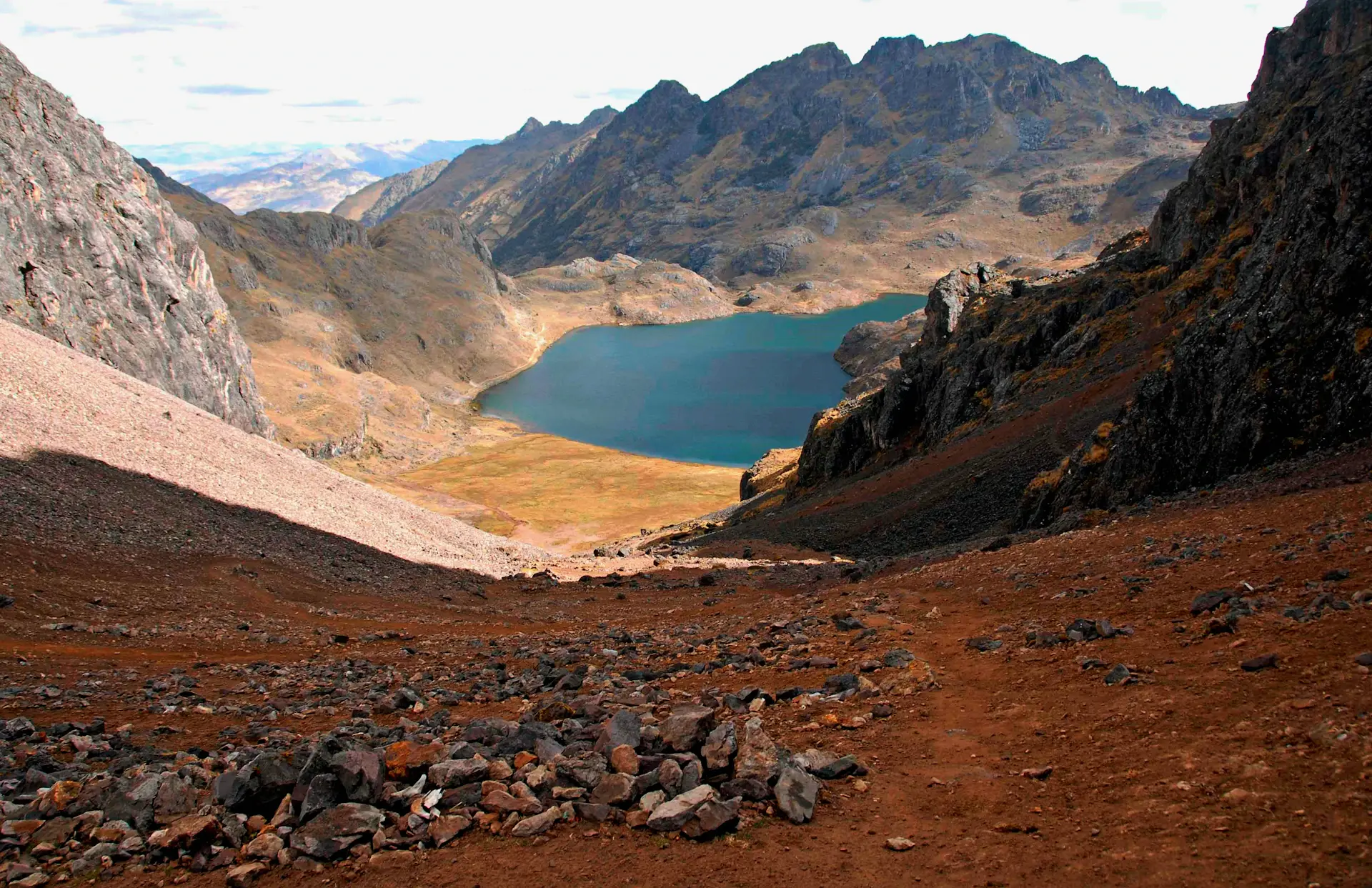
Lares Trek 4 Days to Machu Picchu
- 4 Days
- 3 Nights
- Moderate
- Cultural
- Trekking
- Lares valleys to Machu Picchu
Walk through the high valleys of Lares, home to Andean farming and herding communities, cross a pass near 4,500 m and finish with the train to Machu Picchu.
Trip facts
- Duration 4 Days / 3 Nights
- Difficulty Moderate
- Max altitude 4,600 m / 15,092 ft
- Best season April to October
- Meals Included on the trek (confirmed with your quote)
- Accommodation Camping (2 nights) and a hotel in Aguas Calientes (1 night)
- Transportation Road, train and bus
- Guide Local trekking guide
Overview
North of the Sacred Valley, behind the glaciers of the Urubamba range, lie the Lares valleys: wide, high country of grassland, lakes and stone-walled fields, where Quechua-speaking families farm potatoes, herd alpacas and llamas, and weave in patterns that identify their own community. The Lares Trek crosses these valleys on foot for two and a half days before joining the train to Machu Picchu.
What sets Lares apart from the other routes is that it passes through places where people live and work. You walk on paths still used to move animals between pastures, past adobe houses and small schools, and you’ll often share the trail with families going about their day. We think the right way to experience this is simply, as a visitor on their land: greeting people, asking before taking photos and, if you want to support local families, buying textiles directly from the weavers. We don’t stage performances or organize visits that turn people’s homes into a show.
The landscape is just as good a reason to come. The route crosses at least one high pass, usually between about 4,400 and 4,700 m (14,400 to 15,400 ft), with views of glaciers and a chain of turquoise lakes, and then descends toward the Sacred Valley. Many routes begin or end with a soak in the hot springs of Lares. After the trek you take the train from Ollantaytambo to Aguas Calientes and visit Machu Picchu with your guide on the last morning.
Lares doesn’t need a government permit and stays open in February, so it’s a good choice when Inca Trail permits are gone or when you want a quieter trek with a cultural focus. If walking the original Inca road is your priority, see our Classic Inca Trail, or the shorter Inca Trail option if you have less time. We confirm the exact route, campsites and every inclusion with your quote. You can also compare Lares with our other treks side by side.
Highlights
- Walk through the Lares valleys, home to Quechua farming and herding communities
- See handwoven textiles in the patterns of each community, and buy directly from weavers
- Cross a high pass with views of glaciers and a chain of turquoise lakes
- Many routes include a soak in the Lares hot springs
- Take the train from Ollantaytambo and visit Machu Picchu on the last day
- No Inca Trail permit needed, and open in February
Itinerary
Day 1:
Cusco to Lares and the first camp
A drive over the mountains to the Lares area, often with time at the hot springs, and a first walk to camp.We pick you up early in Cusco and drive through the Sacred Valley and over a high pass into the Lares area. Many routes stop at the hot springs of Lares, a good way to loosen up before the trek. From there you start walking up a valley of fields and pastures, past small communities, to your first camp.
The first day is shorter, giving you time to adjust to the altitude and to the rhythm of camp life.
- Starts
- Cusco
- Ends
- First camp
- Meals
- Lunch and dinner
- Accommodation
- Camping
Day 2:
Over the high pass
The main trekking day: a climb to the highest pass of the route, with glaciers and lakes, and a descent to the second camp.After breakfast, the trail climbs steadily through high grassland, past stone corrals and herds of alpacas and llamas. Near the pass, a string of glacial lakes appears below the snowy peaks, one of the most beautiful sections of the trek. The pass itself, between about 4,400 and 4,700 m depending on the route, looks over the valleys you’ve crossed and the ones ahead.
The descent leads to a valley where families farm and weave, and your camp for the night. If you’d like to buy textiles, this is often a good moment, directly from the weavers.
- Starts
- First camp
- Ends
- Second camp
- Meals
- Breakfast, lunch and dinner
- Accommodation
- Camping
The pass is exposed to wind and cold. Keep warm layers and gloves in your daypack.
Day 3:
Down to the Sacred Valley and train to Aguas Calientes
A morning descent toward the Sacred Valley, then the train from Ollantaytambo to Aguas Calientes.The last trekking morning follows the valley down past terraces and villages toward the Sacred Valley. After lunch you transfer to Ollantaytambo, where you say goodbye to the trek team and board the train to Aguas Calientes. The evening is free for a shower, a walk and dinner in town.
- Starts
- Second camp
- Ends
- Aguas Calientes
- Meals
- Breakfast and lunch
- Accommodation
- Hotel in Aguas Calientes
Day 4:
Machu Picchu and return to Cusco
An early bus to Machu Picchu, a guided visit and the train back toward Cusco.You take an early bus up to Machu Picchu and explore it with your guide, following the circuit and entry time on your ticket. It’s interesting to see the terraces and stonework here after walking through communities that still farm and build on the same principles.
In the afternoon you take the bus down, the train back toward Cusco and a road transfer to your hotel, arriving in the evening.
- Starts
- Aguas Calientes
- Ends
- Cusco
- Meals
- Breakfast
Large bags, trekking poles and food aren’t allowed inside Machu Picchu.
What’s Included
Included
- Local trekking guide for the whole route and at Machu Picchu
- Transportation from your hotel in Cusco to the trailhead
- Camping equipment and a trek cook (details confirmed with your quote)
- Meals on the trek, as listed in your confirmed itinerary
- Horsemen and pack animals to carry the camping gear
- Train from the Sacred Valley to Aguas Calientes and back toward Cusco
- One night in a hotel in Aguas Calientes, Machu Picchu ticket and round-trip bus to the site
Not included
- Hot springs and community fees, unless shown in your quote
- Sleeping bag and trekking poles (available to rent)
- Meals in Aguas Calientes not shown in your itinerary
- Huayna Picchu or Machu Picchu Mountain tickets
- Travel insurance
- Tips for your guide, cook and horsemen
Route, campsites, meals, train times and every inclusion are confirmed in writing with your quote.
What to Bring
Documents
- Original passport, needed for the train and Machu Picchu
- Cash in small Peruvian soles for textiles, snacks, fees and tips
Clothing
- Broken-in hiking boots
- Warm layers for cold nights: thermal base layer, fleece and insulated jacket
- Warm hat and gloves
- Waterproof jacket and pack cover
- Swimsuit and a small towel for the hot springs
Gear
- Sleeping bag rated to about −10 °C (14 °F), your own or rented
- Trekking poles, headlamp and a daypack
- Water bottles (2 liters)
Health & personal
- Sunscreen, sunglasses, lip balm and insect repellent for Aguas Calientes
- Blister care and any personal or altitude medication
Food, Lodging & Transport
Food & meals
On the camping days, the trek cook prepares fresh meals: hot breakfasts, lunch on the trail and a warm dinner in the dining tent, with snacks and hot drinks. Andean ingredients such as potatoes, quinoa and local herbs often appear on the menu. Tell us about dietary needs when you book. Meals on the first and last days are confirmed with your quote.
Accommodation
You camp for two nights in the high valleys, usually near a community or a lake, where nights are cold and skies are often full of stars. The third night is in a hotel in Aguas Calientes, after the train from the Sacred Valley. We confirm the campsites and hotel with your quote.
Transportation
From Cusco you drive through the Sacred Valley and up into the Lares area, a journey of about three hours on mountain roads. At the end of the trek you come down to the Sacred Valley, usually around Ollantaytambo, and take the train to Aguas Calientes. After Machu Picchu you ride the bus down, take the train back toward Cusco and a road transfer to your hotel.
Difficulty & Altitude
- Difficulty
- Moderate
- Highest point
- 4,600 m / 15,092 ftHighest pass: about 4,400–4,700 m, depending on the route
Fitness
We rate the Lares Trek as moderate: shorter overall than the Salkantay or Classic Inca Trail routes, but with a high pass. Expect four to seven hours of walking on the main days, on earth and stone paths that are steep in places. The pass day is the hardest, with a long climb at altitude.
You should be comfortable hiking several hours a day and feel well at Cusco’s altitude. Regular walks with hills in the weeks before your trip are good preparation.
Altitude
The trek spends most of its time between about 3,700 and 4,400 m (12,100 to 14,400 ft), and the highest pass is usually between about 4,400 and 4,700 m (14,400 to 15,400 ft), depending on the route. After the pass you descend toward the Sacred Valley, and Aguas Calientes, where you spend the last night, is much lower, at about 2,040 m.
- Acclimatize first. Spend at least two or three nights in Cusco or the Sacred Valley before the trek.
- Take the pass slowly. Your guide will set a steady rhythm with regular breaks.
- Speak up early. Tell your guide if you feel unwell, especially at the high camp.
Permits, Tickets & Rules
- No government trekking permit. The Lares routes have no daily permit quota, unlike the Inca Trail.
- Community fees. Some communities and the Lares hot springs charge small entrance fees. We confirm them and tell you whether they’re included.
- Machu Picchu ticket. Issued for a set date, time and circuit, in your name and passport number.
- Visiting respectfully. Greet people, ask before photographing anyone, don’t hand out sweets or money to children, and buy textiles directly from the families who make them.
Traveling with Family
Lares is one of the more family-friendly multi-day treks near Cusco, thanks to its shorter days and cultural interest, and it can suit active teenagers and older children who enjoy hiking. The high pass and cold nights still need to be taken seriously.
Talk with our local team about whether this route fits your family. We can suggest the easiest variant and the right number of acclimatization days.
Frequently Asked Questions
Is the Lares Trek easier than the Inca Trail?
In some ways. The days are generally shorter and there are fewer stone staircases, but the highest pass is higher than Dead Woman’s Pass on the Inca Trail. Overall, most hikers find it moderate.
Do we visit local families?
You walk through communities and meet people along the trail, and there’s often a chance to see weaving and buy textiles directly. We don’t stage visits or performances; the encounters are natural and respectful.
Do I need a permit?
No. The Lares Trek doesn’t require a government permit. You only need your Machu Picchu ticket, which we book for your date.
Are the hot springs included?
Many routes include time at the Lares hot springs, usually on the first day. We confirm whether they’re part of your route and whether the entrance fee is included.
Is Lares open in February?
Yes. Unlike the Inca Trail, which closes in February, the Lares routes stay open all year. Expect rain from December to March.
Should I choose Lares or Salkantay?
Choose Lares for a cultural focus and a shorter trek. Choose Salkantay for bigger glaciers, a higher pass and the change from mountains to cloud forest.
Can I spend more time in the Sacred Valley?
Yes. We can add a night in the valley before or after the trek, or pair it with our Sacred Valley tour for acclimatization.
Route
Route map coming soon
Route at a glance
- Cusco, about 3,400 m (11,150 ft)
- Lares area (hot springs on many routes)
- High valleys and communities, about 3,700–4,400 m
- High pass, about 4,400–4,700 m
- Sacred Valley (Ollantaytambo area)
- Train to Aguas Calientes, about 2,040 m (6,690 ft)
- Machu Picchu, about 2,430 m (7,970 ft)
The trek crosses the high valleys between Lares and the Sacred Valley, north of the Urubamba range, then joins the railway to Machu Picchu. Routes vary. A route map is being prepared.
Tour Video
Our video for this tour is coming soon. Until then, we’re happy to answer your questions on WhatsApp or by email.
Travel Tips for This Trip
Why DSL Adventures
Planned by a Local Team in Cusco
-
Based in Cusco
Your trip is planned by people who live here and know the region’s seasons, roads and trails.
-
Local Guides
Guides from the region who know the trails, the history and the communities along the way.
-
Direct Communication
One conversation with the team organizing your trip, from your first question to your last day.
-
Personalized Planning
Dates, pace and details shaped around your group.
-
Visual Storytelling
Photos and stories from our routes help you picture each day before you go.
 4 Days Inca Trail
Cusco to Machu Picchu
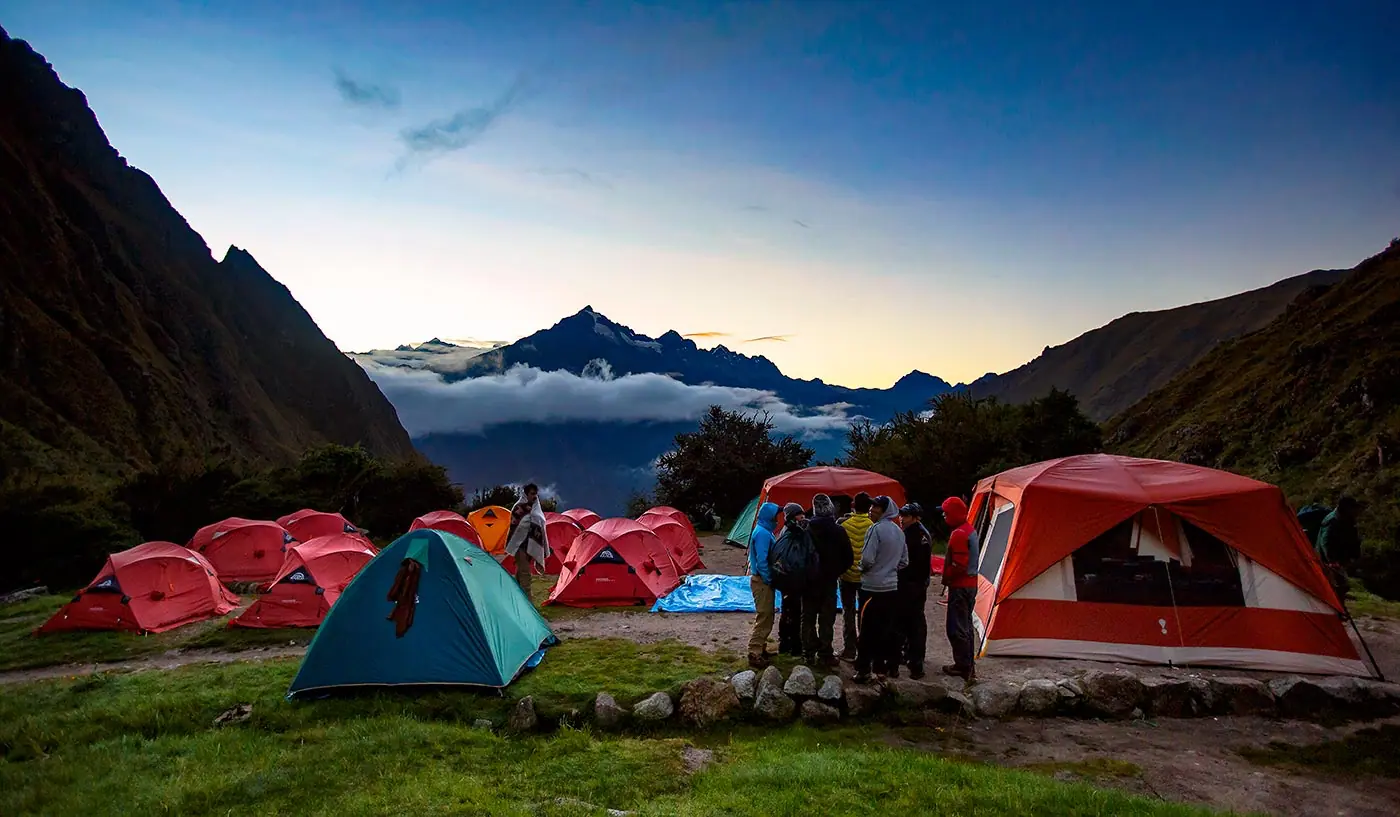
Classic Inca Trail 4 Days
Four days on the original Inca road, through cloud forest and mountain passes to the Sun Gate.
Price On request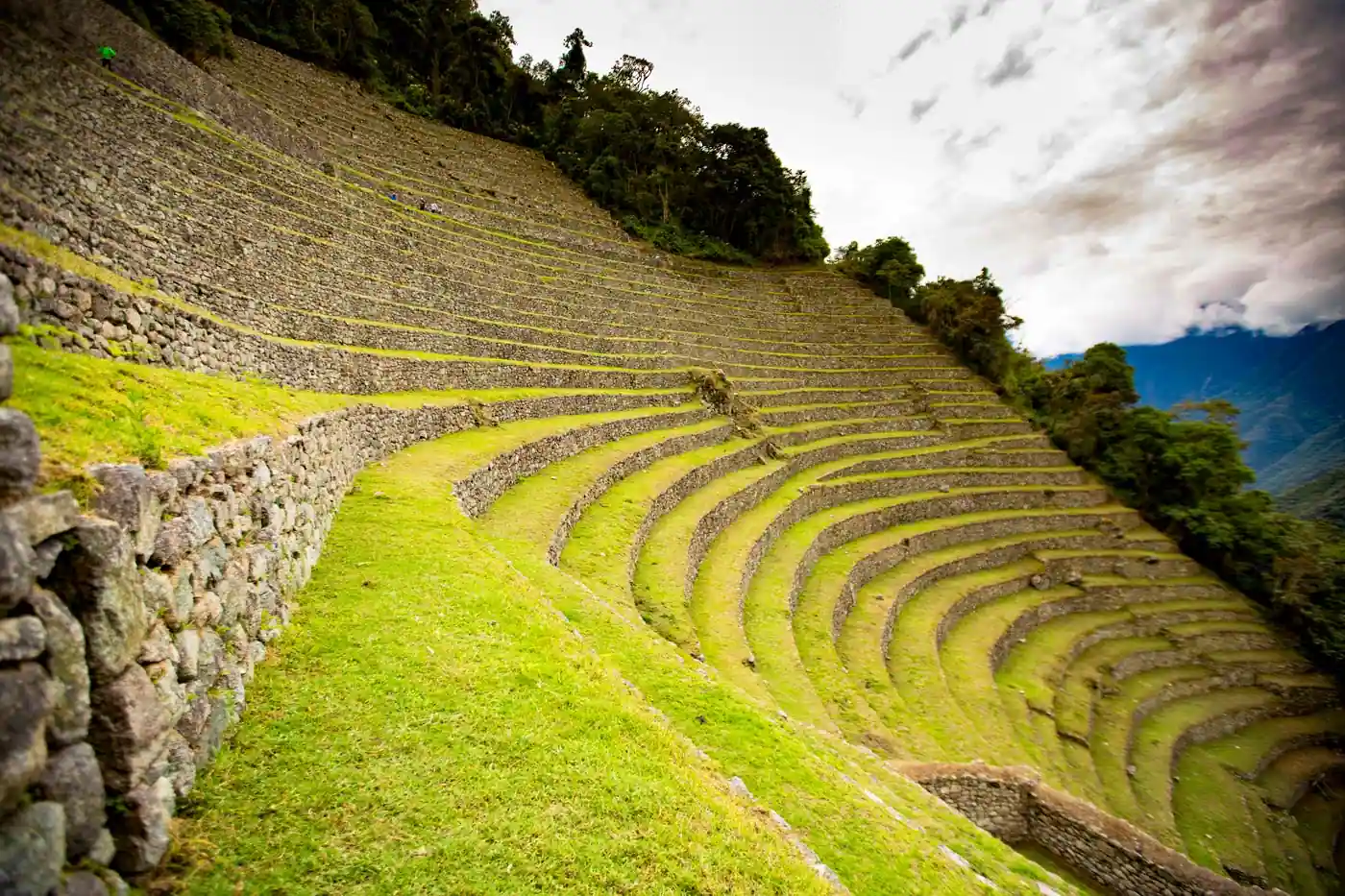 2 Days Inca Trail
Cusco to Machu Picchu
Short Inca Trail 2 Days
The final stretch of the Inca Trail in a single hiking day, past Wiñay Wayna to the Sun Gate.
Price On request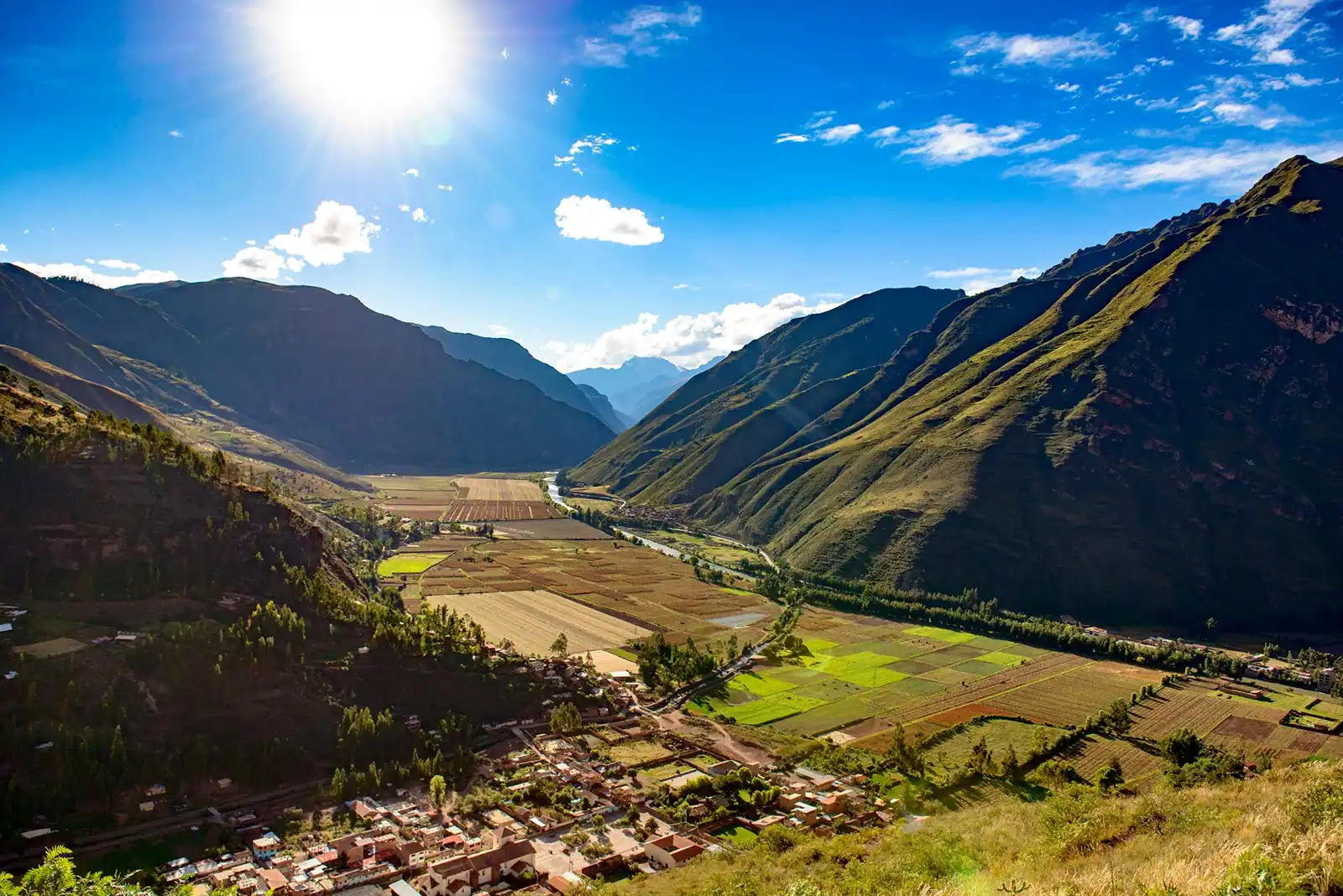 Full Day Day Tour
Cusco and the Sacred Valley
Sacred Valley Tour
A full day in the valley below Cusco: Inca terraces, market towns and the stone streets of Ollantaytambo, with a local guide.
Price On request
Plan your trip
Let’s Plan Your Trip Together
Tell us your dates, who’s traveling and what you’d like to see. Our team in Cusco will reply with availability, ideas and clear next steps.