Inca Trail Packing List: What to Bring (and What to Leave)
A practical packing list for the Inca Trail: layers for cold nights and hot days, boots, rain gear, what to rent in Cusco, documents, and what isn’t allowed on the trail.
In this guide11 sections
The short answer
Pack for four very different climates in one small bag: cold nights near freezing, strong sun at altitude, rain in the cloud forest and warm valleys. Bring broken-in boots, warm layers, a rain jacket, a sleeping bag (or rent one), your original passport and cash in soles. Leave glass, drones and metal-tipped poles behind.
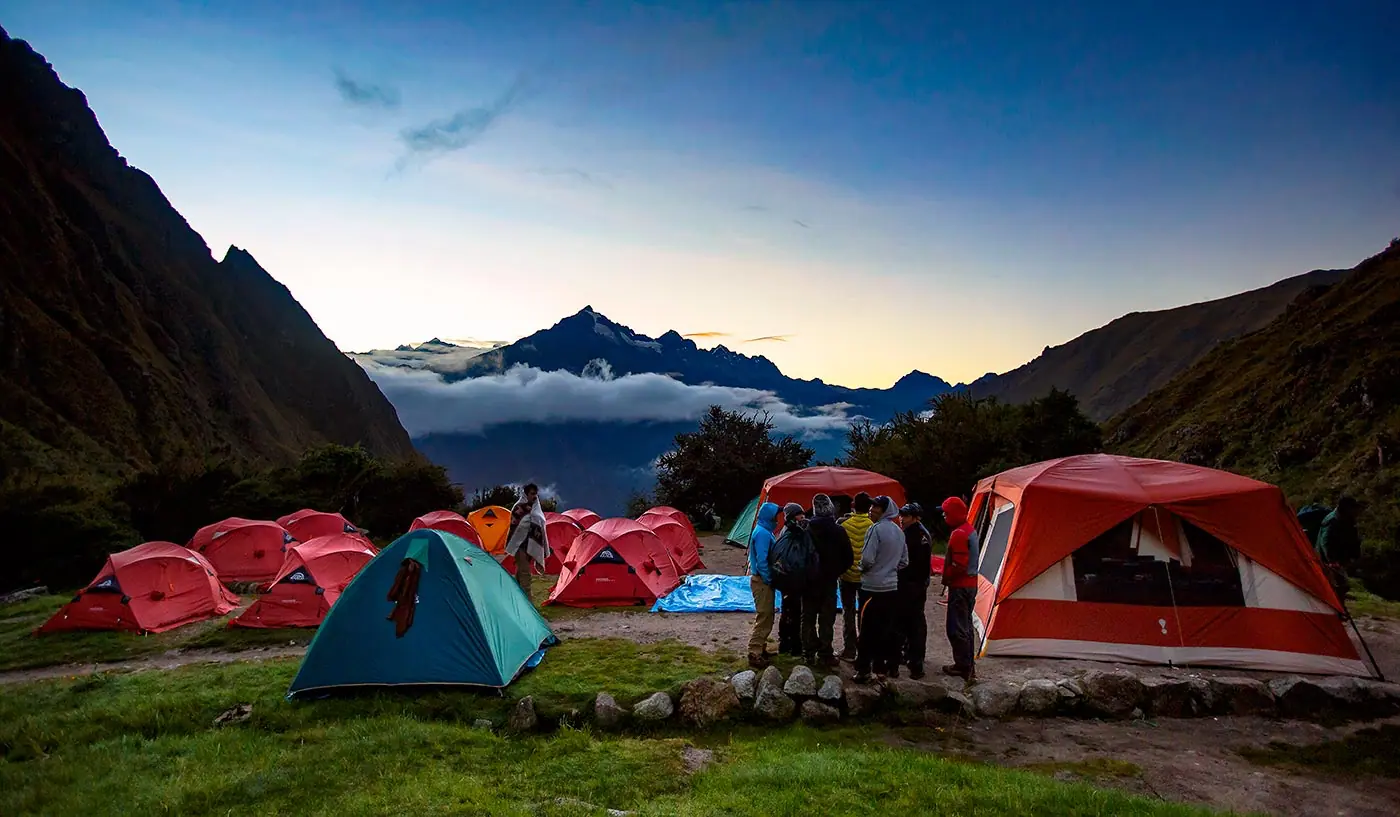
The Inca Trail rewards packing light and packing smart. On the four-day route, porters carry the tents, the kitchen and the food; what you carry is your daypack, and what goes in your duffel is limited by weight. On the Short Inca Trail, you carry everything yourself for a day and sleep in a hotel. Either way, the right few items matter far more than a long list.
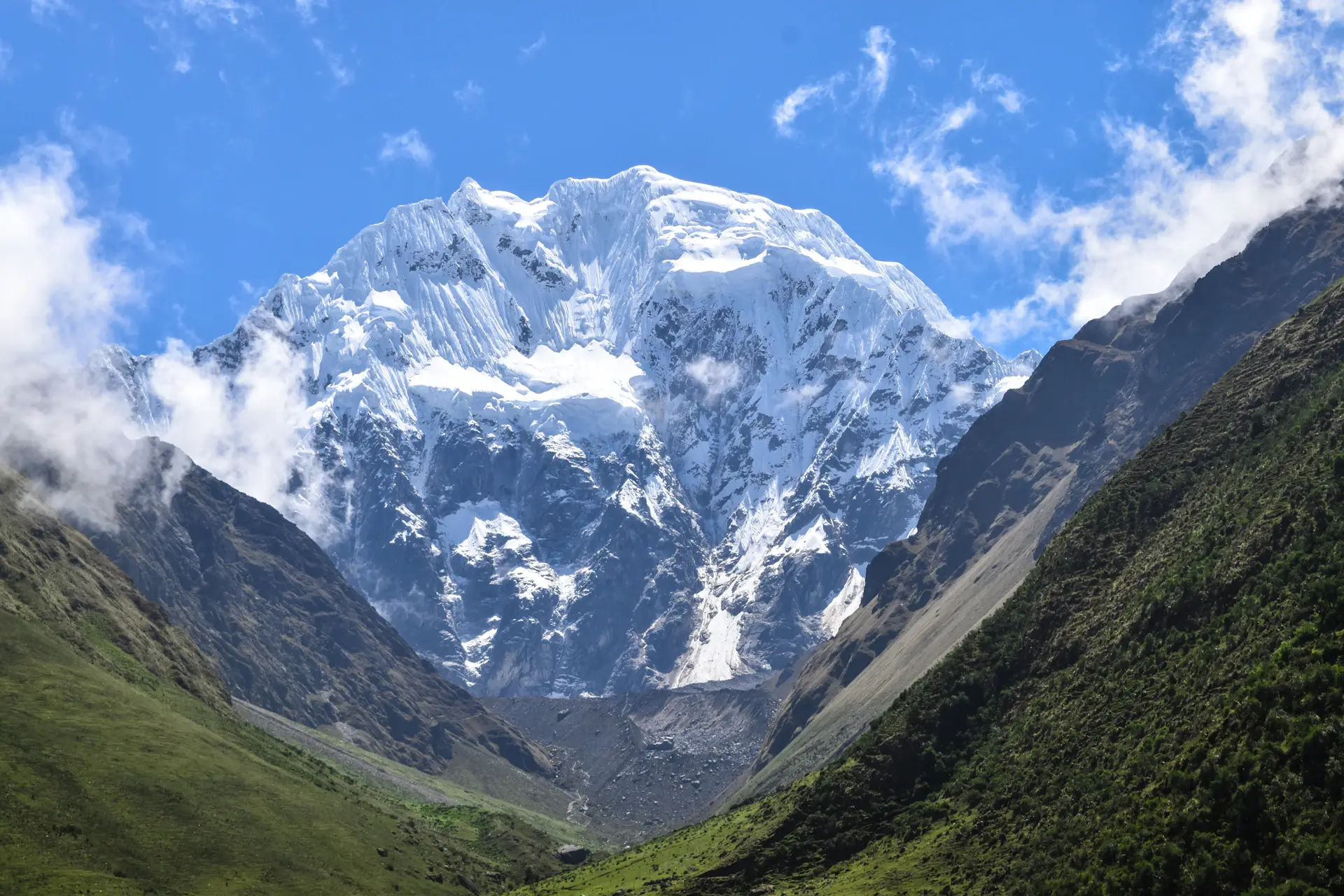
This list is built for the Classic Inca Trail. For the two-day route, skip the camping items and pack as for a long day hike with one night in town. Most of it also works for the Salkantay Trek, which is colder and higher on its first nights.
The Essentials
If you remember nothing else, remember these:
- Your original passport, the same one used for your permit
- Hiking boots you’ve already walked in for several days
- A warm insulating jacket (down or synthetic)
- A waterproof rain jacket, or a poncho that covers your pack
- A sleeping bag suitable for nights around freezing (bring or rent)
- A headlamp with spare batteries or a charged power bank
- A daypack of about 25 to 35 liters with a rain cover
- Refillable water bottles or a hydration bladder, about 2 liters in total
- Sunscreen, sunglasses and a sun hat
- Any personal medication, plus blister care
- Cash in soles, in small bills
Clothing Layers for Cold Nights and Hot Days
One day on the trail can start below freezing at a high camp and end in humid cloud forest, so think in layers you can add and remove quickly. Avoid cotton: it stays wet and cold.
- Two or three quick-drying T-shirts or base layers
- One warm long-sleeve base layer for sleeping
- A fleece or light insulating mid-layer
- A warm jacket for evenings and the pre-dawn start on the last day
- Hiking pants, ideally one pair with zip-off legs or a pair of shorts
- Rain pants in the rainy season, and a good idea in any month
- A warm hat and light gloves
- Hiking socks for each day, plus one dry pair kept for camp
- Comfortable clothes and sandals or light shoes for camp
Footwear
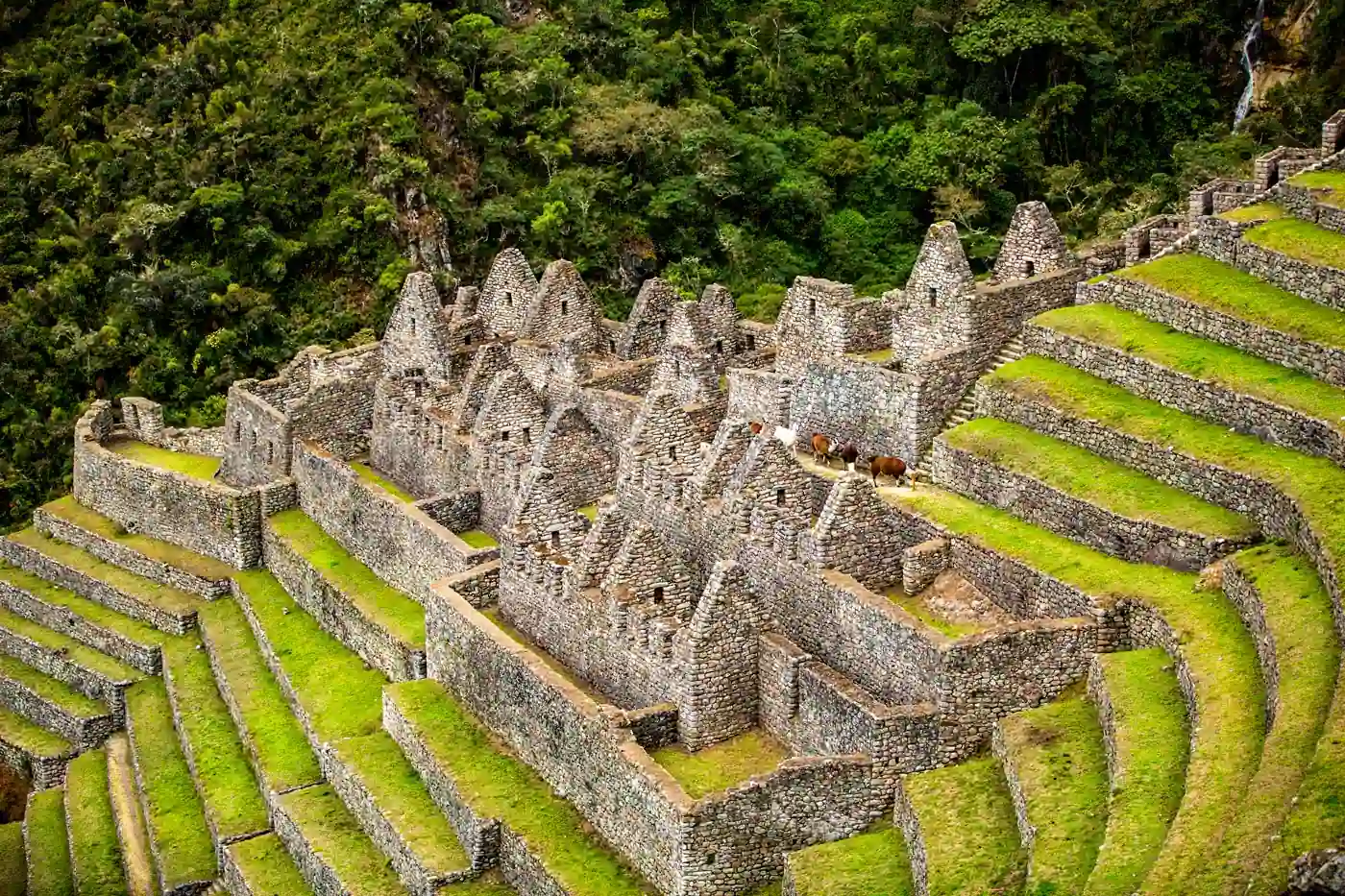
Your boots matter more than anything else you pack. The trail is paved with original Inca stone for long stretches, with thousands of uneven steps, especially on the descent from Dead Woman’s Pass and on the last day.
- Choose boots or sturdy trail shoes with good grip and ankle support, and break them in on several long walks before you travel.
- Bring good hiking socks and a small blister kit. Treat hot spots early.
- Trekking poles help a lot on the descents. On the Inca Trail, poles must have rubber tips over any metal point, a rule that protects the stone.
- Pack light shoes or sandals for camp and for the hotel night.
Daypack vs Porter Bag
On the four-day route, you’ll usually have two bags:
Your daypack, which you carry every day, holds what you need between camps: water, snacks, rain gear, a warm layer, sunscreen, your passport, cash, a camera and personal medication.
The porter duffel, if your tour includes a personal porter allowance or you hire an extra porter, carries your sleeping bag, spare clothes and camp items. It travels ahead with the team, so you won’t see it until camp. Ask your operator how much weight is allowed, because porters’ loads are weighed at the start of the trail, and pack a little below the limit.
If you don’t have a porter allowance, you carry everything except the group equipment. That’s very doable with a lighter kit and a well-fitted 40 to 50 liter pack.
Rent or Bring?
You don’t need to buy expensive gear for one trek. Cusco has plenty of rental shops, and many tour companies rent the bulky items.
| Item | Rent or bring? | Why |
|---|---|---|
| Sleeping bag | Rent if you don’t own a warm one | Bulky to fly with; you need one for nights around 0 °C (32 °F) |
| Trekking poles | Either | Easy to rent; rubber tips required on the trail |
| Sleeping mat | Check what’s included | Many tours include a mat; an inflatable one adds comfort |
| Boots | Bring your own | Rental boots aren’t broken in to your feet |
| Rain jacket | Bring | Something you already trust in a downpour |
| Down jacket | Either | Can be rented in Cusco if you don’t own one |
Sun, Rain and Water
The sun at 3,000 to 4,000 meters is strong even on a cold day, and sunburn happens fast. Pack high-factor sunscreen, lip balm with sun protection, sunglasses and a hat with a brim. In the rainy season, add dry bags or plastic bags inside your pack for clothes and electronics, because no rain cover is completely waterproof.
On a supported trek, the team boils and cools water for refills at meals and camp. Carry enough between refills, about two liters, and bring a bottle you can fill with hot water on cold nights: it doubles as a heater in your sleeping bag. Glass bottles aren’t allowed on the trail.
Personal Items and Health
- Toilet paper or tissues and a small bag to carry used paper out
- Hand sanitizer and biodegradable wet wipes: most campsites have no showers
- A small towel, toothbrush and basic toiletries
- Blister plasters, painkillers, anything for an upset stomach and your own prescriptions
- Insect repellent for the lower, humid sections
- Earplugs for campsites, which can be busy
- A light snack stash you like, for the long climb on day two
If you take medication for the altitude, talk to your doctor before the trip. Our guide to Cusco’s altitude covers acclimatization.
Documents and Money
- Passport: the original, not a copy, and the same passport listed on your permit. It’s checked at the trail entrance and at Machu Picchu.
- Student card: if you booked with a student rate, carry the card that was used for the booking.
- Cash: soles in small bills for tips, toilets at the trailhead, snacks and drinks at the first camps, and lunch in Aguas Calientes. There are no ATMs on the trail.
- Travel insurance details: keep the policy number and emergency phone number handy.
What Not to Pack
Some items aren’t allowed on the Inca Trail by regulation, and others aren’t allowed inside Machu Picchu on the last day.
Not allowed on the trail under its official regulation: glass bottles or containers, alcohol, drones and professional filming equipment without authorization, metal-tipped poles without rubber protectors, knives with blades longer than 7 cm, fuel, pets and musical instruments or speakers.
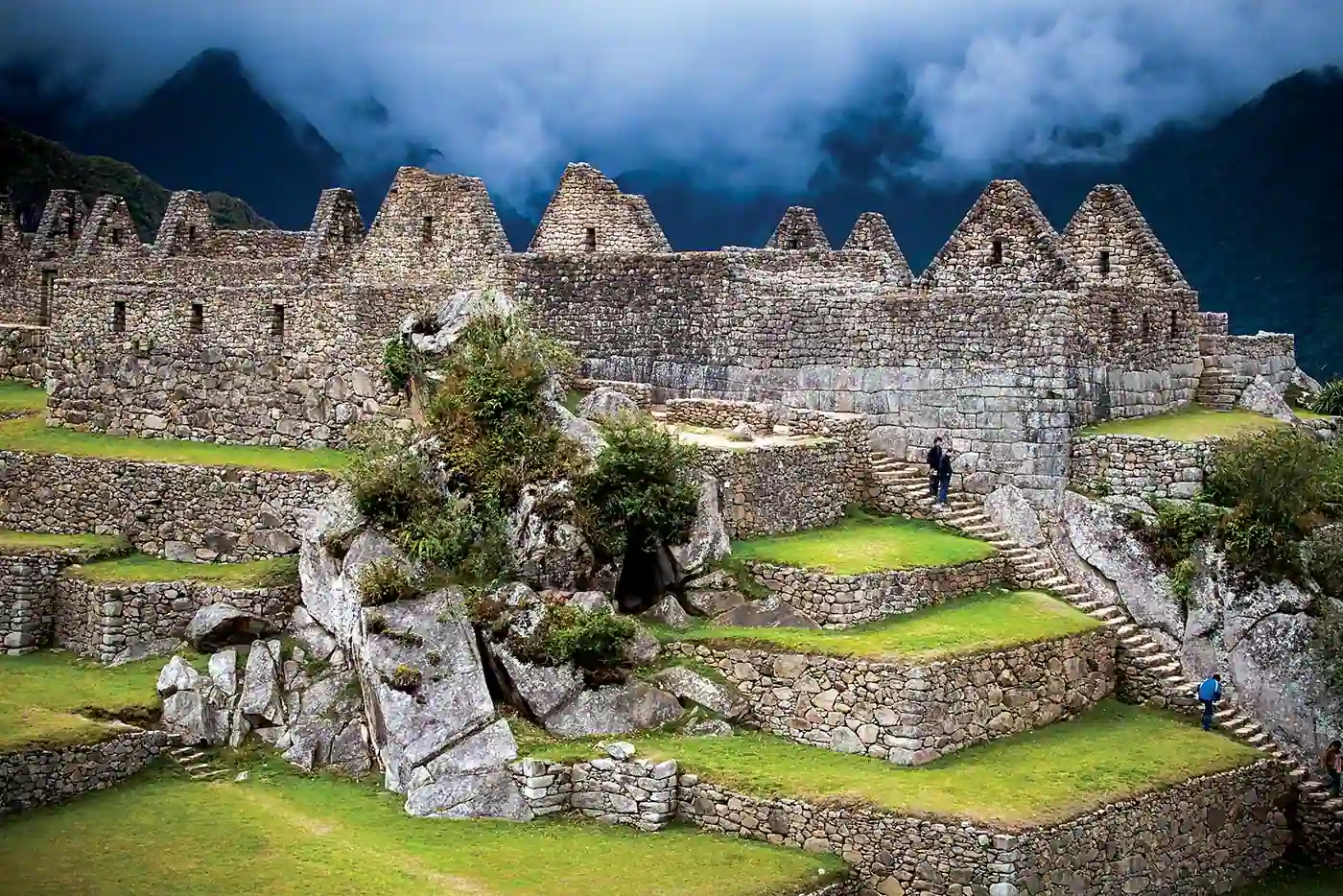
Not allowed inside Machu Picchu: large backpacks (bigger than 40 x 35 x 20 cm, about 16 x 14 x 8 inches), food, trekking poles, umbrellas, tripods and selfie sticks, among others. Your guide will explain what to do with poles and bigger bags on the last morning.
Worth leaving at your hotel in Cusco: your main suitcase, laptops, jewelry and anything you’d hate to lose. Hotels in Cusco usually store luggage for guests on a trek. Trains back from Aguas Calientes also limit luggage to a small bag per person.
Printable Checklist
Use this short version the night before you start.
- Passport (original) and student card if used
- Boots, camp shoes, socks for every day
- Base layers, mid-layer, warm jacket, hat, gloves
- Rain jacket, rain pants, pack cover, dry bags
- Sleeping bag, headlamp, power bank
- Water bottles, snacks, sunscreen, sunglasses, sun hat
- Toilet paper, sanitizer, wipes, toiletries, towel
- Medication, blister kit, insect repellent, earplugs
- Cash in soles, small bills
- Trekking poles with rubber tips
Still choosing your route? Our guide to how hard the Inca Trail is and the overview of Inca Trail tours are good next steps.
Frequently Asked Questions
How much weight can a porter carry for me?
It depends on your tour. Some include a personal allowance, and others let you hire an extra porter. Porters’ loads are weighed at the start of the trail, so ask your operator for the exact weight allowed before you pack.
Do I need a sleeping bag if I do the Short Inca Trail?
No. The two-day route ends at a hotel in Aguas Calientes, so you only need a daypack for the hiking day and a small overnight bag.
Can I use trekking poles on the Inca Trail?
Yes, as long as the tips are covered with rubber protectors. Poles aren’t allowed inside Machu Picchu itself, so your guide will tell you where to leave them on the last day.
Should I bring hiking boots or trail runners?
Either can work if they’re broken in and have good grip. Many people prefer boots for the ankle support on the long stone staircases, especially on the descents.
Is there drinking water on the trail?
On a supported trek, the team boils and cools water for refills. Carry about two liters between refills. You can also buy bottled drinks at the first campsites.
Official Sources & Updates
Rules, tickets and closures are set by Peruvian authorities and can change. We last checked this guide against these sources on .