Cusco Altitude: How to Acclimatize and Avoid Altitude Sickness
How high Cusco is, what the altitude feels like, a calm plan for your first 48 hours, why starting in the Sacred Valley helps and how many days to allow before a trek.
In this guide10 sections
The short answer
Cusco sits at about 3,400 m (11,150 ft), and most visitors feel it on the first day: shortness of breath, a mild headache, poor sleep. Give yourself two easy days before anything strenuous, or sleep lower in the Sacred Valley first. Talk to your doctor before the trip, and descend and get help if symptoms get worse instead of better.
Nobody can promise you won’t feel the altitude in Cusco. It affects people differently, and being fit doesn’t protect you. What you can do is plan your first days so your body has time to adjust, and know which signs mean it’s time to rest and which mean it’s time to get help. This guide is general travel planning information, not medical advice; your own doctor is the right person for questions about your health.
How High Is Cusco?
Cusco’s historic center is at about 3,400 m (11,150 ft) above sea level. Most flights arrive from Lima, on the coast, so you go from sea level to high altitude in about an hour and a half. That fast jump is why the first 24 to 48 hours matter so much.
Many of the places you’ll visit are lower than the city, and a few are much higher:
| Place | Altitude | Compared with Cusco |
|---|---|---|
| Aguas Calientes | About 2,040 m (6,690 ft) | Much lower |
| Machu Picchu | About 2,430 m (7,970 ft) | Much lower |
| Sacred Valley floor (Urubamba, Ollantaytambo) | About 2,800 to 2,900 m (9,200 to 9,500 ft) | Lower |
| Cusco | About 3,400 m (11,150 ft) | — |
| Chinchero | About 3,760 m (12,340 ft) | Higher |
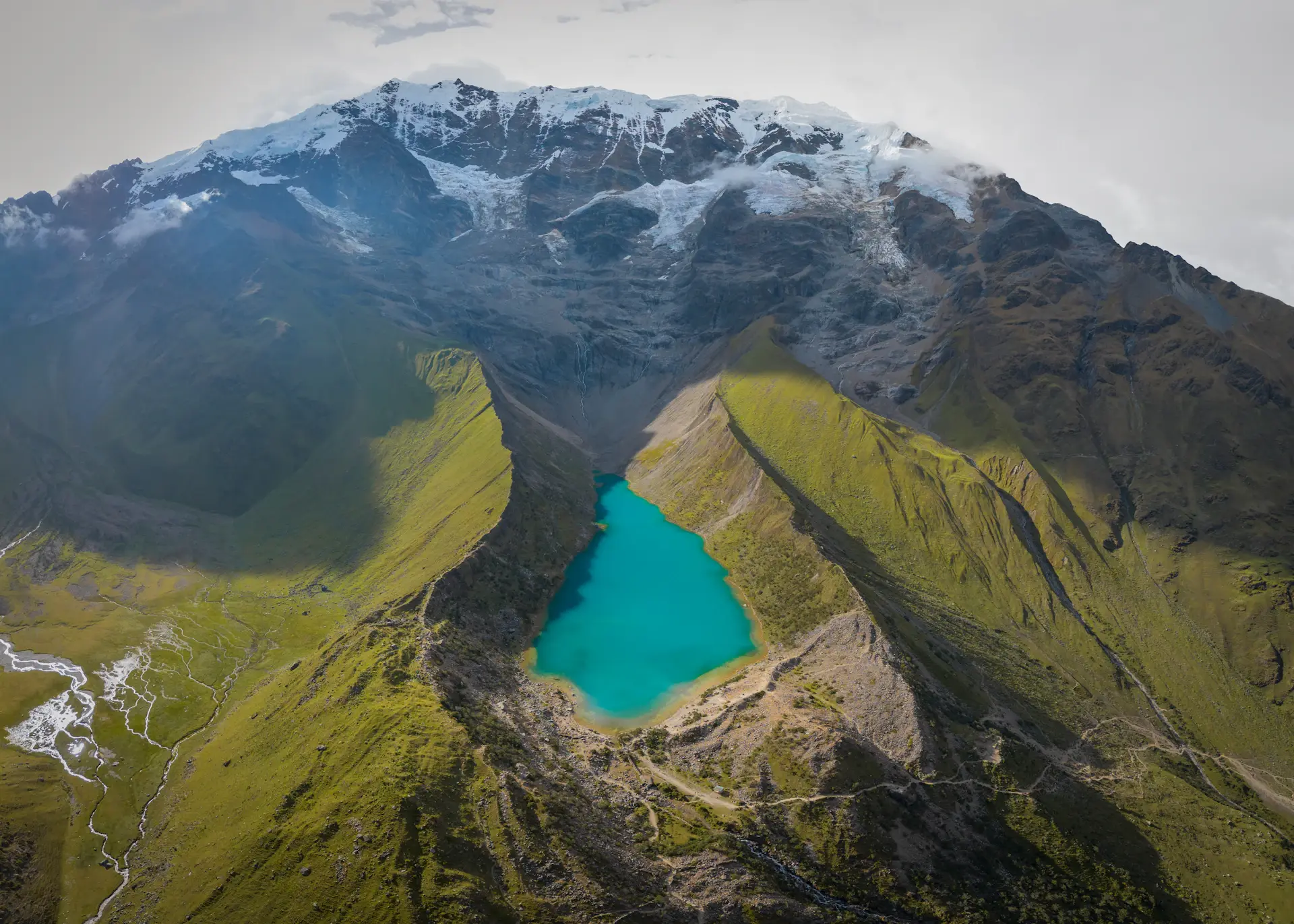
| Humantay Lake | About 4,200 m (13,780 ft) | Much higher |
| Dead Woman’s Pass, Inca Trail | 4,215 m (13,829 ft) | Much higher |
| Salkantay Pass | About 4,600 m (15,100 ft) | Much higher |
| Rainbow Mountain viewpoint | About 5,000 m (16,400 ft) | Much higher |
What Altitude Sickness Feels Like
At Cusco’s height, the air holds noticeably less oxygen with every breath. Almost everyone feels a little breathless on stairs at first. Acute mountain sickness, the mild and common form of altitude illness, usually shows up within the first hours or day after arrival, and it’s often compared to a hangover:
- A headache, usually with one or more of the following
- Tiredness or lack of energy
- Loss of appetite or nausea
- Dizziness
- Poor sleep
For most people these symptoms are mild and ease within a day or two with rest. U.S. travel health guidance lists a few warning signs that need urgent attention: confusion, trouble walking in a straight line, severe breathlessness even at rest, or a cough with frothy or bloody sputum. Those call for descending and getting medical help right away, whatever the time of day.
A Smart First 48 Hours
The general advice from U.S. health authorities for travelers at high altitude is simple: take it easy for the first two days, with only mild activity, and avoid alcohol for the first 48 hours. In Cusco, that translates into a gentle plan:
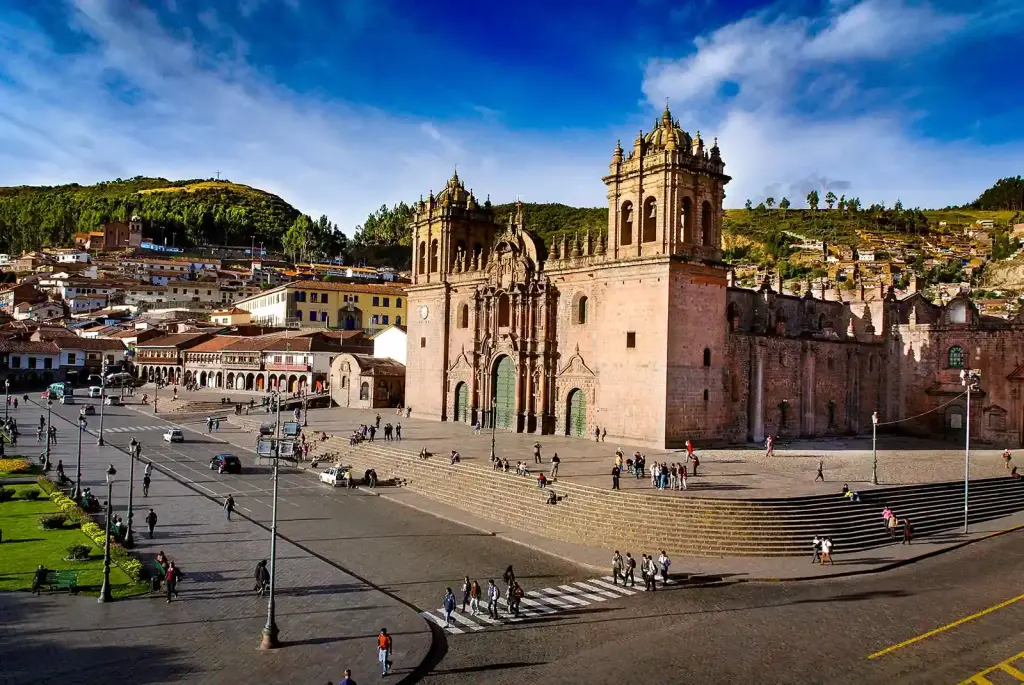
- Day one: rest after your flight, take a short walk around the Plaza de Armas and San Blas, eat a light dinner and go to bed early.
- Day two: explore the historic center slowly: the cathedral, the Qorikancha, the markets. Take stairs one step at a time and sit down often.
- Throughout: drink water regularly, eat light meals and keep caffeine and heavy food moderate.
Save the high day hikes, like Rainbow Mountain or Humantay Lake, for later in your stay, not your first days. Our guide to things to do in Cusco has plenty of calm ideas for the first days.
What about coca tea and oxygen?
You’ll be offered coca tea everywhere in Cusco. It’s a traditional Andean drink, and many visitors find it comforting on the first days. It isn’t a substitute for acclimatizing or for medical advice, and coca products can lead to a positive result on some drug tests, so skip it if that matters for your work.
Some hotels offer bottled oxygen or oxygen-enriched rooms. Oxygen can ease symptoms for a while, but it doesn’t speed up acclimatization, and it’s no reason to rush your first days.
Start Low: the Sacred Valley Strategy
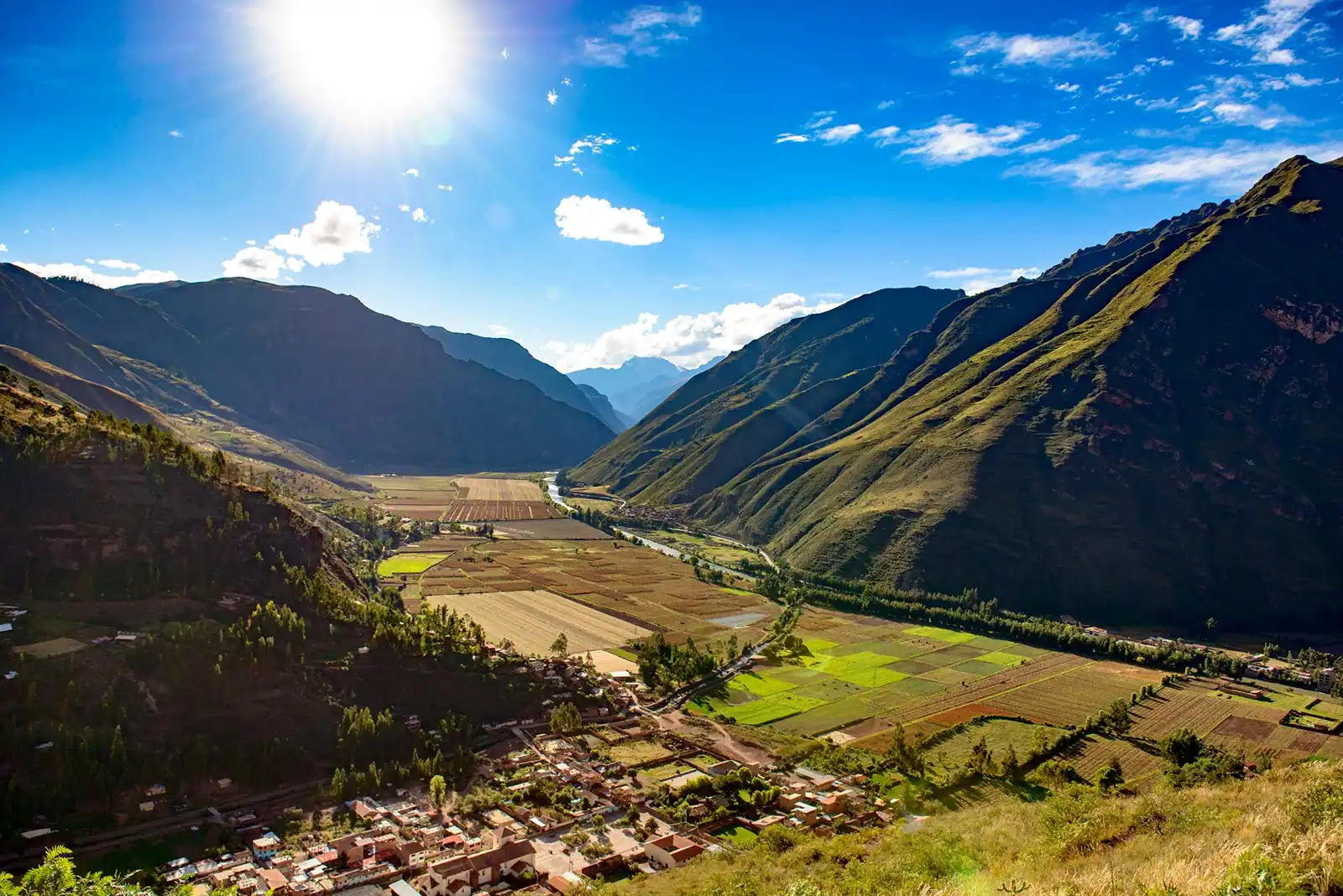
Health guidance for high-altitude travel recommends climbing gradually and, where possible, spending the first nights at a lower altitude before going higher. Around Cusco, the natural way to do that is to begin in the Sacred Valley, several hundred meters lower than the city.
From the airport, you can drive straight down to the valley, stay two or three nights around Urubamba or Ollantaytambo, visit the Inca sites and markets, take the train to Machu Picchu, which is lower again, and only then spend your nights in Cusco. By the time you’re in the city, your body has had time to adjust, and the steep streets feel much easier.
Our Sacred Valley and Machu Picchu 2-day tour follows that logic, and our guide to the Sacred Valley explains the villages and where to stay.
How Many Days Before a Trek?
The higher and longer the trek, the more time you need. As a planning guide:
- Short Inca Trail and Machu Picchu by train: at least one or two days in Cusco or the Sacred Valley first. Both are lower than Cusco.
- Classic Inca Trail and Lares: at least two full days; three is better.
- Salkantay: at least two or three nights, ideally with an easy day hike.
- Ausangate and Rainbow Mountain: three or four nights at Cusco’s altitude, including a higher day hike before, such as Humantay Lake.
Our guide to how many days to spend in Cusco builds these into sample itineraries, and the guide to how hard the Inca Trail is covers altitude on the trail.
Common Mistakes in the First Days
Most altitude trouble we see comes from a few avoidable choices:
- Booking a big day on day one. A city tour straight after an early flight, or a hike the next morning, leaves no time to adjust.
- Racing up the stairs. Cusco’s streets and the ruins above the city are steep. Walk at half your usual pace for the first days.
- Celebrating the arrival. A pisco sour on the first night hits harder at 3,400 m, and alcohol makes symptoms worse.
- Skipping meals and water. Loss of appetite is common; eat light meals and drink regularly anyway.
- Ignoring the signals. A headache that gets worse, vomiting or unusual breathlessness are reasons to rest, tell someone and get help if they don’t improve.
A Good Order for Day Trips and Treks
The order in which you do things matters as much as the number of days. A sequence that works for most travelers:
- The Sacred Valley, lower than Cusco, for the first nights.
- Machu Picchu, lower again, by train from Ollantaytambo.
- Cusco itself, once you’ve had a few days to adjust.
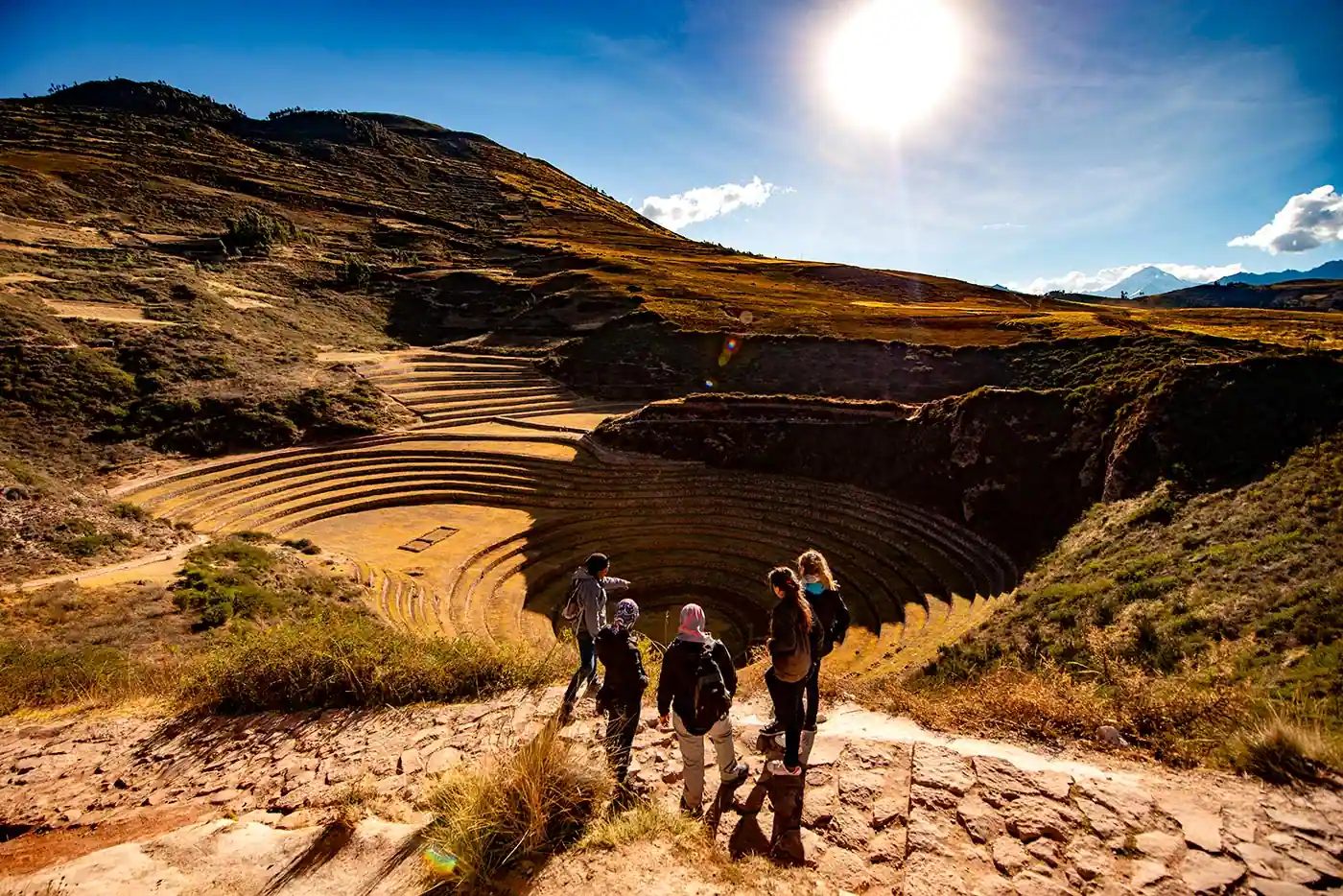
- Easy outings above Cusco, such as Maras and Moray or the Inca sites on the hills.
- High day hikes, first Humantay Lake, then Rainbow Mountain if you feel well.
- Multi-day treks like Salkantay or Ausangate, only after several days in the region.
Our comparison of Rainbow Mountain and Humantay Lake explains why Humantay usually comes first.
Kids and Altitude
Children are as likely as adults to feel the altitude, according to U.S. travel health guidance, and younger children may not be able to tell you what’s wrong. Watch for changes in mood, sleep, appetite or energy, and give them the same slow start you give yourself. Starting in the Sacred Valley works particularly well for families. Talk to your pediatrician before the trip. Our family planning guide covers the rest.
When to See a Doctor
Before you travel, see your doctor if:
- You have a heart or lung condition, sleep apnea, sickle cell trait, or you’re pregnant.
- You’ve had altitude illness before.
- You want to ask about preventive medication; some travelers are prescribed it for high-altitude trips.
During your trip, get medical help if symptoms get worse despite rest, or if you notice any of the warning signs above. Cusco has clinics and hospitals used to treating visitors, and your hotel or guide can help you reach one. Travel insurance that covers medical care and evacuation at altitude is worth having.
What we see every season
The travelers who enjoy Cusco most are the ones who don’t try to do everything on day one. Book your arrival day with nothing on it. The city will still be there tomorrow.
Frequently Asked Questions
How high is Cusco?
About 3,400 m (11,150 ft) above sea level in the historic center. Machu Picchu and the Sacred Valley are lower; Rainbow Mountain and the high treks are much higher.
How long does it take to acclimatize to Cusco?
It varies. Many people feel much better after one or two days of taking it easy. Your body keeps adjusting for longer, which is why higher treks need more days in the region first.
Does coca tea prevent altitude sickness?
There’s no guarantee. Coca tea is a traditional drink many visitors find comforting, but it doesn’t replace a gradual start. Coca products can also show up on some drug tests.
Should I take altitude medication?
That’s a question for your doctor. Some travelers are prescribed medication to help them acclimatize, depending on their health and itinerary.
Is it better to stay in the Sacred Valley first?
For many travelers, yes. The valley is several hundred meters lower than Cusco, so your first nights are easier, and it makes a natural first stop before Machu Picchu.
Official Sources & Updates
Rules, tickets and closures are set by Peruvian authorities and can change.