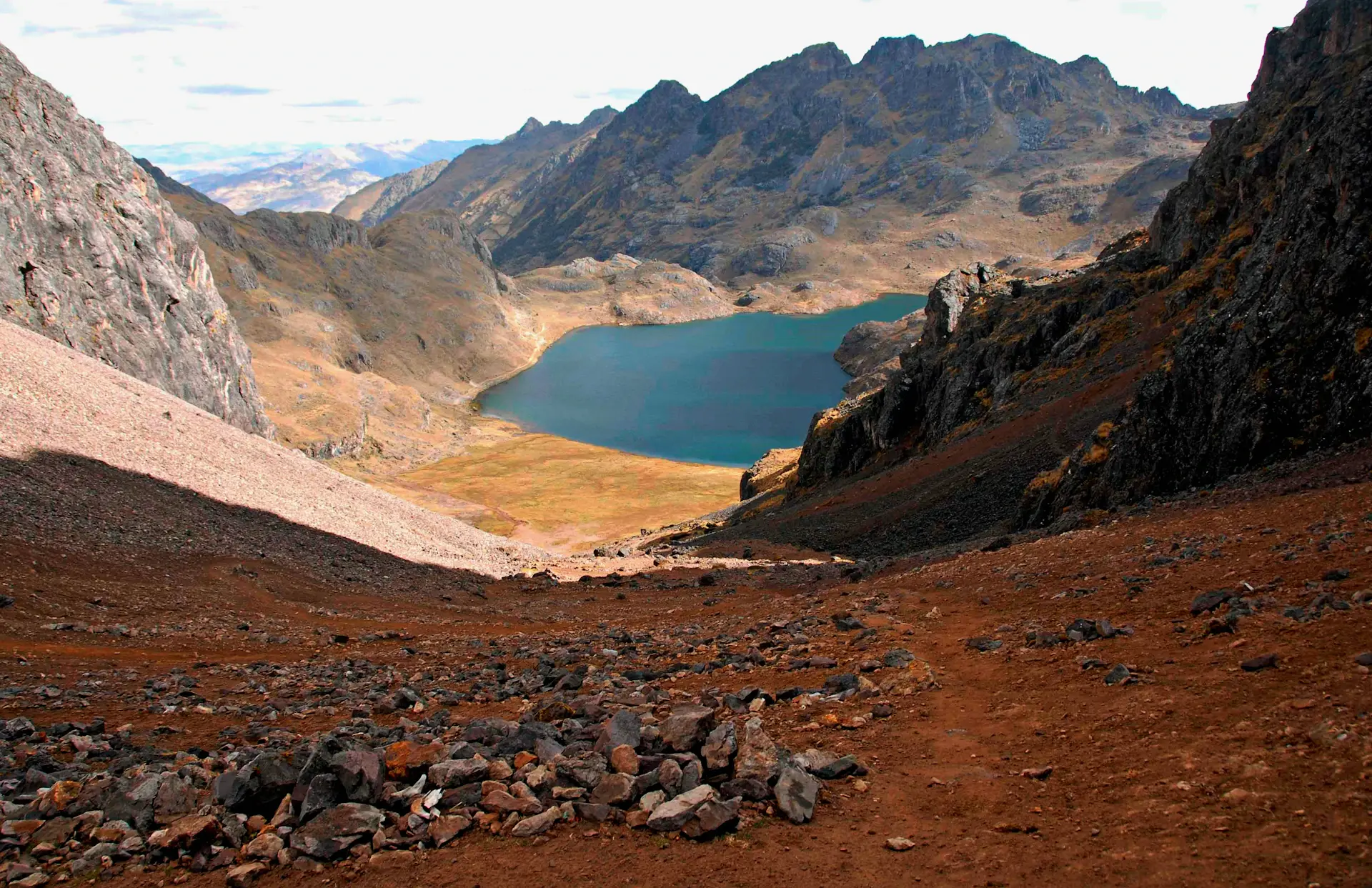
Choquequirao Trek 4 Days
- 4 Days
- 3 Nights
- Demanding
- Trekking
- Cachora to Choquequirao
Hike down into the Apurímac Canyon and up to Choquequirao, a vast Inca site with terraces, plazas and very few visitors, on a demanding four-day trek from Cusco.
Trip facts
- Duration 4 Days / 3 Nights
- Difficulty Demanding
- Max altitude 3,050 m / 10,007 ft
- Best season May to October
- Distance 60 km / 37 mi round trip on foot, approximate
- Meals Included on the trek (confirmed with your quote)
- Accommodation Camping (3 nights)
- Transportation By road to and from Cachora (about 4 hours each way)
- Guide Local trekking guide
Overview
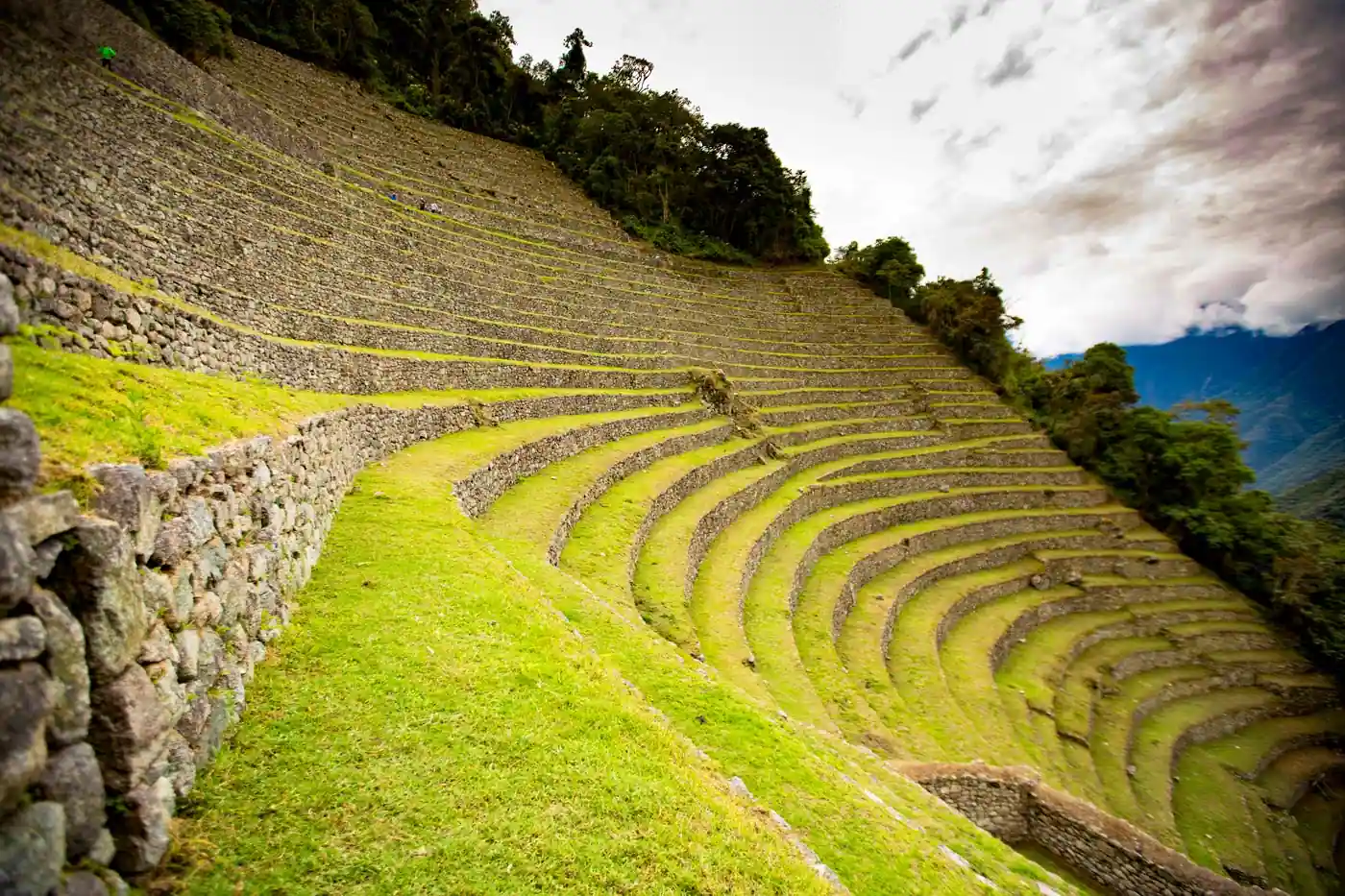
Choquequirao is a large Inca site on a mountain spur high above the Apurímac River, in the Vilcabamba range west of Cusco. It has plazas, temples, water channels and long flights of terraces, including a famous group decorated with white stone llamas, and much of it is still covered by forest. There’s no road and no train: the only way in is on foot, which is why on many days you’ll share the site with just a handful of other people.
Getting there is the challenge. From the village of Cachora, a four-hour drive from Cusco, the trail drops about 1,400 m (4,600 ft) into the Apurímac Canyon to cross the river, then climbs around 1,500 m (4,900 ft) up the other side to the site. On a round-trip trek you do both again on the way back. The canyon floor is hot and dry, the upper slopes are cooler and green, and the views across the gorge to snowcapped peaks are huge.
This four-day route is an out-and-back trek: two days to reach Choquequirao, with time to explore the site, and the return by the same trail. Nights are spent camping, and local muleteers usually carry the camping gear. It’s a demanding trek, closer to a long hiking challenge than a cultural tour, and it suits experienced hikers who are happy with big elevation changes, heat and basic campsites.
Choquequirao doesn’t include a visit to Machu Picchu, and it isn’t trying to be another Machu Picchu. It’s a different experience: quieter, wilder and much harder to reach. If you want to finish your trek at Machu Picchu instead, look at our 5-day Salkantay route or the Classic Inca Trail. We confirm the campsites, meals and trail conditions with your quote. See how Choquequirao compares with our other treks.
Highlights
- Explore Choquequirao, a vast Inca site reached only on foot
- See the terraces decorated with white stone llamas
- Hike into one of the deepest canyons in the Andes and cross the Apurímac River
- Share the site with very few other visitors
- Camp with views across the canyon to snowcapped peaks
Itinerary
Day 1:
Cusco to Cachora and down into the canyon
An early drive to the trailhead and a long descent toward the Apurímac River.We leave Cusco early and drive west for about four hours to the trailhead near Cachora, where you meet the muleteers. From a viewpoint at the start of the trail, you see the canyon and, on a clear day, the site of Choquequirao on the far slope. The rest of the day is a long, zigzagging descent through dry scrub, getting hotter as you go down, to a campsite in the canyon.
- Starts
- Cusco
- Ends
- Camp in the canyon
- Meals
- Lunch and dinner
- Accommodation
- Camping
The descent is steep and dusty. Poles and good grip make a big difference.
Day 2:
Across the river and up to Choquequirao
Cross the Apurímac River and make the long climb up the far side toward Choquequirao.After crossing the Apurímac River, the trail climbs steadily up the opposite side of the canyon. It’s the hardest climb of the trek, so an early start helps avoid the midday heat. As you gain height, the vegetation turns greener, and you pass the small settlement of Marampata before continuing to the area near the site.
Depending on your timing, you may begin exploring Choquequirao in the late afternoon, with the terraces and plazas in warm evening light.
- Starts
- Camp in the canyon
- Ends
- Camp near Choquequirao
- Meals
- Breakfast, lunch and dinner
- Accommodation
- Camping
Day 3:
Exploring Choquequirao and heading back down
A morning visit to Choquequirao with your guide, then the descent back toward the river.The morning is for Choquequirao. With your guide you explore the main plaza, the ceremonial platforms, the houses and the water channels, and walk out to the terraces with their white stone llamas, laid into the walls in patterns that stand out against the dark stone. Your guide explains what’s known about the site’s history and its connection to the late Inca period, and how much of it is still being uncovered.
After lunch you start the long descent back toward the river, camping partway down or near the canyon floor.
- Starts
- Camp near Choquequirao
- Ends
- Camp on the descent
- Meals
- Breakfast, lunch and dinner
- Accommodation
- Camping
Day 4:
The climb out and return to Cusco
An early climb back up to the trailhead and the drive to Cusco.The last day starts early to make the most of the cool morning for the climb back up to the rim near Cachora. It’s a steep, steady ascent, and reaching the top, with the canyon below you, is a real sense of achievement. A vehicle meets you at the trailhead for the drive back to Cusco, arriving in the evening.
- Starts
- Camp on the descent
- Ends
- Cusco
- Meals
- Breakfast and lunch
What’s Included
Included
- Local trekking guide
- Transportation from and back to your hotel in Cusco
- Camping equipment and a trek cook (details confirmed with your quote)
- Meals on the trek, as listed in your confirmed itinerary
- Muleteers and mules to carry the camping gear
Not included
- Choquequirao entrance ticket, unless shown in your quote
- Sleeping bag and trekking poles (available to rent)
- Riding mule or horse, if you want one
- Travel insurance
- Tips for your guide, cook and muleteers
Campsites, meals, mule allowance and every inclusion are confirmed in writing with your quote.
What to Bring
Documents
- Passport or a copy for the site entrance
- Cash in Peruvian soles for drinks and snacks along the trail and tips
Clothing
- Broken-in hiking boots with good grip for steep, loose descents
- Light, breathable clothes for the hot canyon floor
- A fleece and a warm jacket for evenings at the upper camps
- Sun hat and a lightweight long-sleeved shirt for sun protection
Gear
- Sleeping bag rated to about 0 °C (32 °F), your own or rented
- Trekking poles: strongly recommended for this trail
- At least 2 liters of water capacity and electrolyte tablets
- Headlamp with spare batteries
Health & personal
- High-SPF sunscreen and strong insect repellent
- Blister care and a personal first-aid kit
Food, Lodging & Transport
Food & meals
The trek cook prepares fresh meals at camp and lunch on the trail, with plenty of drinks to keep you hydrated in the heat. Small family-run stops along the path sometimes sell cold drinks and fruit. Tell us about dietary needs when you book. The meals included on the first and last days are confirmed with your quote.
Accommodation
You camp for three nights at campsites along the trail, some near the canyon floor and some on the slopes near Choquequirao. Facilities are basic, often limited to simple toilets and a water source, and the campsites are run by local families. We confirm your campsites with your quote.
Transportation
The trailhead near Cachora, in the Apurímac region, is about four hours from Cusco by road, following the highway west through the Apurímac valley. A vehicle drops you at the start of the trail and picks you up at the end of the trek for the drive back to Cusco.
Difficulty & Altitude
- Difficulty
- Demanding
- Highest point
- 3,050 m / 10,007 ftChoquequirao (the upper sectors are a little higher; the river crossing is at about 1,500 m)
Fitness
We rate Choquequirao as demanding. The altitude is moderate, but the elevation changes are relentless: a descent of about 1,400 m, a climb of around 1,500 m, and the same again on the way back. Days are long, the trail is steep and loose in places, and the canyon floor can be very hot.
This trek is for experienced hikers in strong physical condition, with healthy knees. Training with long hill walks and descents is essential. Riding mules can sometimes be arranged for the steepest sections at extra cost; ask us when you book.
Altitude
Choquequirao sits at about 3,050 m (10,000 ft), and the trailhead near Cachora at roughly 2,900 m (9,500 ft). The lowest point, where you cross the Apurímac River, is around 1,500 m (4,900 ft). So altitude sickness is less of a concern than on the high treks near Cusco, but the heat and the climbing are much more so.
Spend at least two nights in Cusco before the trek to adjust to the altitude, and plan your water carefully on the canyon sections.
Permits, Tickets & Rules
- Entrance ticket. Choquequirao is an archaeological park managed by Peru’s Ministry of Culture, and visitors pay an entrance fee. We confirm the current fee and whether it’s included in your quote.
- Trail conditions and closures. Heavy rain can damage the trail. In early 2026 the Ministry of Culture temporarily suspended access for safety during the rainy season and reopened the Cachora route in April. We check the current status before confirming any date.
- No trekking permit quota. Unlike the Inca Trail, there’s no daily permit limit for the route.
Traveling with Family
We don’t recommend this trek for children. The long, steep climbs, the heat in the canyon and the length of each day make it a serious challenge even for fit adults. Experienced teenage hikers may be able to join, and we’d want to discuss it with you first.
Talk with our local team about whether this route fits your family.
Frequently Asked Questions
Does this trek include Machu Picchu?
No. This is an out-and-back trek to Choquequirao, returning to Cusco. We can combine it with a separate Machu Picchu trip if you have extra days.
How hard is the climb out of the canyon?
Very hard. You gain around 1,500 m on the way to the site and climb back up about 1,400 m on the last day. Early starts, steady pacing and plenty of water make it manageable for strong hikers.
Is it hot?
The canyon floor, at about 1,500 m, can be very hot and sunny in the middle of the day. The upper camps are much cooler at night. Pack for both.
Can mules carry my bag?
Mules carry the camping gear, and usually a limited amount of personal gear. We confirm the weight allowance with your quote. Riding mules can sometimes be arranged at extra cost.
Is Choquequirao open all year?
The site can close temporarily when heavy rain damages the trail, as happened in early 2026 before the Cachora route reopened in April. The best time to go is May to October, and we always check the current status before booking.
How does it compare with the Inca Trail?
The Inca Trail follows an original Inca road to Machu Picchu and needs a permit. Choquequirao is harder, hotter and much quieter, with a single large site as the goal.
How much of the site will we see?
You’ll visit the main sectors, including the plazas, temples and the llama terraces. The site is very large and parts of it are still covered by forest.
Route
Route map coming soon
Route at a glance
- Cusco, about 3,400 m (11,150 ft)
- Cachora trailhead, about 2,900 m (9,500 ft)
- Apurímac River crossing, about 1,500 m (4,900 ft)
- Marampata, on the slope below the site
- Choquequirao, about 3,050 m (10,000 ft)
- Return by the same trail to Cachora and Cusco
An out-and-back route from Cachora, crossing the Apurímac Canyon to Choquequirao on the far side. A route map and elevation profile are being prepared.
Tour Video
Our video for this tour is coming soon. Until then, we’re happy to answer your questions on WhatsApp or by email.
Travel Tips for This Trip
Why DSL Adventures
Planned by a Local Team in Cusco
-
Based in Cusco
Your trip is planned by people who live here and know the region’s seasons, roads and trails.
-
Local Guides
Guides from the region who know the trails, the history and the communities along the way.
-
Direct Communication
One conversation with the team organizing your trip, from your first question to your last day.
-
Personalized Planning
Dates, pace and details shaped around your group.
-
Visual Storytelling
Photos and stories from our routes help you picture each day before you go.
 5 Days Trek
Salkantay and Llactapata to Machu Picchu
Salkantay Trek 5 Days
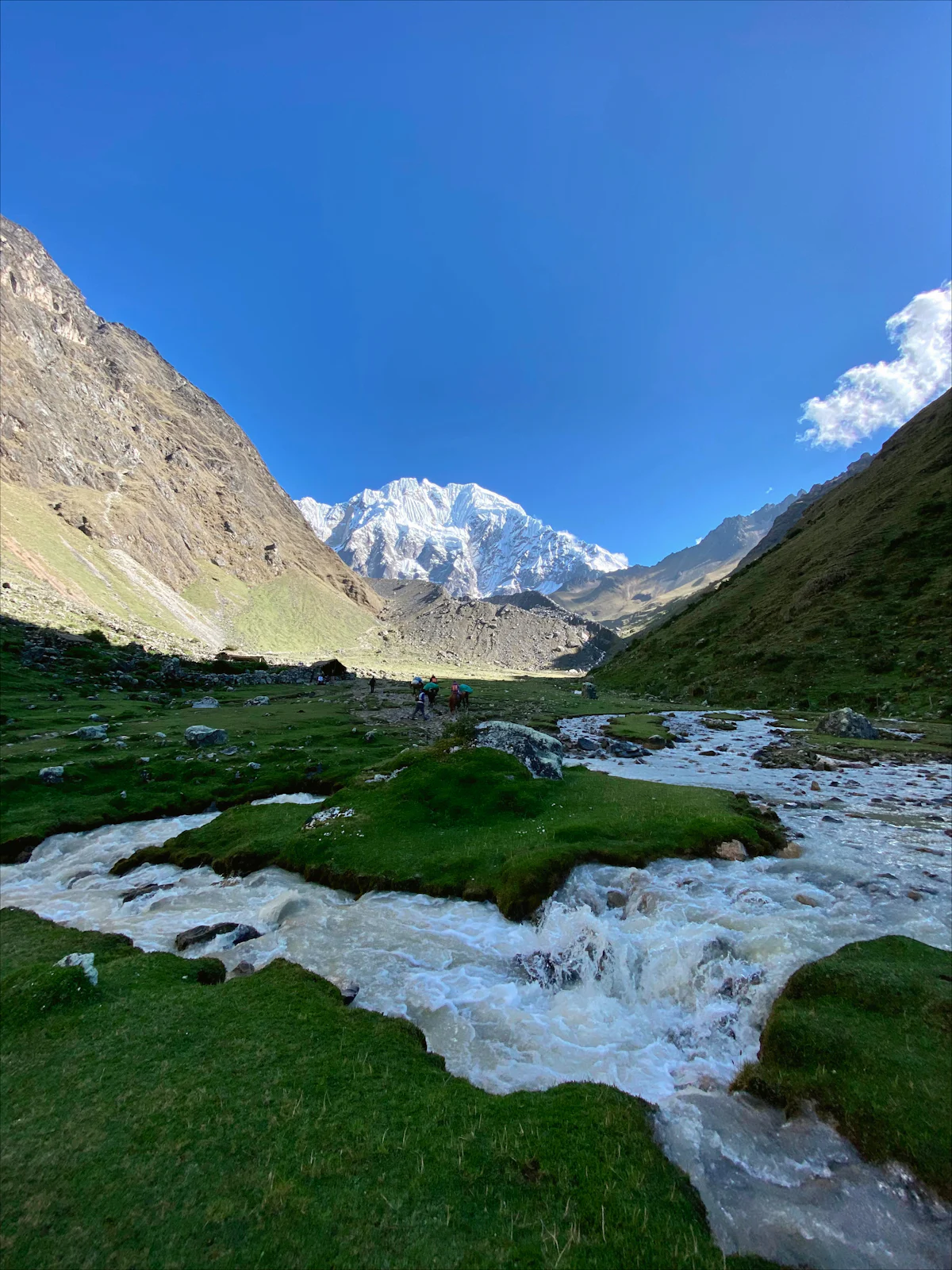
The full-paced Salkantay route: the same high pass, then two shorter days through coffee country and over Llactapata, with a first view of Machu Picchu.
Price On request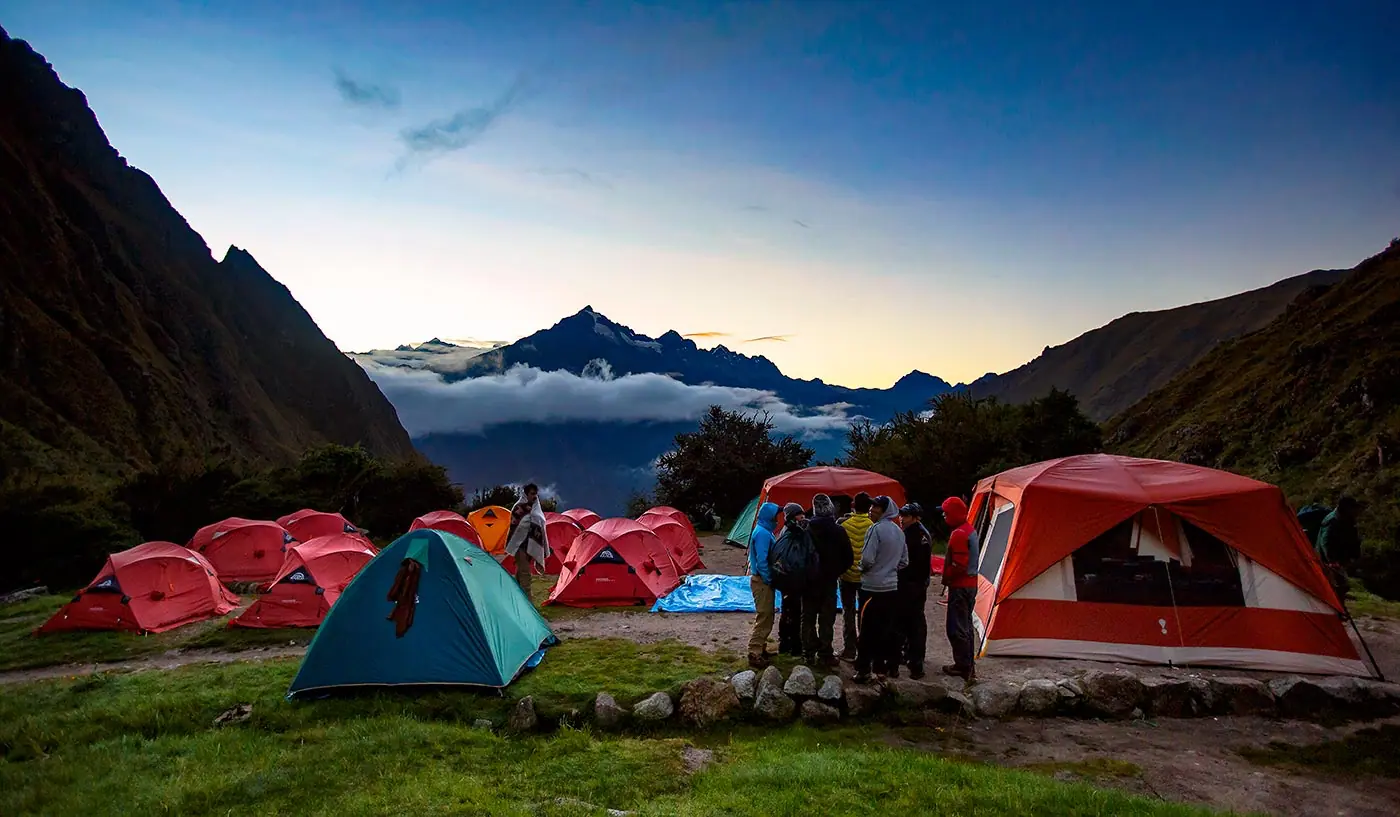 4 Days Inca Trail
Cusco to Machu Picchu
Classic Inca Trail 4 Days
Four days on the original Inca road, through cloud forest and mountain passes to the Sun Gate.
Price On request 4 Days Trek
Around Ausangate, Cusco
Ausangate Trek 4 Days
Four days on foot in the high Andes below Ausangate: glacial lakes, herding communities and passes close to 5,000 m. For fit, well-acclimatized hikers.
Price On request
Plan your trip
Let’s Plan Your Trip Together
Tell us your dates, who’s traveling and what you’d like to see. Our team in Cusco will reply with availability, ideas and clear next steps.