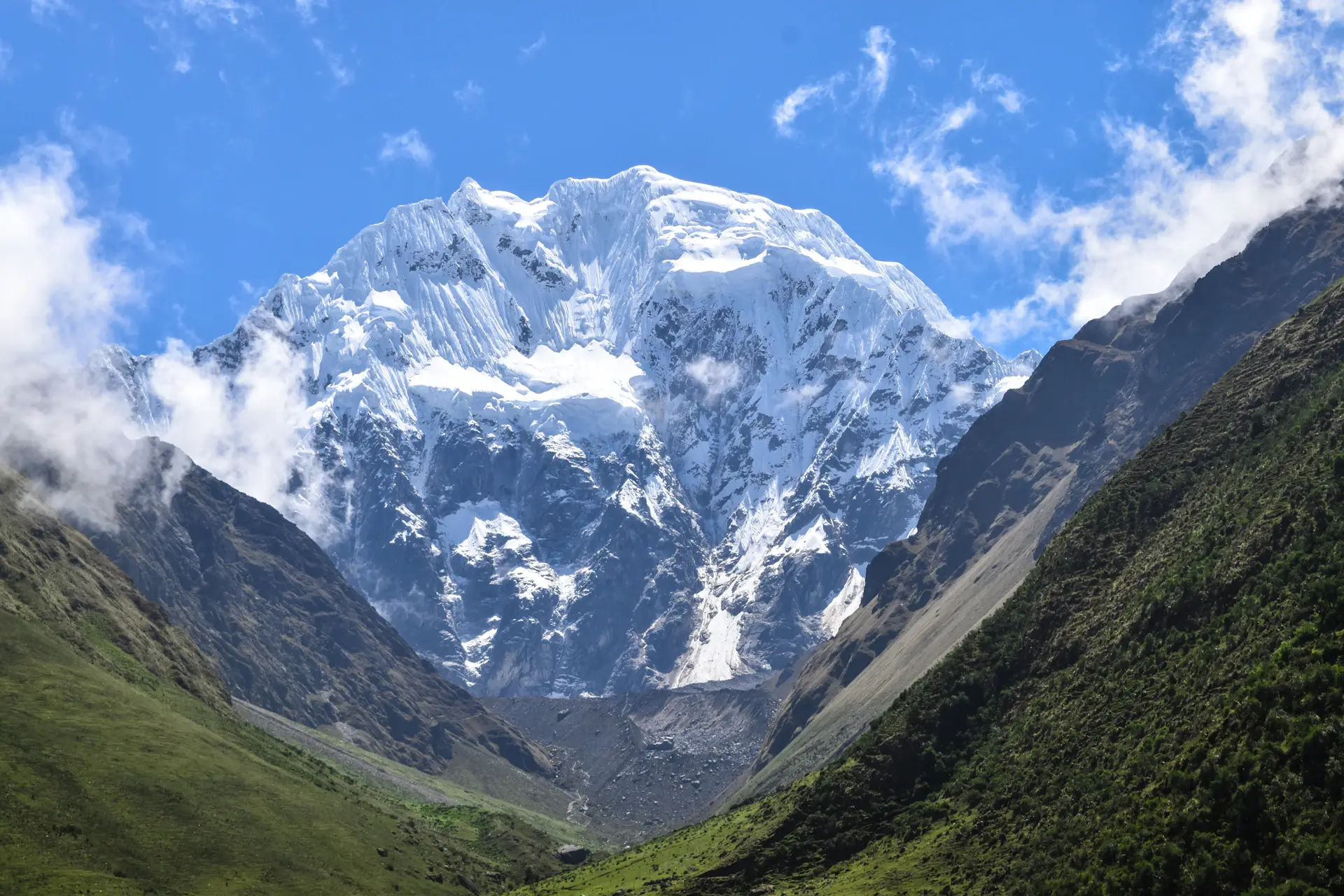
Salkantay Trek 5 Days to Machu Picchu
- 5 Days
- 4 Nights
- Challenging
- Trekking
- Salkantay and Llactapata to Machu Picchu
The same high pass as the 4-day route, then two unhurried days through coffee country and over the Llactapata ridge, with a first view of Machu Picchu before your visit.
Trip facts
- Duration 5 Days / 4 Nights
- Difficulty Challenging
- Max altitude 4,600 m / 15,092 ft
- Best season April to October
- Distance 70 km / 43 mi on foot, approximate (varies with camps and the final stretch)
- Meals Included on the trek (confirmed with your quote)
- Accommodation Camping (3 nights) and a hotel in Aguas Calientes (1 night)
- Transportation Road, train and bus
- Guide Local trekking guide
Overview
Five days on the Salkantay route isn’t about making the trek easier at the top. The high section is the same: a first day at Humantay Lake and a second day over the Salkantay Pass at about 4,600 m (15,100 ft). The difference comes after the pass. Instead of rushing down to Aguas Calientes, the 5-day route spreads the descent over two shorter days, spends a night in the warm, coffee-growing valleys and adds one of the most rewarding sections of the whole region: the Inca path over the Llactapata ridge.
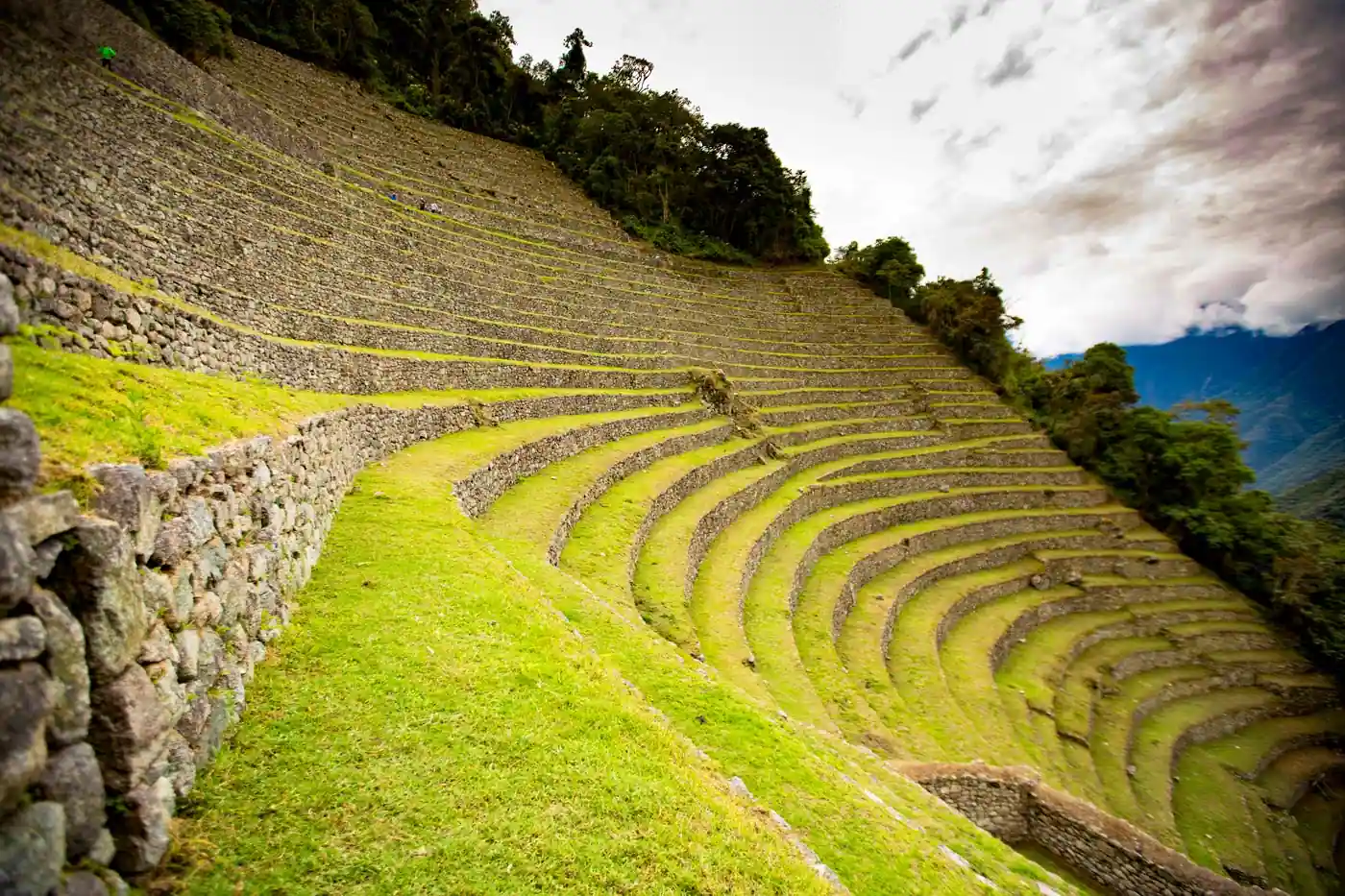
Llactapata is a small Inca site on a forested ridge facing Machu Picchu from across the valley. From the trail near the site, on a clear day, you see the citadel and Huayna Picchu in the distance, a view very few visitors ever have. It’s a quiet, green part of the trek, reached by climbing through coffee plantations and cloud forest, and it gives the last days a sense of approaching Machu Picchu on foot.
The extra day also changes the rhythm. After the long pass day, you have time to rest your legs, eat well and enjoy the valleys, so you arrive in Aguas Calientes less tired and ready for the final morning at Machu Picchu. It suits travelers who want to take in the scenery rather than just cover the distance, photographers, and anyone who knows that big descents are hard on their knees.
It is still a challenging trek, with cold, high nights at the start and one very long day. If your schedule is tight, our Salkantay Trek 4 Days covers the same high section with a faster finish. We confirm the campsites, meals, the exact route after the pass and every inclusion with your quote. Still comparing routes? See all our treks from Cusco.
Highlights
- Cross the Salkantay Pass at about 4,600 m (15,100 ft), below the mountain’s glaciers
- Visit Humantay Lake on the first day
- Split the long descent into two shorter days through cloud forest and farms
- Spend a night in the warm coffee-growing valleys below the pass
- Walk the Inca path over the Llactapata ridge, with a distant view of Machu Picchu
- Arrive in Aguas Calientes rested for a guided visit to Machu Picchu
Itinerary
Day 1:
Cusco to Soraypampa and Humantay Lake
An early drive to the trailhead, the climb to Humantay Lake and a cold first night below Salkantay.We leave Cusco before dawn and drive west via Mollepata to the trailhead near Soraypampa. After meeting the trek team, you climb to Humantay Lake, a turquoise lake under hanging glaciers at about 4,200 m, and return to camp in the valley below Salkantay.
Take the afternoon slowly. This day is as much about acclimatization as about scenery, and the camp is high and cold at night.
- Starts
- Cusco
- Ends
- First camp below Salkantay
- Meals
- Lunch and dinner
- Accommodation
- Camping
Day 2:
Salkantay Pass and the descent to the cloud forest
The high point of the trek at about 4,600 m, followed by a long descent into cloud forest.An early start takes you up the rocky valley to the Salkantay Pass, with the mountain’s ice walls towering above. After a break at the top, you begin the long descent, watching the landscape change from bare rock and grassland to shrubs and then to damp, green cloud forest.
You reach the second camp in the afternoon or early evening, much lower and noticeably warmer. It’s the longest day of the trek, and you’ll sleep well.
- Starts
- First camp
- Ends
- Second camp (cloud forest)
- Meals
- Breakfast, lunch and dinner
- Accommodation
- Camping
Carry gloves and a warm hat for the pass and light layers for the afternoon.
Day 3:
Down the valley into coffee country
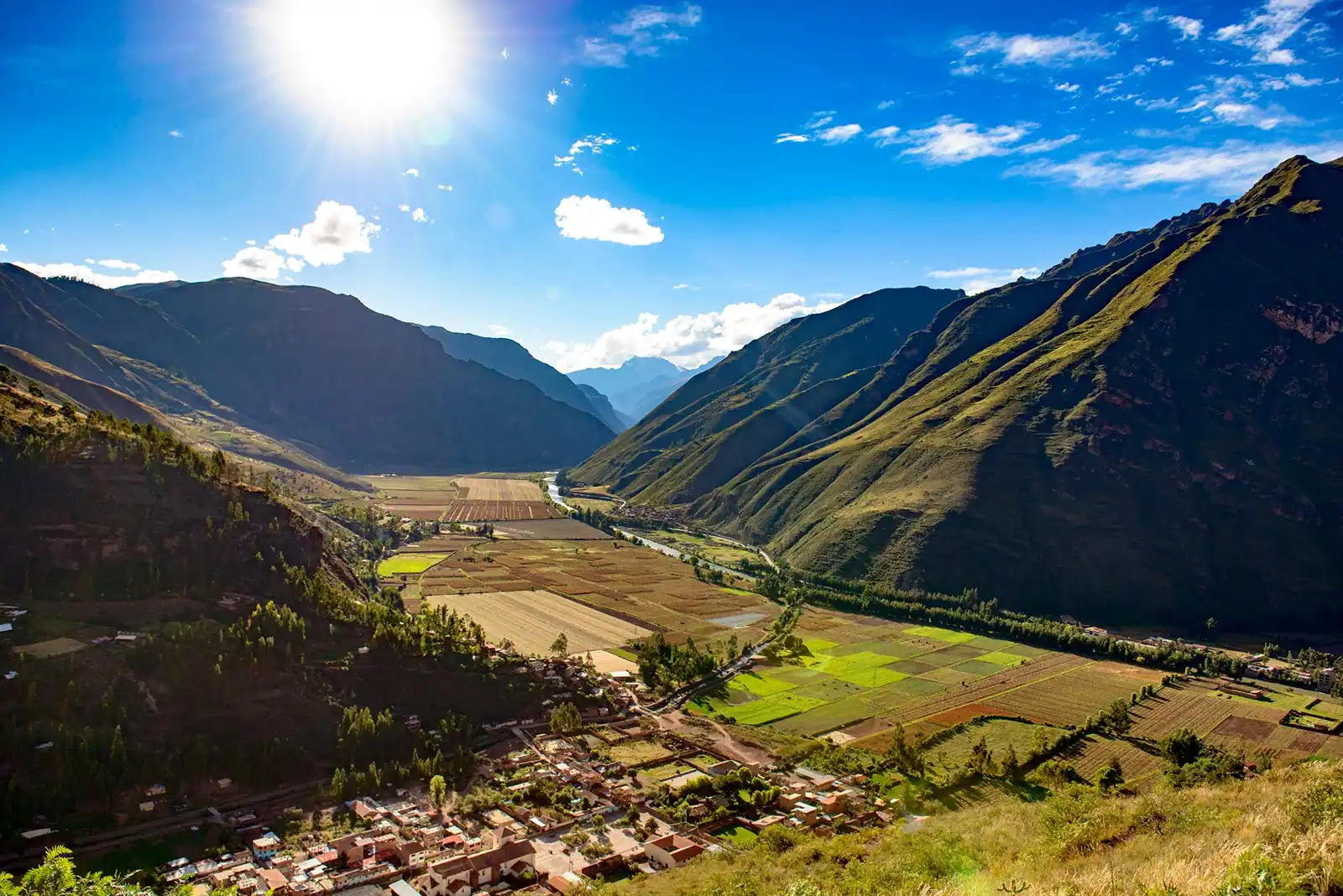
A shorter day following the river through forest and farms to a camp in the coffee-growing area.This is where the 5-day route slows down. The trail follows the river through cloud forest and small farms, crossing streams and passing waterfalls, with the air getting warmer as you descend. Coffee, bananas and passion fruit grow along the way.
You arrive at camp in the coffee-growing valley with time to rest your legs, and many groups spend part of the afternoon learning how local families grow and roast their coffee.
- Starts
- Second camp
- Ends
- Camp in the coffee valleys
- Meals
- Breakfast, lunch and dinner
- Accommodation
- Camping
Day 4:
Over Llactapata to Aguas Calientes
An Inca path up to the Llactapata ridge, a distant view of Machu Picchu and the descent to Aguas Calientes.From camp, an old Inca path climbs through coffee plantations and forest to the Llactapata ridge. Near the small Inca site of Llactapata, the trees open to a view across the valley to Machu Picchu and Huayna Picchu, the first time you see the citadel after days on the trail. Your guide explains how Llactapata may have been connected to Machu Picchu and to the Inca roads of the region.
The trail then descends steeply to the Urubamba River near Hidroeléctrica station, and you continue to Aguas Calientes on foot along the railway or by train, depending on your program. A shower, dinner and a bed are waiting at your hotel.
- Starts
- Camp in the coffee valleys
- Ends
- Aguas Calientes
- Meals
- Breakfast and lunch
- Accommodation
- Hotel in Aguas Calientes
The view of Machu Picchu from the ridge depends on clouds, which are common in the rainy season.
Day 5:
Machu Picchu and return to Cusco
An early bus to Machu Picchu, a guided visit and the train back toward Cusco.You take an early bus up to Machu Picchu and explore it with your guide on the circuit and entry time on your ticket. Having seen it from Llactapata the day before, you’ll recognize the shape of the mountain and the site as you walk in.
In the afternoon you ride the bus back to Aguas Calientes and take the train and a road transfer to Cusco, arriving in the evening.
- Starts
- Aguas Calientes
- Ends
- Cusco
- Meals
- Breakfast
Trekking poles, large bags and food aren’t allowed inside Machu Picchu.
What’s Included
Included
- Local trekking guide for the whole route and at Machu Picchu
- Transportation from your hotel in Cusco to the trailhead
- Camping equipment and a trek cook (details confirmed with your quote)
- Meals on the trek, as listed in your confirmed itinerary
- Pack animals to carry the camping gear
- One night in a hotel in Aguas Calientes
- Machu Picchu entry ticket, round-trip bus to the site and train back toward Cusco
Not included
- Community entrance fees on the route, unless shown in your quote
- Sleeping bag and trekking poles (available to rent)
- Hot springs or other optional visits along the way
- Huayna Picchu or Machu Picchu Mountain tickets
- Travel insurance
- Tips for your guide, cook and horsemen
Campsites, meals, the route after the pass and every inclusion are confirmed in writing with your quote.
What to Bring
Documents
- Original passport, needed for Machu Picchu and the train
- Cash in Peruvian soles for fees, snacks, coffee and tips
Clothing
- Broken-in hiking boots with ankle support
- Warm layers for the high camps: thermal base layer, fleece and insulated jacket
- Warm hat and gloves
- Light, quick-drying clothes for the humid valleys
- Waterproof jacket and pack cover
Gear
- Sleeping bag rated to about −10 °C (14 °F), your own or rented
- Trekking poles for the long descents
- Headlamp, daypack and 2 liters of water capacity
Health & personal
- Strong insect repellent: biting flies are common in the lower valleys
- Sunscreen, sunglasses, blister care and personal medication
Food, Lodging & Transport
Food & meals
The trek cook prepares fresh meals throughout the camping days: hot breakfasts, lunch on the trail and a warm dinner, with snacks and hot drinks. In the valleys you’ll also pass farms growing coffee, avocados and tropical fruit, and many groups taste local coffee on the way. Tell us about dietary needs when you book. The meals included on the first and last days are confirmed with your quote.
Accommodation
You camp for the first three nights. The first camp is high and cold, below Salkantay; the second is on the forested side of the pass; and the third is in the warm valleys of the coffee-growing area, a very different night from the first. Campsites on this route range from simple tent pitches to sites with fixed shelters, and we confirm yours with your quote.
The fourth night is in a hotel in Aguas Calientes, with a shower and a bed before your visit to Machu Picchu.
Transportation
You drive from Cusco to the trailhead near Soraypampa, about three hours via Mollepata. After Llactapata, the trail descends to Hidroeléctrica station, and you continue to Aguas Calientes either on foot along the railway or by train, depending on your program. After Machu Picchu you take the bus down, the train back toward Cusco and a road transfer to your hotel.
Difficulty & Altitude
- Difficulty
- Challenging
- Highest point
- 4,600 m / 15,092 ftSalkantay Pass (published figures range from about 4,600 to 4,650 m)
Fitness
This is a challenging trek, but with a gentler second half than the 4-day route. The first two days are the same: a steep acclimatization climb to Humantay Lake, then a pass day of eight to ten hours. After that, days three and four are shorter, around five to seven hours each, with a steady climb of several hundred meters up to the Llactapata ridge on day four.
You should be a regular hiker, comfortable with long days on rough trails. Walks with hills or stairs in the weeks before your trip are the best preparation, and trekking poles will save your knees on the descents.
Altitude
The trek starts around 3,900 m (12,800 ft), reaches about 4,200 m at Humantay Lake and crosses the Salkantay Pass at about 4,600 m (15,100 ft). After the pass you drop quickly, and from the third day you’re walking between roughly 2,000 and 2,800 m, where the air feels thick and warm.
- Arrive acclimatized. Spend at least two or three nights in Cusco or the Sacred Valley first.
- The hard part comes early. The first night and the pass are the highest points. Everything after that is much easier on your breathing.
- Tell your guide how you feel. They check on the group throughout the high section.
Permits, Tickets & Rules
- No government trekking permit. The Salkantay route has no daily permit quota, unlike the Inca Trail.
- Community fees. Local communities collect entrance fees at points along the route. We confirm current amounts and whether they’re included.
- Machu Picchu ticket. Issued for a set date, time and circuit, in your name and passport number.
- Season. The route is open all year, including February. From December to March, expect rain, mud and possible snow on the pass.
Traveling with Family
With its gentler second half, the 5-day route can suit fit teenagers who enjoy hiking and cope well with cold and altitude. It isn’t suitable for young children, because of the high pass and the long second day.
Talk with our local team about whether this route fits your family.
Frequently Asked Questions
Why choose 5 days instead of 4?
The high section is the same, but the 5-day route splits the long descent into two shorter days, adds a night in the coffee-growing valleys and includes the Inca path over Llactapata, with a distant view of Machu Picchu. You arrive at Machu Picchu more rested.
Is the 5-day trek harder than the 4-day one?
Not really. It’s longer overall, but the days after the pass are shorter and easier. The hardest day, over the pass, is the same on both routes.
What is Llactapata?
A small Inca site on a forested ridge facing Machu Picchu across the valley. The trail near it offers one of the few views of Machu Picchu from a distance, when the clouds allow.
Do we visit a coffee farm?
The third night is in the coffee-growing area, and many groups spend time with local families who grow and roast coffee. We confirm what’s included in your program.
Are hot springs included?
Not as a standard part of this trek. Some programs add a visit to hot springs near Santa Teresa, and we’ll tell you if that’s possible on your dates.
Who is the 5-day route best for?
Hikers who want time to enjoy the scenery, photographers, and anyone whose knees prefer shorter descents. If you’re short on time, the 4-day route is a good alternative.
How does Salkantay compare with the Lares Trek?
Salkantay is higher and more about glaciers and the change into cloud forest. The Lares Trek is shorter and focuses on high valleys and Andean farming communities. Both finish with Machu Picchu.
Route
Route map coming soon
Route at a glance
- Cusco, about 3,400 m (11,150 ft)
- Soraypampa area, about 3,900 m (12,800 ft)
- Humantay Lake, about 4,200 m (13,780 ft)
- Salkantay Pass, about 4,600 m (15,100 ft)
- Coffee-growing valleys above Santa Teresa
- Llactapata ridge, about 2,700 m (8,900 ft)
- Aguas Calientes, about 2,040 m (6,690 ft)
- Machu Picchu, about 2,430 m (7,970 ft)
The route crosses the Salkantay Pass, descends through the valleys toward Santa Teresa, climbs over the Llactapata ridge opposite Machu Picchu and ends in Aguas Calientes. A route map and elevation profile are being prepared.
Tour Video
Our video for this tour is coming soon. Until then, we’re happy to answer your questions on WhatsApp or by email.
Travel Tips for This Trip
Why DSL Adventures
Planned by a Local Team in Cusco
-
Based in Cusco
Your trip is planned by people who live here and know the region’s seasons, roads and trails.
-
Local Guides
Guides from the region who know the trails, the history and the communities along the way.
-
Direct Communication
One conversation with the team organizing your trip, from your first question to your last day.
-
Personalized Planning
Dates, pace and details shaped around your group.
-
Visual Storytelling
Photos and stories from our routes help you picture each day before you go.
- 4 Days Trek
Salkantay to Machu Picchu
Salkantay Trek 4 Days
The classic alternative to the Inca Trail: over the Salkantay Pass at about 4,600 m, down into cloud forest and on to Machu Picchu in four days.
Price On request 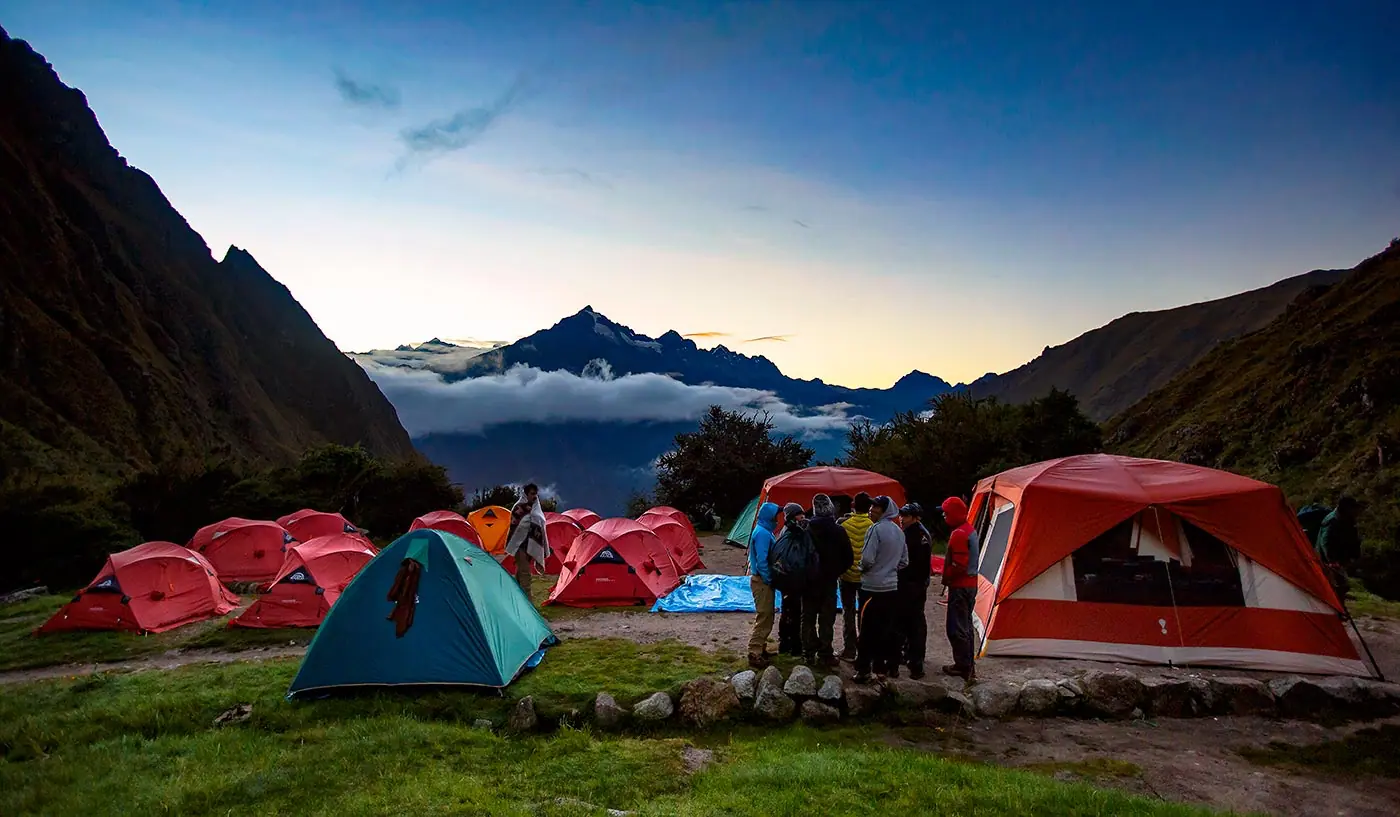 4 Days Inca Trail
Cusco to Machu Picchu
Classic Inca Trail 4 Days
Four days on the original Inca road, through cloud forest and mountain passes to the Sun Gate.
Price On request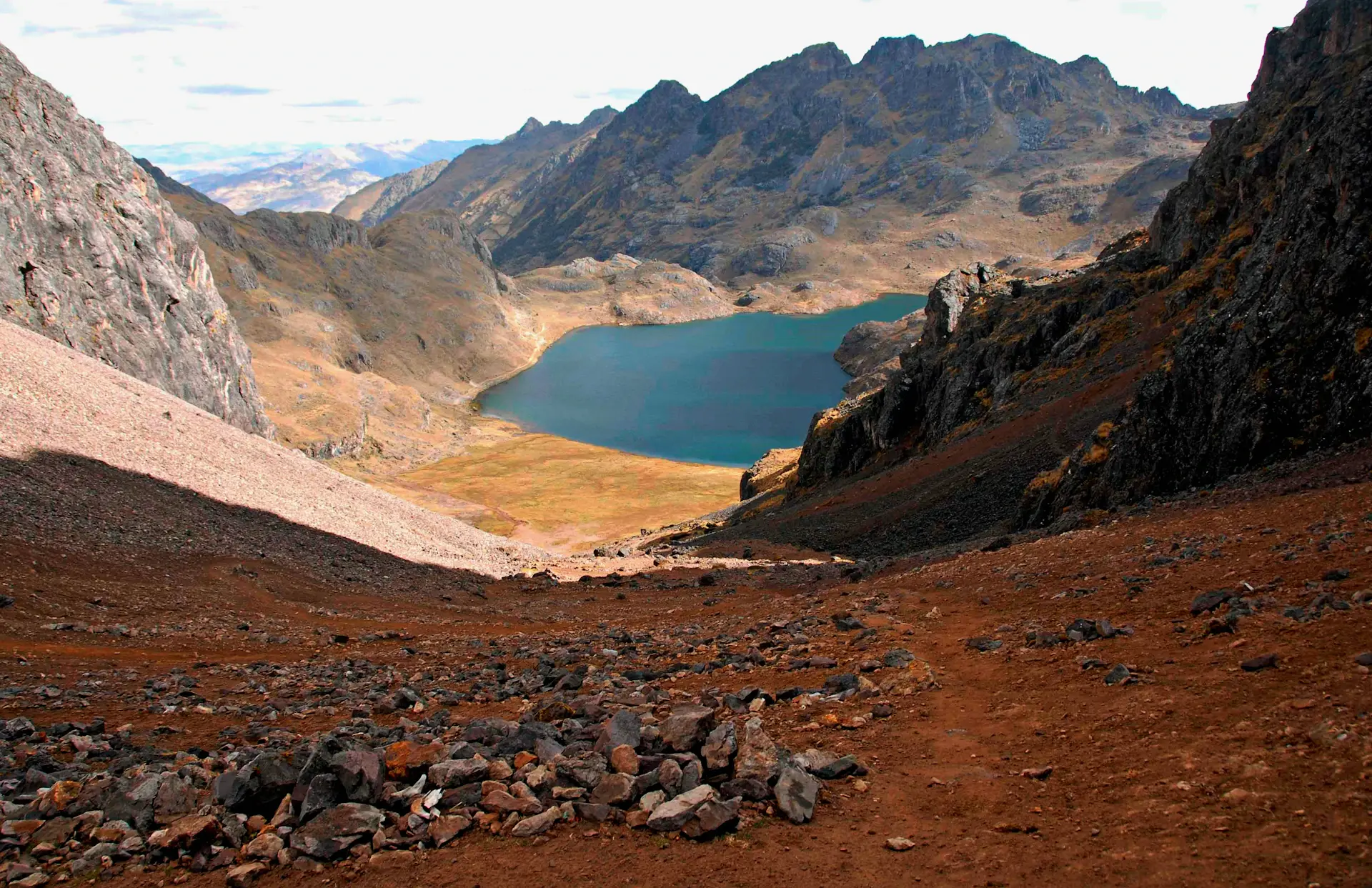 4 Days Trek
Lares valleys to Machu Picchu
Lares Trek 4 Days
High valleys, glacial lakes and the farming and herding communities of Lares, then the train from Ollantaytambo and a guided visit to Machu Picchu.
Price On request
Plan your trip
Let’s Plan Your Trip Together
Tell us your dates, who’s traveling and what you’d like to see. Our team in Cusco will reply with availability, ideas and clear next steps.