10 Days in Peru: A First-Timer’s Itinerary from the US
A realistic 10-day route for a first trip to Peru from the United States: Lima, the Sacred Valley, Machu Picchu and Cusco, then Paracas or Arequipa, with booking and travel tips.
In this guide13 sections
The short answer
For a first trip to Peru, ten days fits Lima, Cusco, the Sacred Valley and Machu Picchu comfortably, with two days left for the desert coast at Paracas. Fly into Lima, head to Cusco on day three and go straight down to the lower Sacred Valley, then Machu Picchu, Cusco and a day trip. Arequipa and the Colca Canyon are a great alternative with an extra day.
Peru is bigger and more varied than most first-time visitors expect: a desert coastline, a capital known for its food, the high Andes and the edge of the Amazon, all in one country. Ten days is enough to see the essentials well, if you choose a route that respects the distances and the altitude. This is the route we suggest most often to travelers coming from the United States, built around the places we know best.
The Route at a Glance
| Days | Where | Highlights |
|---|---|---|
| 1 to 2 | Lima | Colonial center, clifftop Miraflores and Barranco, Peruvian food |
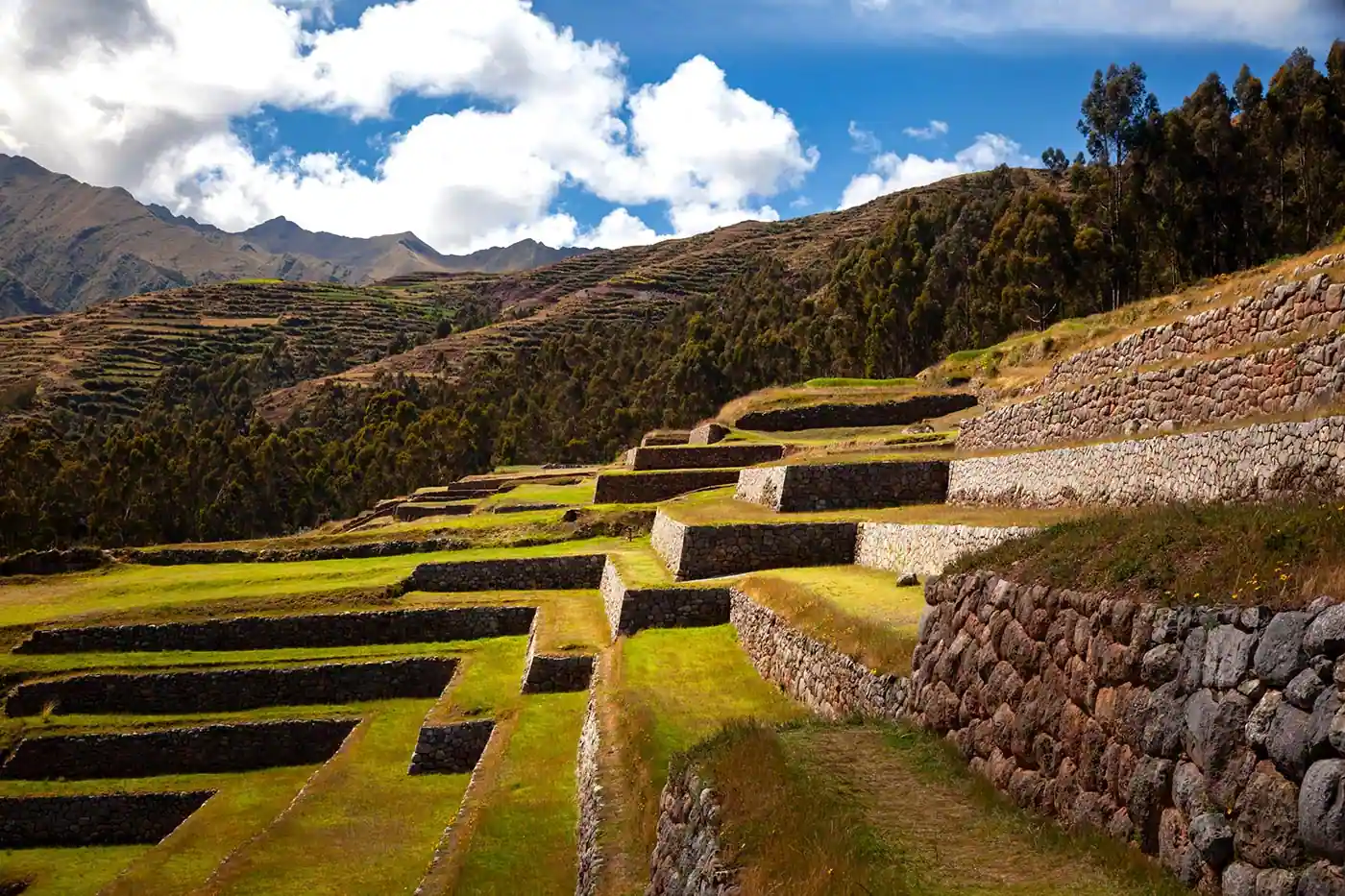
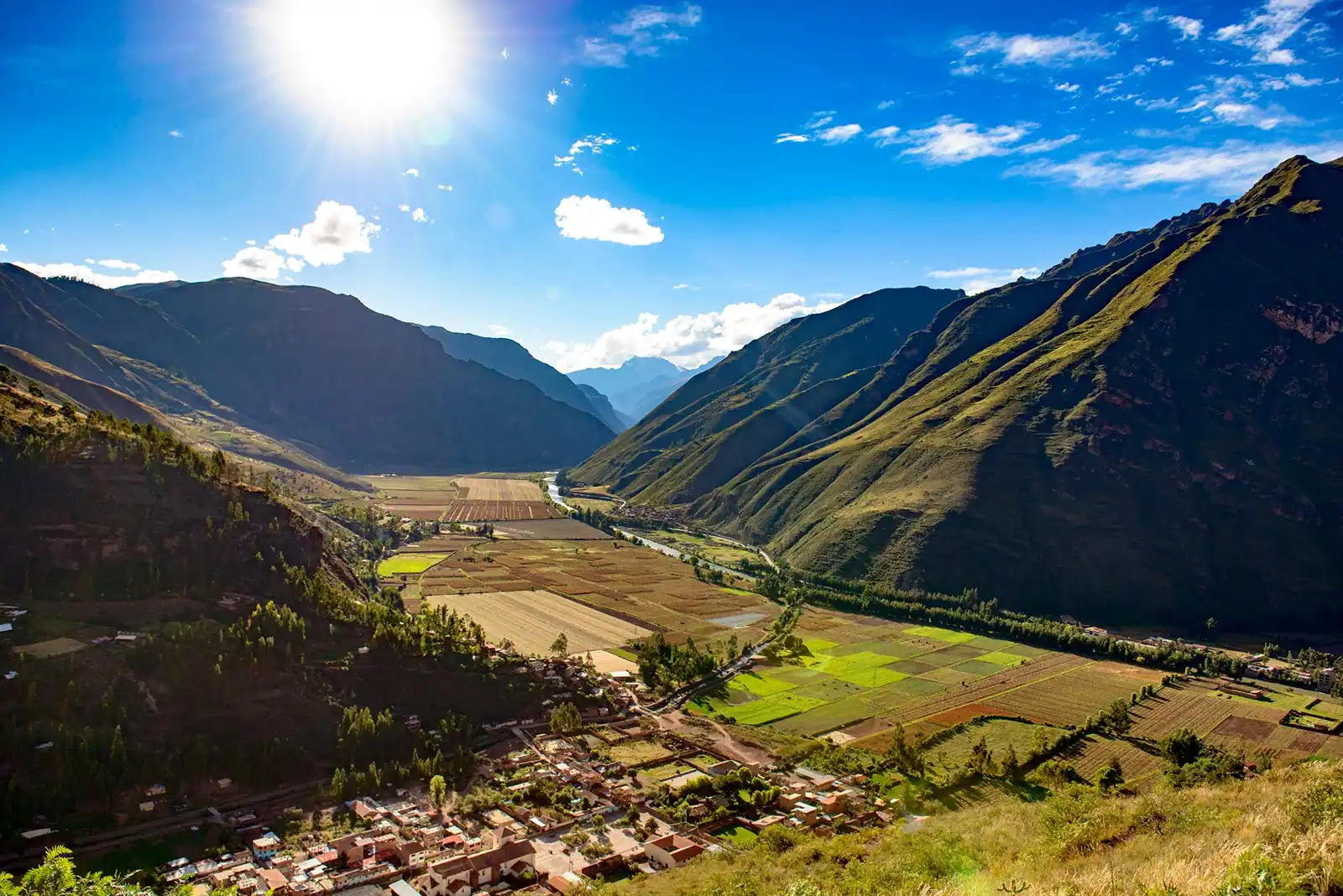
| 3 to 4 | Sacred Valley | Inca terraces, markets and Ollantaytambo, at a lower altitude |
| 5 | Machu Picchu | A morning visit after a night in Aguas Calientes |
| 6 to 7 | Cusco | The historic center and a day trip |
| 8 | Cusco to Lima | Flight back to the coast |
| 9 | Paracas and Huacachina | Ballestas Islands and the desert oasis |
| 10 | Lima | Last meal and your flight home |
Getting to Peru from the US
Most international flights land at Jorge Chávez International Airport in Lima, which opened a new passenger terminal in 2025. There are nonstop flights from several U.S. cities, and connections through Central America or Colombia. From Lima, domestic flights to Cusco take a little over an hour; flights to Arequipa take a bit less.
For entry, U.S. citizens don’t need a visa for a tourist visit. Peru’s official tourism board advises that your passport should be valid for at least six months from the date you enter, and the immigration officer decides how many days you’re allowed to stay. Entry rules can change, so check the U.S. State Department’s Peru page and Peru’s immigration authority, Migraciones, before you fly.
Peru is on UTC−5 all year, without daylight saving time: the same as U.S. Eastern time in winter and one hour behind it in summer. Jet lag is rarely an issue from the U.S.; the altitude is.
Days 1 and 2: Lima
Many flights from the U.S. arrive in the evening, so plan a quiet first night near your hotel. The next day, explore:
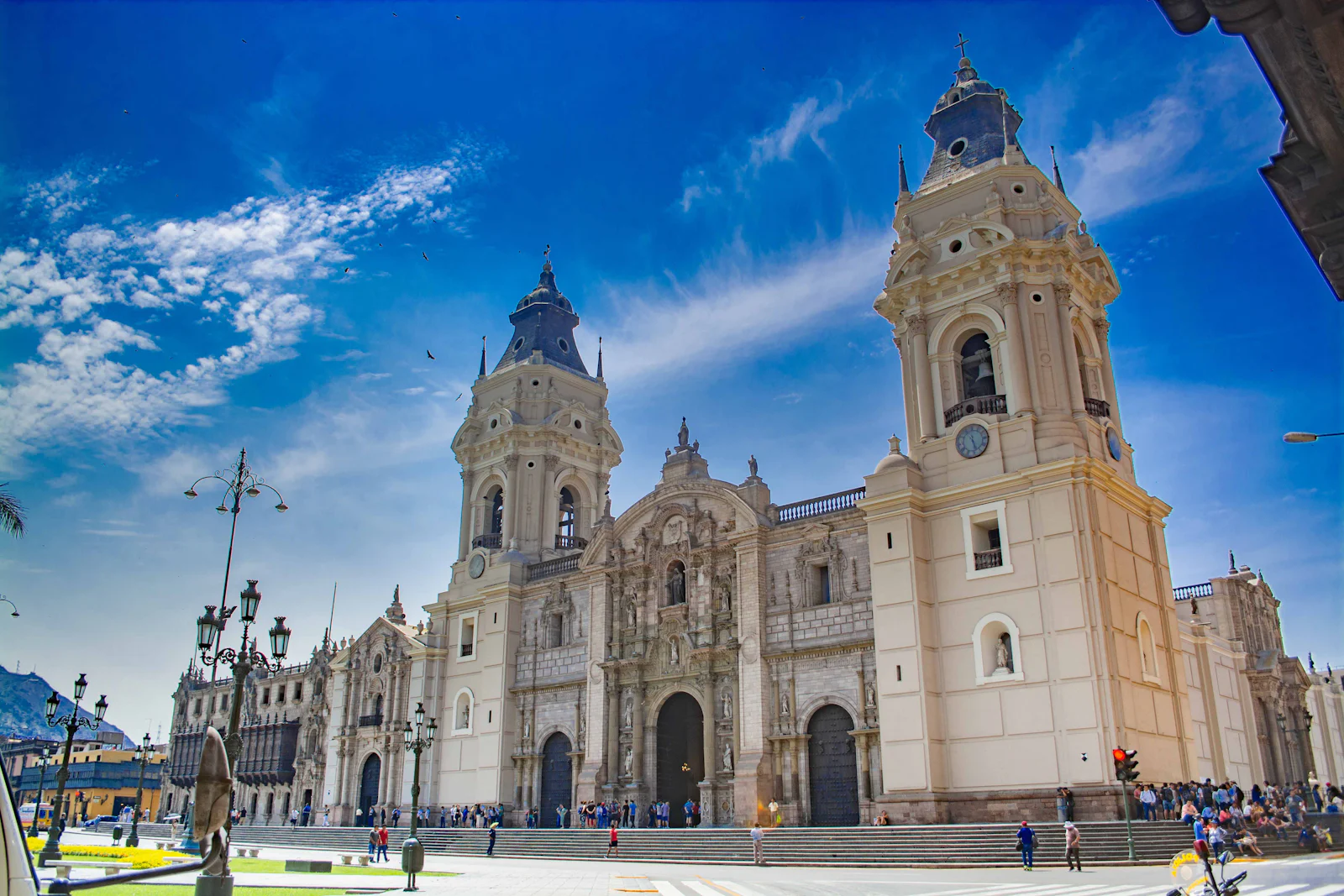
- The historic center, with the Plaza Mayor, the cathedral and the colonial churches and monasteries of the old viceregal capital.
- Miraflores and Barranco, the clifftop districts above the Pacific, with parks, ocean views and colorful streets.
- The food. Lima is one of the best places in the Americas to eat: ceviche, Peruvian-Chinese and Peruvian-Japanese cooking, markets full of fruit you’ve never seen.
Our Lima City and Food Experience covers the center, the seaside districts and time to taste. Lima traffic is heavy, so we plan the order of stops around it and around your flights.

Where to Stay in Lima
Most first-time visitors stay in Miraflores, on the clifftops above the Pacific, with parks, restaurants and easy walks along the Malecón. Barranco, next door, is smaller and more bohemian, with galleries and bars in old mansions. The historic center has the colonial sights but is quieter at night and farther from the coast. For a short first visit, Miraflores or Barranco are the practical choice, and both are within reach of the airport by road.
Food to Try Along the Route
- In Lima: ceviche at lunchtime, when the fish is freshest, and a taste of chifa, Lima’s Peruvian-Chinese cooking.
- In Cusco and the Sacred Valley: Andean soups, quinoa, trout from the valley rivers and, for the adventurous, cuy.
- In Arequipa: rocoto relleno, a stuffed spicy pepper, and the city’s traditional picanterías.
- On the coast near Ica: a pisco tasting at a vineyard, if your program includes one.
Days 3 to 8: Cusco, the Sacred Valley and Machu Picchu
Day 3. Fly to Cusco in the morning and drive straight down to the Sacred Valley, several hundred meters lower than the city. Rest in the afternoon: coming from sea level, the altitude is the biggest challenge of the trip. Our guide to Cusco’s altitude explains why starting low helps.
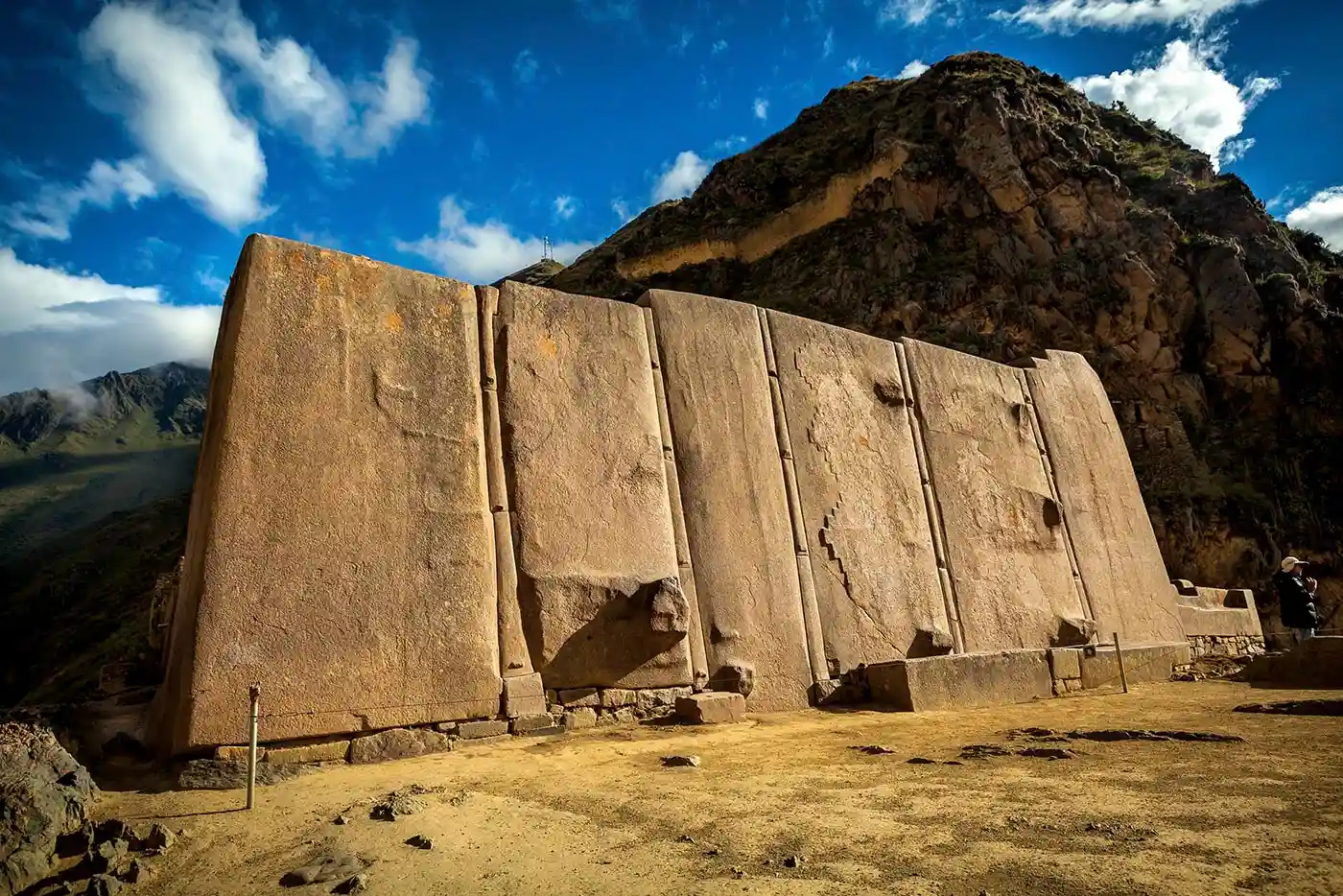
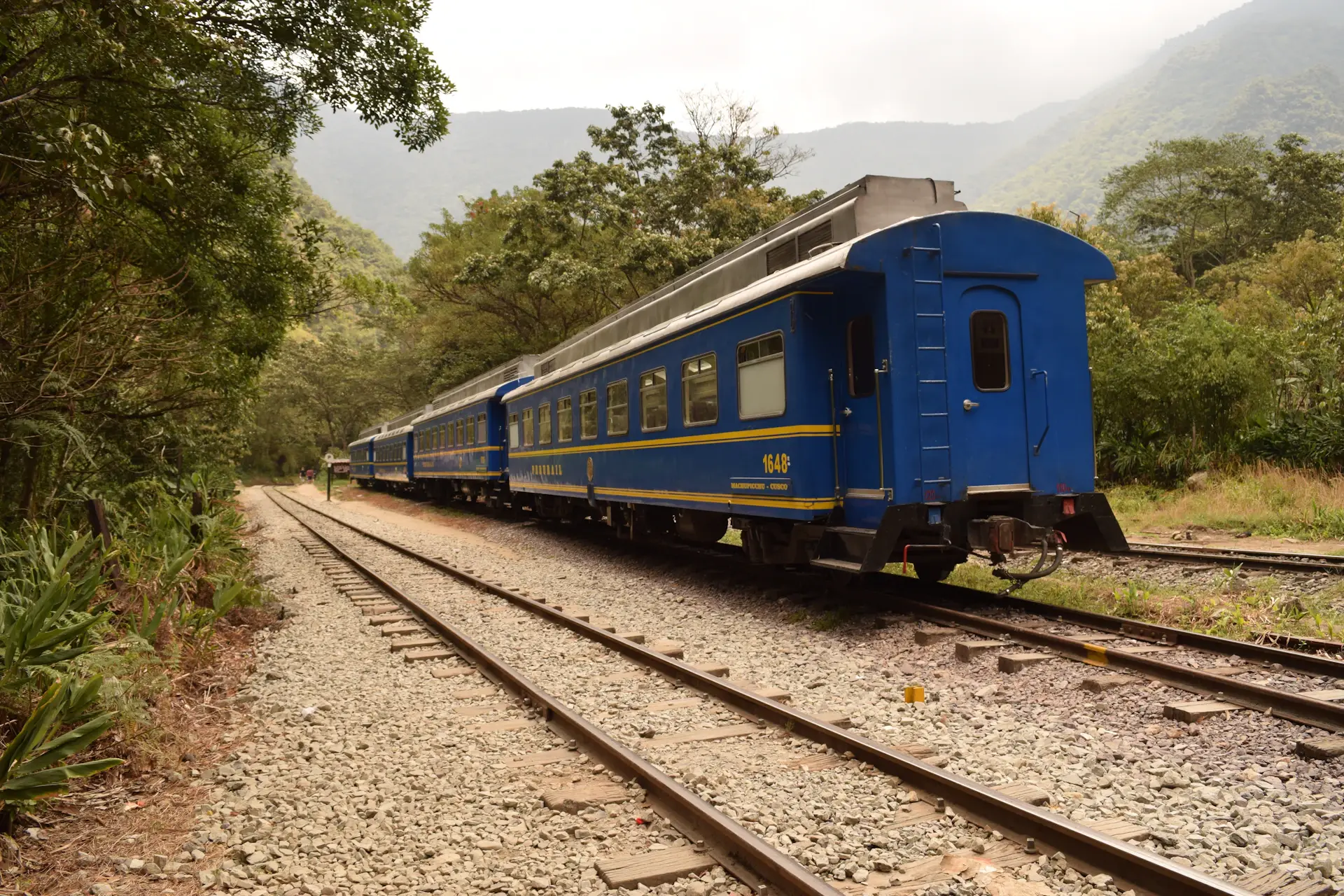
Day 4. Explore the valley at an easy pace, with the markets and terraces of Pisac and the Inca town of Ollantaytambo, then take the evening train to Aguas Calientes.
Day 5. Visit Machu Picchu in the morning, then take the train back and transfer to Cusco. Our Sacred Valley and Machu Picchu 2-day tour covers days four and five.
Day 6. Cusco: the Plaza de Armas, the Qorikancha, the San Pedro market and San Blas. See our list of things to do in Cusco.
Day 7. A day trip: Maras and Moray for an easy half day, or Humantay Lake if you feel well at altitude and want a real hike.
Day 8. Fly back to Lima.
If you’d rather walk to Machu Picchu, you can swap days five and six for the two-day Short Inca Trail, as long as you book permits well ahead. Our guide to how many days to spend in Cusco has other ways to arrange this part of the trip, and our guide to getting to Machu Picchu compares the train and the treks.
Days 9 and 10: Paracas, or Arequipa Instead
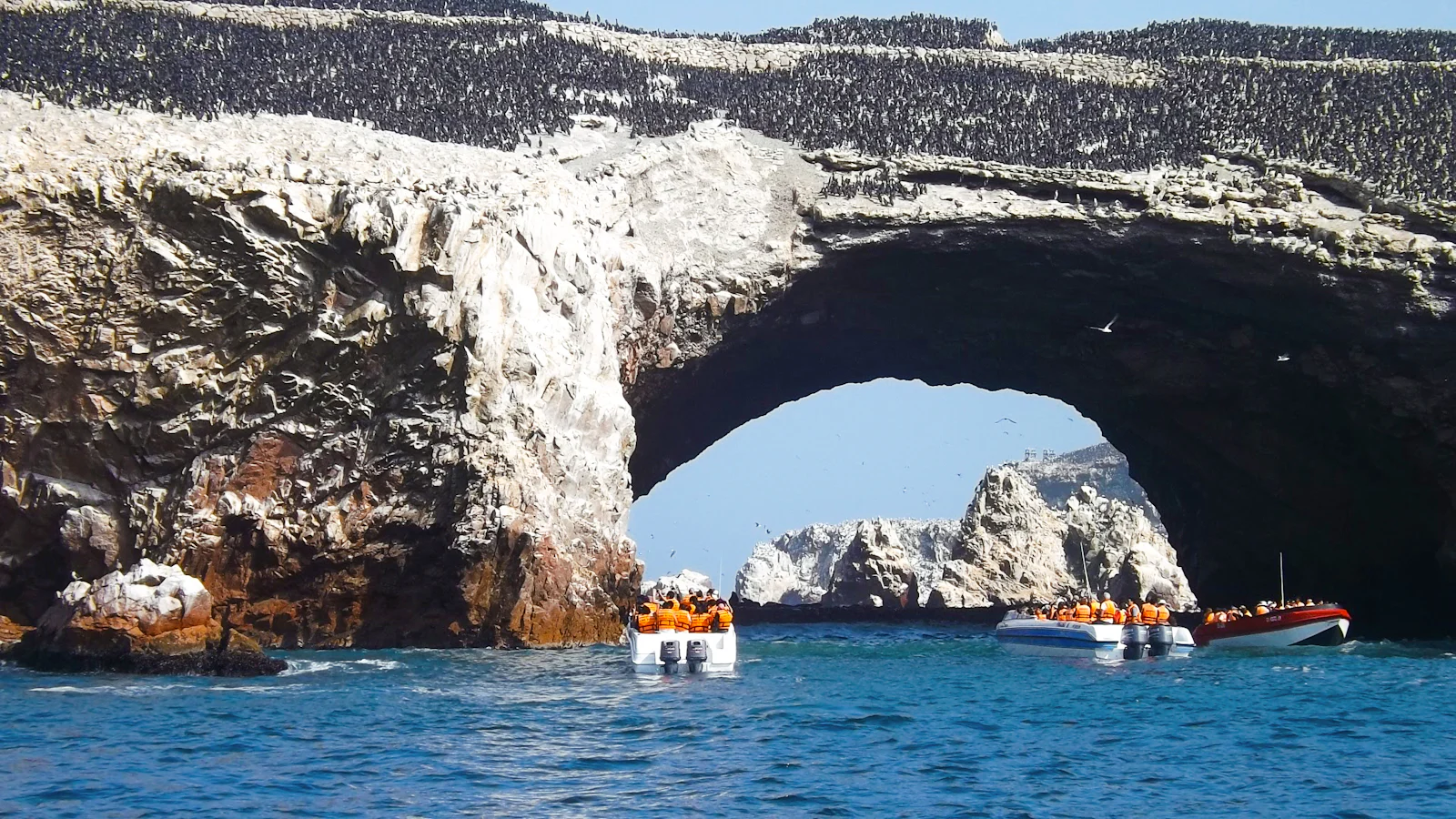
Paracas and Huacachina. From Lima, a full day takes you south along the desert coast to Paracas for a morning boat trip around the Ballestas Islands, with sea lions, penguins and seabirds, then inland to the dunes around the Huacachina oasis. It’s a long day from Lima, three and a half to four hours each way, so a night on the coast makes it much more relaxed. Boat trips can be canceled by the port authorities when the sea is rough. See our Paracas and Huacachina tour. Day ten is for a last lunch in Lima and your flight home.
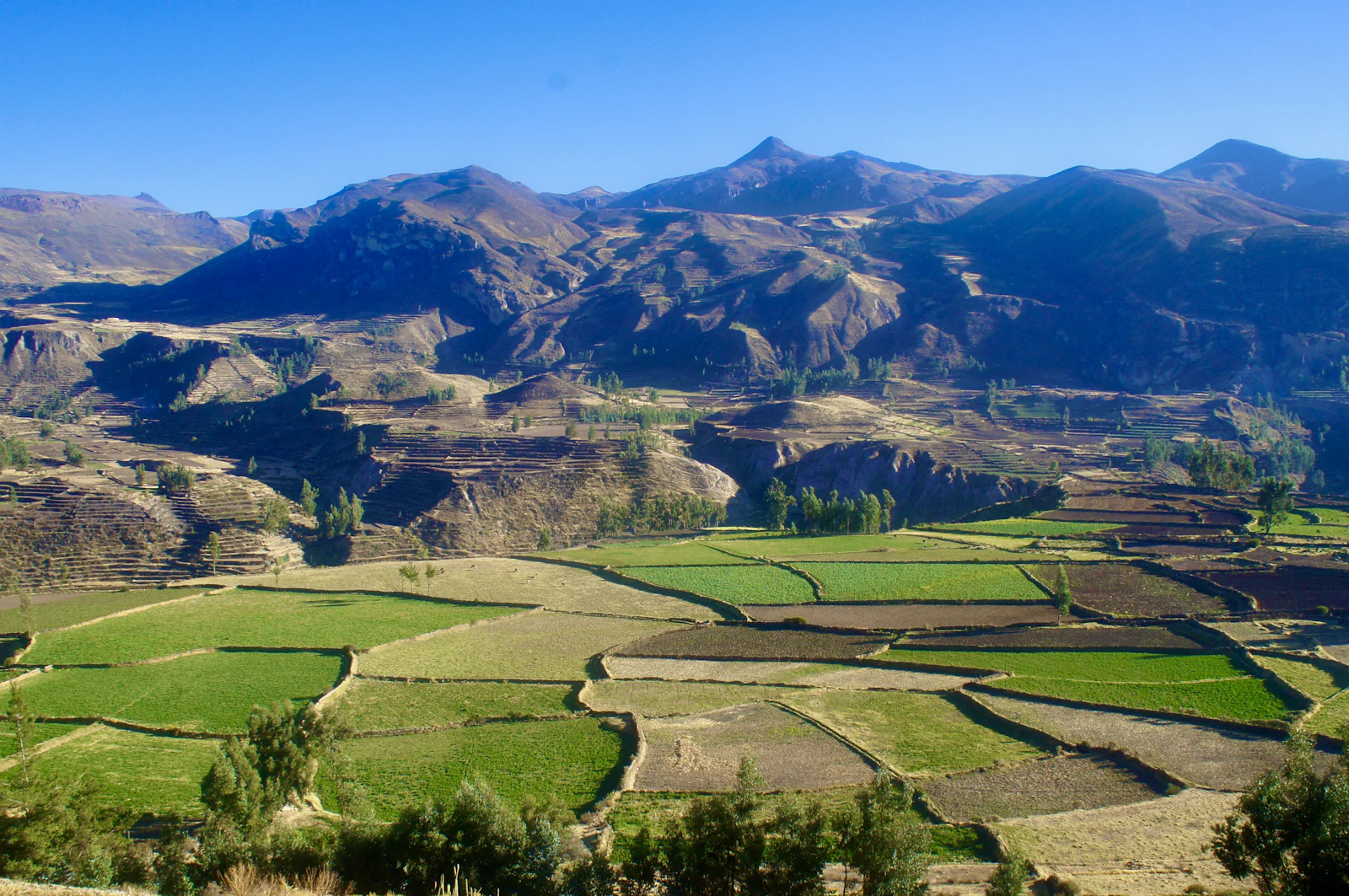
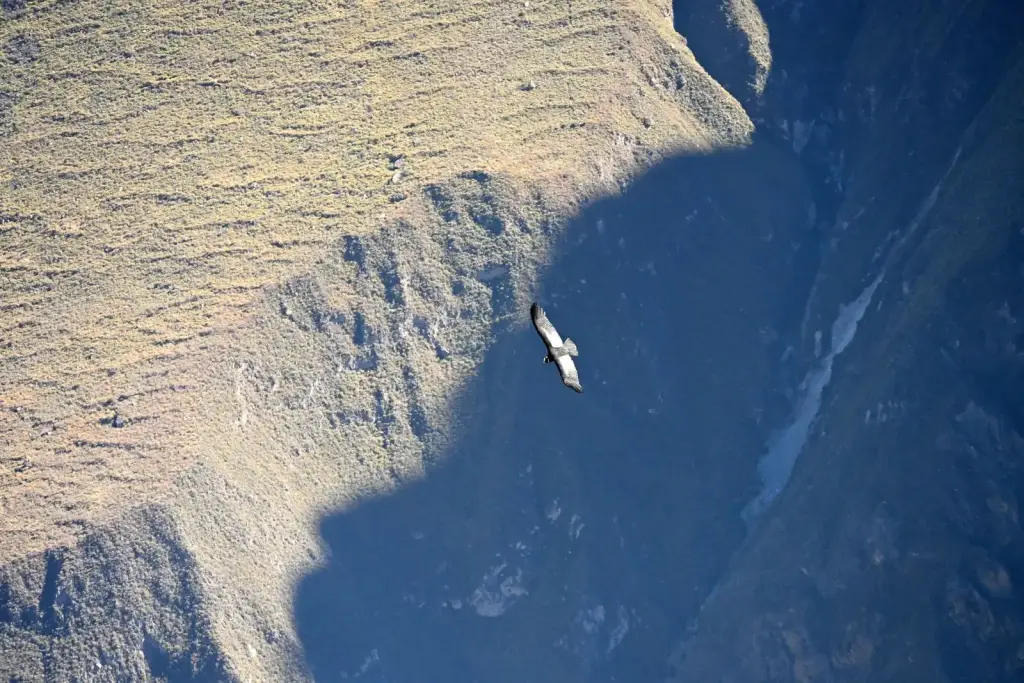
Arequipa and the Colca Canyon. If you prefer volcanoes and condors to dunes, fly from Cusco to Arequipa instead of Lima on day eight. Arequipa’s white-stone center is beautiful, and a three-day trip continues over the high plateau to the Colca Valley and the condors at Cruz del Cóndor. This option works best with an eleventh day. After your days at altitude in Cusco, the high road to the Colca, over a pass of about 4,900 m (16,100 ft), is much easier. See our Arequipa and Colca Canyon tour.
What about Lake Titicaca or the Amazon?
Both are popular additions for trips of two weeks or more. With ten days, adding either usually means rushing everything else. If you’re considering them, ask us, and we’ll tell you honestly what fits and what we can help with.
If You Have 12 or 14 Days
With a little more time, the same route opens up:
- 12 days: add the four-day Classic Inca Trail instead of the train, with an extra acclimatization day before it, or add Arequipa and the Colca Canyon after Cusco.
- 14 days: do both, or combine the Cusco region with Paracas and Arequipa at a comfortable pace. This is also when Lake Titicaca or the Amazon become realistic additions.
Whatever you add, keep the altitude logic: sea level first, then the Sacred Valley, then Cusco and higher places. Each region’s highlights are on our Peru destinations page.
Getting Around Peru
Distances in Peru are large and mountain roads are slow, so flights do the heavy lifting on a ten-day trip. Lima, Cusco and Arequipa are linked by frequent domestic flights of one to two hours. Within the Cusco region, you travel by road and train. On the coast, Paracas is a road trip from Lima. Long-distance buses connect the whole country, but on a short trip they cost you days you’d rather spend exploring.
Seasons Across Peru
Peru’s seasons run in opposite directions on the coast and in the mountains:
- The Andes (Cusco, Machu Picchu, Arequipa’s highlands): dry and clear from about May to September, rainy from about November to March.
- Lima and the central coast: often gray and cool from June to September, sunny and warm from December to April.
- Paracas and the desert around Ica: dry all year and sunniest in the southern summer.
For most first-time visitors, the dry season in the Andes is the priority, and Lima’s gray skies are a small price for clear days at Machu Picchu.
Budget and Booking Order
We don’t publish prices here, because they depend on your dates, hotels and group. What we can share is the order in which to book, because some pieces sell out and everything else depends on them:
- Inca Trail permits, if you’re trekking, or Machu Picchu tickets for your date and entry time.
- Trains to and from Aguas Calientes, matched to your entry time.
- Domestic flights, Lima to Cusco and Cusco to Lima or Arequipa.
- Hotels, especially in Cusco around Inti Raymi (June 24) and in the dry season.
- Day tours and restaurants, which are the most flexible.
Leave one spare day if you can. Flights in the Andes are sometimes delayed by weather, and a buffer protects the parts of the trip you care about most.
Travel Tips for Americans
- Money. The currency is the sol. U.S. dollars are accepted in some tourist businesses, but you’ll usually get change in soles. Cards work in most hotels and restaurants in cities; carry cash in small bills for markets, taxis, tips and rural areas. Tell your bank you’re traveling.
- Tipping. In sit-down restaurants, around 10 percent is common when service isn’t included. Tipping guides, drivers and trekking teams is customary. Ask your operator for a suggested range.
- Phones and data. A local SIM or an eSIM is inexpensive and easy to set up. Coverage is good in cities and patchy in the mountains.
- Power. Peru uses 220 volts. Many outlets accept U.S. flat-pin plugs, but check that your chargers are dual voltage, and leave single-voltage hair dryers at home.
- Water. Drink bottled or filtered water rather than tap water.
- Insurance. Get travel insurance that covers medical care, trip cancellation and, if you’re trekking, activities at altitude.
Frequently Asked Questions
Is 10 days enough for Peru?
Ten days is enough for Lima, Cusco, the Sacred Valley and Machu Picchu, plus Paracas. For Arequipa, Lake Titicaca or the Amazon, plan more time or choose one region.
Do U.S. citizens need a visa for Peru?
Not for a tourist visit. Your passport should be valid for at least six months from entry, and the immigration officer decides the length of your stay. Check the U.S. State Department and Peru’s immigration authority before you travel.
Should I start in Lima or Cusco?
Most itineraries start in Lima, where international flights land, then fly to Cusco. Going straight from the airport down to the Sacred Valley makes the altitude easier.
When is the best time for this itinerary?
May to September is the dry season in the Andes and the most reliable for Machu Picchu. Lima is often gray in those months and sunniest from December to April.
Can I fit the Inca Trail into 10 days?
The two-day Short Inca Trail fits well. The four-day Classic needs at least two acclimatization days first, so it works better with twelve days or more.
Official Sources & Updates
Rules, tickets and closures are set by Peruvian authorities and can change. We last checked this guide against these sources on .