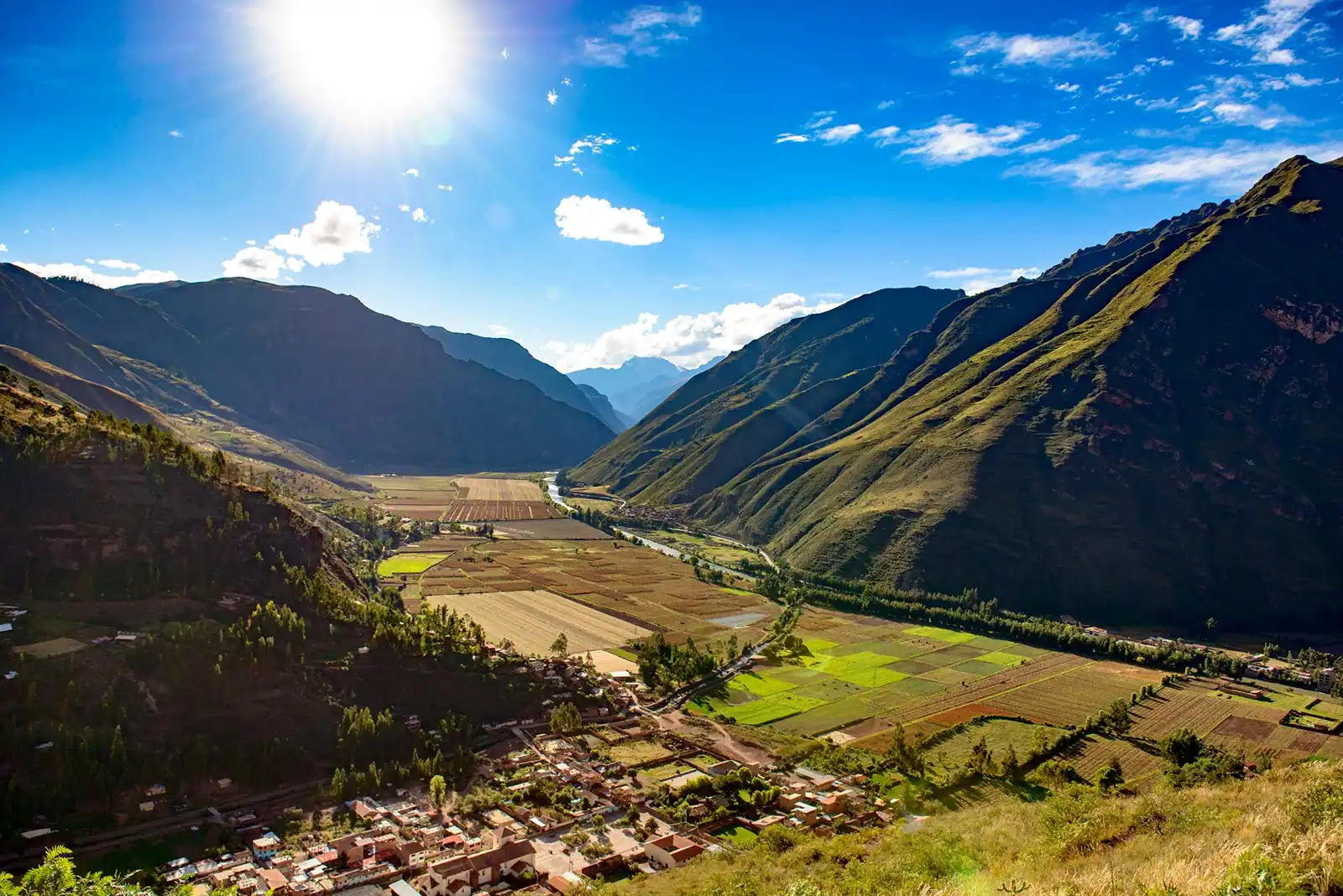
Ausangate Trek: What to Expect on Cusco’s Wildest Route
What the Ausangate trek is really like: the route options, altitude and cold, the herding communities along the way, the best months and who it suits.
In this guide12 sections
The short answer
Ausangate is the most demanding trek near Cusco: several days above 4,300 m (14,100 ft), passes close to 5,000 m (16,400 ft), freezing nights and herding communities along the way. The best months are May to September. It suits experienced trekkers who are well acclimatized. If you’d like a taste without the commitment, try the one-day 7 Lakes loop.
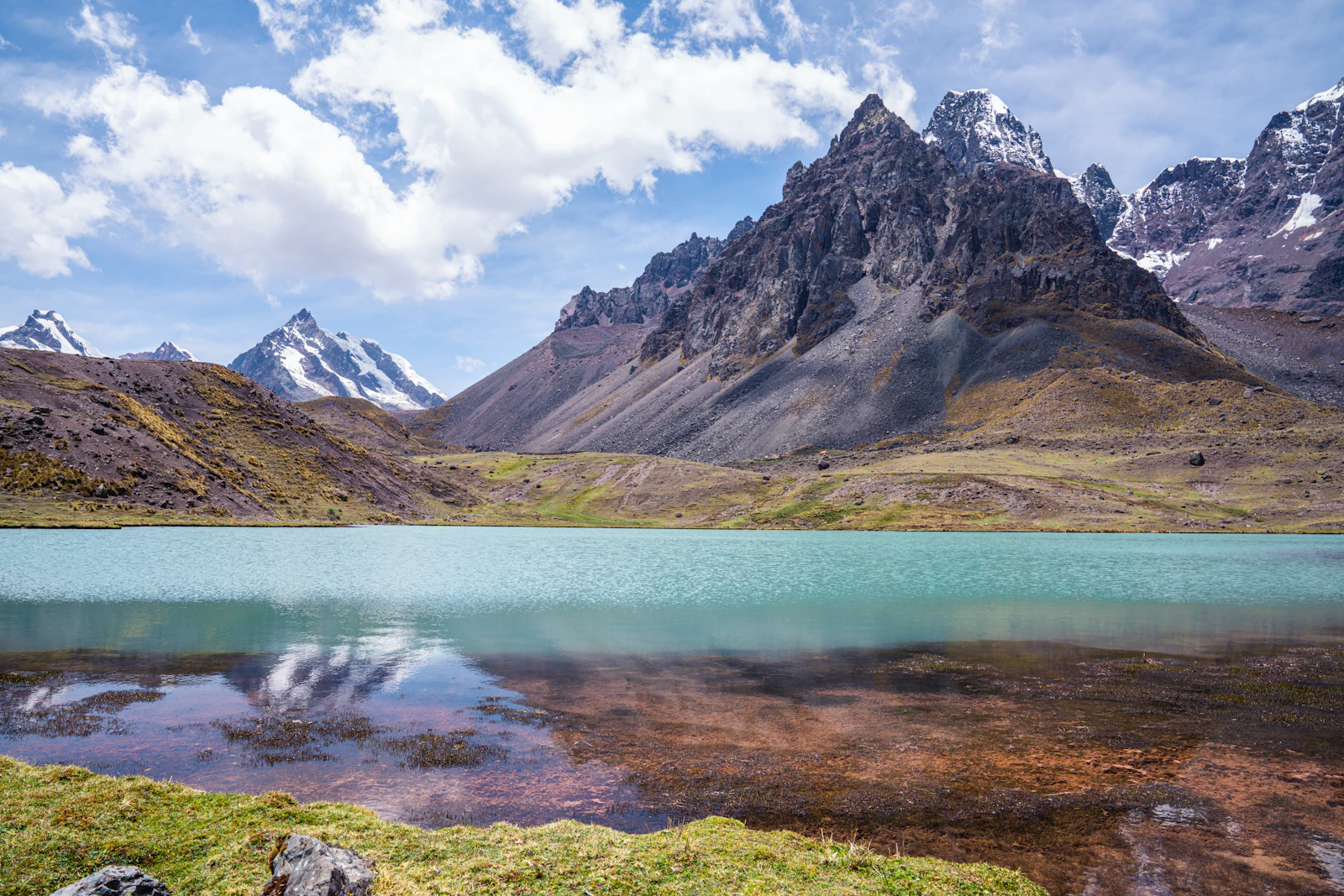
Few places near Cusco feel as remote as the country around Ausangate. There are no ruins to visit and no Machu Picchu at the end. Instead there are glaciers, lakes in improbable colors, stone corrals, alpacas by the hundred and passes that leave you breathless in every sense. This guide explains what the trek involves, so you can decide whether it’s the right adventure for you.
Where Ausangate Is
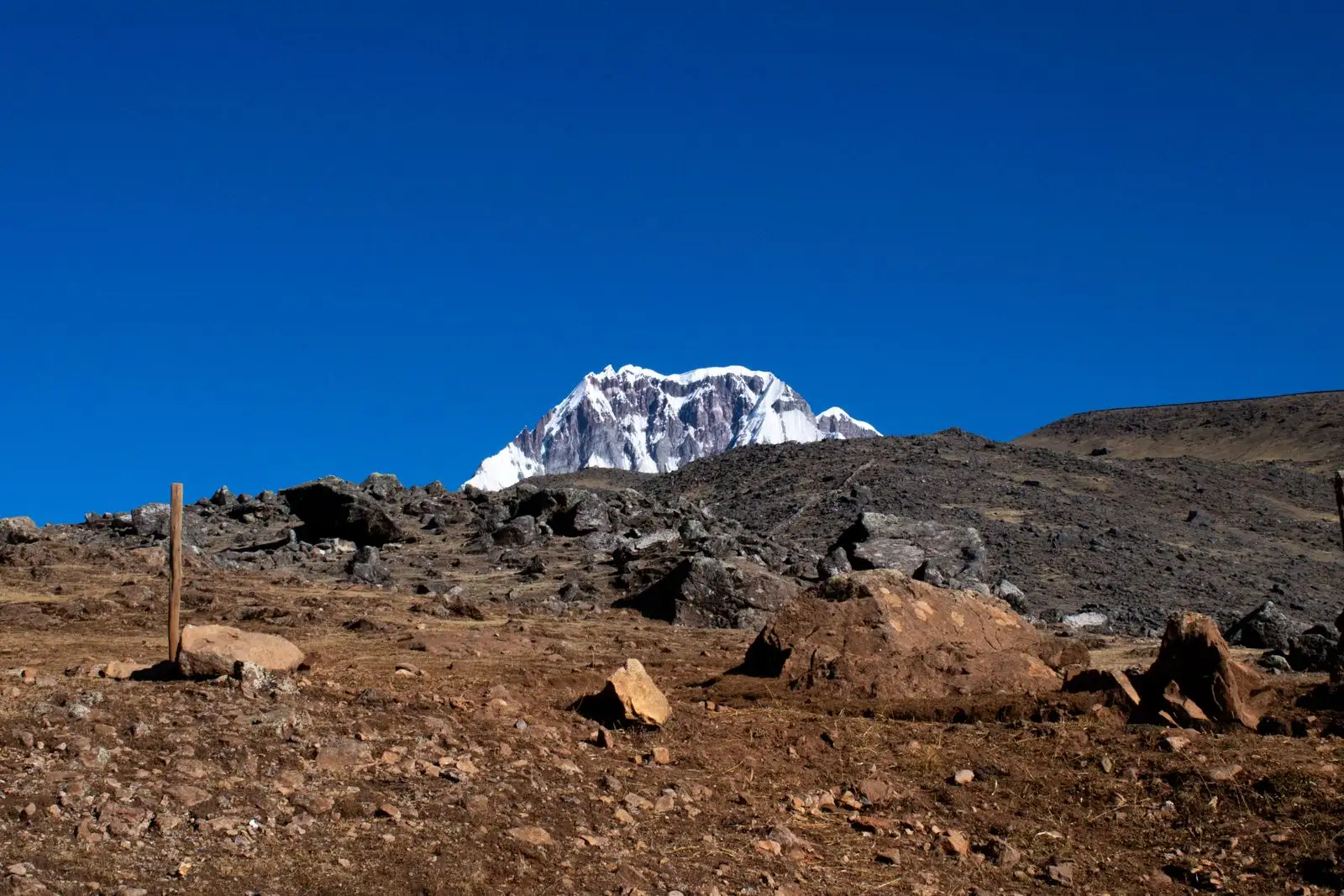
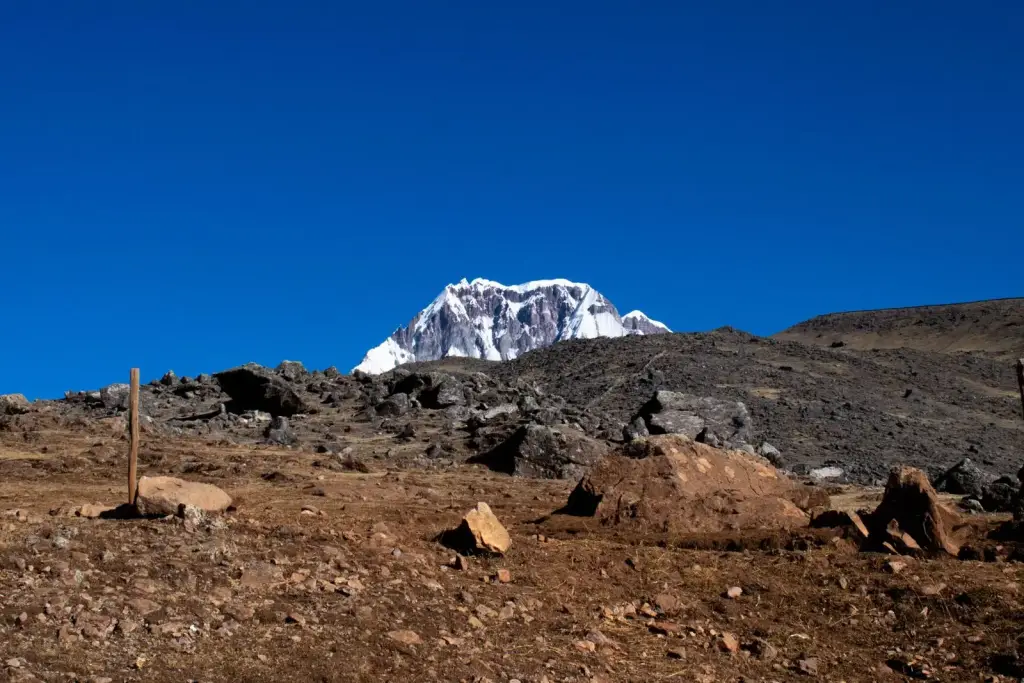
Ausangate is the highest mountain of the Vilcanota range, rising to about 6,380 m (20,900 ft) southeast of Cusco. For the Quechua communities of the region, it’s an apu, a sacred mountain, and it anchors one of the Andes’ great pilgrimages: Qoyllur Rit’i, held each year in the Sinakara valley, below the glaciers of the Ausangate area, in the days before Corpus Christi, and recognized by UNESCO as intangible cultural heritage.
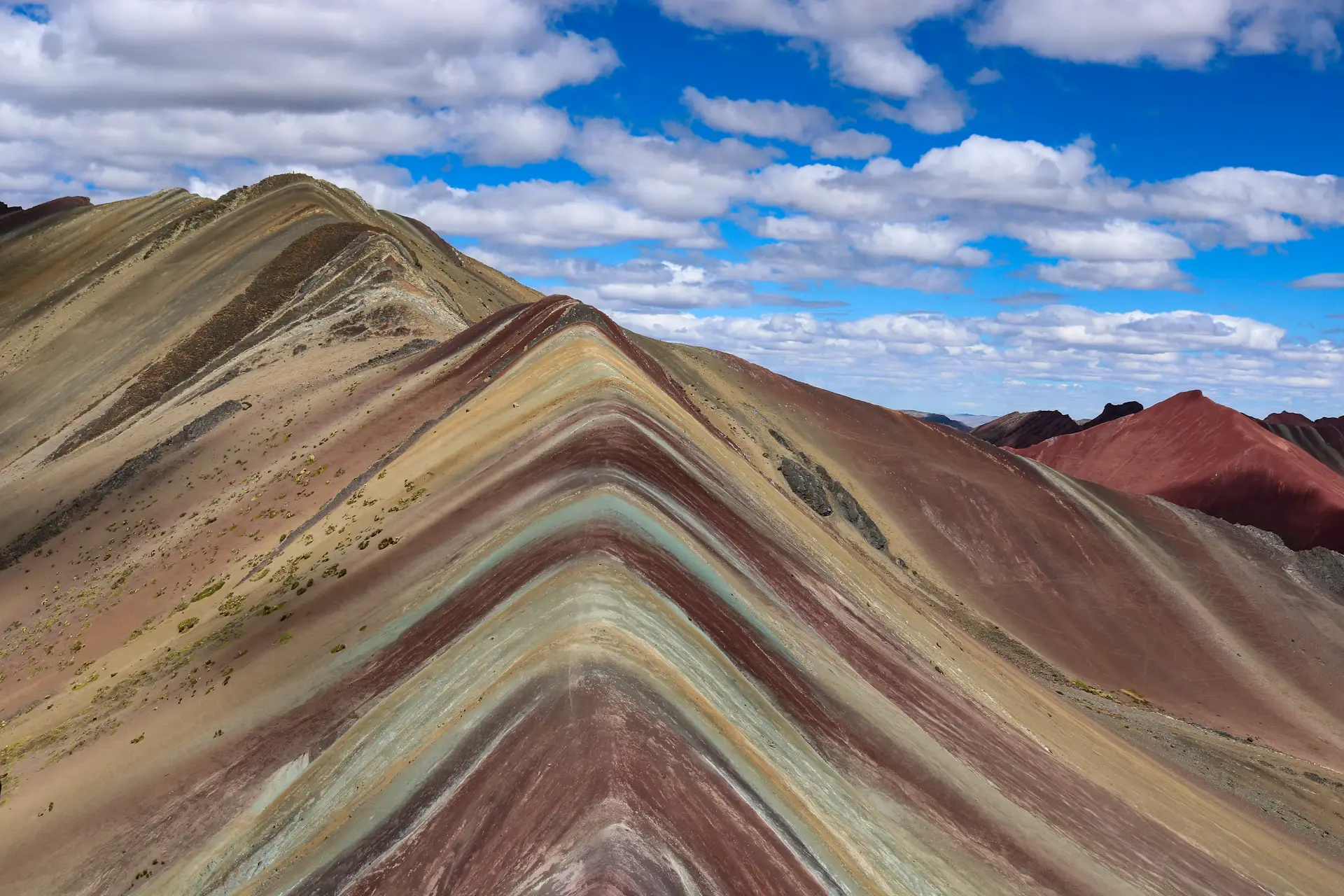
Most treks begin around the villages of Tinki or Pacchanta, about three hours’ drive from Cusco, mostly on paved highway toward Ocongate. Rainbow Mountain lies on the edge of the same range, which is why some Ausangate routes finish there, approaching it from its quieter side.
Route Options: One Day to Six
| Option | What it involves | Highest point |
|---|---|---|
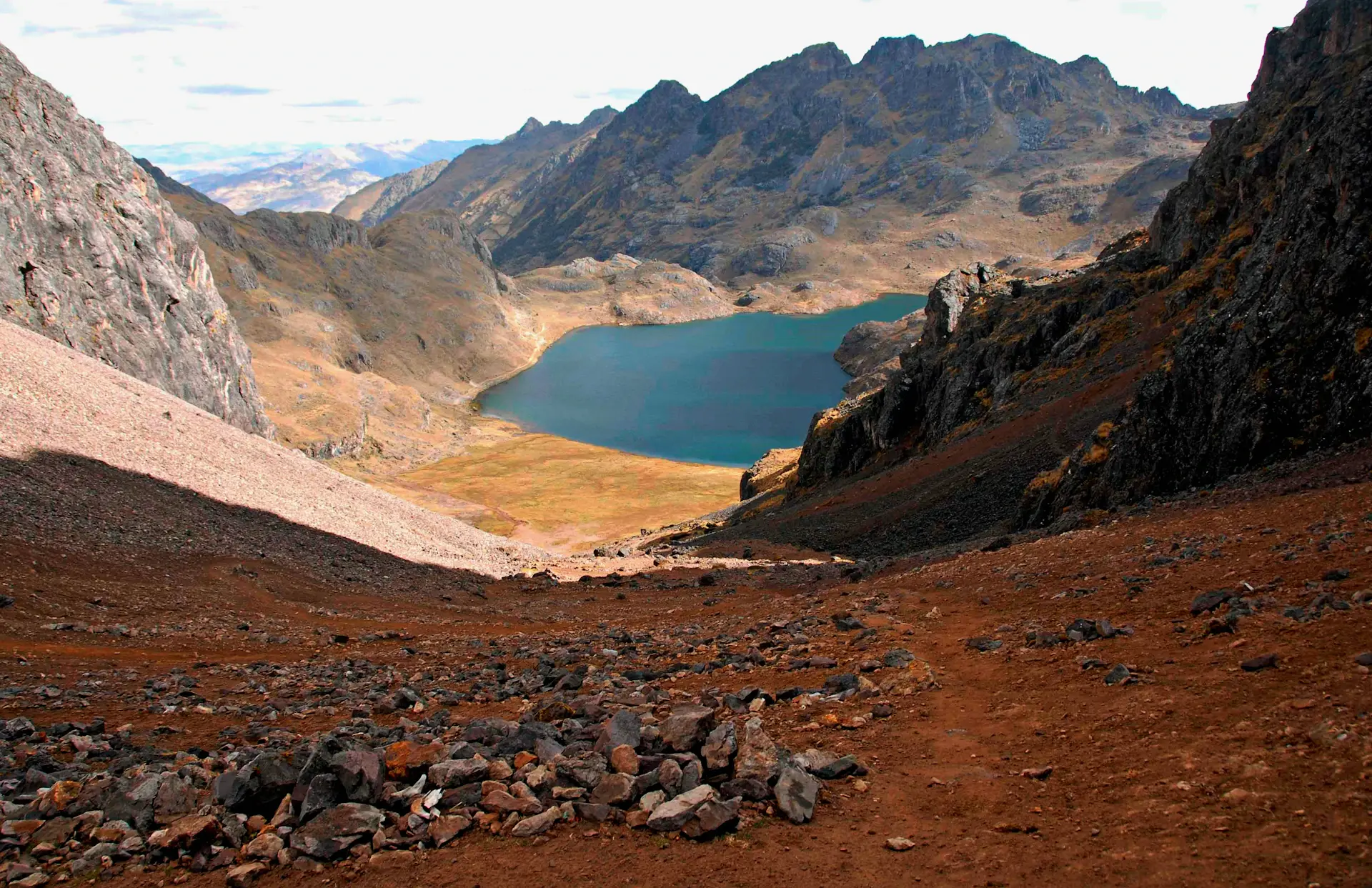
| 7 Lakes of Ausangate, 1 day | A loop from Pacchanta past glacial lakes, often with hot springs | About 4,600 m (15,100 ft) |
| Ausangate treks, 4 days | Routes on part of the massif; some finish via Rainbow Mountain | Passes close to 5,000 m, up to about 5,200 m |
| The full circuit, 5 to 6 days | Around the massif, over several high passes | Above 5,000 m (16,400 ft) |
Routes and campsites vary by operator and by conditions, and some routes use basic community-run shelters for a night or more. Our Ausangate Trek page describes the four-day version and what’s included.
Altitude and Cold
The entire trek is high. Most routes start between about 3,800 and 4,300 m (12,500 to 14,100 ft), camp between 4,300 and 4,900 m (14,100 to 16,100 ft) and cross passes close to 5,000 m. There’s little chance to drop lower if you feel unwell, which is why preparation matters more here than on any other trek near Cusco.
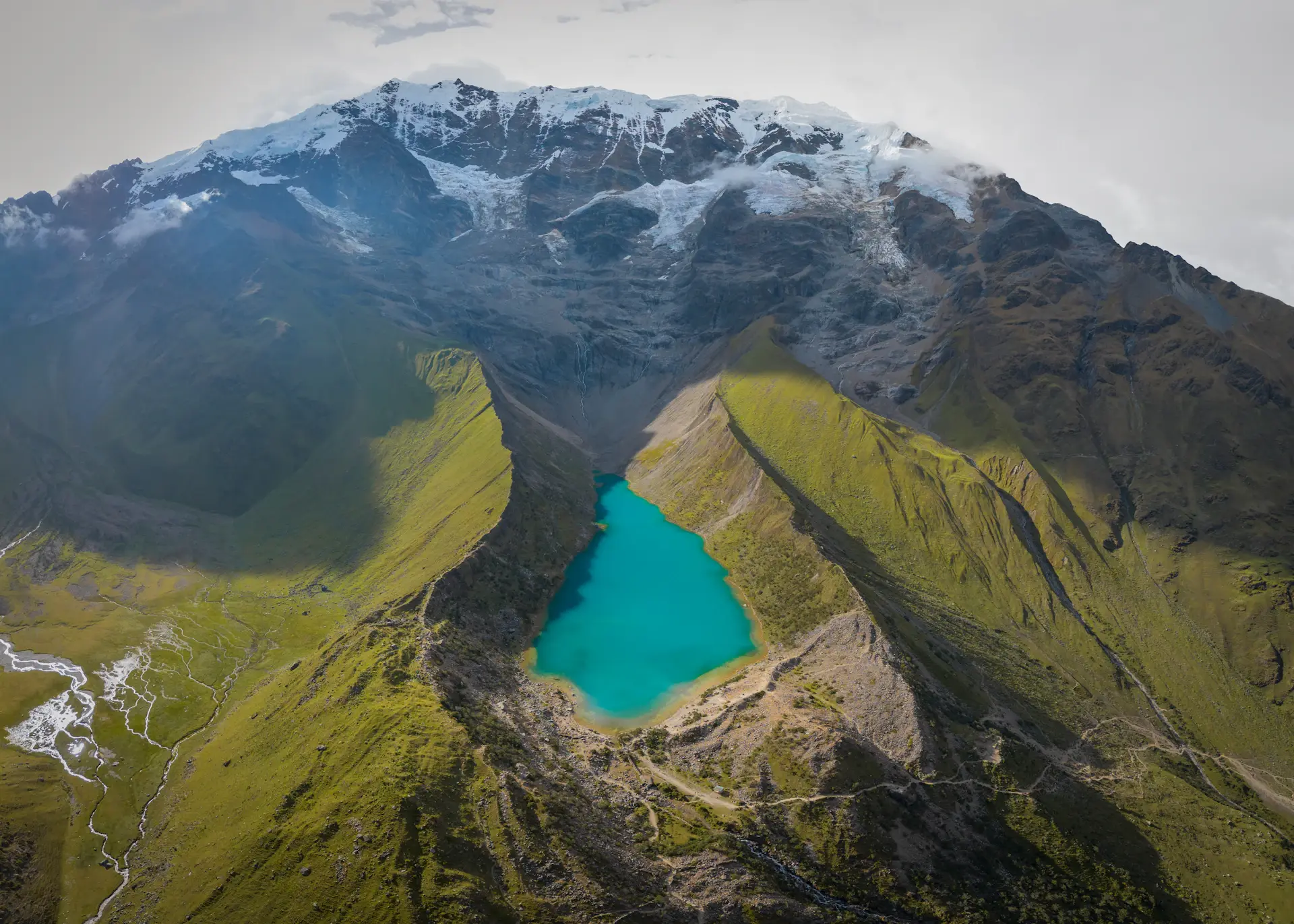
- Acclimatize properly. Plan at least three or four nights in Cusco or the Sacred Valley first, including a high day hike such as Humantay Lake or the 7 Lakes.
- Know the warning signs. Severe headache, vomiting, confusion or breathlessness at rest mean it’s time to turn back and get help. Our guide to Cusco’s altitude explains them.
- Carry proper insurance that covers trekking at high altitude and evacuation.
In the dry season, nights fall well below freezing and the wind can be bitter on the passes. Pack a sleeping bag rated for serious cold, a warm down jacket, a hat, gloves and layers you can add fast. The sun is intense at this altitude; high-factor sunscreen and good sunglasses are essential.
Communities Along the Way
The trails around Ausangate cross land that belongs to herding communities. Families live in stone houses near their corrals, move alpacas and llamas between pastures and weave textiles in patterns that belong to their village. You’ll walk past their homes and fields, and you may share a trail with a herd.
A few ways to be a good guest:
- Pay the community fees. They’re collected along the way and support the communities whose land you cross.
- Ask before taking portraits, and accept a no.
- Keep a respectful distance from the herds, and don’t enter corrals or homes without an invitation.
- Don’t hand out sweets or money to children. If you want to support a family, buy textiles directly from the people who make them.
A Day on the Trail
Days around Ausangate start cold. You’re woken with a hot drink, often with frost on the tent, and set off once the sun reaches camp. The walking is steady rather than steep for much of the day, over high grassland and moraine, with the climbs to the passes coming slowly and taking your breath. Lunch is usually a hot meal near a lake or a stream. By mid-afternoon you reach the next camp, set beside a lake or below a glacier, and the temperature drops fast once the sun goes behind the mountains. Nights are long, quiet and full of stars.
Packing for Ausangate
The basic trekking kit applies, with more emphasis on cold and sun:
- A sleeping bag rated well below freezing, plus a warm sleeping layer and a hat for the night.
- A proper down or synthetic jacket, insulated gloves and a warm hat.
- Waterproof boots, broken in, for boggy ground and snow on the passes.
- Glacier-grade sunglasses and high-factor sunscreen.
- Water purification or a way to treat water, if your team doesn’t provide boiled water.
- Cash for community fees along the route.
Our Inca Trail packing list covers the rest of the basics.
Getting There and Back
Trailheads such as Tinki and Pacchanta are about three hours from Cusco, mostly on the paved highway toward Ocongate, with a final stretch on dirt roads. Routes that finish at Rainbow Mountain end with a drive back from its trailhead. Plan to be back in Cusco by evening on the last day, and keep the next day free for rest.
Best Time to Go
May to September is the dry season and the best time for Ausangate: clear skies, frozen nights and firm trails. June and July are the coldest months.
April and October can be good, with more changeable weather.
November to March is the rainy season. Expect snow on the passes, boggy ground and cloud hiding the mountain. Treks are possible in some conditions, but they’re harder and the views less certain.
Wildlife and a Changing Landscape
Ausangate’s high grasslands aren’t empty. Herds of alpacas and llamas graze around the corrals, wild vicuñas are sometimes seen on the open slopes, and viscachas, rabbit-like rodents, watch from the rocks. Andean geese gather on the lakes, and condors occasionally ride the air above the ridges.
The glaciers are part of the draw, and part of the story. Like ice across the tropical Andes, Ausangate’s glaciers have been retreating, and local guides often point out how far the ice has pulled back within living memory. It’s one more reason to walk lightly: stay on the paths, carry all your rubbish out and respect the lakes, which many communities consider sacred.
Safety in a Remote Place
Ausangate is far from roads, clinics and phone signal for much of the route. That changes how you prepare:
- Be honest about your experience and health when you book, so the route and pace fit you.
- Tell your guide early if you feel unwell; turning back is always easier on day one than on day three.
- Carry insurance that covers trekking at high altitude and evacuation, and keep the policy details with you.
- Expect weather to change quickly, even in the dry season: wind, hail or a snow shower can arrive in an hour.
Is It Right for You?
Ausangate is a great fit if you have multi-day trekking experience, ideally at altitude, you’re in good physical shape and you want wild, empty landscapes more than ruins. It’s not the trek to learn on: the distances aren’t extreme, but the altitude, the cold and the remoteness make it serious even for experienced adults. We don’t recommend it for children.
If you’re new to trekking, Salkantay or Lares are better introductions. Our comparison of alternative treks to Machu Picchu sets them side by side. And if one high day is enough, the 7 Lakes of Ausangate gives you the lakes and the glaciers in a single long hike. Our comparison of Rainbow Mountain and Humantay Lake looks at the other high day hikes.
How we prepare for Ausangate
We plan Ausangate after several days at altitude and a high day hike, never as a first adventure. Tell us about your trekking experience when you get in touch, and we’ll be honest about whether the route fits.
Frequently Asked Questions
How hard is the Ausangate trek?
It’s rated demanding. Daily walking times are typically five to eight hours on paths that can be faint, rocky or boggy, with passes close to 5,000 m. The altitude and cold make it harder than the distance suggests.
How high does the Ausangate trek go?
Most routes cross passes close to 5,000 m (16,400 ft), and some reach around 5,200 m (17,000 ft). Campsites are between about 4,300 and 4,900 m.
When is the best time to hike Ausangate?
May to September, the dry season. Nights are very cold, especially in June and July, but the weather is most stable.
Does the Ausangate trek go to Rainbow Mountain?
Some routes finish at Rainbow Mountain, approaching from its quieter side. Others stay on the Ausangate side. Ask which route your trek follows.
Can I ride a horse on the Ausangate trek?
Horses usually carry the camping gear, and a riding horse can often be arranged for part of the way at extra cost. It’s a useful backup at this altitude.
Official Sources & Updates
Rules, tickets and closures are set by Peruvian authorities and can change.