Skip to content
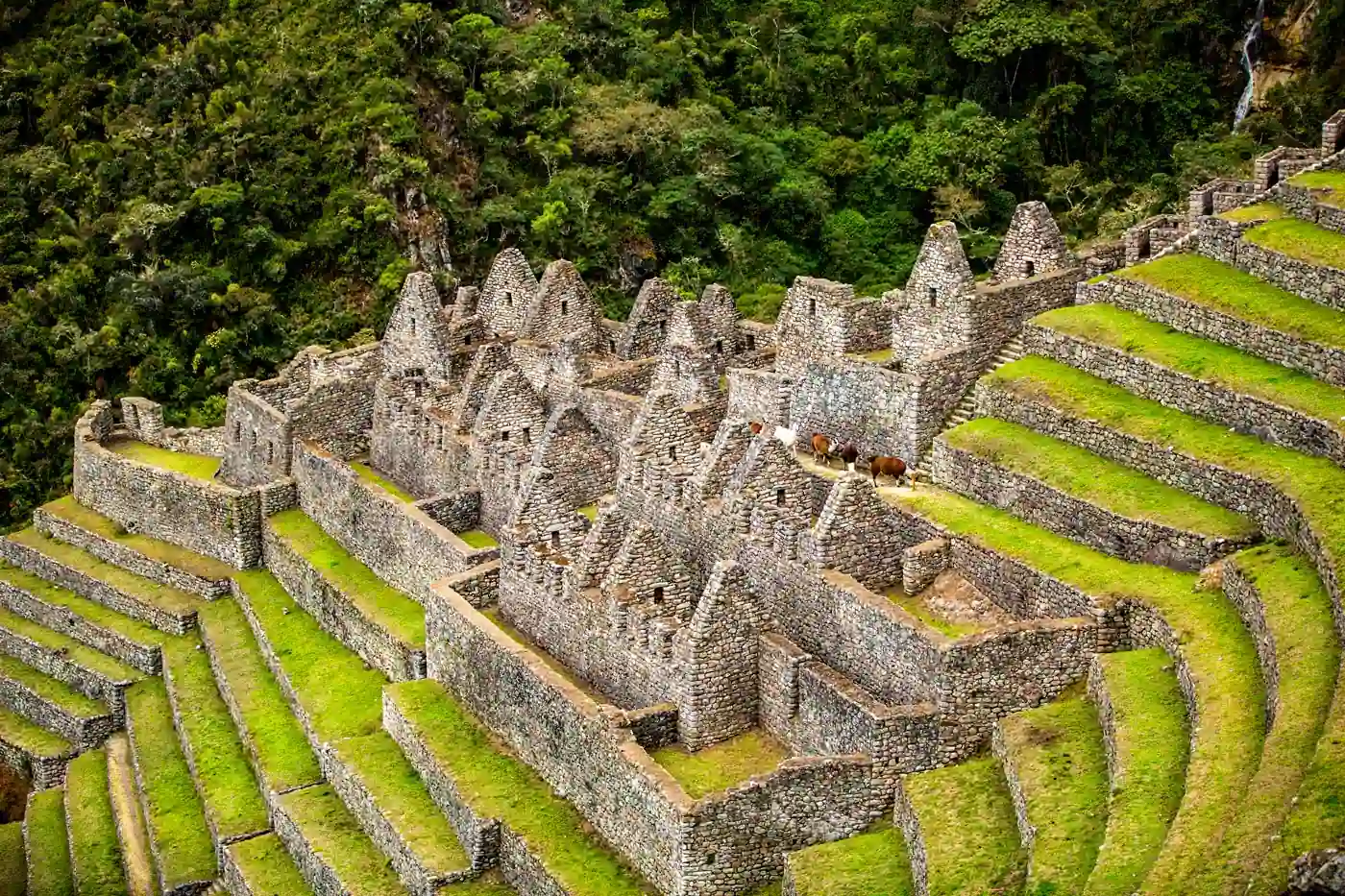
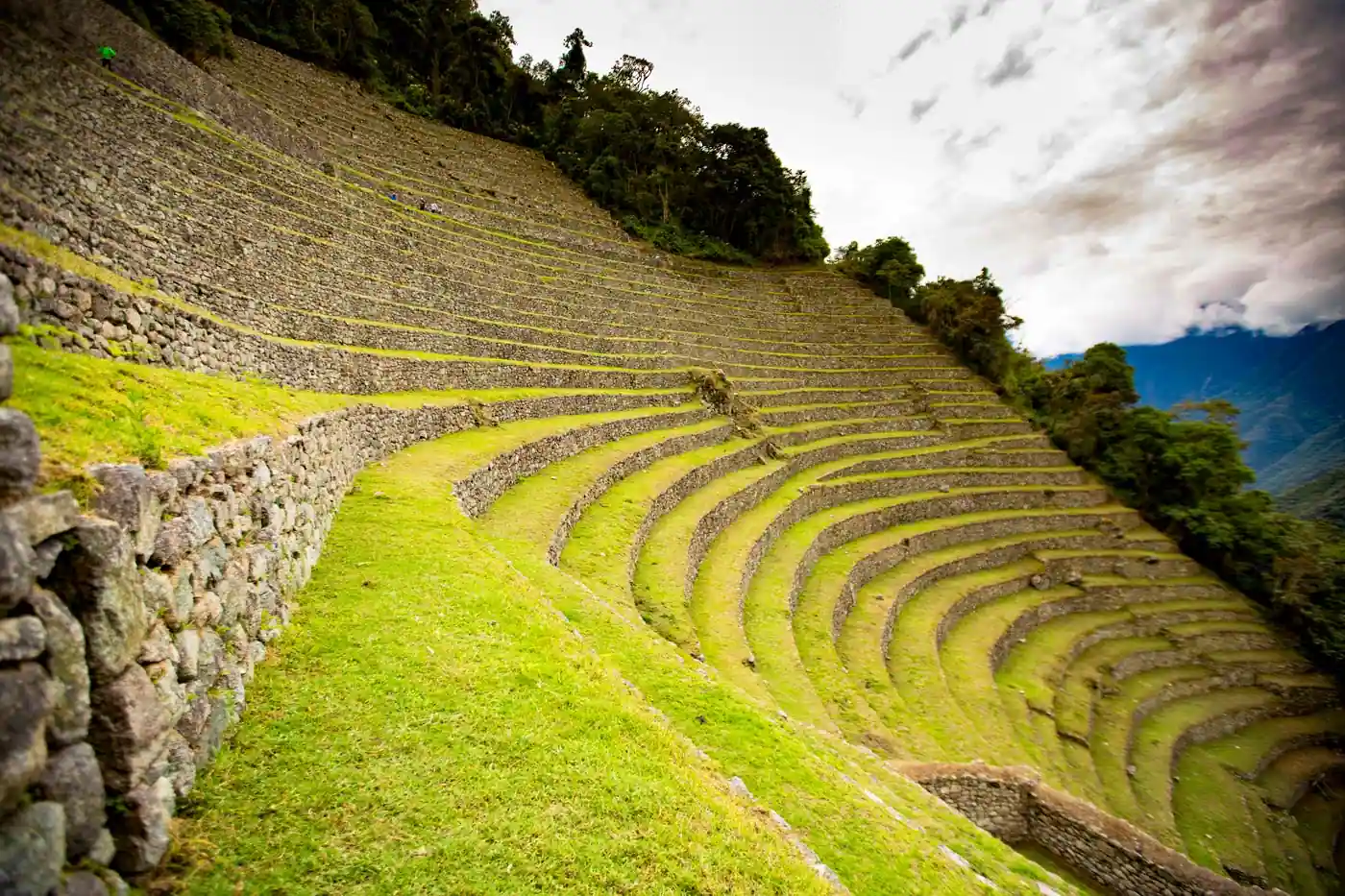
Curved stone terraces of Wiñay Wayna along the Inca Trail
Inca Trail treks

Inca Trail Tours to Machu Picchu

Two ways to walk the original Inca road to Machu Picchu: the Classic four-day trek over the high passes, or the Short Inca Trail in a single hiking day. Here’s how they compare and how to choose.

The Inca Trail

Walking to Machu Picchu on the Original Inca Road

The Inca Trail is one short section of the road network the Incas built across the Andes, and it’s the only way to reach Machu Picchu on foot along the original stone path. It climbs out of the Urubamba Valley, passes Inca sites that can’t be reached by road and finishes at Inti Punku, the Sun Gate, with the citadel laid out below you.

We offer two versions. The Classic Inca Trail spends four days on the trail, crossing the high passes and camping along the way. The Short Inca Trail covers the final stretch in one long hiking day and ends with a night in a hotel in Aguas Calientes. Both arrive through the Sun Gate, both need permits, and both are planned by our team in Cusco.

This page is here to help you choose. If you already know which route you want, the tour pages have the full itinerary, inclusions and practical details.

Routes
Two options4 days or 2 days
Highest point
4,215 m / 13,829 ftDead Woman’s Pass, Classic route
Permits
RequiredLimited each day, issued by name
Trail closure
Every FebruaryFor maintenance

Our Inca Trail tours

Choose Your Inca Trail Route

Both routes end at the Sun Gate. What changes is how long you spend on the trail, how high you climb and where you sleep.

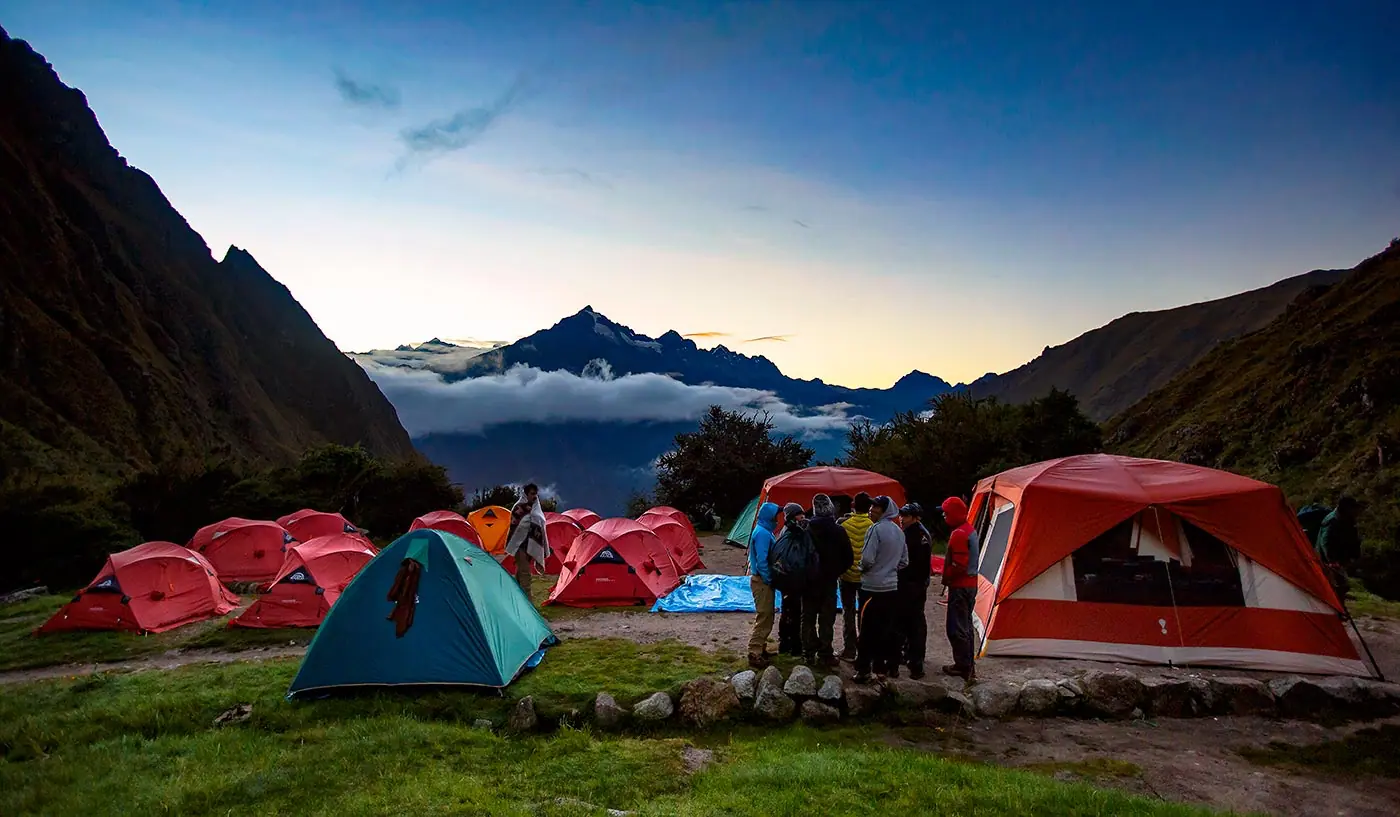
  • Tents at an Inca Trail campsite below Andean peaks
    4 Days Inca Trail

    Cusco to Machu Picchu

    Classic Inca Trail 4 Days

    Four days on the original Inca road, through cloud forest and mountain passes to the Sun Gate.
    • Challenging
    • Camping
    Price On request
  • Wiñay Wayna Inca ruins surrounded by cloud forest
    2 Days Inca Trail

    Cusco to Machu Picchu

    Short Inca Trail 2 Days

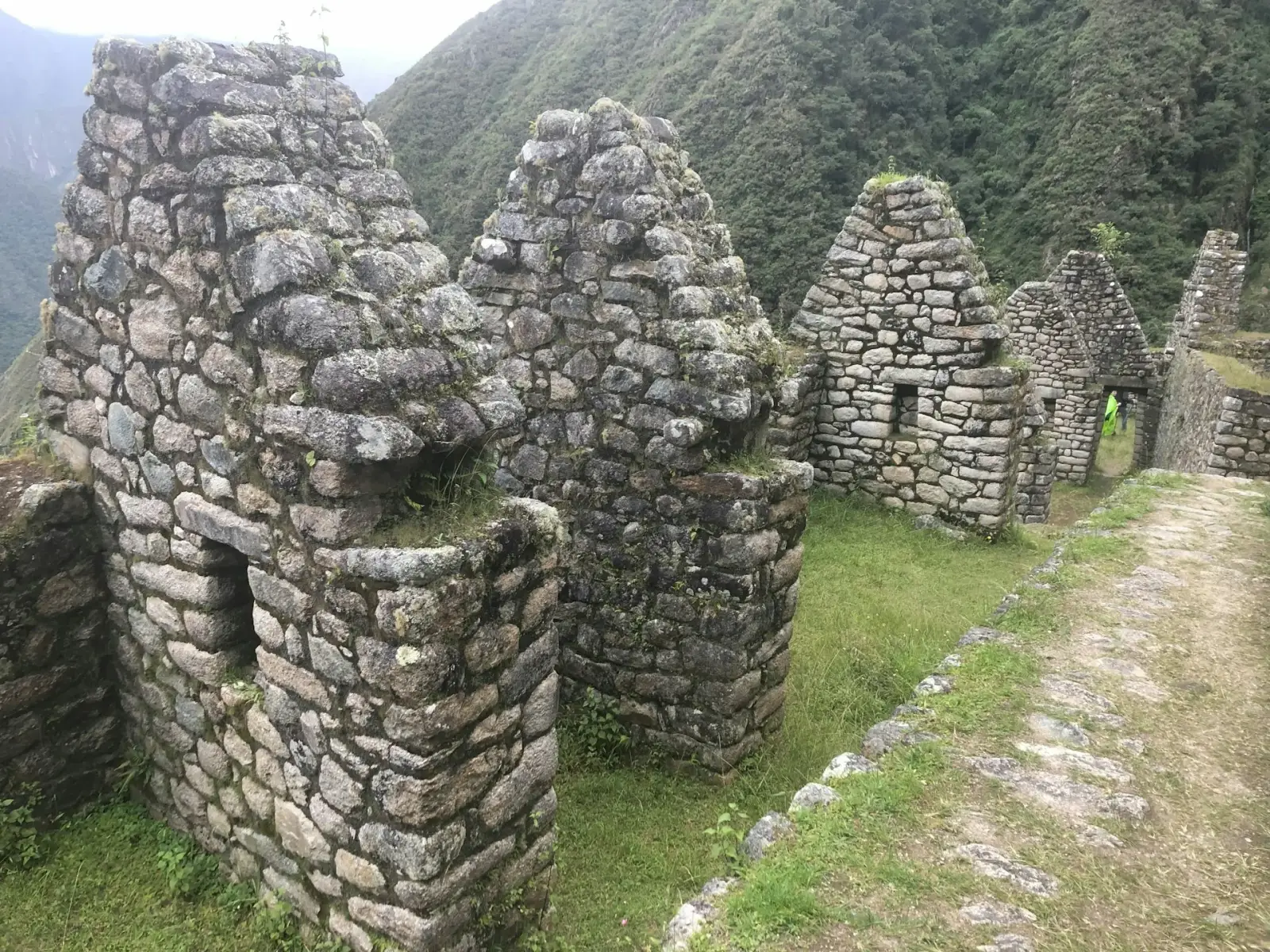
    The final stretch of the Inca Trail in a single hiking day, past Wiñay Wayna to the Sun Gate.
    • Moderate
    • 1 hiking day
    Price On request

Side by side

How the Two Routes Compare

Inca Trail routes at a glance
TourDurationDifficultyHighest pointTrail distanceWhere you sleepYour Machu Picchu visitMay suit
Classic Inca Trail 4 Days4 Days / 3 NightsChallenging4,215 m / 13,829 ftAbout 42 km (26 mi) over four daysThree nights camping on the trailSun Gate at dawn on day 4, then a guided visitHikers who want the whole route, its Inca sites and nights in the mountains
Short Inca Trail 2 Days2 Days / 1 NightModerate2,720 m / 8,924 ftAbout 12 km (7.5 mi) in one dayOne night in a hotel in Aguas CalientesSun Gate view on day 1, guided visit on day 2Travelers short on time, families with older kids, first-time trekkers
  • 4 days · 3 nights camping

    The Classic route may suit you if…

    • You enjoy hiking several hours a day, several days in a row
    • You want to see the Inca sites along the whole route, not just the last stretch
    • Three nights of camping sounds like part of the adventure
    • You can spend two or three days in Cusco beforehand to acclimatize
    See the Classic Inca Trail
  • 2 days · 1 night in a hotel

    The Short route may suit you if…

    • You have a short trip but still want to walk in on the Inca Trail
    • You’d rather end the hiking day in a hotel than a tent
    • You’re traveling with older children or teens who walk regularly
    • You’d like to stay below Cusco’s altitude while you hike
    See the Short Inca Trail

Not sure which route fits your group?

Tell us who’s traveling and how much hiking you enjoy. We’ll give you an honest recommendation and check permits for your dates.

How to choose

Four Questions That Usually Decide It

How many days do you have?

The Classic route needs four days on the trail, and we recommend at least two full days in Cusco before you start, three if you can. In practice it fits best when you have a week or more in the region. The Short route takes two days and slots into a shorter trip, though you’ll still want a day or two in Cusco first.

How do you feel about camping?

On the Classic trail you sleep three nights in tents, and the higher camps get cold after dark, especially from May to August. The Short route has no camping at all: after the hike you go down to Aguas Calientes for dinner, a shower and a bed. For some travelers the camping is the highlight; for others it settles the question on its own.

How do you handle altitude and long descents?

The Classic route climbs to Dead Woman’s Pass at 4,215 m (13,829 ft) on the second day and then drops steeply on stone steps. The Short route never goes higher than about 2,720 m (8,920 ft), which is lower than Cusco. If altitude worries you, or your knees don’t love long staircases, that difference matters more than the distance.

Is it the journey or the arrival that matters most?

Both routes end with the view from the Sun Gate. The Classic adds the whole approach: three days of passes, cloud forest and Inca sites such as Runkurakay, Sayacmarca and Phuyupatamarca before you reach Wiñay Wayna. If the journey is the point, the four days are worth it. If the arrival is what you’re after, the Short route gets you there with far less time and effort.

Difficulty and altitude

How Hard Is Each Route?

Difficulty

We rate the Classic Inca Trail as challenging. It covers about 42 km (26 mi) in four days, with six to eight hours of walking on most days, steep stone staircases and one long climb to the pass. You don’t need to be an athlete, but you should be comfortable hiking for hours on consecutive days.

The Short Inca Trail is moderate: about 12 km (7.5 mi) with a steady morning climb of around 600 m (about 2,000 ft), and six to seven hours on your feet including stops. Some sections are narrow, with drop-offs beside the path.

For either route, regular hikes with some elevation gain in the months before your trip make a real difference, and trekking poles help on the descents.

Altitude

Cusco sits at about 3,400 m (11,150 ft), so most travelers feel the altitude before they ever reach the trail. The Classic route spends most of its time above 2,500 m (8,200 ft) and tops out at 4,215 m (13,829 ft). The Short route runs from about 2,150 m (7,050 ft) at Km 104 to about 2,720 m (8,920 ft) at the Sun Gate, and Machu Picchu itself is at about 2,430 m (7,970 ft).

Give yourself time to adjust: at least two full days in Cusco or the Sacred Valley before the Classic route, and a day or two before the Short one. Take the first day slowly, drink plenty of water and talk to your doctor before you travel, especially if you have a heart or lung condition.

Permits and planning

How Inca Trail Permits Work

The Inca Trail runs through the Machu Picchu Historic Sanctuary, and Peru’s Ministry of Culture decides who walks it and when. These rules apply to both routes:

  • Daily permits are limited. The cap includes guides, cooks and porters as well as hikers, so there are fewer traveler spaces than the number suggests.
  • Permits are personal. They’re booked through licensed operators with each hiker’s full name and passport number, can’t be transferred and are checked against your passport on the trail.
  • Every group hikes with a guide. Independent hiking isn’t allowed.
  • Your Machu Picchu entry is set. Trail hikers visit the citadel on the circuit and schedule defined for them by the Ministry of Culture.

Because permits are limited and tied to your passport, the order of planning matters. We check availability for your dates first and build the rest of your trip, from flights to your days in Cusco, around the permit. Dates from May to August usually go first, so if your travel dates are flexible, tell us: a week earlier or later can make the difference.

Good to know: the permit calendar, the daily limit and the Machu Picchu circuit for trail hikers are set by the Ministry of Culture and change from time to time. We don’t publish release dates or availability here because they shift every year; we confirm the current rules with you before you book.

No permits left for your dates? The Salkantay Trek and the Lares Trek also end with a visit to Machu Picchu and don’t use Inca Trail permits. You can compare them with our other treks from Cusco.

Seasons

When to Hike the Inca Trail

The trail closes every February for maintenance. The rest of the year, the weather follows the Andean seasons:

  • May to September is the dry season: clear mornings, cold nights at the high camps and the busiest months for permits.
  • April and October sit between the seasons and often balance decent weather with a little less demand.
  • November to March brings the rains: greener hillsides, more cloud, mud on the stone steps and afternoon showers.

The Short route stays lower and warmer than the Classic’s high section and ends in a hotel, so cold nights aren’t a factor. In any month, pack a rain layer: this is cloud forest, and the weather around Machu Picchu changes quickly.

Families

Hiking the Inca Trail With Kids

Families do hike the Inca Trail, and the right route depends on your children more than on their age. The Short route is usually the better fit: one long but manageable hiking day, lower than Cusco, and a hotel at the end of it. It suits kids and teens who already walk several hours at a time and aren’t uneasy near drop-offs.

The Classic route can be a great trip for active teenagers who enjoy multi-day hiking and don’t mind three nights in a tent. Long days, early starts, altitude and cold nights make it much harder for younger children.

If the trail doesn’t sound right for your family, the train still gets everyone to Machu Picchu: see our Machu Picchu tours. Either way, talk with our local team about your children’s ages and hiking experience and we’ll help you choose. Every hiker, children included, needs a permit issued with their passport details.

Why travel with us

Planning the Inca Trail With a Cusco Team

  • Permits first

    We check permit availability for your dates before anything else and plan the rest of your trip around it.

  • Honest advice

    We’ll tell you plainly which route suits your group, including when the train is the better choice.

  • Time to acclimatize

    We build days in Cusco or the Sacred Valley into your plan, so you start the trail ready.

  • One direct conversation

    You talk with the people organizing your trip, by email or WhatsApp, from the first question to your last day.

Questions

Inca Trail Questions We Hear Often

Which Inca Trail should I choose?

If you have the time, enjoy multi-day hiking and like the idea of camping, the Classic four-day route gives you the full experience. If you’re short on days, would rather sleep in a hotel or are hiking with children, the Short route is usually the better fit. Tell us about your group and we’ll give you a straight answer.

Can I hike the Inca Trail on my own?

No. Independent hiking isn’t allowed. Every hiker needs a permit booked through a licensed operator and walks with an authorized guide.

How far ahead should I plan?

As soon as your dates are fixed, especially for May to August, when permits can sell out months ahead. We check availability first and then plan the rest of your trip around your permit.

What if permits are sold out for my dates?

You still have good options. The Salkantay Trek and the Lares Trek end at Machu Picchu without Inca Trail permits, and our Machu Picchu tours go by train.

Is the Inca Trail open in February?

No. The trail network closes every February for maintenance and reopens in March. Machu Picchu itself stays open, so you can still visit by train or on a trek that doesn’t use the Inca Trail.

Do both routes enter Machu Picchu through the Sun Gate?

Yes. On the Classic route you reach the Sun Gate early on the last morning and walk down to the citadel. On the Short route you reach it in the afternoon of the hiking day, spend the night in Aguas Calientes and return for your guided visit the next morning.

Travel Guide

Inca Trail Guides

All Inca Trail guides
Plan your trip

Ready to Plan Your Inca Trail?

Send us your dates and group size. We’ll check permit availability and help you choose between the 4-day and 2-day routes.