Best Time to Hike the Inca Trail: Month-by-Month Guide
Dry season or rainy season? How the months compare on the Inca Trail for weather, crowds and permits, and what the February closure means for your plans.
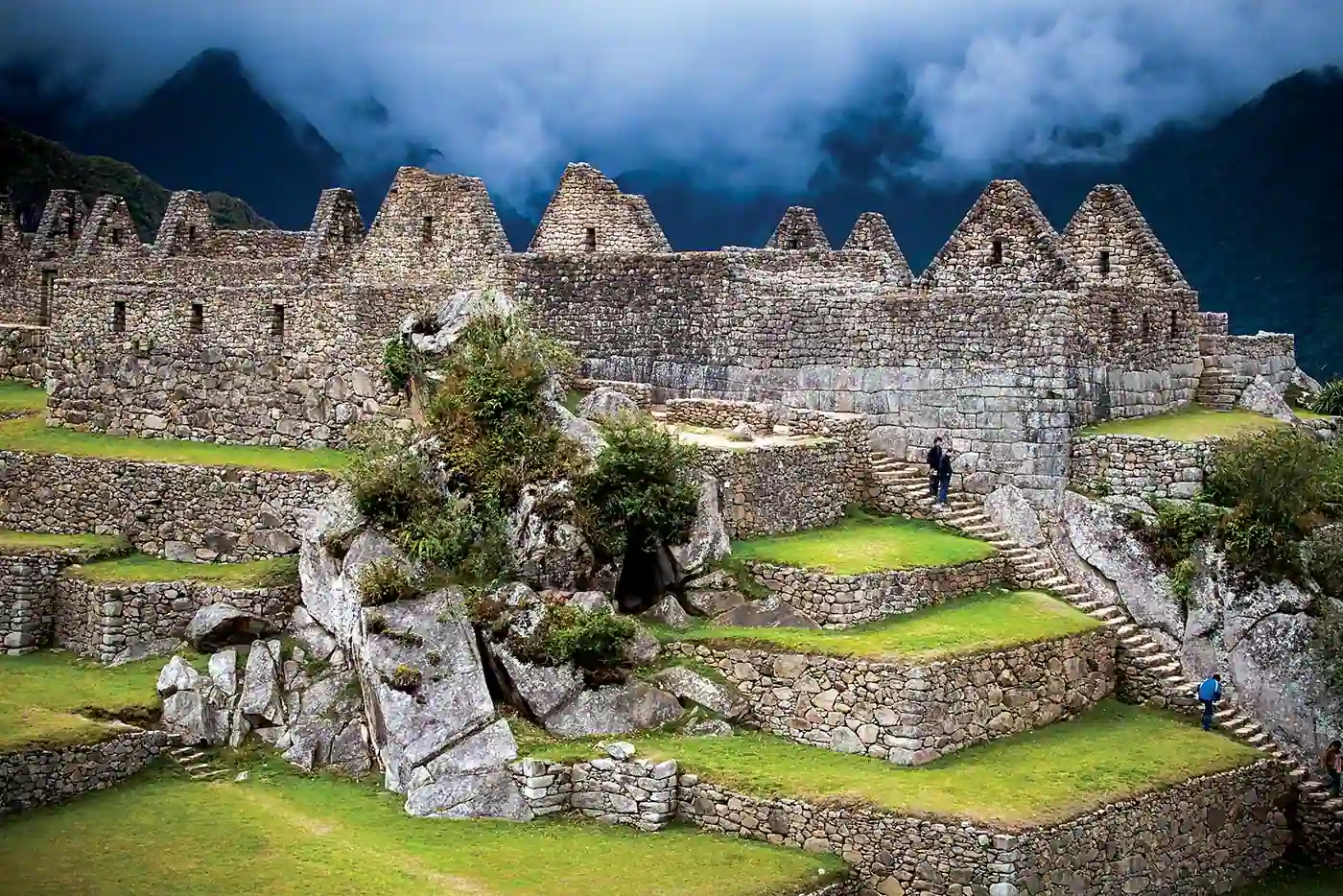
In this guide10 sections
The short answer
The driest, most reliable months for the Inca Trail are May to September, with June to August the busiest. May, September and early October are a good balance of weather and crowds. From November to March you’ll hike in the rainy season, and in February the trail is closed. Whenever you go, book your permit first.
The Andes have two seasons rather than four: a dry season in the southern winter and a rainy season in the southern summer. On the Inca Trail, that pattern decides how much you’ll see from the passes, how cold the nights get and how many other hikers you’ll share the path with. The mountains make their own weather, though, so treat everything here as a pattern, not a promise.
Dry Season vs Rainy Season
The dry season (roughly May to September) brings the most stable weather: clear mornings, strong sun at altitude and cold, starry nights. It’s also winter in the southern hemisphere, so the high campsites can drop close to freezing, and it coincides with summer vacations in the U.S. and Europe. That’s when permits sell out fastest.
The rainy season (roughly November to March) brings afternoon showers, sometimes heavy, more cloud on the passes and slippery stone steps. The upside is a greener landscape, warmer nights and far fewer people. Rain rarely falls all day, and mornings are often clear.
April and October sit in between. April is the end of the rains, with a green, flowering cloud forest. October is the end of the dry season, with rising temperatures and the first storms.
Why the weather changes so much in one day
The classic route climbs from warm valleys near 2,600 m (8,500 ft) to Dead Woman’s Pass at 4,215 m (13,829 ft), then drops into cloud forest. You can start a morning in sunshine, cross the pass in wind and fog and reach camp in drizzle, in any month. Layers matter more than the forecast.
The Inca Trail Month by Month
This table describes typical conditions on the classic route. It isn’t a forecast, and a dry-season day can still be cloudy, just as a rainy-season morning can be perfectly clear.
| Month | Weather | On the trail | Crowds and permits |
|---|---|---|---|
| January | The wettest month: frequent rain | Muddy sections, cloud on the passes | Quiet; permits often available |
| February | Rainy | Closed for maintenance | No hiking |
| March | Rain easing late in the month | Green and lush, slippery steps | Quiet after the reopening |
| April | End of the rains, more dry days | Flowers and waterfalls in the cloud forest | Busier around Easter |
| May | Dry season begins, clear mornings | Good views, cold nights starting | High demand |
| June | Dry and clear, cold nights | Frost possible at the high camps | Very high; Cusco festivals too |
| July | Dry and clear, the coldest nights | Best chance of clear passes | Peak season |
| August | Dry, windy afternoons | Dusty in places, clear views | Peak season |
| September | Mostly dry, slightly warmer | Good views, fewer people late in the month | High |
| October | Warmer, first storms | Mixed days, greener slopes | Moderate |
| November | Rainy season starts | Afternoon showers | Quieter |
| December | Rainy | Wet trail, lush forest | Busy around Christmas and New Year |
Crowds, Permits and Prices by Season
The busiest stretch runs from late May to August, when dry weather overlaps with summer vacations and Peruvian holidays. Cusco is also full in June, when the city celebrates Inti Raymi on June 24, and around Peru’s national holidays at the end of July. In those weeks, permits for popular start dates can sell out months ahead, and hotels in Cusco fill up too.
Outside the peak, the trail is noticeably calmer. Late September, October, April and the first weeks after the March reopening combine decent odds of good weather with more space at the campsites.
Tour prices don’t usually swing much with the season on the Inca Trail, because the main costs are the same all year. What changes is availability: book late for July and you may have fewer choices of date, group or route. Our guide to Inca Trail permits explains how far ahead to plan.
The February Closure
Every February, the Inca Trail network closes for maintenance and to let the ecosystem recover in the wettest month. That includes the Short Inca Trail. In 2026, the Ministry of Culture reopened the trail on March 1 after repairs to stairways, drainage and bridges. Check the official announcement for the next closure before you plan a trip around late January or early March.
If February is the only month you can travel, you can still reach Machu Picchu: the train runs all year, and treks outside the Inca Trail network, such as Salkantay, stay open. See our comparison of the Inca Trail and Salkantay.
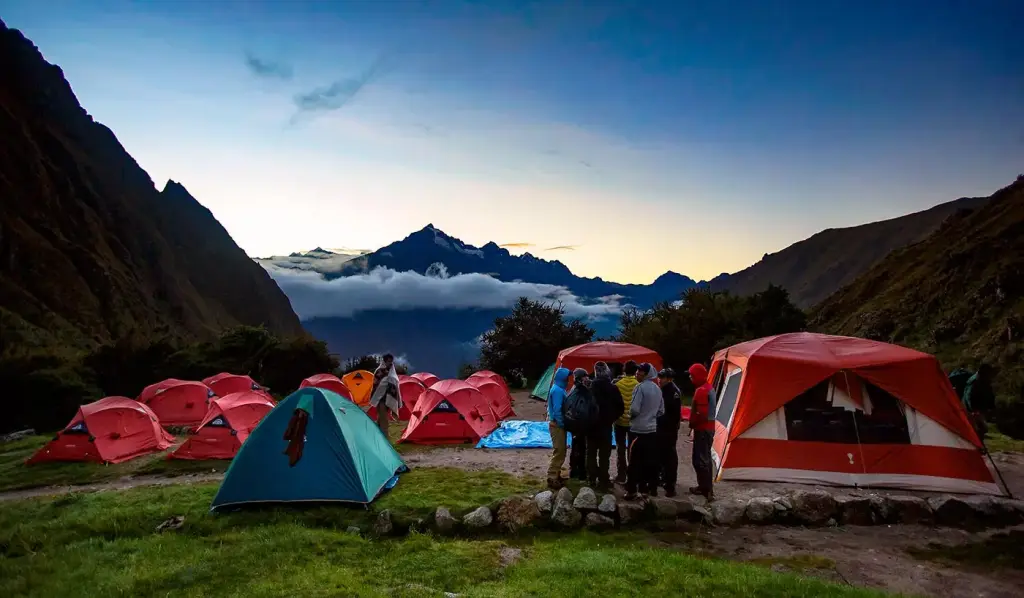
Best Months for Families and First-Timers
For a first multi-day trek, May, September and the first half of October are hard to beat: mostly dry, less crowded than midsummer and a little warmer at night than June and July. They also give you a better chance of finding permits for the dates you want.
For families, the calendar often decides for you: U.S. summer vacation lands in the peak season. If you travel in June, July or August, book as early as you can, plan extra layers for the cold nights and consider the Short Inca Trail, which ends at a hotel rather than a tent. Our comparison of the two-day and four-day routes can help you choose.
If cold nights worry you more than rain, March, April and late October are milder alternatives, as long as you’re ready for some wet hours.
What to Pack for Each Season
The core kit doesn’t change: good boots, layers, a warm sleeping bag, rain gear and sun protection. The balance shifts with the season.
Dry season (May to September)
- A warm down or synthetic jacket, a hat and gloves for the evenings and the pre-dawn start on the last day
- A sleeping bag rated for temperatures around freezing
- High-factor sunscreen, sunglasses and a sun hat: the sun is strong at altitude even when the air is cold
- A light rain jacket anyway, because the cloud forest makes its own weather
Rainy season (November to April)
- A proper waterproof jacket and rain pants, or a poncho that covers your pack
- Dry bags or plastic bags inside your pack for clothes and electronics
- Boots with good grip for wet stone steps, and trekking poles
- A spare pair of socks for each day, and quick-drying layers instead of cotton
Our full Inca Trail packing list covers everything else, including what to leave at your hotel.
Daylight, Sunrise and the Last Morning
Cusco is close enough to the equator that day length barely changes through the year: roughly 11 to 13 hours of daylight in every season, with sunrise around 5:00 to 6:30 a.m. and sunset around 5:30 to 6:30 p.m. On the trail, that means early starts and early nights in any month. Camps go quiet soon after dinner.
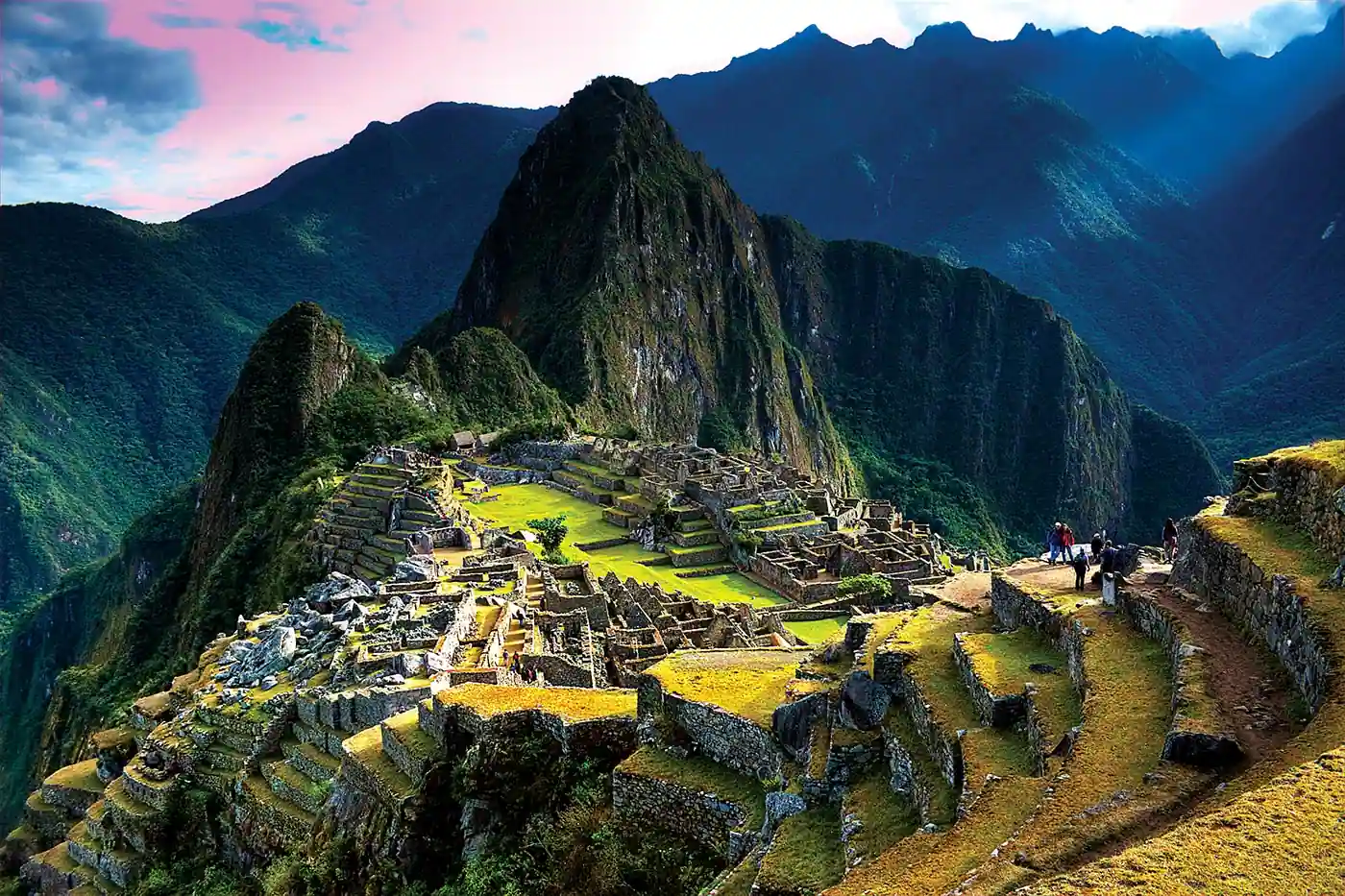
On the last morning of the four-day route, groups leave camp before dawn to reach the Sun Gate early. In the dry season you have a good chance of watching the light come up over the mountains; in the rainy season the gate is often in cloud at first, and the view opens as it lifts. Either way, the first sight of Machu Picchu from the gate is worth the early alarm.
What Rain Means on the Trail
Rain changes the Inca Trail more than it changes Cusco. A few things to expect from November to April:
- Slippery stone. The original steps are polished by centuries of use. Walk slowly downhill and use poles with rubber tips.
- Cloud on the passes. You may cross Dead Woman’s Pass in fog and see the view only on the way down.
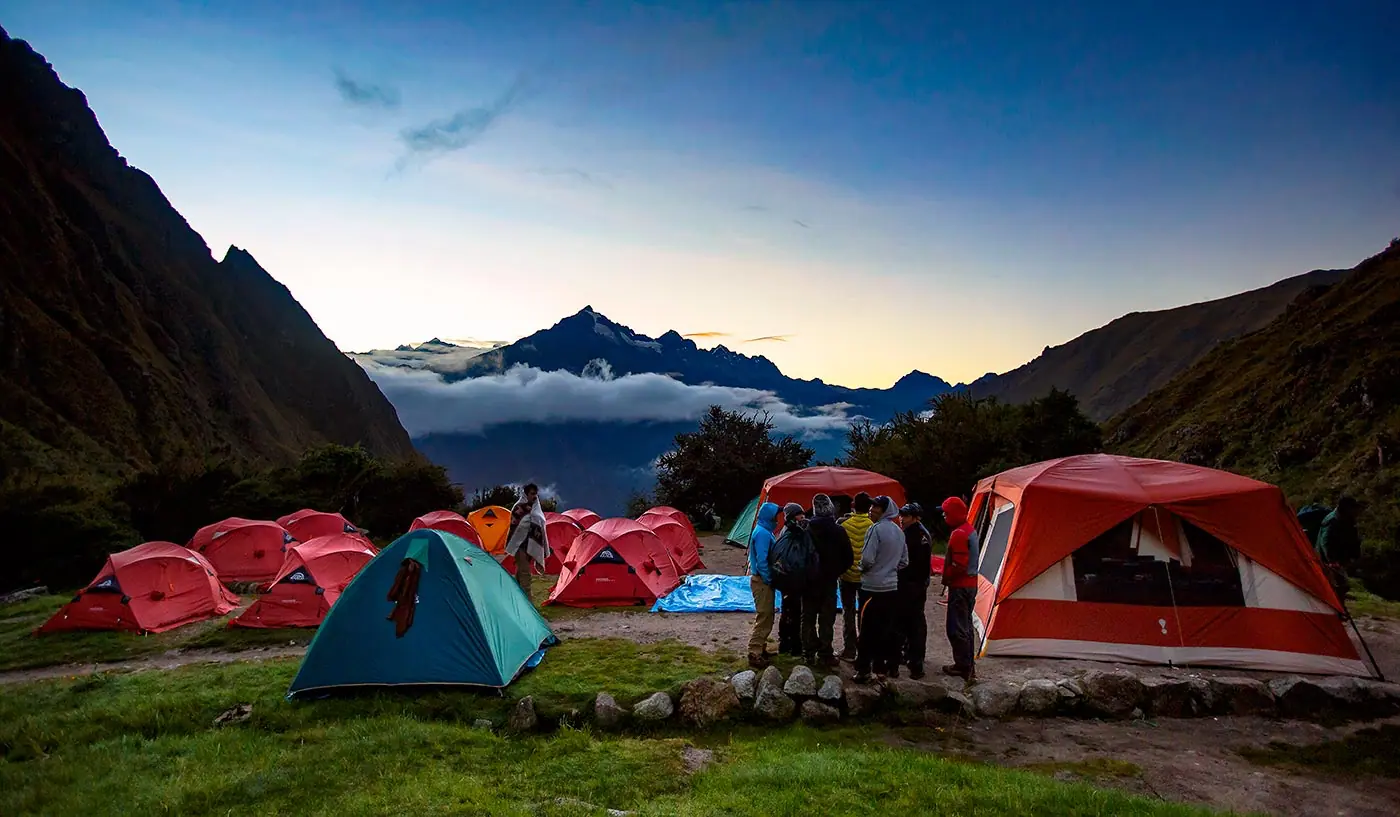
- Wet camps. Tents are set up before you arrive, but boots and clothes take time to dry. Keep one set of dry clothes for camp.
- Occasional closures. After heavy rain or a landslide, the authorities can close a section for safety, and groups follow their instructions.
None of this is a reason not to go. Plenty of hikers prefer the green, quiet trail of the shoulder months. It’s a reason to pack well and keep a little flexibility in your plans.
If Your Dates Are Fixed
Most people don’t get to choose the perfect month. They have a vacation window and make the most of it. That works fine on the Inca Trail. In the rainy season, hike with a good rain jacket, start early to beat the afternoon showers and give yourself a spare day in Cusco in case the weather or the trail changes plans. In the dry season, book early and pack warm. And if you’d rather arrive at Machu Picchu when the light is at its best, our guide to the best time to visit Machu Picchu looks at the citadel itself.
Frequently Asked Questions
What is the best month to hike the Inca Trail?
For weather, June to August are the most reliable. For a balance of weather, crowds and permit availability, May and September are often the best choice.
Can I hike the Inca Trail in the rainy season?
Yes, from March to January, except when the authorities close sections for safety. Expect showers, mud and cloud on the passes, but also a greener trail and fewer people.
How cold does it get at night?
At the high campsites in the dry season, temperatures often fall close to 0 °C (32 °F), sometimes below. Nights are milder in the rainy season. A warm sleeping bag and a down jacket make a big difference.
Is the Inca Trail open in December?
Yes. December is in the rainy season, and the weeks around Christmas and New Year are busy, so book ahead even though it’s not peak season.
Is Machu Picchu open when the Inca Trail is closed?
Yes. Machu Picchu stays open in February. You can visit by train or reach it on a trek outside the Inca Trail network.
Official Sources & Updates
Rules, tickets and closures are set by Peruvian authorities and can change. We last checked this guide against these sources on .