Inca Trail vs Salkantay Trek: Which Is Right for You?
A side-by-side look at the two most popular treks to Machu Picchu: scenery and history, difficulty and altitude, permits, camps, crowds and who each one suits.
In this guide12 sections
The short answer
There’s no better trek, only a better fit. Choose the Inca Trail for Inca history, stone paths and the walk through the Sun Gate, if you can book a permit months ahead. Choose Salkantay for big mountain scenery, a higher pass below a glacier and more flexible dates, since it needs no permit. Salkantay is higher and longer; the Inca Trail has more ruins.
These are the two treks most people weigh when they want to walk to Machu Picchu. They start in different valleys, climb different passes and end in very different ways. Here’s a side-by-side look at what actually differs, so you can decide for yourself.
Comparison Table
| Feature | Classic Inca Trail | Salkantay Trek |
|---|---|---|
| Length | 4 days, about 42 km (26 mi) | 4 or 5 days, about 55 to 70 km (34 to 43 mi) |
| Highest point | Dead Woman’s Pass, 4,215 m (13,829 ft) | Salkantay Pass, about 4,600 m (15,100 ft) |
| Difficulty | Challenging | Challenging |
| Permit | Required, limited daily spaces | No government permit quota |
| Season | Closed every February | Open all year; wet from December to March |
| Nights | Three nights camping | Camping, then a hotel in Aguas Calientes |
| Carrying the gear | Porters | Pack animals and a trek team |
| Inca sites on the way | Many | A few, mainly near the end |
| Arrival at Machu Picchu | On foot through the Sun Gate | By bus from Aguas Calientes on the last morning |
Scenery and History
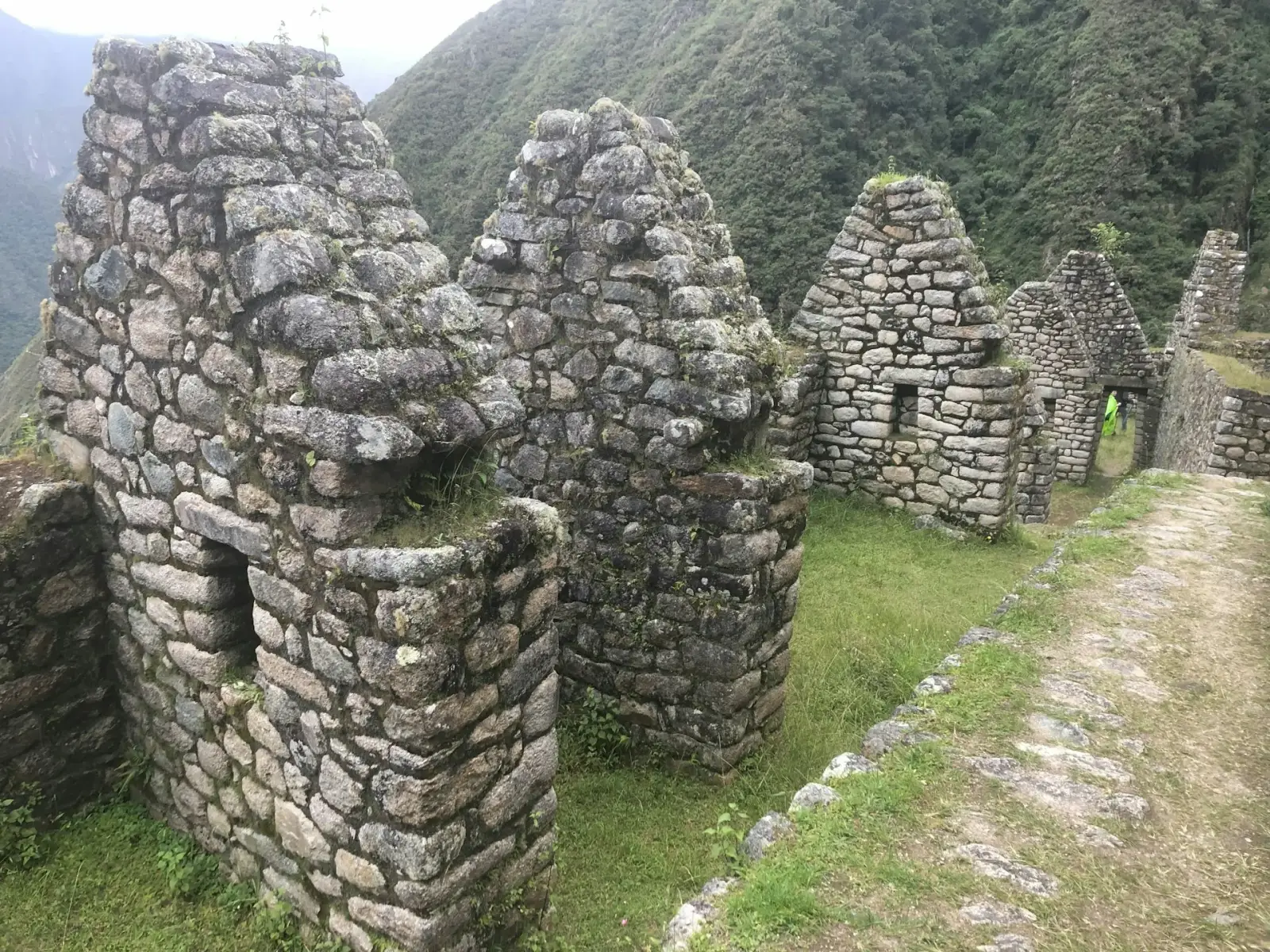
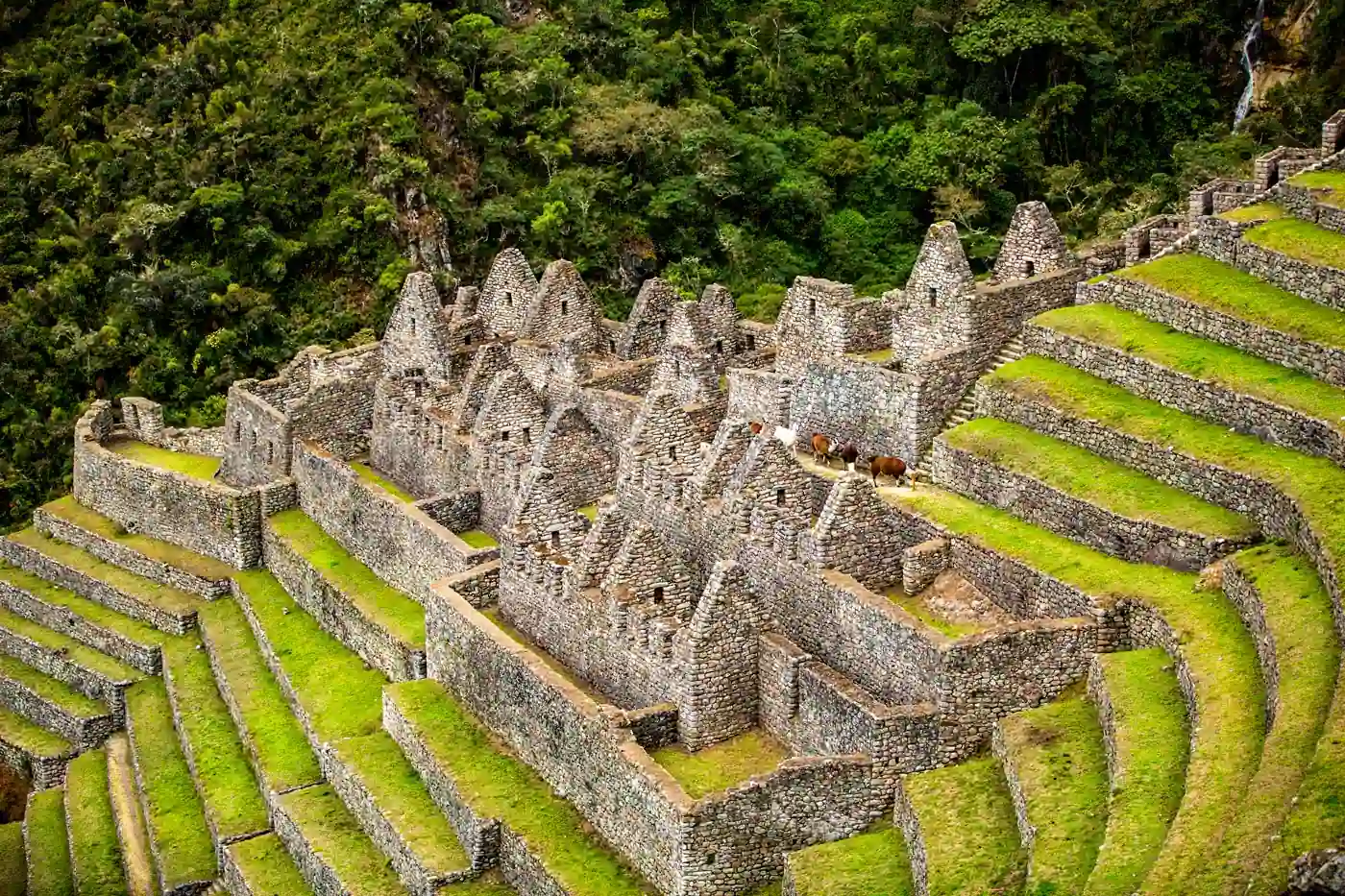
The Inca Trail is a journey through Inca engineering. You walk on original stone roads and staircases, past a chain of sites set on ridges and slopes: Llactapata, Runkurakay, Sayacmarca, Phuyupatamarca and Wiñay Wayna. The landscape moves from dry valleys to high grassland and then into cloud forest full of orchids. The last morning, through the Sun Gate, is the moment people remember.
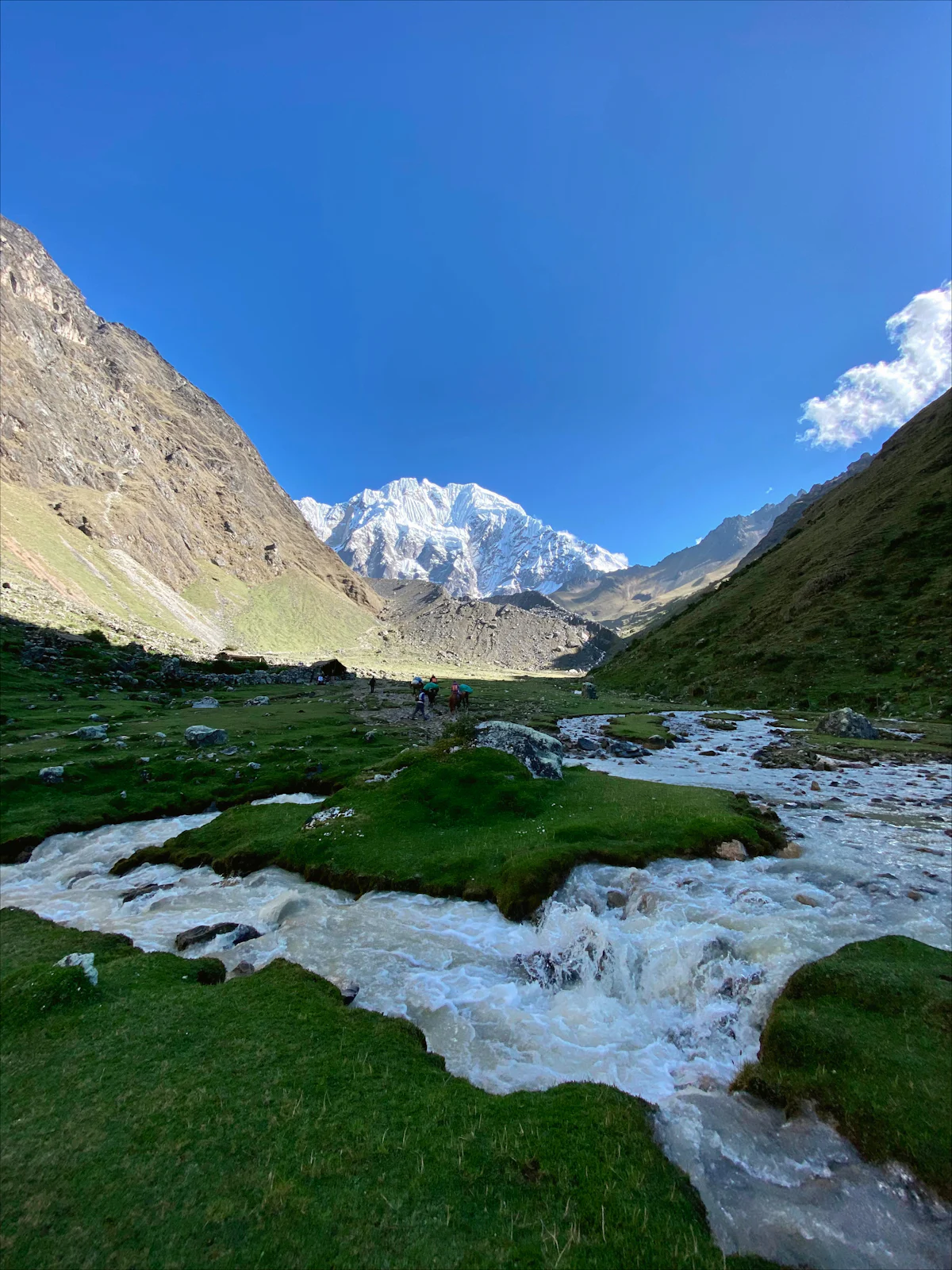
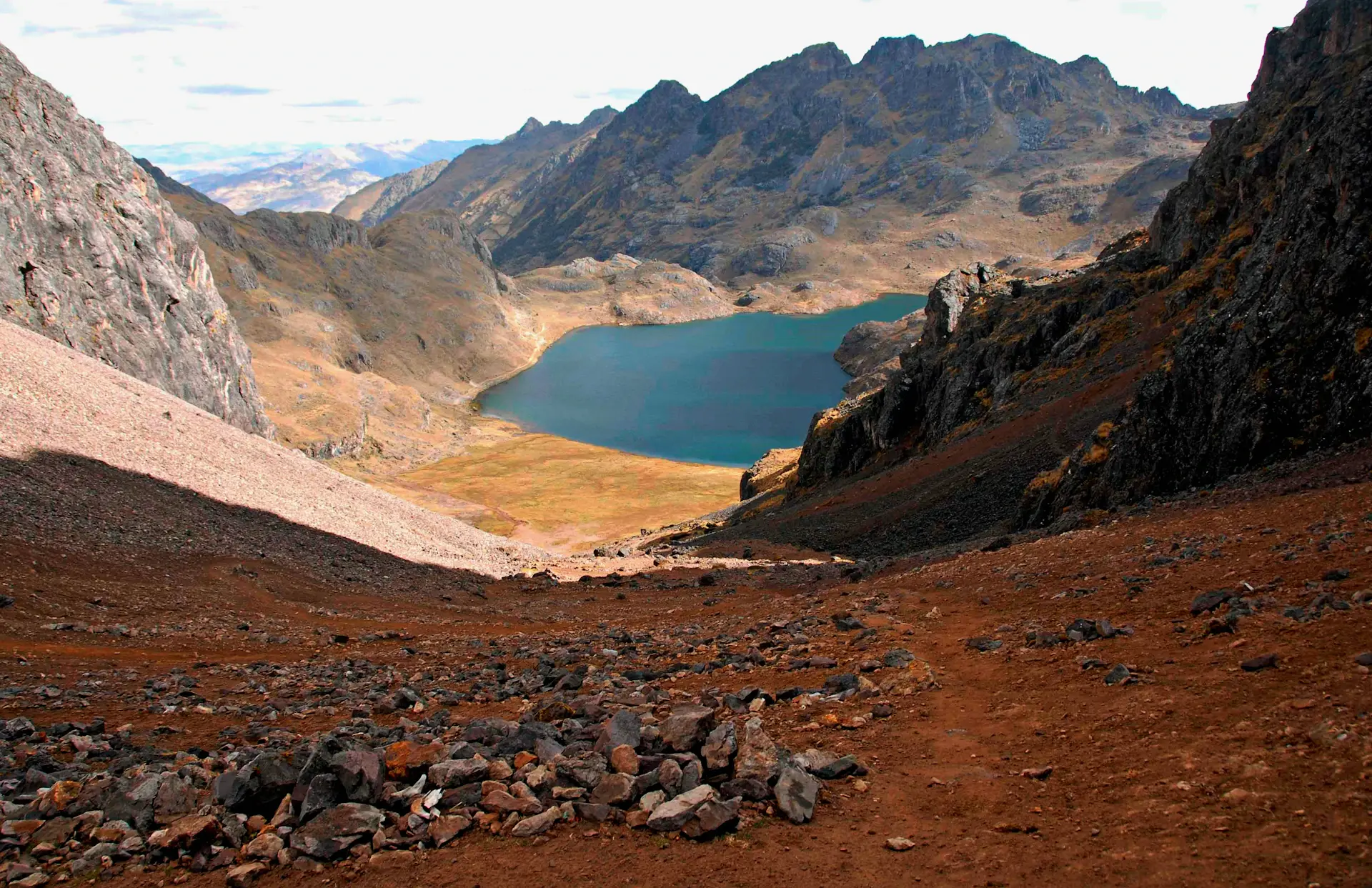
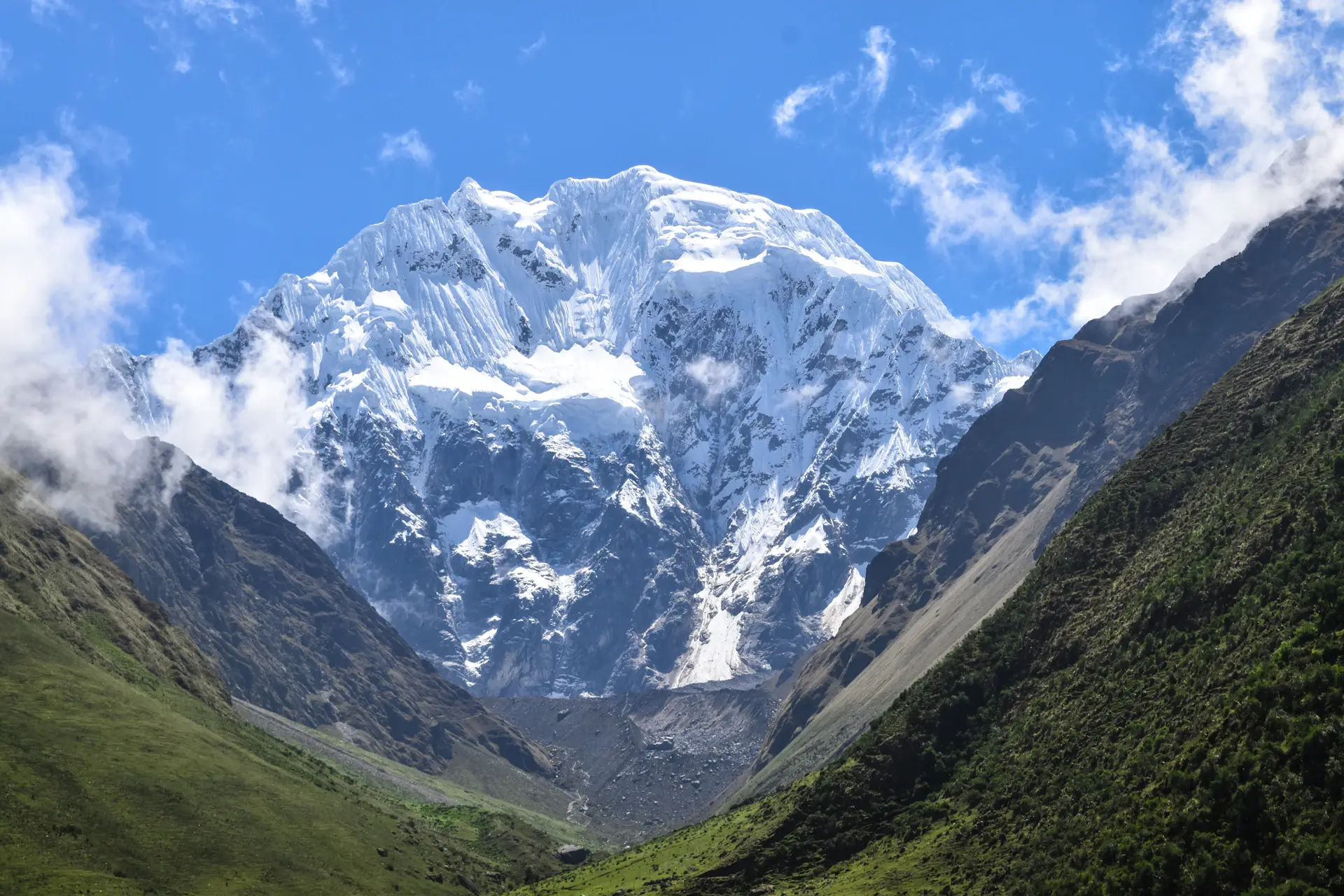
The Salkantay Trek is about the mountains. The route passes close to Salkantay, a snow peak of more than 6,000 m, visits the turquoise Humantay Lake on the first day, crosses a high pass beside the glacier and then drops thousands of meters into warm valleys of coffee farms and fruit trees. The five-day version adds the Llactapata ridge, with a distant first view of Machu Picchu. There’s less history on the way; the drama is in the scale of the landscape.
Difficulty and Altitude
Both treks are rated challenging, for different reasons.
The Inca Trail is shorter and lower, but it’s steep: thousands of uneven stone steps, a long climb to Dead Woman’s Pass on day two and a knee-testing descent. Most of the route is above 2,500 m (8,200 ft).
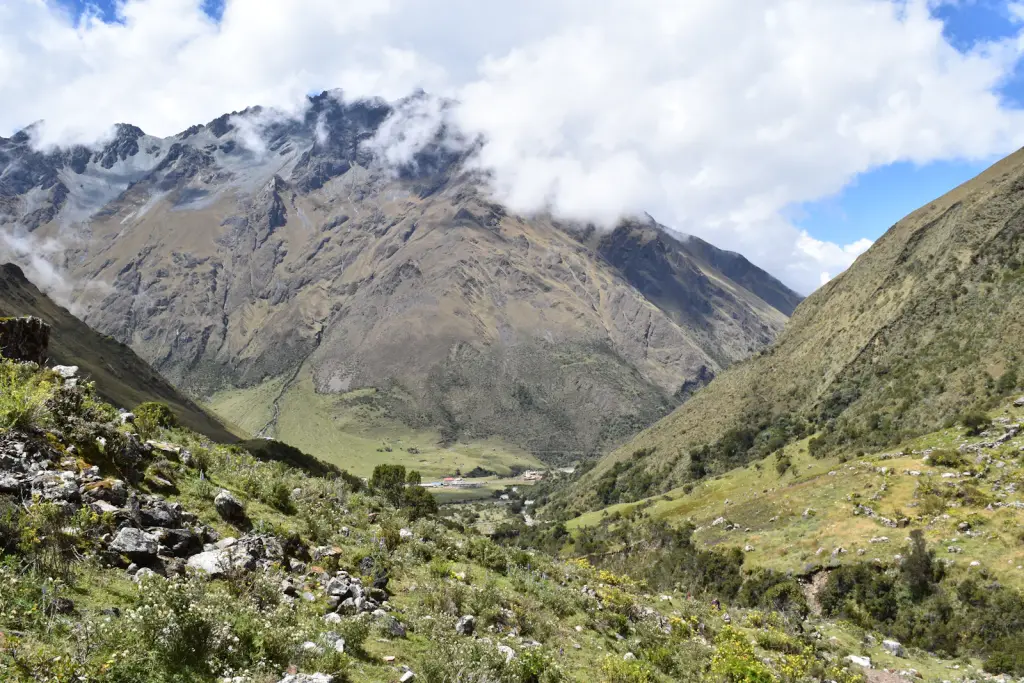
Salkantay goes higher and walks further. The first night is spent high and cold below the mountain, the pass sits at about 4,600 m (15,100 ft), and the pass day can take ten hours or more. After that, the trail descends into much warmer, lower country, and breathing gets easier every day.
For either one, arrive acclimatized: at least two full days in Cusco or the Sacred Valley for the Inca Trail, two or three for Salkantay. Our guides to how hard the Inca Trail is and to Cusco’s altitude cover the details.
Permits and Availability
This is often the deciding factor. The Inca Trail is controlled by Peru’s Ministry of Culture: a fixed number of people can start each day, guides and porters included, and permits are issued months ahead in each hiker’s name. From May to September, popular dates sell out early, and the trail closes every February. See our guide to Inca Trail permits.
Salkantay has no government permit quota, so you can often book it weeks rather than months ahead, and it stays open in February. Local communities collect entrance fees along the route, including at Humantay Lake. You still need a Machu Picchu ticket for the last day, and those can sell out in peak season too.
Camps and Comfort
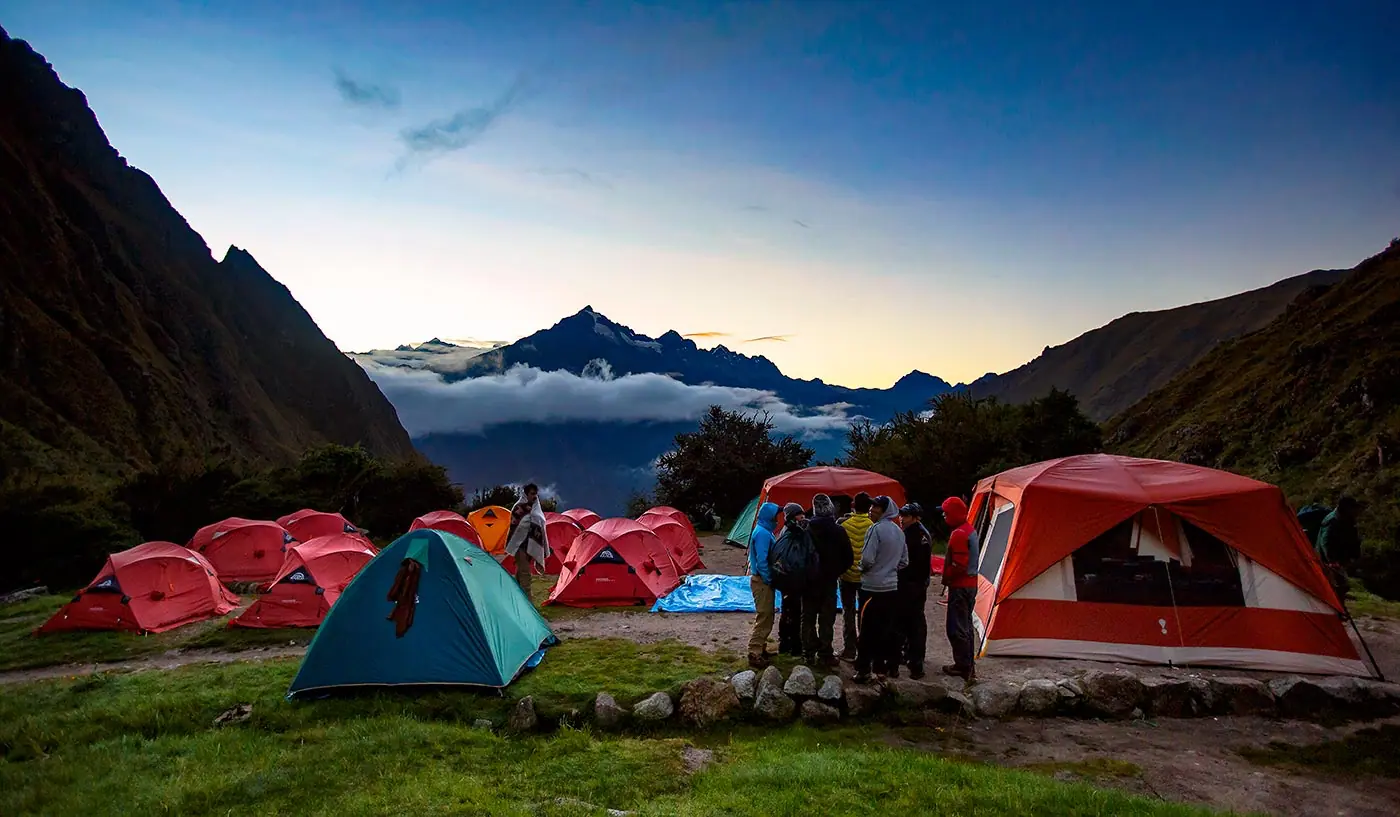
On the Inca Trail, you camp for three nights at official campsites assigned with your permit. Facilities are basic: shared toilet blocks, no electricity and, at most sites, no showers. Porters carry the tents and kitchen, and a cook prepares every meal.
On Salkantay, the first nights are also camping, but campsites range from simple tent pitches to sites with fixed shelters, depending on the route and the operator. Pack animals carry the gear. The last night is usually in a hotel in Aguas Calientes, with a shower and a bed before Machu Picchu.
Crowds
The Inca Trail’s daily limit keeps numbers in check, but everyone walks the same path and uses the same campsites, so it rarely feels empty in the dry season. Salkantay has no daily limit, and the first day around Humantay Lake can be busy with day hikers; after the pass, groups spread out and the trail often feels quieter.
Day by Day, Side by Side
| Day | Classic Inca Trail | Salkantay (4 days) |
|---|---|---|
| 1 | Km 82 and a gentle walk along the valley, past Llactapata | Drive to Soraypampa, climb to Humantay Lake, a cold camp below Salkantay |
| 2 | The long climb over Dead Woman’s Pass, then a steep descent | The Salkantay Pass at about 4,600 m, then a long descent into cloud forest |
| 3 | A second pass, Inca sites and cloud forest | Warm valleys of farms and forest, ending in Aguas Calientes |
| 4 | Pre-dawn walk to the Sun Gate and Machu Picchu | Early bus up to Machu Picchu for the guided visit |
The five-day Salkantay adds a gentler day through coffee country and the Llactapata ridge before Aguas Calientes.
Weather on Each Route
Both treks are best from May to September, when skies are clearest and nights coldest. The difference is how they handle the rest of the year. The Inca Trail closes every February and is wet from November to March. Salkantay stays open all year, but from December to March the pass can bring rain, mud and snow, and the first camp is bitterly cold in the dry season. If you’re traveling in the shoulder months, April and October, both can be excellent.
Entering Machu Picchu on Each Trek
On the Inca Trail, your visit is part of the permit, from a separate daily allocation, and under the current rules hikers enter on Route 3-B, the designed route through the royal sector. On Salkantay, you use a regular Machu Picchu ticket, which means you can choose the circuit and route, and add a peak such as Huayna Picchu if tickets are available. Our guide to Machu Picchu circuits explains the options.
Who Should Choose Which
The Inca Trail suits you if:
- Inca history and archaeology are a big part of why you’re coming.
- Walking through the Sun Gate is the moment you want.
- You can book months ahead and your dates are fixed.
- You prefer a well-defined trail and a shorter total distance.
Salkantay suits you if:
- You love high mountains, glaciers and big changes of landscape.
- The Inca Trail is sold out, or you’re booking with less notice.
- You’re traveling in February.
- You’re comfortable with long days and a higher pass.
Can You Do Both?
Not in one trek, but you can combine them in one trip: Humantay Lake as a day hike from Cusco gives you a taste of the Salkantay side before an Inca Trail departure. Some travelers hike Salkantay one year and come back for the Inca Trail another. If you’re also weighing Lares, Choquequirao or the Inca Jungle, our comparison of alternative treks to Machu Picchu looks at all of them.
To compare the two Salkantay itineraries, see our Salkantay Trek page; for the two Inca Trail routes, our Inca Trail tours.
Frequently Asked Questions
Which is harder, the Inca Trail or Salkantay?
Salkantay goes higher (about 4,600 m against 4,215 m) and covers more distance, so most people find it harder overall. The Inca Trail has more steep stone steps. Both are rated challenging.
Do I need a permit for the Salkantay Trek?
No. There’s no government permit quota on Salkantay. Local communities charge entrance fees along the route, and you need a Machu Picchu ticket for the last day.
Does the Salkantay Trek arrive through the Sun Gate?
No. Salkantay ends in Aguas Calientes, and you go up to Machu Picchu by bus or on foot from town on the last morning. Only the Inca Trail walks in through the Sun Gate.
Which trek is better in the rainy season?
The Inca Trail is closed in February. Salkantay stays open all year, but from December to March expect rain, mud and possible snow on the pass.
Which trek has better views?
It depends on what you like. Salkantay has the bigger mountain scenery, with a glacier and Humantay Lake; the Inca Trail has cloud forest and a string of Inca sites.