Alternative Treks to Machu Picchu Compared
Salkantay, Lares, the Inca Jungle, Choquequirao and Ausangate compared: days, altitude, difficulty, which ones end at Machu Picchu and how to choose.
In this guide16 sections
The short answer
The three alternatives that finish at Machu Picchu are Salkantay (high mountain scenery, challenging), Lares (villages and lakes, moderate) and the Inca Jungle (biking and hiking, moderate). None needs an Inca Trail permit. Choquequirao and Ausangate are tougher treks that don’t end at Machu Picchu, chosen for the trek itself: a remote Inca site and the high Andes.
“Alternative trek” can sound like a consolation prize for travelers who missed out on Inca Trail permits. It isn’t. Several of the routes around Cusco are extraordinary in their own right, and some travelers choose them first. This guide compares them honestly, including the two that don’t end at Machu Picchu.
For the tours themselves, with dates and details, see our treks from Cusco.
Why Choose an Alternative?
- No permit quota. The Inca Trail is the only route to Machu Picchu with government permits that sell out months ahead. The alternatives can usually be booked with far less notice.
- Different landscapes. Glaciers and high passes on Salkantay, herding villages on Lares, subtropical valleys on the Inca Jungle.
- Fewer rules on dates. The Inca Trail closes every February; the alternatives don’t, although the rainy season affects them all.
- A different kind of trip. From biking downhill to camping beside a glacial lake, each one feels distinct.
What you give up is the walk through the Sun Gate and the string of Inca sites along the classic trail. Our direct comparison of the Inca Trail and Salkantay weighs that trade-off.
Comparison Table
| Trek | Days | Highest point | Difficulty | Ends at Machu Picchu? |
|---|---|---|---|---|
| Salkantay | 4 or 5 | About 4,600 m (15,100 ft) | Challenging | Yes |
| Lares | 4 | About 4,400 to 4,700 m, by route | Moderate | Yes |
| Inca Jungle | 3 or 4 | 4,316 m (14,160 ft), by road, then downhill | Moderate | Yes |
| Choquequirao | 4 | About 3,050 m (10,000 ft), after a deep canyon | Demanding | No |
| Ausangate | 4 | Passes close to 5,000 m (16,400 ft) | Demanding | No |
Salkantay
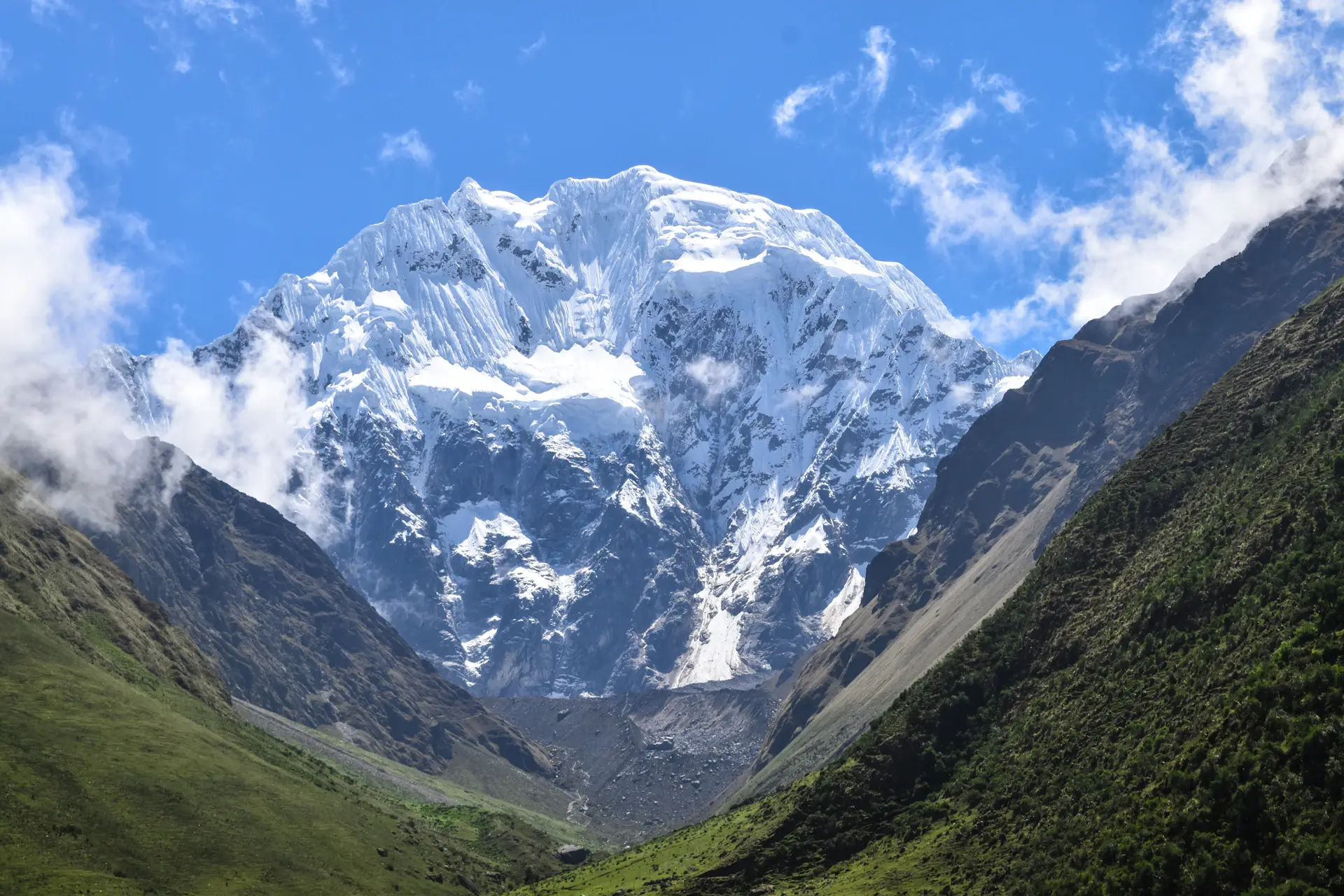
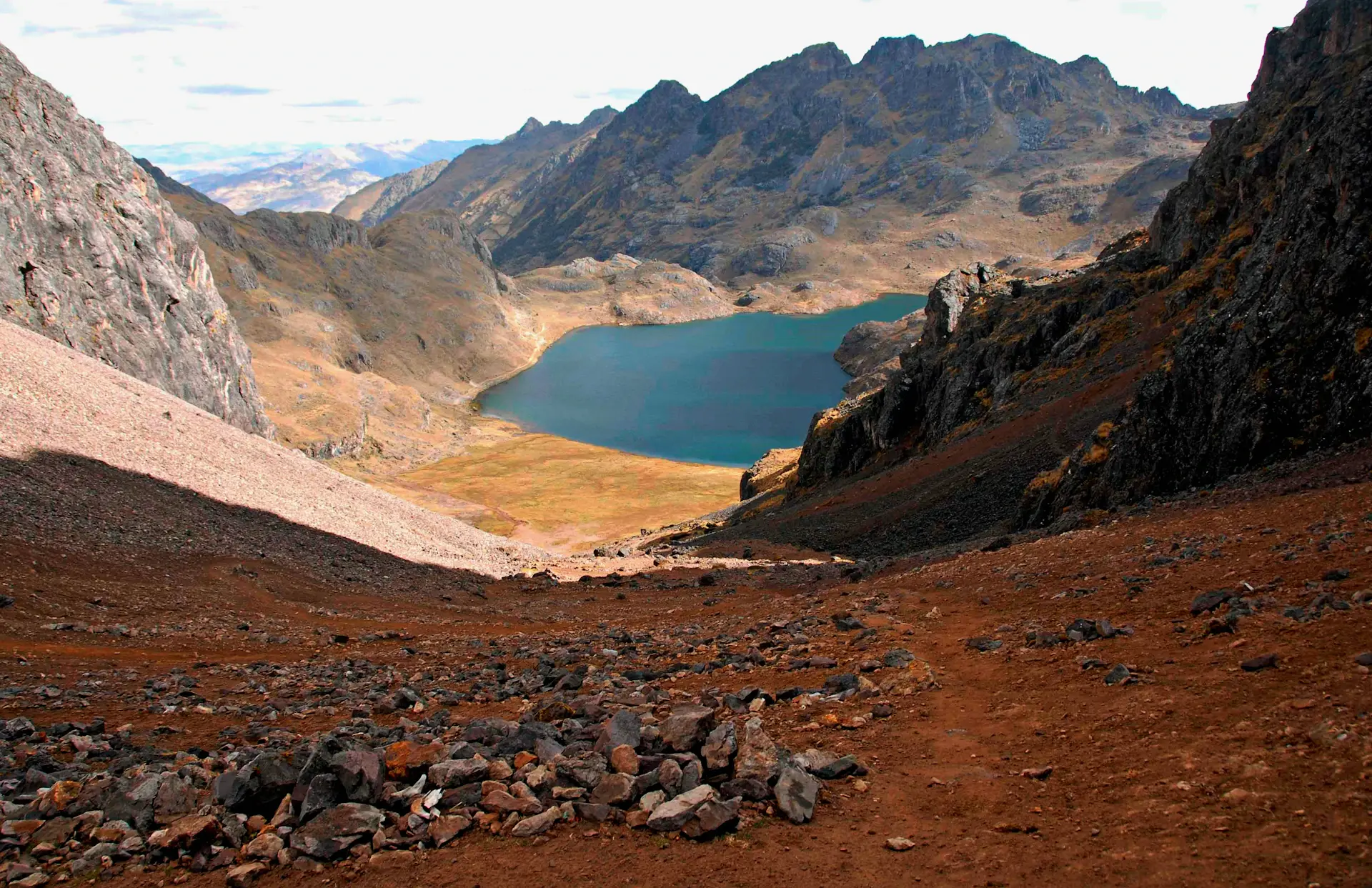
The best-known alternative, and the most dramatic. The route passes the turquoise Humantay Lake on the first day, crosses the Salkantay Pass at about 4,600 m (15,100 ft) beside the glacier of a peak over 6,000 m, then descends into cloud forest and coffee country before reaching Aguas Calientes. The five-day version adds a gentler second half over the Llactapata ridge, with a first distant view of Machu Picchu.
Good for: regular hikers who want big mountain scenery and can handle long days and cold first nights. Keep in mind: the pass day can take ten hours, and the first camp is high and cold. See our Salkantay Trek page.
Lares
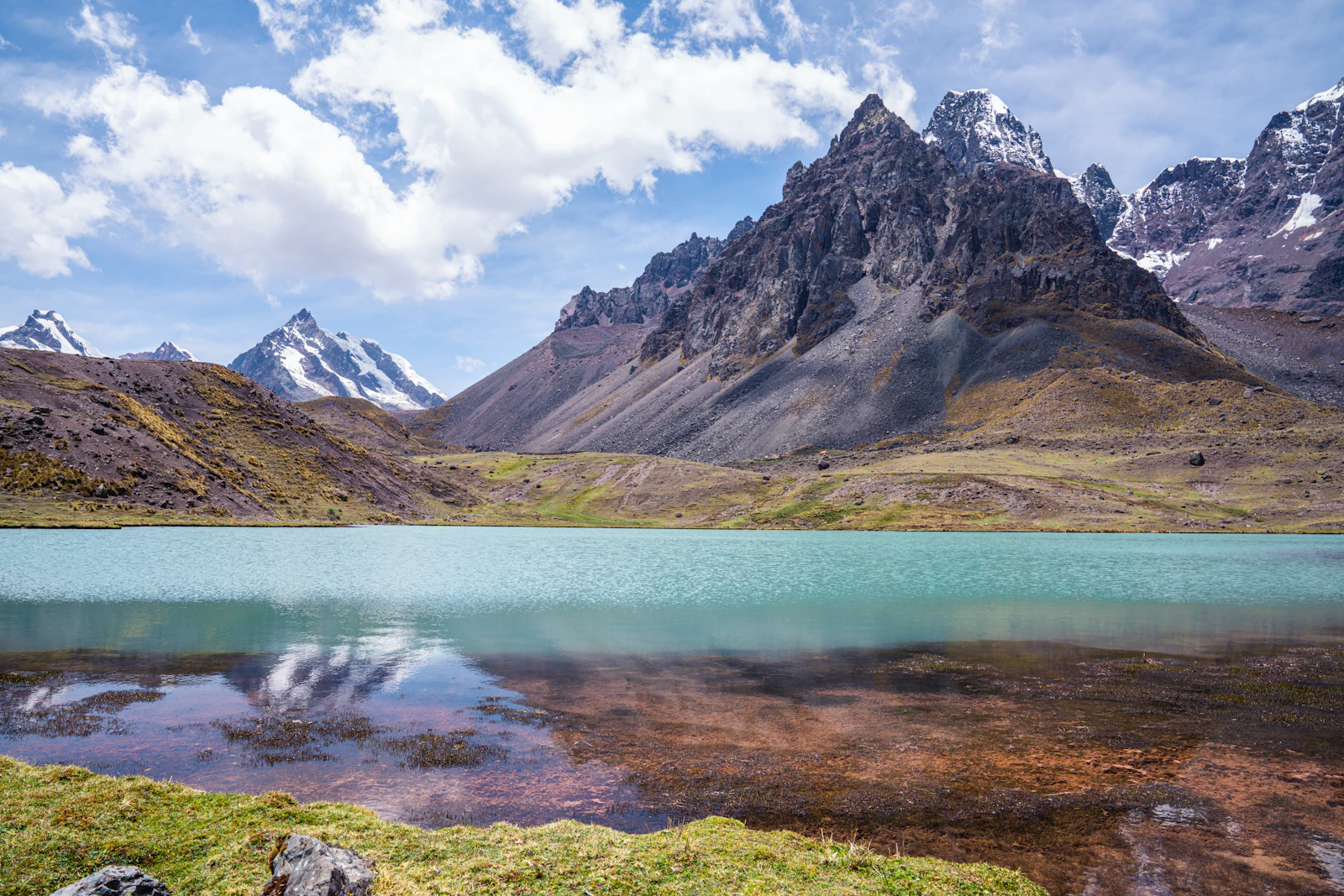
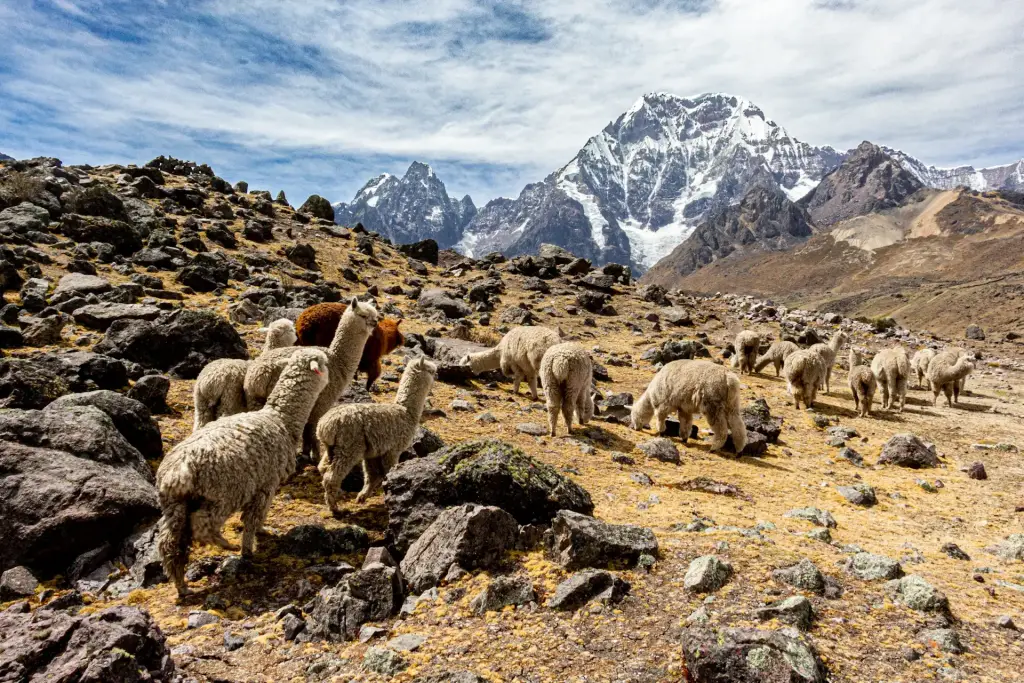
Lares trades altitude records for people and places. The trek crosses high valleys and passes near glacial lakes, through communities where families still herd llamas and alpacas and weave in the traditional way. Days are shorter than on Salkantay, and many itineraries begin near the Lares hot springs. After the pass, you descend toward the Sacred Valley and take the train from Ollantaytambo to Aguas Calientes.
Good for: travelers who want culture as much as hiking, and families with active teenagers. Keep in mind: the pass is still high, around 4,400 to 4,700 m depending on the route, and nights are cold. See our Lares Trek.
Inca Jungle
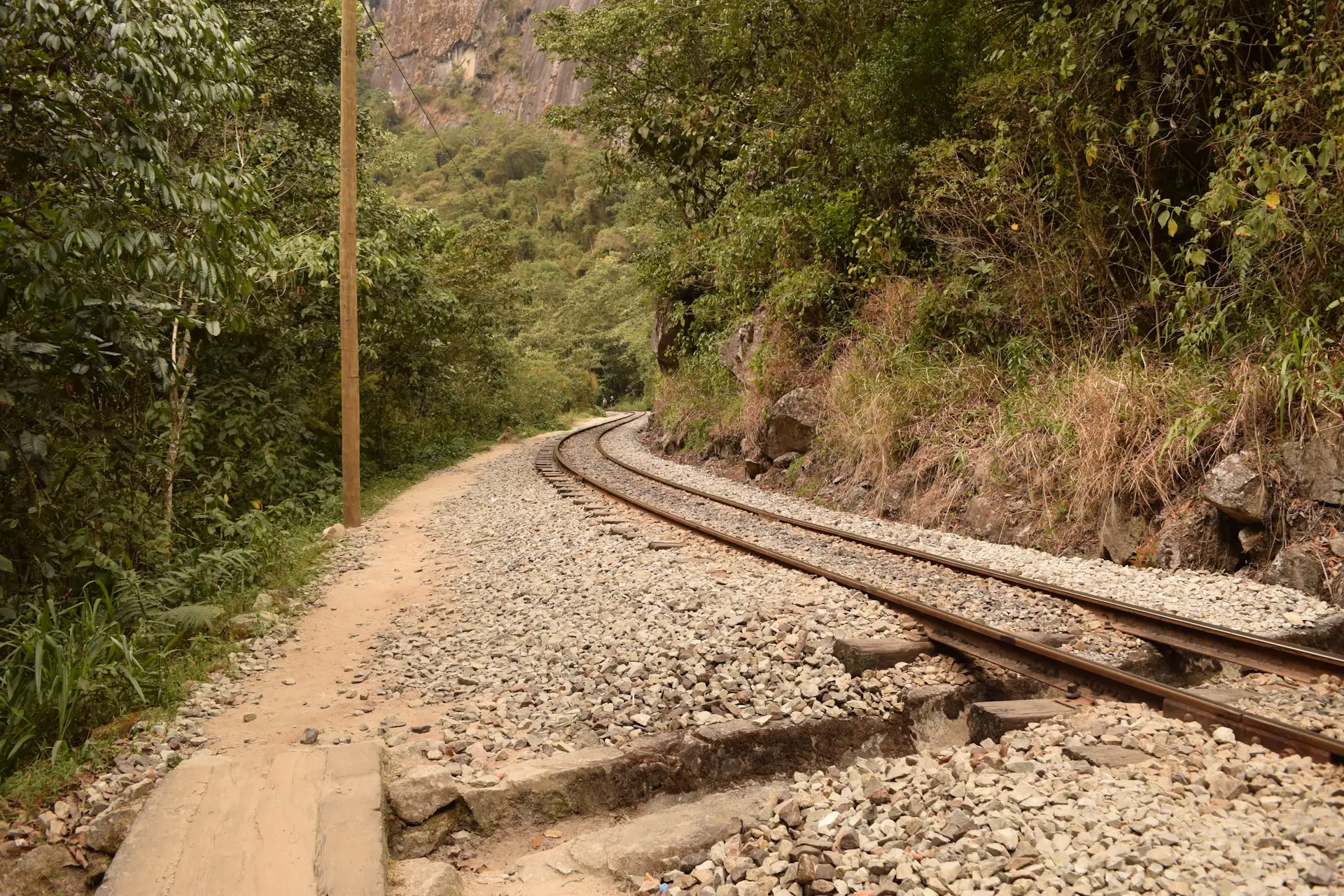
The active option. You start with a long downhill bike ride on a paved road from the Abra Málaga pass, at 4,316 m (14,160 ft), into warm valleys, then hike through subtropical country, usually with a soak in natural hot springs near Santa Teresa, and finish with a walk along the railway to Aguas Calientes. The four-day version adds a full hiking day; the three-day version moves faster. Optional activities such as rafting or ziplining depend on the season and are only included when they can be confirmed for your dates.
Good for: groups who want variety and warmer weather, and travelers less worried about altitude. Keep in mind: the bike descent shares the road with traffic. Our guide to the Inca Jungle in three or four days compares the two versions.
Choquequirao
Choquequirao is a vast Inca site on a mountain spur above the Apurímac Canyon, reached only on foot and visited by a fraction of Machu Picchu’s crowds. The trek is brutally honest: a descent of about 1,400 m to the river, a climb of around 1,500 m up the other side, and the same again on the way back, often in heat. The reward is exploring the terraces, including walls decorated with white stone llamas, almost alone.
Good for: experienced, strong hikers who want solitude and archaeology. Keep in mind: it doesn’t continue to Machu Picchu on this route, and access can close in the rainy season. In 2026, the Ministry of Culture suspended entry from February 1 for safety and reopened the Cachora route on April 15. See our Choquequirao Trek.
Ausangate
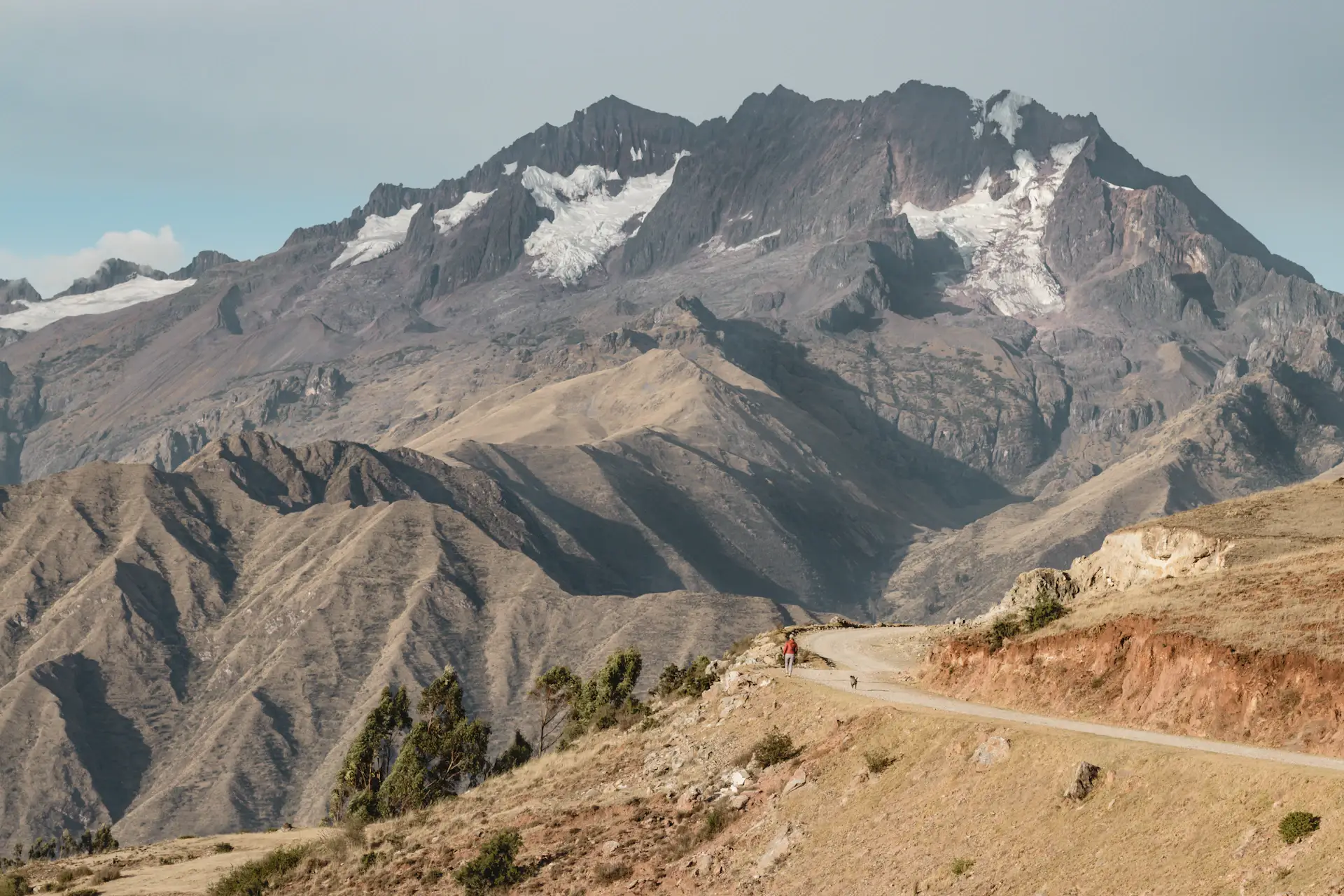
The wildest of the five. The route circles part of the Ausangate massif, whose summit rises to about 6,380 m (20,900 ft), crossing passes close to 5,000 m past glacial lakes of different colors and through herding communities, with some routes finishing near Rainbow Mountain. Nights are well below freezing in the dry season, and there’s little chance to drop lower if the altitude hits.
Good for: experienced trekkers who are well acclimatized. Keep in mind: it’s the most demanding option here, and it doesn’t end at Machu Picchu. Our Ausangate trek guide goes into detail.
Head to Head: Lares or Salkantay?
Both finish at Machu Picchu, both cross a high pass, and both need two or three acclimatization days first. Salkantay is the bigger mountain experience: a glacier beside the pass, Humantay Lake and a dramatic drop into cloud forest, with longer days and a colder first night. Lares is shorter and gentler day to day, with more time among herding communities and lakes, and it reaches Aguas Calientes by train from the Sacred Valley. If scenery is your priority, lean toward Salkantay; if you want a quieter trek with more human connection, Lares.
Head to Head: Choquequirao or Salkantay?
These are very different trips. Salkantay is a high-altitude trek that ends at Machu Picchu. Choquequirao is lower, but far steeper, with a deep canyon to cross twice and an Inca site you may have almost to yourself, and it returns to Cusco rather than continuing to Machu Picchu on the four-day route. Choose Choquequirao for solitude and archaeology if you’re a strong hiker with healthy knees; choose Salkantay if reaching Machu Picchu on foot is the goal.
The Hardest Day on Each Trek
| Trek | The hardest day | What makes it hard |
|---|---|---|
| Salkantay | The pass day | A climb to about 4,600 m, then a long descent: often ten hours or more |
| Lares | The pass day | A long climb at altitude to a pass of about 4,400 to 4,700 m |
| Inca Jungle | The hiking day (4-day version) | Six to seven hours in warm, humid valleys |
| Choquequirao | The climb out of the canyon | About 1,500 m of steep ascent, often in heat |
| Ausangate | The highest pass | Close to 5,000 m, in cold and wind, far from any road |
Acclimatization Days Before Each Trek
| Trek | Days to acclimatize | Why |
|---|---|---|
| Inca Jungle | 1 to 2 | Only the start of the bike descent is high |
| Lares | 2 to 3 | A high pass and cold nights |
| Salkantay | 2 to 3 | A high first camp and a pass of about 4,600 m |
| Choquequirao | 2 | Moderate altitude, but long climbs and heat in the canyon |
| Ausangate | 3 to 4, including a high day hike | Several days above 4,300 m |
Our guide to Cusco’s altitude explains how to use those days well.
Seasons and Trail Conditions
All five treks are at their best in the dry season, roughly May to September. In the rainy season:
- Salkantay and Lares stay open, with rain, mud and possible snow on the passes.
- The Inca Jungle runs all year; the lower valleys are hot and humid, and river activities depend on water levels.
- Choquequirao can close for safety in the wettest months, as it did in early 2026. Check the current status before you book.
- Ausangate becomes much harder, with snow on the passes and boggy ground.
Combining a Trek with Machu Picchu Time
On Salkantay, Lares and the Inca Jungle, you reach Machu Picchu at the end of the trek, usually after a night in Aguas Calientes. If you’d like more time at the citadel, a second route or one of the peaks, plan it before you book, because those tickets are limited. With Choquequirao or Ausangate, Machu Picchu is a separate trip: many travelers pair one of them with a relaxed visit by train on other days. Our guide to getting to Machu Picchu shows the options.
What’s Usually Included
Most organized versions of these treks include the same core elements, although the details vary by route and operator:
- A local trekking guide for the whole route.
- Transport from Cusco to the trailhead, and back or on to Aguas Calientes.
- Camping equipment and a cook on the camping nights, with pack animals or porters carrying the gear.
- Meals on the trek, as listed in the itinerary.
- For the treks that end at Machu Picchu: the Machu Picchu ticket, the bus to the site and the train back toward Cusco.
Common extras are sleeping bags and poles to rent, community fees along the route, a riding horse and tips for the team. Our tour pages list exactly what’s included on each trek.
How to Choose
Ask yourself four questions:
- Do you want to finish at Machu Picchu? Then choose between Salkantay, Lares and the Inca Jungle.
- How do you handle altitude? The Inca Jungle spends the least time high; Salkantay and especially Ausangate spend the most.
- What do you want to see? Glaciers: Salkantay or Ausangate. Villages: Lares. Archaeology in solitude: Choquequirao. Variety: the Inca Jungle.
- How much time do you have? Add at least two or three acclimatization days in Cusco or the Sacred Valley before any of them, and more before Ausangate.
If you’re still torn, tell us about your hiking experience and your dates. We’d rather recommend the right trek than the most popular one.
Frequently Asked Questions
What is the best alternative to the Inca Trail?
It depends on what you want. Salkantay is the most popular for mountain scenery, Lares for culture, and the Inca Jungle for an active mix of biking and hiking. All three finish at Machu Picchu.
Do alternative treks need permits?
None of them uses the Inca Trail permit system. Local communities charge entrance fees on several routes, Choquequirao has its own site ticket, and you need a Machu Picchu ticket for treks that finish there.
Which alternative trek is easiest?
Lares and the Inca Jungle are rated moderate. Lares has shorter hiking days with a high pass; the Inca Jungle stays high only briefly, at the start of the bike descent.
Can I do an alternative trek in February?
Yes, the alternatives stay open when the Inca Trail closes, but February is the wettest month. Expect rain and mud, and check trail conditions, especially for Choquequirao.
Which trek has the fewest people?
Choquequirao and Ausangate see far fewer hikers than the routes to Machu Picchu.
Official Sources & Updates
Rules, tickets and closures are set by Peruvian authorities and can change. We last checked this guide against these sources on .