Altitude
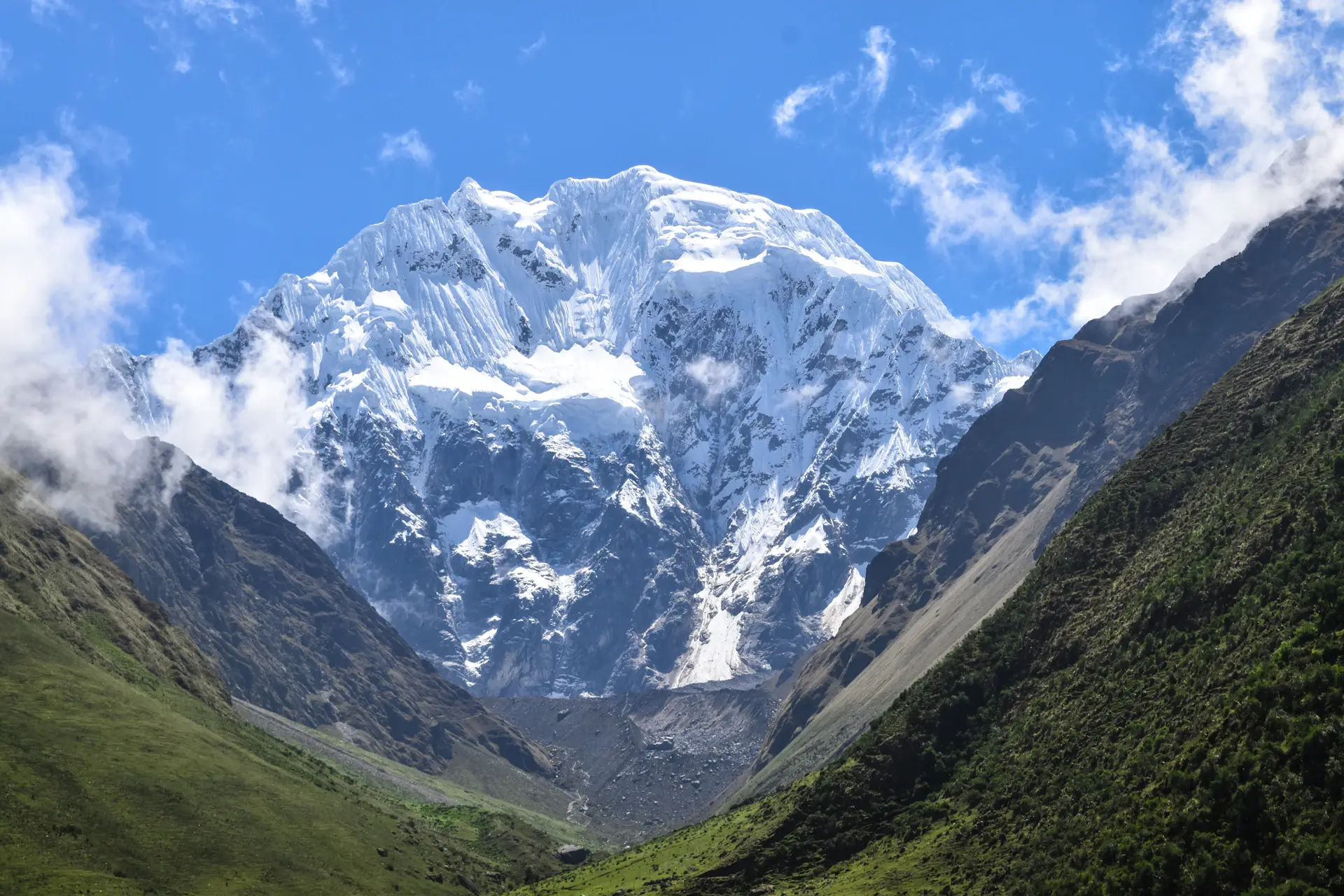
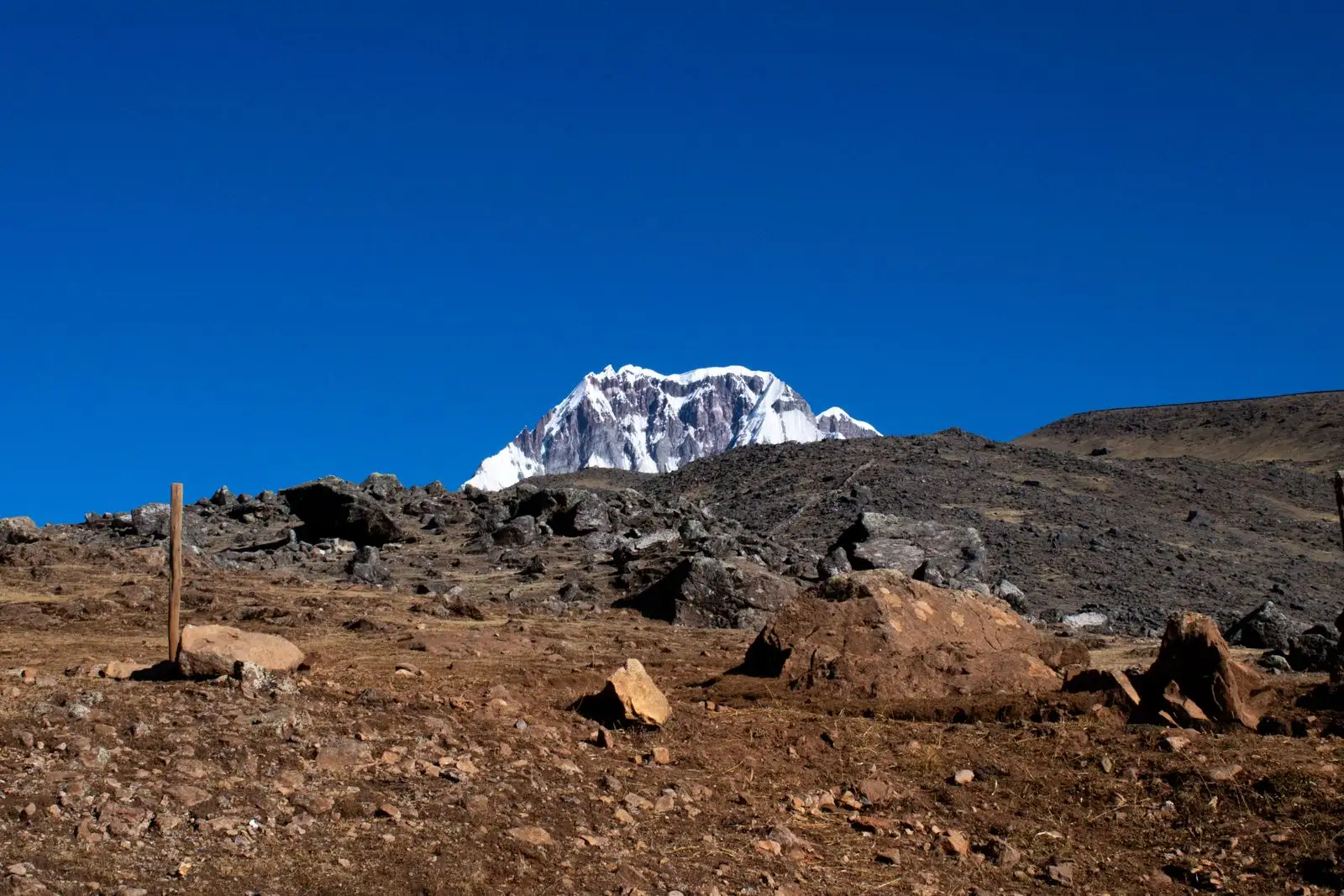
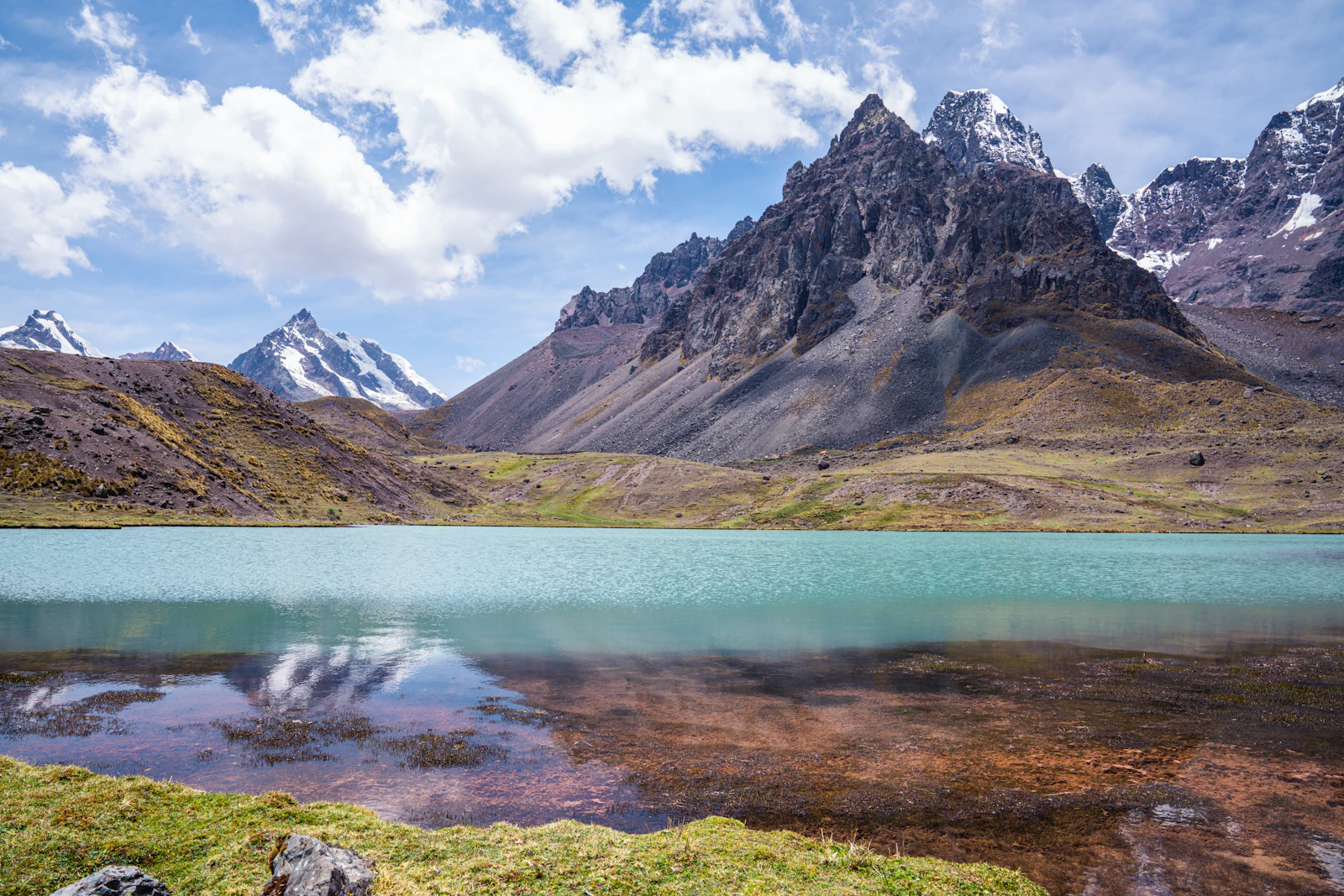
Every trek here except Choquequirao spends serious time above 4,000 m (13,100 ft). Ausangate is the highest and the most sustained: the whole route stays around or above that height, with passes close to 5,000 m. Salkantay reaches about 4,600 m (15,100 ft) at its pass on the second day and then drops quickly into the forest. Lares spends most of its time between about 3,700 and 4,400 m, with a pass that’s usually a little higher. Choquequirao is the exception: the altitude is moderate, but the canyon floor is hot and the climbs are long.
Whichever you choose, plan on at least two or three nights in Cusco or the Sacred Valley before you start. A day hike a day or two before the trek is a useful test of how you handle the height, as long as it isn’t your first day in the mountains.
Fitness and pacing
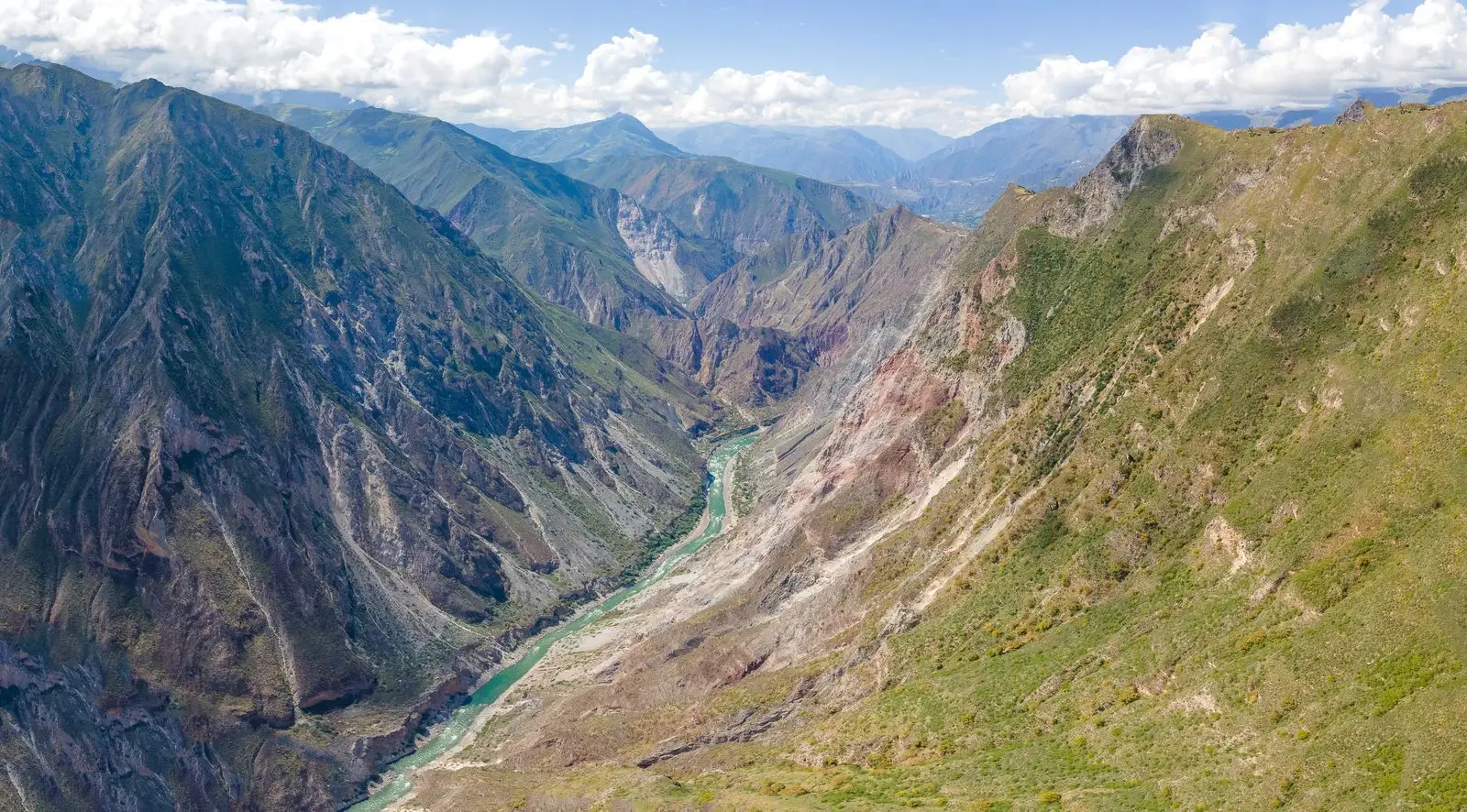
The hardest single day is usually Salkantay’s pass day: eight to ten hours or more, with a long descent at the end. Choquequirao is hard in a different way, with a drop of about 1,400 m into the canyon and a climb of around 1,500 m out the other side, then the same again on the way back. Ausangate’s days are shorter, typically five to eight hours, but every hour is spent at altitude. Lares is the most moderate, with four to seven hours of walking on the main days. If long descents are hard on your knees, the 5-day Salkantay spreads the drop over more time.
Camping and comfort
All five treks include nights in tents, and the high camps are cold in the dry season, well below freezing on Ausangate. On Salkantay and Lares, the last night is in Aguas Calientes before your Machu Picchu visit. Ausangate and Choquequirao are camping from start to finish, with basic facilities. We confirm campsites and what’s provided with your quote.
Remoteness and crowds
Salkantay is the busiest of these routes, especially from May to September, although it still feels far wilder than the city. Lares is quieter, and Ausangate and Choquequirao see few other hikers on most days. If solitude is high on your list, those two are where to look.
Culture along the way
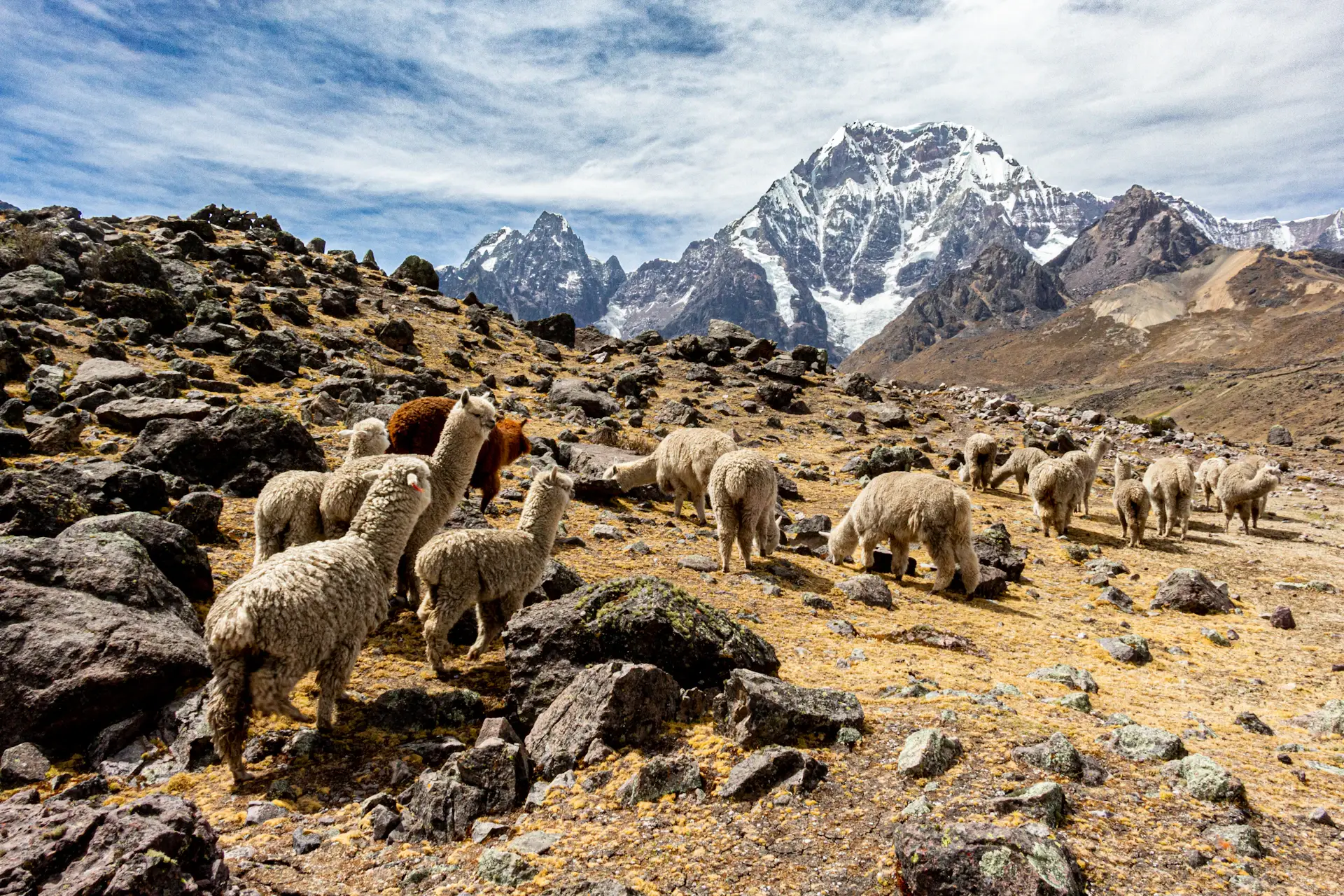
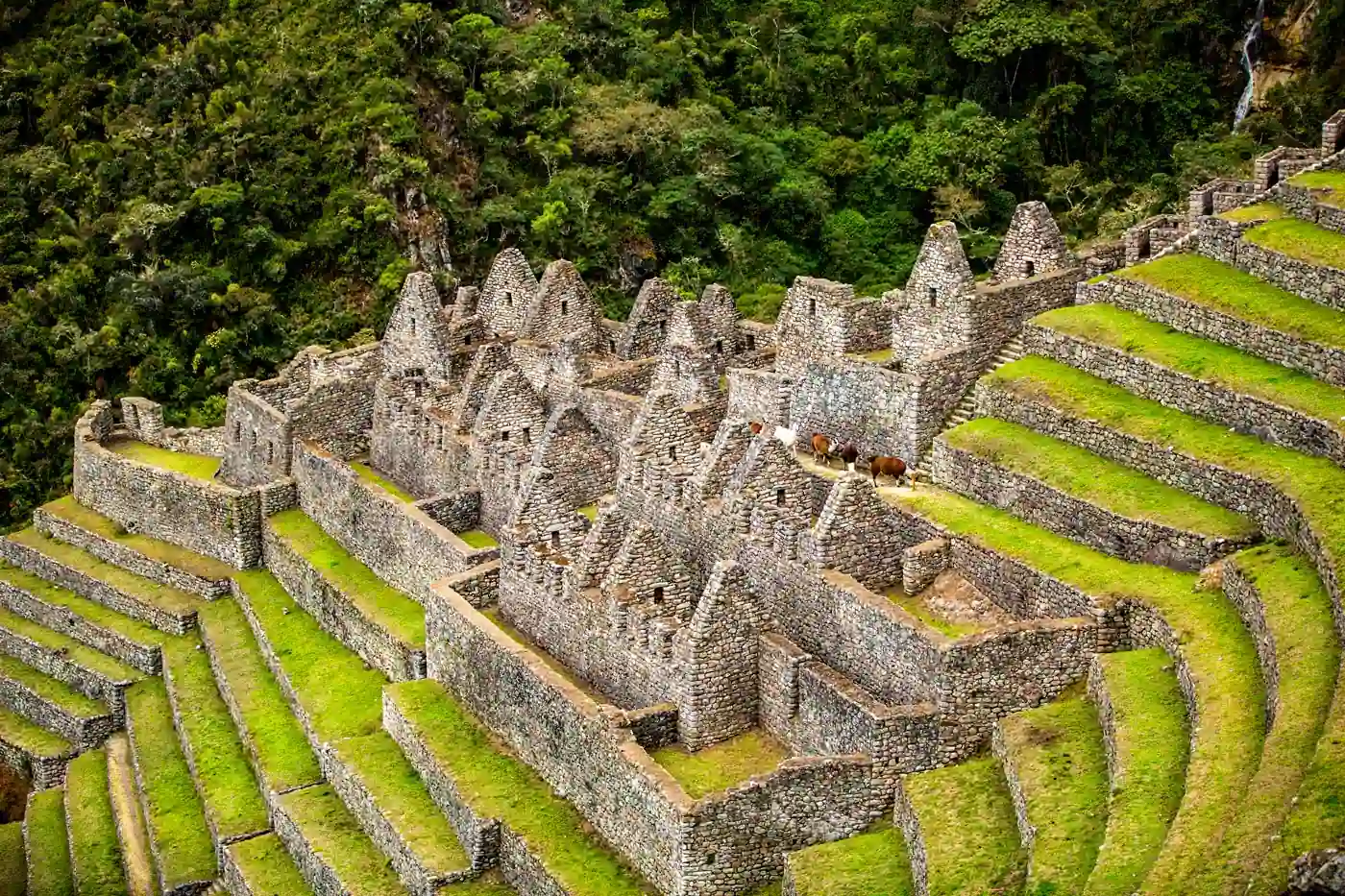
Lares may suit travelers who want to walk through places where people live and work: Quechua-speaking families farm, herd and weave along the route. On Ausangate you pass herding settlements and stone corrals in a landscape that’s sacred to the communities who live there. The 5-day Salkantay spends time in coffee-growing valleys, and Choquequirao’s reward is the Inca site itself, one of the largest in the region.
Trail style
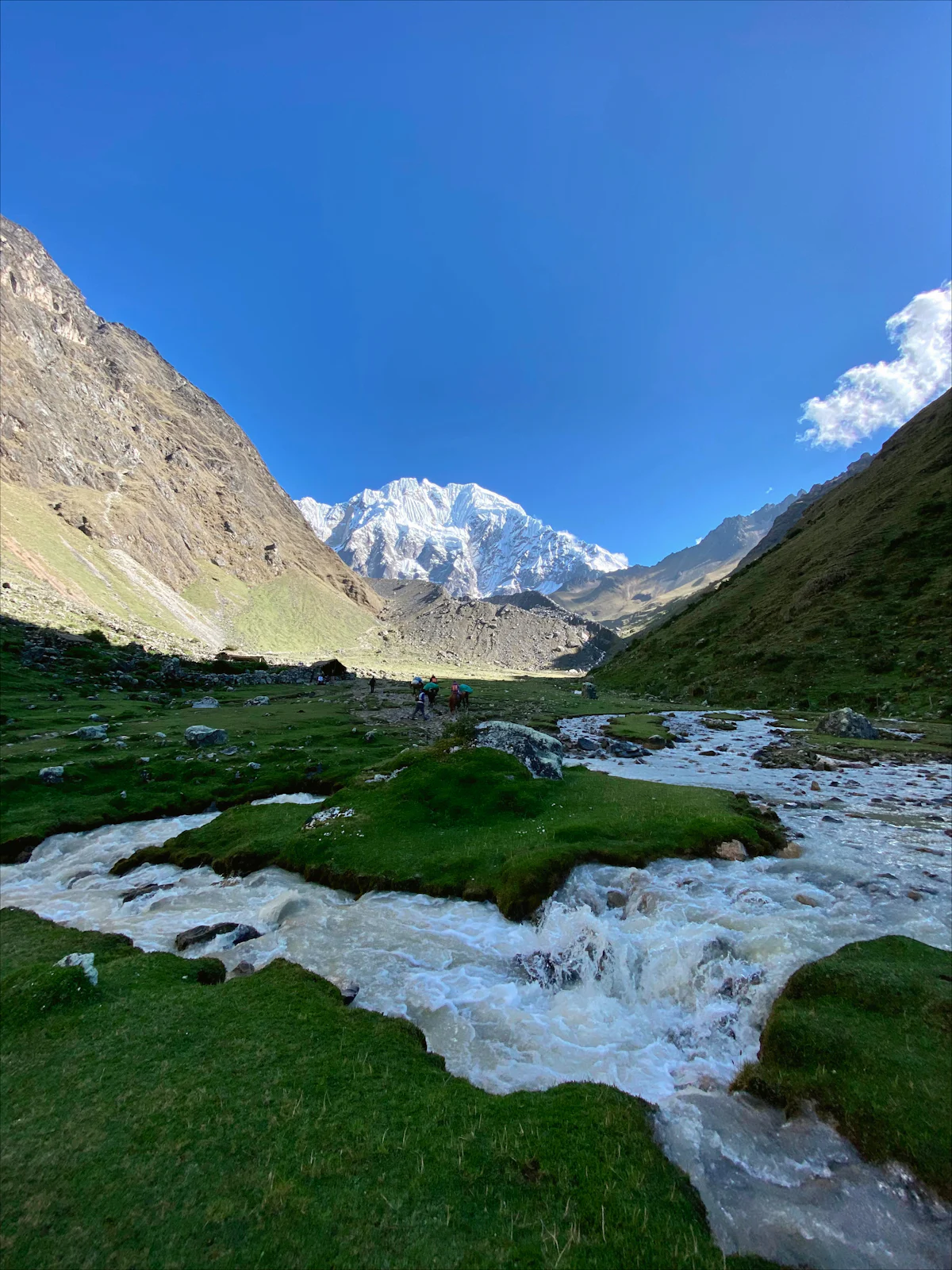
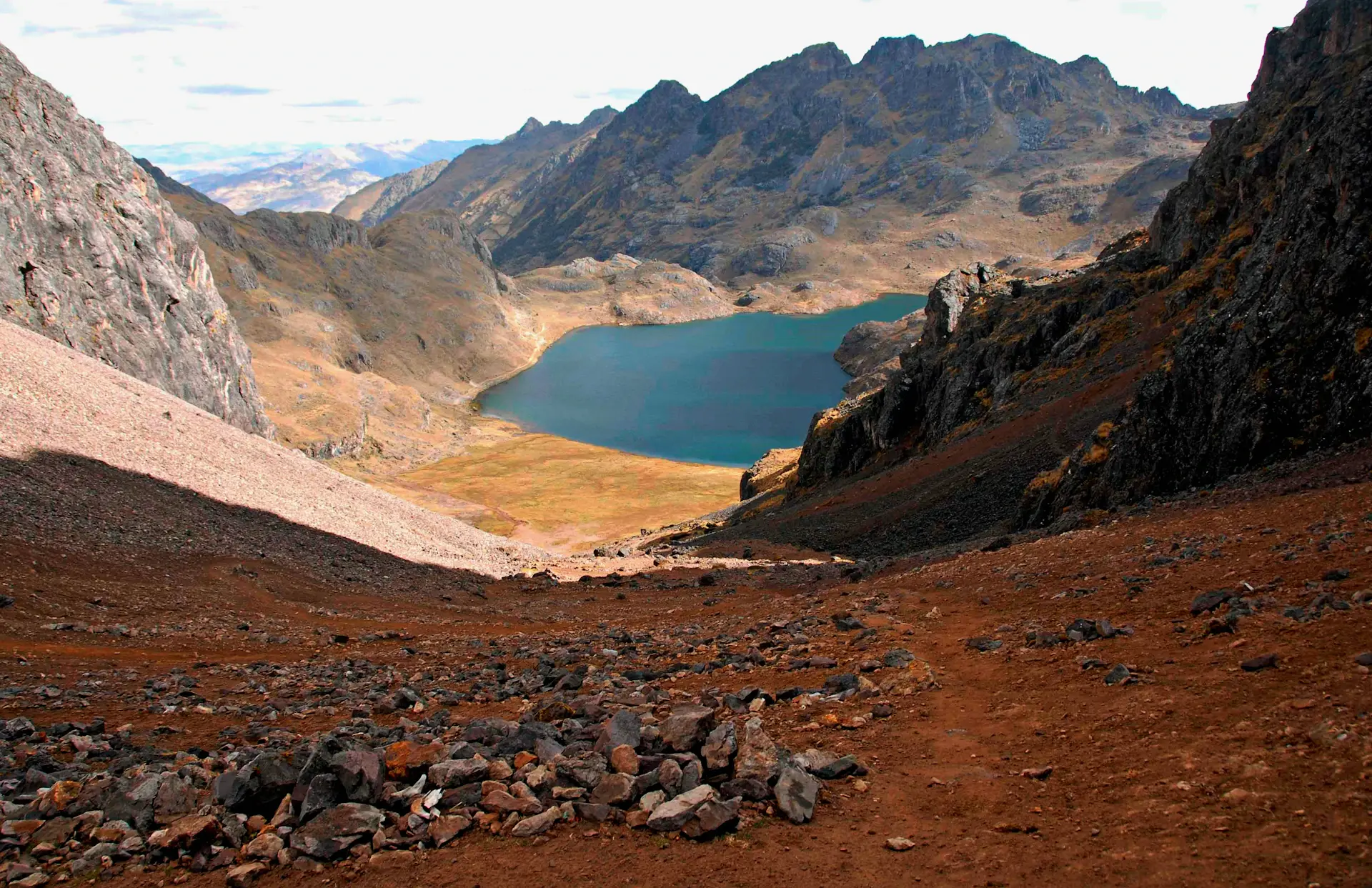
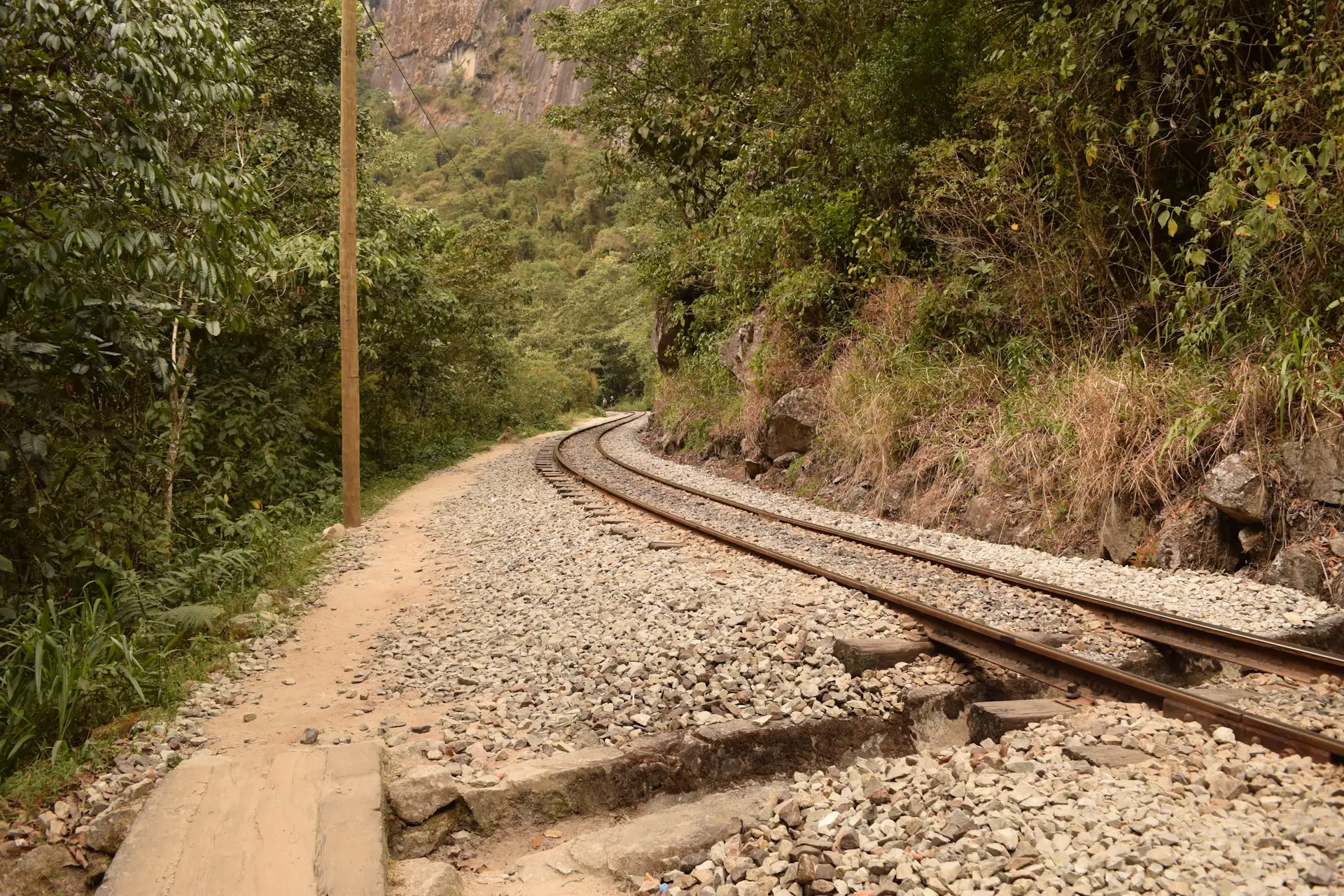
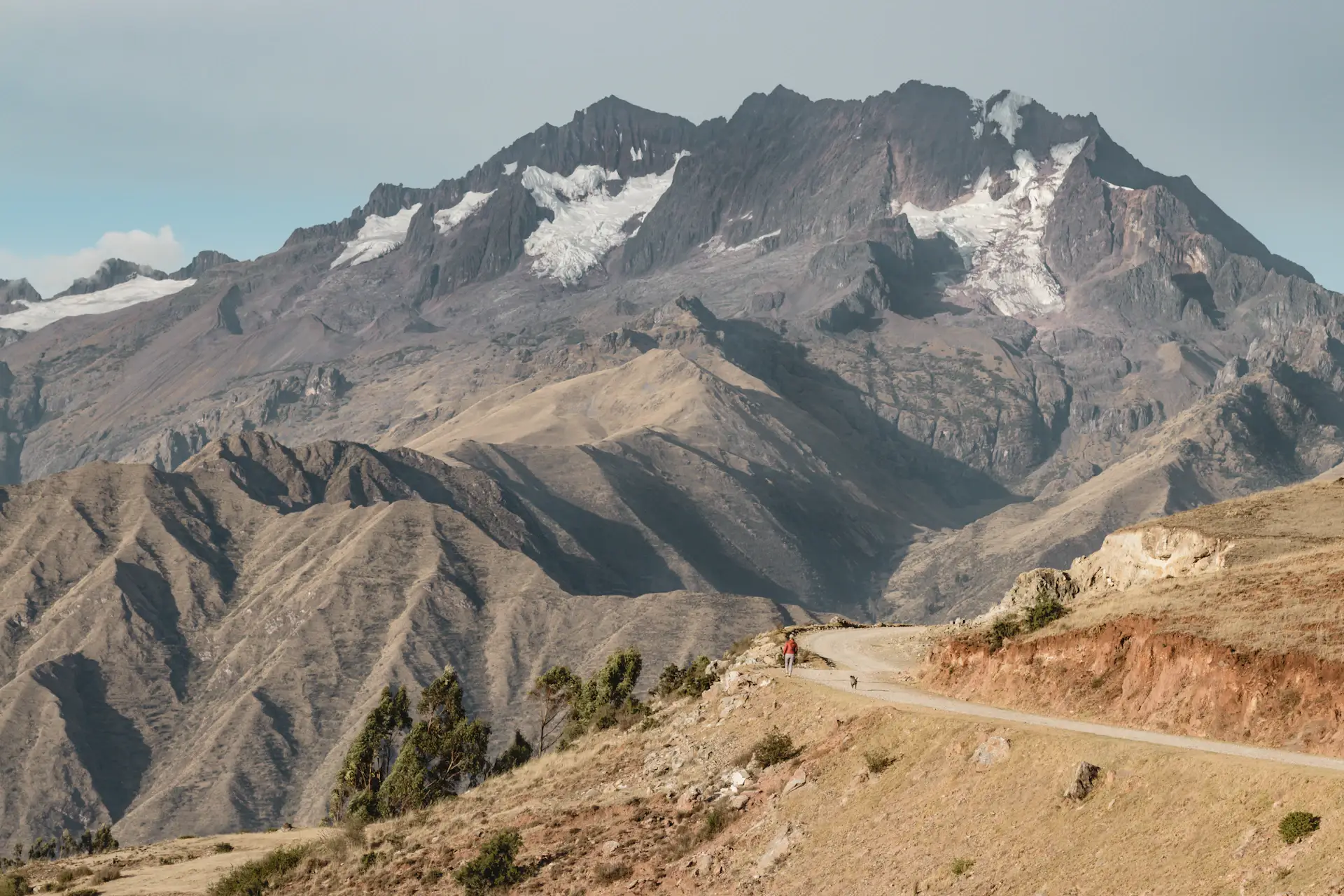
Expect rocky, steep ground near Salkantay’s pass and soft forest paths below it; earth and stone paths through farmland on Lares; faint, rocky and sometimes boggy tracks on Ausangate; and long, loose switchbacks in the Apurímac Canyon. Boots with good ankle support and trekking poles help on all of them.