Skip to content
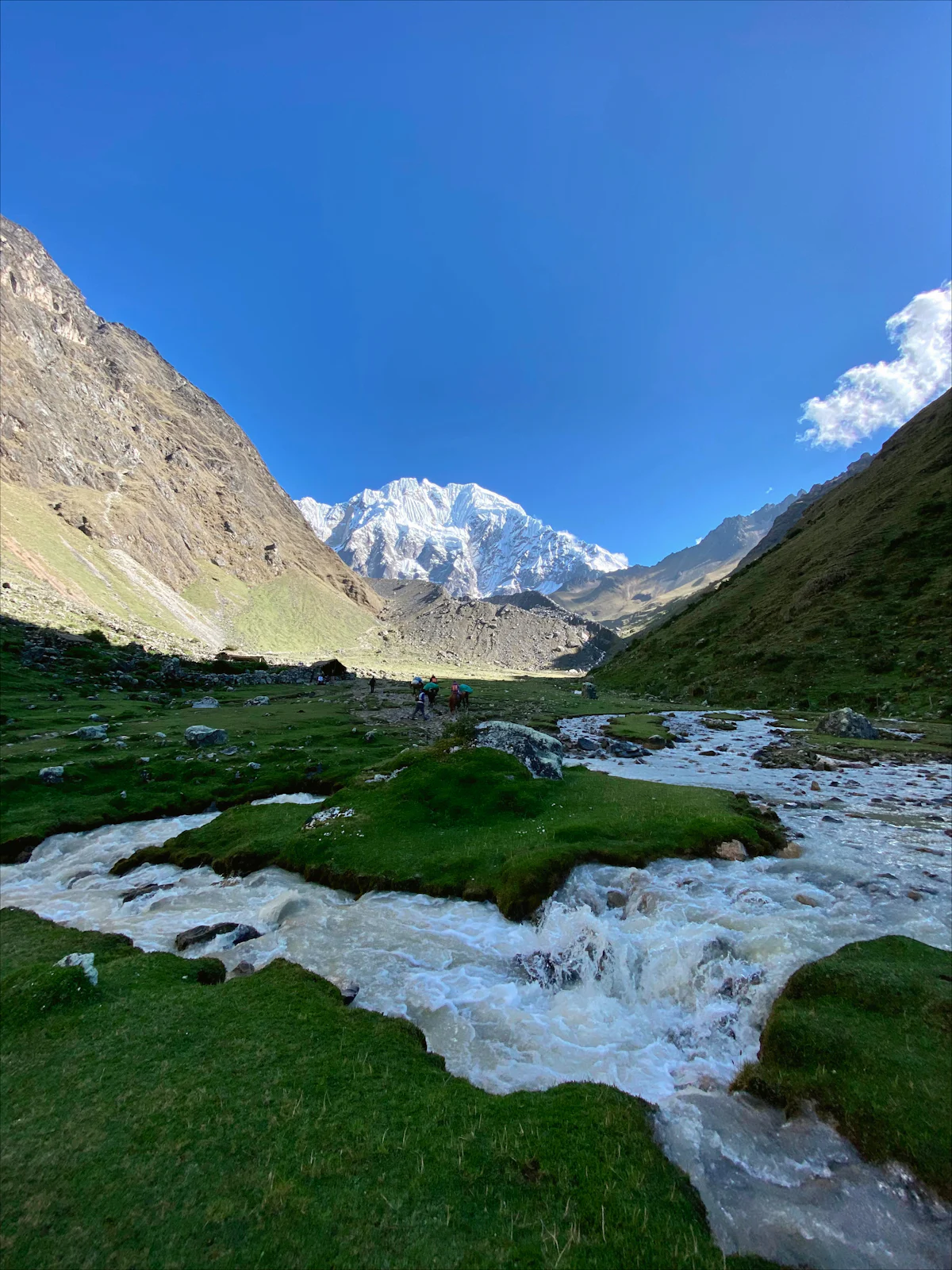
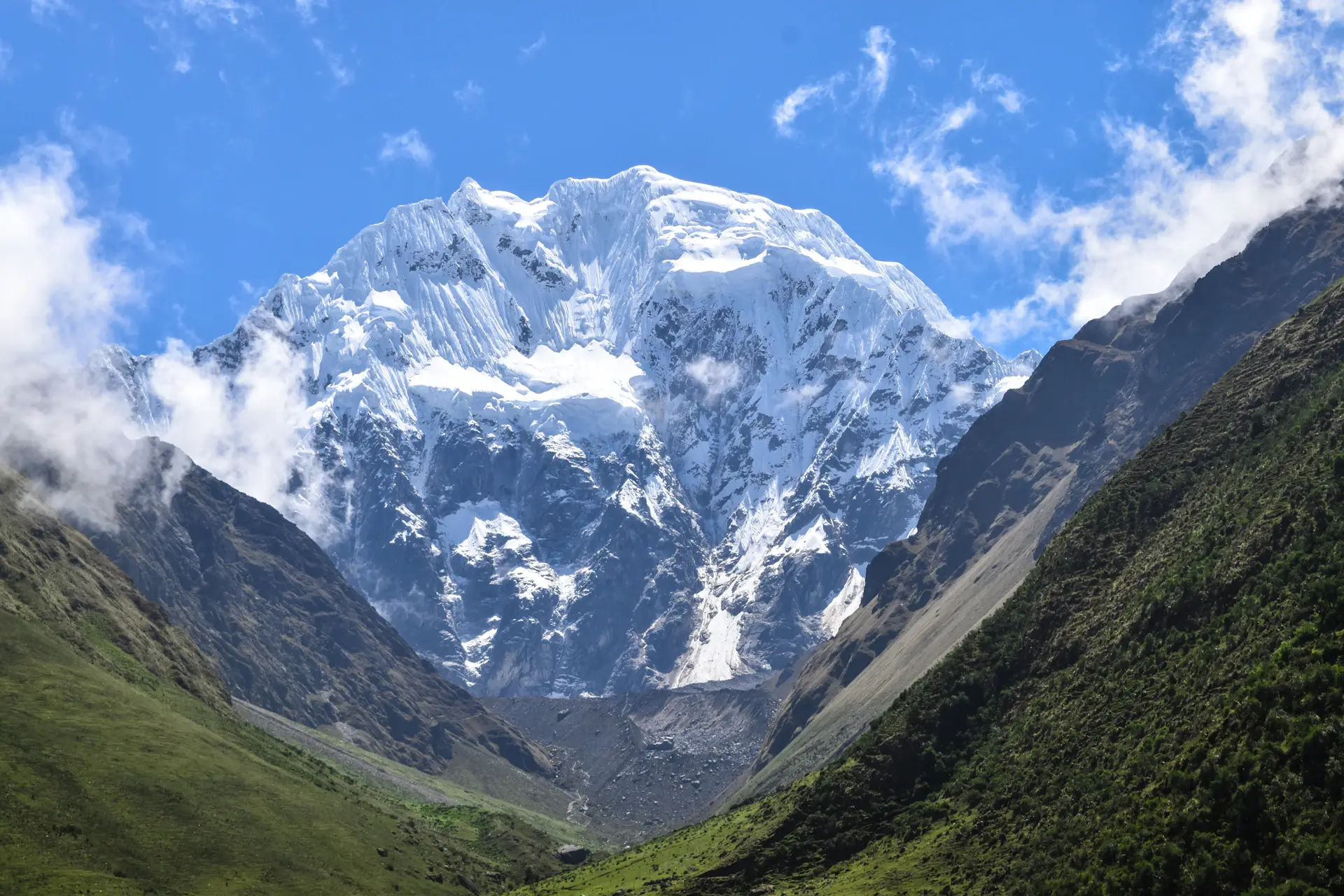
Snow-covered Salkantay mountain above a green Andean valley
Salkantay

Salkantay Trek to Machu Picchu

From the glaciers of Salkantay, one of the highest peaks near Cusco, down through cloud forest to Machu Picchu. Compare our 4-day and 5-day routes and find the pace that suits you.

The Salkantay route

Why Hikers Choose Salkantay

Salkantay is the great ice-covered peak west of Cusco, one of the sacred mountains, or apus, of the region. The trek named after it crosses a pass at the foot of its glaciers and then drops, in a single long afternoon, into a completely different world of cloud forest, waterfalls and warm valleys, before finishing at Machu Picchu.

That change of scenery is the heart of the route. So is its flexibility: the Salkantay Trek doesn’t use Inca Trail permits, so it’s often available when those are sold out, and it stays open in February, when the Inca Trail closes. In return, you see fewer Inca sites along the way and reach Machu Picchu by bus from Aguas Calientes rather than through the Sun Gate.

We plan two versions. Both share the same high section; the difference is how you spend the days after the pass.

Highest point
About 4,600 m / 15,100 ftThe Salkantay Pass
The mountain
About 6,271 m / 20,574 ftSalkantay peak
Permits
No Inca Trail permitMachu Picchu ticket still needed
Routes
4 or 5 daysBest from April to October

Our Salkantay treks

Two Routes Over the Salkantay Pass

Both visit Humantay Lake on the first day and cross the pass on the second. They differ in what happens after that.

  • Snow-covered Salkantay mountain above a green Andean valley
    4 Days Trek

    Salkantay to Machu Picchu

    Salkantay Trek 4 Days

    The classic alternative to the Inca Trail: over the Salkantay Pass at about 4,600 m, down into cloud forest and on to Machu Picchu in four days.

    • Challenging
    • Camping and hotel
    Price On request
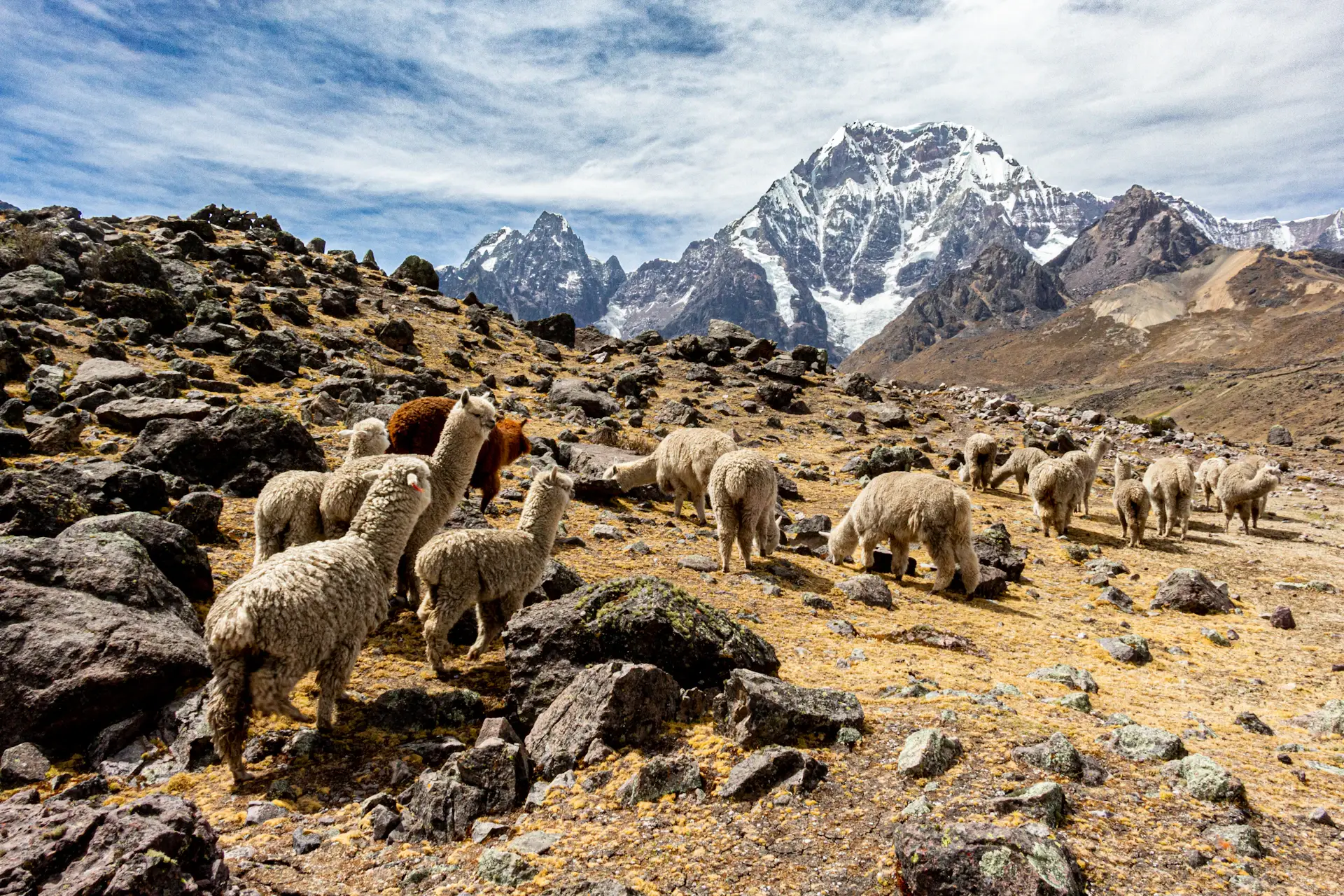
  • Snowcapped Salkantay above a high valley and glacial stream on the Salkantay route
    5 Days Trek

    Salkantay and Llactapata to Machu Picchu

    Salkantay Trek 5 Days

    The full-paced Salkantay route: the same high pass, then two shorter days through coffee country and over Llactapata, with a first view of Machu Picchu.

    • Challenging
    • Llactapata and coffee valleys
    Price On request

4 days or 5 days

What the Extra Day Changes

Salkantay routes at a glance
TourDurationDifficultyHighest pointDistanceAfter the passMay suit
Salkantay Trek 4 Days4 Days / 3 NightsChallenging4,600 m / 15,092 ftAbout 55 km (34 mi)Down through the valleys and on to Aguas Calientes in one more dayFit hikers short on time who are happy with one very long day
Salkantay Trek 5 Days5 Days / 4 NightsChallenging4,600 m / 15,092 ftAbout 70 km (43 mi)Two shorter days through coffee country and over the Llactapata ridgeHikers who want more time in the valleys, photographers, anyone whose knees dislike long descents

The high part of the trek is identical: the first day climbs to Humantay Lake, and the second crosses the Salkantay Pass at about 4,600 m (15,100 ft) before a descent of more than 1,500 m into the forest. On the 4-day route, the third day continues down the valleys to Aguas Calientes, so you arrive with plenty of distance in your legs and visit Machu Picchu the next morning.

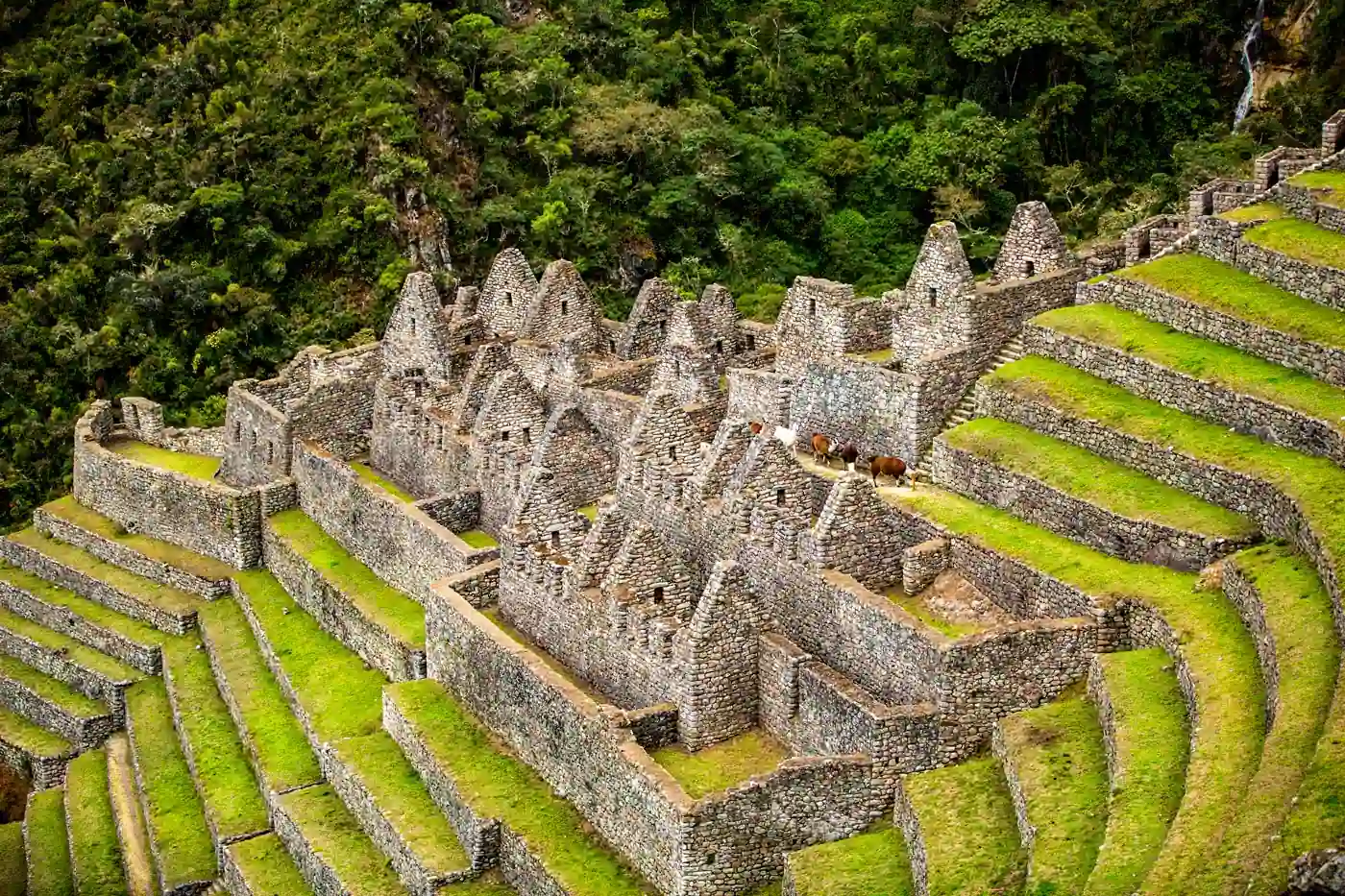
The 5-day route slows the second half down. After the pass, you spend a night in the coffee-growing valleys and then climb to Llactapata, a small Inca site on a ridge facing Machu Picchu, where on a clear day you see the citadel from across the valley. You reach Aguas Calientes rested, at a pace that suits people who like to take in the scenery rather than just cover ground.

Neither version makes the top any easier; what the fifth day buys is recovery time and a quieter finish.

Still deciding between four and five days?

Tell us about your hiking experience and your dates. We’ll help you choose and plan your acclimatization in Cusco.

Terrain

Three Landscapes in One Trek

  • High grassland and glaciers. The route starts around 3,900 m (12,800 ft) near Soraypampa, below the ice of Salkantay and Humantay. Nights up here are cold.
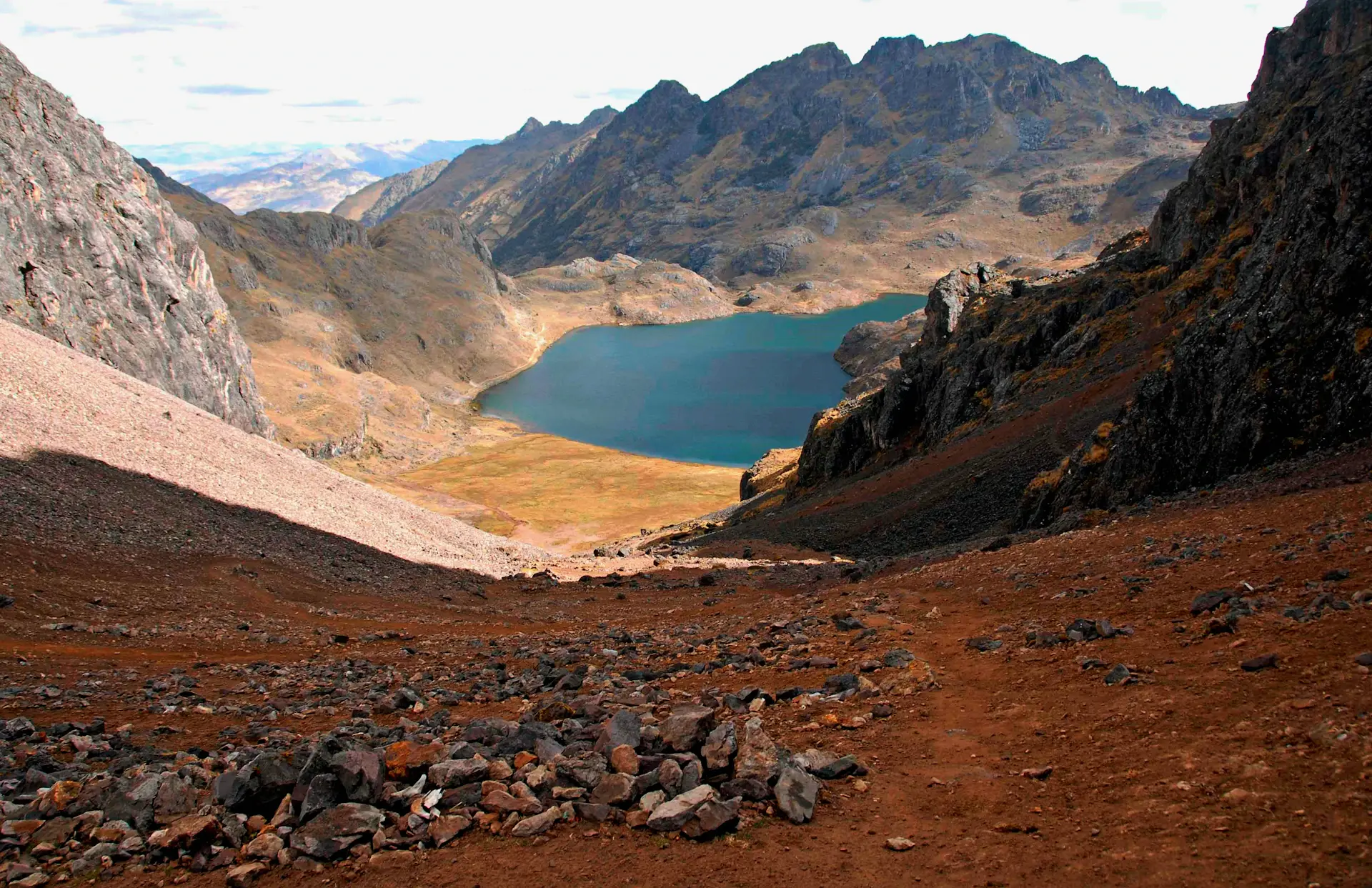
  • The pass. A steady climb on rocky, sometimes steep ground to about 4,600 m (15,100 ft), the highest point of the trek.
  • Cloud forest and valleys. A long descent through mossy forest into valleys of coffee, bananas and fruit trees, where the air turns warm and humid.

Altitude

Altitude and Acclimatization

The pass is higher than anything on the Classic Inca Trail, and the first part of the trek is spent around 3,900 m and above. Arrive in Cusco at least two or three nights before you start, keep the first day easy and drink plenty of water. Nights in the Sacred Valley, which is lower than Cusco, are a comfortable way to adjust.

On the trail, your guide sets the pace and watches for signs of altitude sickness. Symptoms that get worse are a reason to slow down or descend, not to push on. Both routes visit Humantay Lake on day one; if you’d like to see it without trekking, there’s also a Humantay Lake day tour.

Difficulty

How Hard Is It?

We rate both routes as challenging. Expect six to nine hours of walking on most days, and ten or more on the pass day, which combines the climb with a long, knee-testing descent. You don’t need technical skills, but you should be a regular hiker, comfortable on uneven ground for several days in a row.

Training helps more than anything else: long hikes with real elevation gain in the months before you travel, and some leg-strength work for the descents. Bring trekking poles if you have them.

Machu Picchu

Arriving at Machu Picchu

Both routes spend the last night in Aguas Calientes, the town below the site, and finish with a guided visit of Machu Picchu on the final morning before the journey back to Cusco. We confirm how you travel the last stretch into Aguas Calientes, your campsites and your meals with your quote.

If walking the original Inca road and entering through the Sun Gate matter most to you, look at our Inca Trail tours first. If permits are gone, or you’d like higher mountains and fewer rules, Salkantay is the natural alternative. For other multi-day routes, see our treks from Cusco.

Seasons

When to Go

April to October is the dry season and the most reliable time, with clear views of the peaks, cold nights up high and busy trails from June to August. The route stays open from November to March too, including February, but expect rain, mud and clouds that come and go, especially around the pass.

Families

Salkantay With Teens

Salkantay can be a memorable trip for active teenagers who already enjoy long hikes and cope well with cold nights and altitude. It’s a demanding route for younger children. Talk with our local team about your family’s hiking experience and we’ll help you decide whether it fits, or suggest a gentler alternative.

Questions

Salkantay Questions We Hear Often

Is the Salkantay Trek harder than the Inca Trail?

In most ways, yes. Its pass is higher, at about 4,600 m against 4,215 m on the Classic Inca Trail, and the pass day is longer. The Inca Trail has more stone staircases. Both are challenging; the difference is mostly altitude and day length.

Do I need a permit for the Salkantay Trek?

No Inca Trail permit is needed, which is why Salkantay is often available when the Inca Trail is sold out. You still need a timed ticket for Machu Picchu, and we plan the trek around it.

Can I hike Salkantay in February?

Yes. The route stays open all year. February is one of the wettest months, so expect rain and mud and pack good waterproofs.

Four or five days: which is easier?

The high section is the same on both. Five days make the second half gentler, with shorter days and more time to recover after the pass, so most people finish less tired.

Where do we sleep?

Nights on the first part of the trek are spent camping, and the last night is in Aguas Calientes before your Machu Picchu visit. We confirm the campsites and what’s provided with your quote.

How far in advance should I book?

Because no trail permit is involved, Salkantay can often be arranged closer to your dates than the Inca Trail. For June to August, a few months ahead is still sensible, since Machu Picchu tickets and trains fill up.

Travel Guide

Before You Hike Salkantay

All trekking guides
Plan your trip

Ready for Salkantay?

Send us your dates and a little about your hiking experience. We’ll help you choose between four and five days and plan your acclimatization in Cusco.