Inca Trail Permits: How They Work and When to Book
Permits for the Inca Trail are limited, personal and sold only through licensed operators. Here’s how the system works, how far ahead to plan and what to do if your dates are gone.
In this guide9 sections
The short answer
You need a permit to hike any route of the Inca Trail, and you can’t buy one yourself. Permits are sold only through licensed tour operators, in each hiker’s name and passport number, and only a fixed number of people can start each day, guides and porters included. For May to September, plan several months ahead. The trail closes every February.
Most of the Inca Trail questions we answer start with permits, and for good reason: the permit fixes your hiking date before anything else is booked. Once you know how the system works, the rest of the trip is much easier to plan. This guide covers the permit itself; to compare the two routes, see our Inca Trail tours.
What an Inca Trail Permit Is (and Isn’t)
An Inca Trail permit is an entry ticket to the network of Inca roads inside the Machu Picchu Historic Sanctuary. Peru’s Ministry of Culture issues it for one route and one start date, and it includes a visit to Machu Picchu at the end of the hike, within the time allowed for that route.
It isn’t the same thing as a regular Machu Picchu ticket. Travelers who arrive by train buy a timed entry to the citadel; hikers get their entry as part of the trail booking, arranged by the operator together with the permit. Our guide to Machu Picchu tickets explains the difference in detail.
It also isn’t something you need for every trek near Cusco. The Salkantay, Lares and Inca Jungle routes have no government permit quota. Local communities charge small entrance fees on some of them, but you can usually book those treks at much shorter notice.
Daily limits and who counts
The regulation that governs the trail network sets a daily capacity of 500 people on the routes that start at Km 82, the starting point of the classic four-day trek, and 250 people on the one-day route from Km 104, the Short Inca Trail. Those numbers count everyone who walks: hikers, guides, cooks and porters.
On the four-day route, support staff make up a large share of every group, because porters carry the tents, the kitchen and the food. That’s why the number of spaces for hikers on a given day is well below 500, and why popular dates disappear quickly.
Why permits are tied to your passport
Each permit carries the hiker’s full name and passport number. Operators submit the list for each group through the Ministry of Culture’s booking system, and park staff check passports at the trail control point and again at Machu Picchu. The permit is personal and non-transferable, and it’s valid only for the route and date shown on it.
In practice, that means three things:
- Send your details exactly as they appear in your passport, including middle names.
- Travel with the same passport you booked with. If you renew it before the trip, tell your operator right away.
- Nobody can take your place, and permits can’t be resold.
Where the rules come from
The Inca Trail is managed by the Ministry of Culture, through its office in Cusco, together with SERNANP, Peru’s national parks service. Their regulation sets the daily capacity, the February closure and the walking hours: groups enter between 5:00 a.m. and 2:00 p.m., and nobody walks the trail at night. It also requires every group to travel with an authorized agency and an official guide. We link the official sources at the end of this guide.
When Permits Go on Sale
In recent years, the Ministry of Culture has opened sales for the next season in the last months of the year, through its electronic booking system for authorized agencies, and its Cusco office has published the reservation schedule. The exact dates change from year to year and are announced with little notice.
You’ll also find different release dates on different tour company websites. We don’t repeat a date we can’t confirm with an official source, and you shouldn’t plan around one either. What matters more is having your details ready: once sales open, the most popular start dates in June, July and August can go within days.
If you already know you want to hike in a particular season, get in touch early. Your operator can hold your details and submit them as soon as the permits for your date are available.
How Far Ahead to Book, Month by Month
Demand follows the seasons, the U.S. and European holidays and the February closure. These are typical patterns, not guarantees; availability changes every day.
| Months | Demand | When to start planning |
|---|---|---|
| May to August | Highest: dry season and summer vacations | As early as you can; popular start dates often sell out months ahead |
| April, September, October | High | Several months ahead |
| March, November, December | Moderate, with rain | A few weeks to a couple of months; holiday weeks go sooner |
| January | Lower: the wettest month | Often possible at shorter notice |
| February | None | The trail is closed for maintenance |
The Short Inca Trail has its own daily capacity, separate from the four-day route. It usually stays available a little longer, but in peak season it sells out too.
What If Your Dates Are Sold Out?
A sold-out date doesn’t have to mean giving up on walking to Machu Picchu. Depending on how flexible you are, you have a few options.
The Short Inca Trail
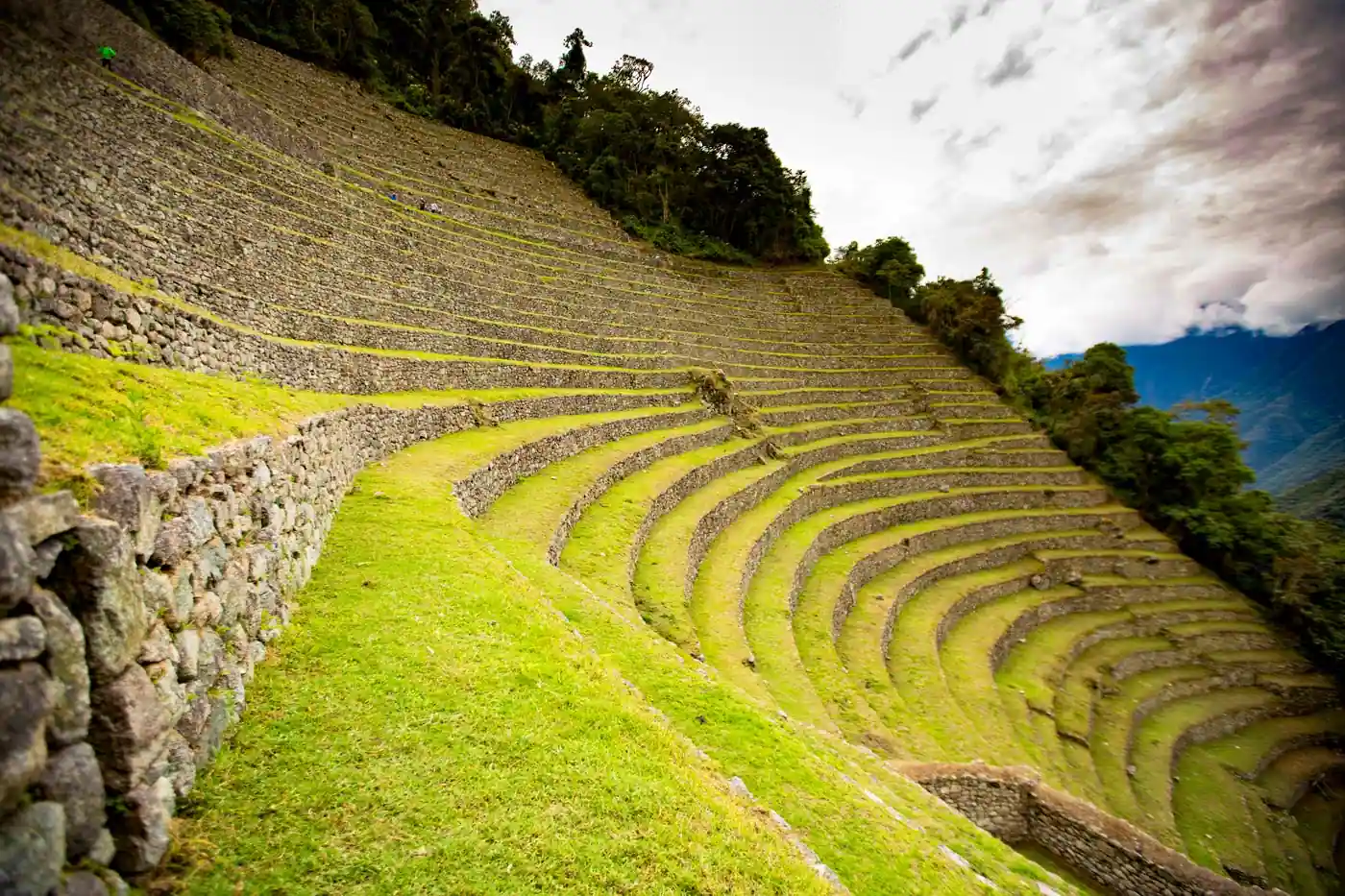
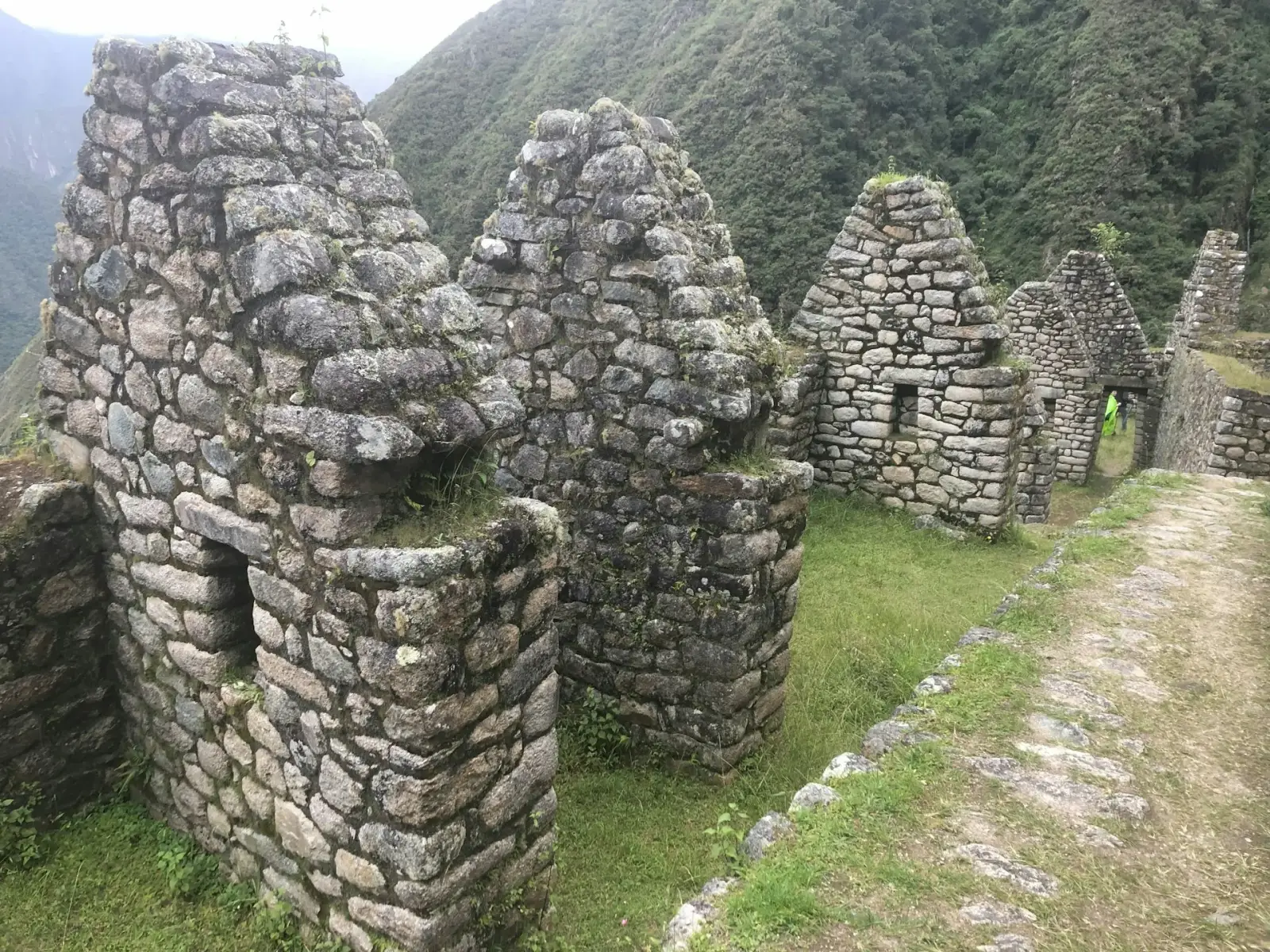
The one-day route from Km 104 uses a different quota. You walk the last stretch of the original trail, past the terraces of Wiñay Wayna, and reach the Sun Gate in the afternoon. Our comparison of the two-day and four-day routes explains what you gain and what you give up.
Salkantay, Lares or the Inca Jungle
These routes don’t use the Inca Trail permit system, so they’re the usual answer when the trail is full. They’re different journeys, not copies: Salkantay crosses a high pass below a glacier, Lares visits herding communities, and the Inca Jungle mixes biking and hiking. You still need a Machu Picchu ticket for the last day. Start with our guide to alternative treks to Machu Picchu or the direct comparison of the Inca Trail and Salkantay.
Move the rest of the trip around the trail
If your travel dates are fixed but your hiking day isn’t, shifting the trek by a day or two often opens up space. Build the rest of the trip, the Sacred Valley, Cusco and your acclimatization days, around the permit rather than the other way around.
Changing Dates or Names
Plan as if you can’t. The name on an Inca Trail permit can never be changed, and neither can the date. Under rules the Ministry of Culture updated in September 2026, the only exception is documented force majeure, such as a medical certificate or proof of a disrupted flight, and even then a new date depends on availability. The entry fee isn’t refunded, and a space that isn’t used is lost.
The one detail that can change is the guide: the operator can replace a guide up to a day before the start, through the same booking system.
That has practical consequences for your planning:
- Confirm your dates before you pay, especially if flights aren’t booked yet.
- Leave at least one buffer day between your arrival in Cusco and the trek, in case a flight is delayed.
- Buy travel insurance that covers trip cancellation, and check what it says about pre-paid permits.
What Booking a Permit Looks Like
From your side, the process is short. From the operator’s side, it follows the Ministry of Culture’s system step by step.
- You choose a route and a start date. Have one or two alternative dates in mind, especially for May to September.
- You send each hiker’s details: full name exactly as in the passport, nationality, passport number, date of birth and, for students, the student card.
- The operator checks availability and submits the booking in the Ministry’s system. Once it’s paid, the space is held in each hiker’s name.
- You receive confirmation of the permit and your Machu Picchu entry, and you plan the rest of the trip around the date.
- The group list is closed shortly before the start, with the names of the guide and the support team added.
- On the trail, your passport is checked at the control point at the start and again at Machu Picchu.
If anything in your passport changes between booking and travel, such as a renewal or a correction, tell your operator straight away.
The February Closure
The Inca Trail network closes every February, as set in its regulation, for maintenance and to let the ecosystem recover during the wettest month. In 2026 the closure ran from February 1 to 28, and the Ministry of Culture reopened the trail on March 1 after repairing stairways, drainage channels and bridges.
The authorities can also close sections at other times for safety, for example after heavy rain or a landslide. The Short Inca Trail is part of the same network and closes in February as well.
Machu Picchu itself stays open in February. You can visit by train, or reach it on foot along a route outside the Inca Trail network. If you’re choosing between months, our guide to the best time to hike the Inca Trail goes through the year month by month.
Planning Around Your Permit
Once your permit is confirmed, everything else falls into place around it. Plan to arrive in Cusco at least two full days before the four-day trek, three if you can, so your body has time to adjust to the altitude. Keep the evening after the trek free: you’ll be back in Cusco late and tired.
While you wait for your start date, two guides are worth reading: how hard the Inca Trail really is and our Inca Trail packing list.
Frequently Asked Questions
Can I hike the Inca Trail without a tour operator?
No. Independent hiking isn’t allowed on any route of the Inca Trail. Every group enters with an authorized agency and an official guide, and the permit is issued through the operator.
Does the permit include Machu Picchu?
Yes. The trail permit includes one visit to Machu Picchu within the time set for your route. Under the current rules, hikers’ entries come from their own daily allocation and use Route 3-B, the designed route through the lower, royal sector of the citadel. Your operator books it together with the permit. Huayna Picchu and Machu Picchu Mountain are separate routes with their own limited tickets.
How much does an Inca Trail permit cost?
The government fee is included in the price of an Inca Trail tour, and it varies by route and by traveler category, such as students. For what shapes the total price of the trek, see our guide to Inca Trail costs.
Can I get a permit at the last minute?
Sometimes, in the rainy months, especially January. From May to September, last-minute spaces are rare, so plan well ahead or consider a trek that doesn’t need a permit.
What do I need to carry on the trail?
The original passport you booked with, plus your student card if you booked with a student rate. Both are checked at the start of the trail and at Machu Picchu.
Official Sources & Updates
Rules, tickets and closures are set by Peruvian authorities and can change. We last checked this guide against these sources on .
- Reglamento de Uso Turístico Sostenible de la Red de Caminos Inka (El Peruano, 2017) capacity, closure, hours, operation
- Ministry of Culture: the Inca Trail network reopens on March 1, 2026
- Ministry of Culture, Cusco office: Inca Trail reservation schedule
- Machu Picchu official site (Ministry of Culture)